The Sankei Building Recruitment Roadmap: Crucial Deadlines and Selection Milestones
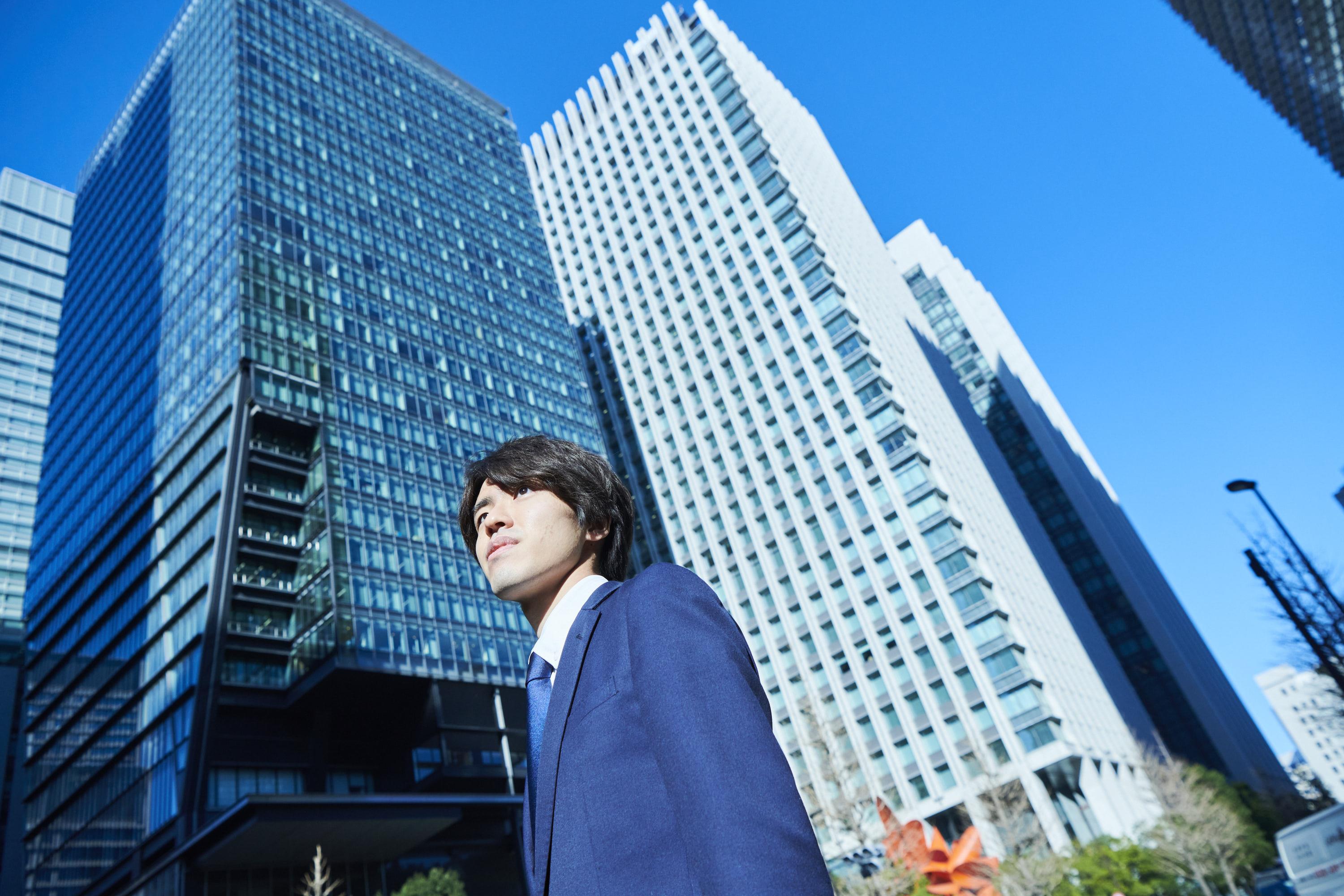
Japan’s commercial real estate market runs on prestige, urban redevelopment pipelines, and surprisingly small talent pools. While megadevelopers like Mitsui Fudosan and Mitsubishi Estate command massive applicant volumes, mid-sized property powerhouses generate an entirely different brand of pressure. The Sankei Building Co., Ltd., the urban development pillar of Fuji Media Holdings, operates with lean teams and selective annual quotas. Every spring, hundreds of ambitious graduates chase fewer than 20 open desks.
Getting hired requires navigating early application gates, rigorous aptitude screens, and multi-tier executive interviews. Because the firm develops flagship commercial assets like the Tokyo Sankei Building and manages expansive hospitality portfolios through its Granvista network, hiring managers evaluate technical property interest alongside media-group adaptability. Securing an offer demands precise timing, absolute clarity on corporate direction, and a calculated approach to every round of evaluation.
📌 Key Takeaways:
- The Acceptance Bottleneck: The Sankei Building hires only 10 to 20 new graduates annually, pushing the effective acceptance rate below 3% despite a lower raw applicant volume than legacy zaibatsu firms.
- The Fast-Track Mechanism: Summer and autumn internships serve as primary pipelines, channeling top performers directly into private early selection windows months before standard spring screening.
- Evaluation Standards: Applicants face strict SPI testing thresholds, rigorous group debates on urban renewal, and final executive interviews requiring deep knowledge of media-property convergence.
Fuji Media’s Real Estate Engine and the Appeal of Small-Cohort Hiring
The Sankei Building operates in a distinctive position within Japan’s developer ecosystem. Founded in 1951, the firm anchors the urban development and living spaces segment of Fuji Media Holdings. It does not attempt to mimic the sprawling footprint of Tokyo's historic property conglomerates. Instead, it concentrates capital into high-density office towers, hospitality assets, and specialized logistics facilities under its SANKEILOGI brand.
This operational structure dictates how the firm hires. Rather than recruiting cohorts of 50 to 100 generalists, corporate headquarters in Otemachi brings in roughly 12 to 18 new graduates each cycle for comprehensive career-track roles (総合職). New hires gain immediate exposure to asset management, architectural planning, and leasing negotiations. They do not spend years stuck in administrative backwaters.
That autonomy attracts fierce competition. Applicants from elite national universities and top private institutions view the company as a high-leverage alternative to rigid corporate hierarchies. Glassdoor Japan and OpenWork metrics show sustained interest from students seeking developer careers without the bureaucratic dilution common at mega-firms. The smaller intake translates directly into elevated selection difficulty. Candidates must prove readiness from day one.
Navigating the 2026 New Graduate Selection Schedule and Early Deadlines
The Japanese recruitment calendar moved earlier this cycle, and The Sankei Building adhered to that acceleration. The conventional blueprint of waiting for March entry sheet releases guarantees failure. Selection effectively splits into two tracks: an internship conversion route running from late autumn into January, and the standard open entry track that launches in mid-winter.
Summer internship screening opens in May and June, with sessions conducted in August and September. These short programs act as working auditions. High scorers earn invitations to invitation-only networking breakfasts, autumn follow-up workshops, and ultimately the private selection track. For those on this path, informal job offers (内々定, or nainaitei) materialize as early as February or March.
Candidates entering via the general route face a compressed window. Entry sheets go live in late December and early January, with the primary submission cutoff arriving in early March. SPI web-based testing runs concurrently. Group discussions occur throughout late March and April, leading into three distinct interview rounds across April and May. Missing a single filing deadline shuts the door entirely, as the firm rarely holds secondary autumn cycles for career-track positions.
Milestones, Screenings, and Test Cut-Offs: The Selection Matrix
Surviving the initial screening phases requires clearing both academic and algorithmic hurdles. While the firm recruits heavily from Keio, Waseda, Sophia, and the MARCH tier (Meiji, Aoyama Gakuin, Rikkyo, Chuo, Hosei), alongside top national universities like the University of Tokyo and Kyoto University, university tier screening functions as a baseline filter rather than an ironclad guarantee.
Web testing uses the standard Test Center SPI model, focusing on verbal, non-verbal quantitative, and personality assessments. Industry monitors and job-hunting forums place the passing line near the 75th to 80th percentile. Quantitative fluency matters; real estate development depends on financial models, yield calculations, and construction timelines.
| Selection Stage | Active Window | Evaluation Focus & Hurdle |
|---|---|---|
| Internship Applications | May, June / Oct, Nov | Short entry sheet; baseline SPI test; initial passion for urban development |
| General Entry Sheet & Web Test | December, March | SPI score cutoff (~75th, 80th percentile); precision in corporate motivation essays |
| Group Discussion (GD) | Late March, Early April | 5, 6 applicant teams; business modeling, consensus building, logical structure |
| First & Second Interviews | Mid-April, Early May | Department manager reviews; stress resistance; project feasibility analysis |
| Executive Board Interview | May, Early June | Director-level evaluation; corporate fit; long-term leadership commitment |
Group discussions eliminate roughly half of surviving candidates. Prompts typically center on site revitalization or commercial asset planning. Evaluators do not reward candidates who dominate the conversation. Instead, they look for structural thinkers who organize timelines, incorporate opposing viewpoints, and drive the group toward commercially viable conclusions.
Mastering the Entry Sheet and Group Assessment Rounds
Standard developer entry sheets fail when applicants lean into generic clichés about "creating spaces where people smile" or "shaping Tokyo’s skyline." Reviewers read thousands of identical sentences. At The Sankei Building, successful written submissions connect directly to specific business lines.
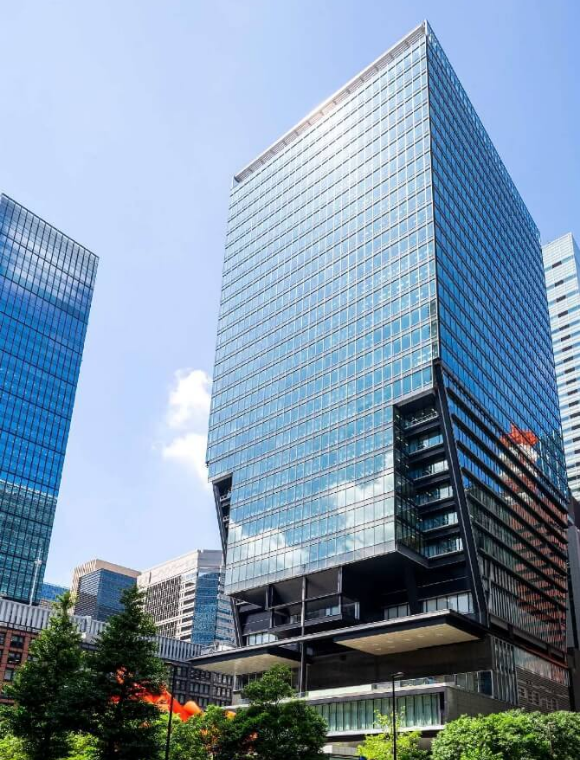
Candidates must draw clear distinctions between mid-scale commercial assets and monolithic public-private redevelopments. An effective application answers why the candidate chose this firm over rivals like Nomura Real Estate or Tokyo Tatemono. Highlighting interest in specific developments, such as the flagship Tokyo Sankei Building’s disaster-prevention integration or the LEFOND residential brand's approach to compact urban living, signals genuine research.
During the group discussion phase, evaluators look for commercial pragmatism. When presented with a prompt on redeveloping suburban transit nodes, high-scoring applicants structure their arguments around foot traffic data, return on investment, and construction constraints. They demonstrate practical curiosity. They maintain composure under tight time limits, ensuring every team member contributes while keeping the project deliverable clear.
Executive Boardroom Interviews: Culture, Media Synergies, and Salary Realities
The final barrier consists of individual interviews with department directors and executive board members. These conversations test conviction. Panelists ask direct questions: If you receive an offer from a top-three zaibatsu developer tomorrow, why would you still join us?
Candidates must articulate the strategic advantages of the Fuji Media Holdings ecosystem. The Sankei Building regularly cross-pollinates its physical spaces with cultural events, media broadcasts, and entertainment assets. Explaining how media integration differentiates their leasing and branding strategies demonstrates commercial maturity that outclasses typical student answers.
Compensation remains a major draw. According to regulatory disclosures and corporate tracking data, the average annual salary across the firm sits between ¥8.5 million and ¥10.5 million, with compensation increasing noticeably as employees reach project leader ranks in their early thirties. Starting base salaries for new graduates align with industry benchmarks near ¥260,000 to ¥280,000 per month, supported by housing allowances, media-group family benefits, and performance bonuses tied to asset returns.
The work culture leans collaborative but demands individual accountability. Because project teams are lean, junior staff manage substantial responsibilities early in their tenure. Those who thrive enjoy fast career progression, managing multi-billion-yen properties years before their peers at legacy conglomerates touch equivalent budgets.
Frequently Asked Questions (FAQ)
Q: Does The Sankei Building employ a strict university cutoff (学歴フィルター)?
A: The firm does not publish an official cutoff, but historical hiring records tilt heavily toward top-tier universities. Graduates from Waseda, Keio, Sophia, national universities, and MARCH campuses form the bulk of successful cohorts. Applicants from other institutions must deliver exceptional SPI scores and standout internship performances to advance.
Q: How vital is participating in the summer or autumn internship?
A: Highly critical. While the general spring entry route remains open, a significant portion of final offers go to students identified during early internships. Participating in an internship bypasses early screening layers and provides direct visibility with senior recruiters.
Q: What English proficiency level is expected during selection?
A: While daily operations are conducted primarily in Japanese, a TOEIC score of 730 or higher strengthens an application. As cross-border inbound hospitality and international real estate partnerships expand, foreign language capability serves as an effective differentiator during executive rounds.
Strategic Takeaways for Securing a Role
Breaking into The Sankei Building requires treating the selection process like an extended business case. Relying on generic passion for architecture or city planning guarantees an early exit. With fewer than twenty positions available across the entire country, every stage demands targeted preparation.
Master the SPI exam early to clear initial screening benchmarks effortlessly. Target the company's autumn and winter internships to secure early selection consideration, bypassing the congested general pool. In every interview round, articulate why mid-scale agility and media-group integration provide a more compelling business model than legacy corporate scale. Those who demonstrate that level of industry insight will stand out in one of Tokyo's most competitive developer job searches.