The Science of Kneaded Erasers: Plasticizer Secrets Behind Eraser Shaving Elasticity
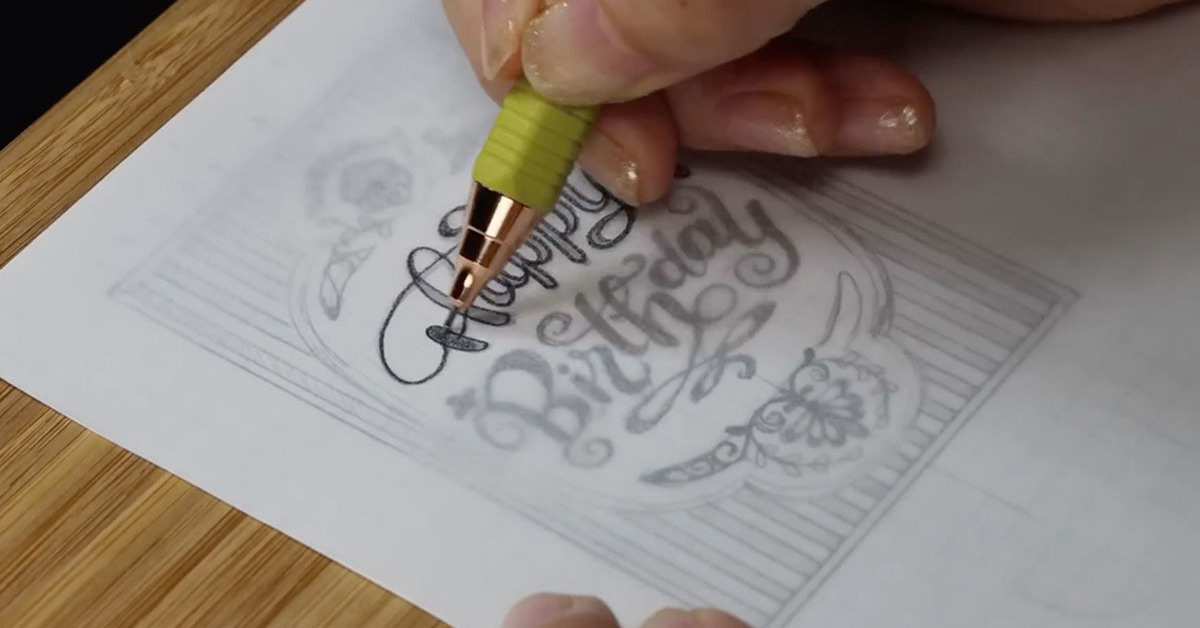
Across classrooms in Japan and art studios worldwide, generations of students have engaged in a quiet, tactile ritual: gathering soft vinyl shavings from pencil erasers and rolling them between warm fingers until they morph into a smooth, malleable ball of DIY kneaded eraser, known colloquially as nerikeshi. Yet anyone who has attempted this desk-side craft knows the frustration of inconsistent materials. Some shavings fuse within seconds into an ultra-elastic dough, while others disintegrate into dry, powdery flakes that stubbornly refuse to bond.
The divergence is not a matter of user patience. It comes down to industrial formulation, resin physics, and additive chemistry. As stationery specialists point out in a detailed Yahoo!ニュース Report, the functional ergonomics of an eraser, how its polymer matrix shears under pressure, shed residues, and grips graphite, depend directly on proprietary compound engineering. Understanding why specific shavings bind into supple putty reveals the complex chemical architecture behind everyday stationery.
📌 Key Takeaways:
- The Plasticizer Factor: Eraser shavings only fuse when high concentrations of plasticizers remain active within the polyvinyl chloride (PVC) matrix after mechanical abrasion.
- Structural Density: Heavy-shaving vinyl blocks like the SEED Radar provide superior erasable residue binding, whereas micro-porous or non-PVC formulations produce fragmented dust that lacks elasticity.
- Thermal Activation: Friction and body heat lower the glass transition temperature of the polymer chains, allowing them to re-entangle into a unified kneaded rubber texture.
The Classroom Alchemy of Eraser Dust Recycling
The obsession with turning eraser waste into sculptural putty began decades ago in East Asia, coinciding with the rise of soft plastic erasers in the late 1960s. Before modern vinyl formulations, traditional erasers relied on vulcanized natural rubber blended with pumice. Natural rubber crumbs tear violently along rough shear planes, leaving brittle fragments incapable of cohesion.
The transition to plasticized polyvinyl chloride transformed the school desk experience. Children discovered that gathering the ribbon-like offshoots of modern erasers yielded a dense, moldable compound capable of lifting pencil marks and holding fine shapes. Eraser dust recycling became a widespread elementary playground pastime, spawning schoolyard competitions over who could manufacture the smoothest, cleanest sphere of nerikeshi.
Behind that childhood pastime sits sophisticated stationery chemistry. A block eraser must perform a delicate balancing act: remain rigid enough inside its cardboard sleeve to withstand heavy downward pressure, yet abrade smoothly against paper fibers to release graphite without tearing cellulose. The residue left behind carries precise chemical markers that dictate whether it can bond a second time under manual pressure.
Polymer Cohesion and Plasticizer Formulations
At the molecular level, vinyl erasers consist of a suspension: rigid polyvinyl chloride (PVC) resin suspended in liquid plasticizers, reinforced with mineral fillers like calcium carbonate. Raw PVC is inherently brittle. Manufacturers add plasticizers, historically phthalates, now widely replaced by safer alternatives like diisononyl phthalate (DINP) or terephthalate esters, to slip between the long polymer chains. These additives push the molecules apart, creating internal flexibility and lowering the glass transition temperature.
[Rigid PVC Resin Chains] + [Active Plasticizers] + [Shear Friction]
│
▼
[Clustered Ribbons of Residue]
│
▼ (Manual Compression + Body Heat: ~32°C, 37°C)
[Polymer Chain Re-entanglement: Nerikeshi Putty]
When an eraser glides across paper, frictional heat softens the outer perimeter of the block. The plasticizer allows thin ribbons of PVC to roll off the surface, encapsulating graphite particles as they detach. In erasers optimized for cohesive residue, the plasticizer ratio hovers around 40% to 50% by weight.
When you collect these ribbons and apply manual pressure, you re-initiate polymer cohesion. The residual plasticizer lingering on the surface of the shavings lubricates the vinyl chains just enough for them to slide against one another. Body heat from your fingers (roughly 32°C to 37°C) provides the exact thermal boost needed to coax these mobile chains across neighboring fragment boundaries, fusing independent flakes into a unified, viscoelastic putty.
Benchmark Performance: Comparing Japan's Iconic Eraser Lines
Different eraser models prioritize distinct functional outcomes. Some focus on light-touch graphite absorption, others on durability, and others on minimizing loose dust by forming long, clumped strings. These mechanical priorities directly dictate how easily the remnants can be reworked into DIY kneaded rubber.
| Eraser Line & Manufacturer | Base Polymer Formulation | Residue Character | Nerikeshi Feasibility |
|---|---|---|---|
| SEED Radar (Launched 1968) | High-plasticizer PVC matrix | Long, sticky, continuous ribbons | Optimal: Fuses rapidly with high tensile stretch |
| PLUS Air-In (PLUS Corporation) | Porous PVC with ceramic micro-capsules | Fine, crisp shavings with low tack | Moderate: Requires high friction and hand heat |
| Tombow MONO | Balanced PVC vinyl formulation | Semi-clumping, medium-density strips | Good: Forms solid mass, moderate elasticity |
| Eco / Non-PVC Erasers | Styrene thermoplastic elastomer (TPE) | Dry, crumbly granular powder | Poor: Complete cohesion failure; crumbles |
Osaka-based manufacturer SEED, operating for over 111 years, introduced its sky-blue sleeved Radar eraser in 1968. It remains the gold standard for eraser shavings elasticity. Its formulation features a high concentration of primary plasticizers that produce elongated, ductile curls during rubbing.
In contrast, the PLUS Air-In eraser takes an entirely different engineering route. It embeds millions of microscopic, hollow ceramic capsules into its polymer compound. These sharp spherical edges continuously slice through pencil graphite on contact, giving the user an effortless, crisp erase. However, the micro-cavities interrupt the continuous vinyl film, causing the shavings to detach in smaller, less adhesive fragments that demand far more physical kneading to unify.
Why Non-PVC and Eco-Friendly Blocks Crumble
Regulatory shifts across global school supply markets have driven rapid expansion of PVC-free alternatives. These erasers substitute vinyl with styrene-based thermoplastic elastomers (TPE) or synthetic polyolefin rubbers, aiming to avoid synthetic plasticizers entirely.
From an environmental and safety standpoint, modern TPE erasers succeed. But for anyone attempting DIY putty fabrication, they fall flat. Elastomer formulations lack free-floating plasticizers capable of migrating across particle borders.
When you rub a non-PVC eraser across paper, the mechanical stress pulverizes the rubber through shear fracture. The discarded dust consists of cross-linked elastomer granules with inert, dry surfaces. Squeezing these particles between your fingers produces zero polymer chain transfer. Without active plasticizer agents to temporarily melt the interface between granules, the material simply scatters across the tabletop.
Stationery innovations like the hexagonal, twist-out "Clutto" case eraser by PLUS Corporation showcase how resin engineering has shifted toward consumer convenience, clean hands, and reduced residue volume. Yet these low-dust formulations fundamentally oppose the physical mechanics required for putty synthesis. Low-mess erasers work by design to minimize tackiness, ensuring dust sweeps away easily, the exact opposite of nerikeshi synthesis.
Thermal Mechanics and Additive Hacks in DIY Eraser Crafting
Dedicated stationery crafters who repurpose eraser scraps frequently deploy household modifiers to correct plasticizer deficits. Understanding the basic science of erasable residue binding explains why certain DIY hacks succeed while others destroy the material completely.
When shavings resist cohesion, enthusiasts often introduce trace quantities of external plasticizers or lipid emollients. A microscopic drop of hand cream, mineral oil, or aromatic liquid adhesive can replenish surface tack. The hydrophobic hydrocarbons in these emollients act as secondary plasticizers: they penetrate the surface layers of the PVC fragments, soften the outer molecular chains, and bridge the air gaps between flakes.
The technique requires precision:
- Over-saturation risk: Adding too much oil causes the polymer network to dissolve into a sticky, unworkable paste that permanently smears graphite across paper.
- The ideal additive volume is less than 1% of the total mass, kneaded gradually under sustained hand friction.
- Rolling the material firmly against an unvarnished wood or matte plastic surface creates friction-induced internal shear, helping distribute the plasticizer evenly through the core.
When executed properly, the resulting DIY kneaded eraser matches the texture of dedicated commercial artist putties, delivering supple flexibility, custom firmness, and exceptional graphite-lifting performance.
Frequently Asked Questions (FAQ)
Q1: Why do my eraser shavings turn into hard crumbs instead of stretchy dough?
A1: Your eraser is most likely a non-PVC thermoplastic elastomer (TPE) or a dust-free formulation. These erasers use cross-linked synthetic rubbers that do not contain mobile plasticizers, meaning the shavings cannot form chemical bonds when compressed.
Q2: Which commercial Japanese eraser yields the best DIY nerikeshi?
A2: The classic SEED Radar eraser remains the most reliable option due to its soft vinyl compound and generous plasticizer load. Traditional Tombow MONO blocks also produce consistent, elastic results with modest kneading.
Q3: Can adding water help bind brittle eraser shavings together?
A3: No. Polyvinyl chloride and thermoplastic elastomers are entirely hydrophobic. Water creates a microscopic barrier across the fragment surfaces, preventing polymer chains from touching and accelerating structural crumbling. A microscopic speck of oil-based lotion works far better.
The Continuing Allure of Japanese Stationery Chemistry
The desktop phenomenon of transforming discarded eraser shavings into workable kneaded rubber is more than just childhood nostalgia. It is an intuitive, hands-on masterclass in polymer physics and industrial material formulation. Whether an eraser produces supple putty or fine powdery dust depends on the manufacturer's precise recipe of vinyl polymers, plasticizers, and structural fillers.
As eco-friendly materials and specialized low-dust resins reshape store shelves, the classic high-cohesion vinyl formulations produced by storied manufacturers like SEED continue to stand apart. They remind us that even the humblest tools sitting in a pencil case are products of sophisticated, intentional chemistry, capable of turning classroom waste into tactile, functional craft.