The Summer Dandan Trend: How Chilled Soy Milk Won 2026
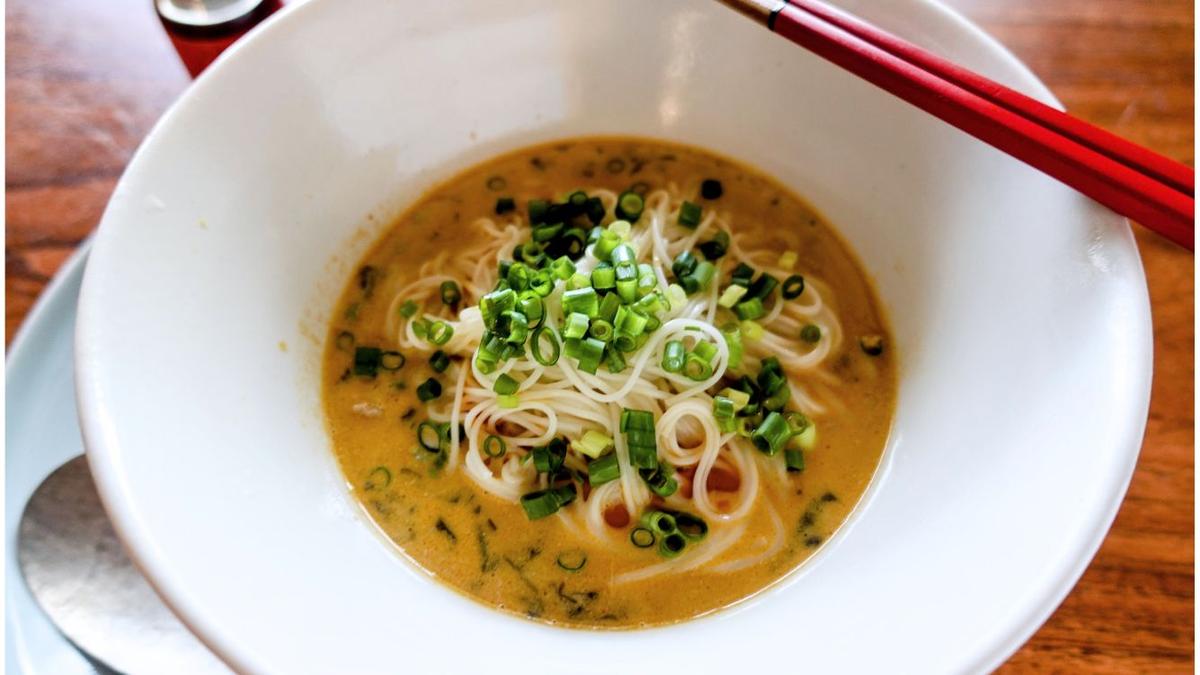
Sweltering humidity and record-breaking heat waves across Japan have sparked an unexpected culinary movement. Home cooks have abandoned bubbling stockpots, turning instead to a refreshing twist on Sichuan comfort food: chilled soy milk dandan noodles. As covered by lifestyle and food outlet ルーミー, the obsession with cold noodles transformed when home cooks started blending unflavored soy milk with tart pickled greens (takana-zuke) and rich sesame paste, establishing a creamy, savory meal that requires almost zero stove time.
What started as a kitchen convenience quickly evolved into a full-scale culinary phenomenon across social video platforms. Professional chefs and viral food creators entered the fray, publishing competing variations that stripped away hours of tedious broth simmering. By reimagining Sichuan street food through the lens of Japanese cold noodles, this trend redefined how home cooks conquer the midsummer slump without breaking a sweat.
📌 Key Takeaways:
- The No-Cook Shift: High heat drove millions of home cooks toward cold, no-sweat broths made simply by whisking cold soy milk with dashi, vinegar, and sesame paste.
- The Viral Catalysts: Culinary powerhouses like master chef Yuji Wakiya and viral creator Ryuji popularized shortcuts ranging from microwaved pork miso to boiling meat directly with somen.
- Kitchen Adaptability: The trend accommodates wheat somen, chewy frozen udon, or traditional ramen, making it one of the most flexible weeknight staples of the year.
How Record Heat Sparked the Chilled Soy Milk Movement
Traditional Sichuan dandan noodles (dandanmian) trace back to walking street vendors in Chengdu, who carried baskets on shoulder-pole rigs (dan) balanced with noodles, savory spiced minced pork, and chili oil. When chef Chen Kenmin adapted the dish for Japanese tastes decades ago, it evolved into a piping-hot, sesame-rich ramen soup. Yet boiling a deeply spiced, chili-laden broth over an open flame during high summer is an exhausting ordeal.
By 2025 and 2026, prolonged summer temperatures made stovetop cooking increasingly unappealing. Home cooks sought dishes packed with protein and electrolytes that would not heat up their apartments. Unsweetened soy milk proved to be the ultimate solution. Rich in plant proteins, smooth, and naturally sweet, it acts as an instant emulsifier when whisked with Japanese soup stocks. Rather than spending four hours rendering pork bone broth, home cooks could produce a silky, full-bodied sesame broth in under sixty seconds straight from the refrigerator carton.
The YouTube Collision: Master Chefs versus Speed-Cooking Creators
The movement caught fire online when traditional master chefs and viral recipe developers collided on YouTube. Veteran Chinese cuisine master chef Yuji Wakiya demonstrated that high-end restaurant technique could be adapted to casual home cooking. On his popular channel, Wakiya revealed a chilled udon preparation featuring an assertive niku-miso-jan (savory pork mince miso) brightened with vinegar, set over a chilled base enriched with rich nerigoma (roasted sesame paste), soy milk, and mayonnaise. His focus on acidity and umami offered a masterclass in balancing summer fatigue.
Almost simultaneously, viral speed-cooking personality Ryuji took the opposite approach: maximum flavor with absolute minimum cleanup. Ryuji discarded conventional rules entirely, urging viewers to drop ground pork directly into the boiling water alongside delicate somen noodles, cooking both simultaneously in a single pot. The drained meat and noodles were immediately plunged into cold water, then dressed with a simple no-cook soup base composed of soy milk, Japanese miso, ground white sesame seeds, and shiro-dashi. The internet embraced both methods. Serious cooks gravitated toward Wakiya's layered profiles, while busy professionals embraced Ryuji's one-pot speed.
| Culinary Approach | Noodle Base | Prep Time | Defining Characteristic |
|---|---|---|---|
| Master Wakiya Style | Sanuki Frozen Udon | 12, 15 Minutes | Vinegar-cut pork miso with mayonnaise-emulsified nerigoma |
| Ryuji Speed Method | Wheat Somen | 4, 6 Minutes | One-pot noodle and pork boil; shiro-dashi and miso base |
| Pickled Greens Variation | Chilled Chinese Soba/Ramen | 8, 10 Minutes | Takana-zuke acidity paired with heavy chili oil (rayu) |
The Chemistry Behind the Golden Ratio Soup Base
The sudden popularity of chilled soy milk dandan noodles stems from food chemistry. Unsweetened soy milk contains natural emulsifiers, particularly soy lecithin, which bind vegetable oils, sesame fat, and water-based stocks together into a unified sauce. When mixed cold, standard dairy milk can curdle or feel unpleasantly cloying. Soy milk holds its structure, providing body without masking subtle aromatics.
Home cooks converged around an easy dandan sauce ratio that delivers reliable balance every time. The foundation requires 200 ml of pure unsweetened soy milk whisked with 1 to 2 tablespoons of nerigoma (or finely toasted ground sesame seeds), 1 tablespoon of mentsuyu or shiro-dashi concentrate, 1 teaspoon of red or white miso, and 1 teaspoon of rice vinegar. The vinegar cuts the dense oiliness of the sesame seeds while tightening the soy milk slightly, producing a texture reminiscent of heavy tonkotsu broth without the simmering time.

Noodle Variations: Somen, Frozen Udon, and Ramen Noodles
Part of this dish's staying power is its adaptability to whatever noodles are already in the pantry. Traditionalists use thin Chinese ramen noodles, boiling them slightly past al dente and shocking them immediately in ice water to maintain snap. This step preserves the springy bite needed to anchor the thick soup.
Casual home cooks favor Japanese somen noodles. Somen cooks in just 90 seconds, making it ideal for scorching summer days. The delicate wheat strands hold onto the creamy sesame broth through capillary action, ensuring that every bite carries enough sauce. Alternatively, microwave-steamed frozen Sanuki udon offers an elastic, chewy texture that holds up against bold savory pork toppings and fiery red chili oil (rayu).
Assembly, Garnishes, and Flavor Customization
Texture is what elevates chilled dandan noodles from a simple cold soup into a complete meal. After the noodles are iced and settled in the broth, cooks crown the dish with savory toppings. The standard topping is pork mince sautéed with ginger, garlic, sweet bean sauce (tianmianjiang), and doubanjiang. Those looking to avoid stove heat often mix ground pork directly with seasonings in a heat-resistant bowl and microwave it for two minutes.
Fresh additions add crisp contrast. Julienned Japanese cucumbers, chopped scallions, and pickled mustard greens cut through the creamy richness. A generous splash of roasted sesame chili oil (rayu), often layered with Sichuan peppercorn oil for a numbing, tingling sensation, supplies vibrant heat without turning the cold meal into a sweat-inducing challenge.
Frequently Asked Questions (FAQ)
Q1: Can I use regular sweetened or vanilla soy milk for this recipe?
A1: No. You must use pure, unsweetened soy milk (labeled mutoujunyu in Japan). Sweetened or flavored soy milk will clash badly with the savory miso, soy sauce, and chili oil.
Q2: Why does my cold soy milk soup look separated or curdled?
A2: Separation happens if high-acid ingredients like vinegar are whisked directly into warm soy milk, or if the sesame paste is not thoroughly integrated first. Mix the sesame paste, miso, and seasoning liquids into a smooth slurry before slowly pouring in ice-cold soy milk.
Q3: How do I store leftovers if I want to meal-prep this dish?
A3: Keep the components separate. Store the whisked soy milk broth in a sealed glass bottle in the refrigerator for up to 48 hours. Keep cooked, seasoned minced pork in a separate container. Always cook, chill, and drain the noodles immediately before serving so they don't turn mushy.
The Evolution of Modern Summer Dining
The viral rise of chilled soy milk dandan noodles reveals how home cooking habits have shifted under intense summer climates. Elaborate broths requiring hours of stovetop heat are no longer practical for weeknight meals. Modern cooks want satisfying, protein-forward comfort food that comes together in minutes.
By blending traditional Sichuan seasoning with everyday Japanese pantry staples, culinary creators provided a blueprint for modern home cooking. Chilled soy milk noodles prove that thoughtful ingredient pairings and smart kitchen shortcuts can deliver restaurant-grade depth with virtually no cooking heat, earning this dish a permanent spot in the contemporary home cooking repertoire.