The Ultimate 2nd Street Haul Playbook: Proven Strategies to Spot Rare Bargains
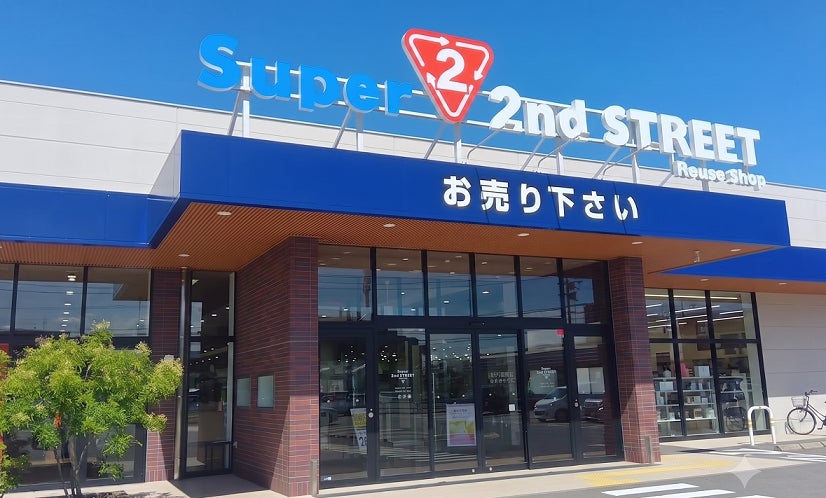
Thrifting through Japan has evolved from a niche hobby into an international treasure hunt, driven by social media showcases of the legendary "2nd Street haul" (known locally as senrihin). Under the stewardship of parent company Geo Holdings, led by President Yuzo Endo, the retail chain has grown far beyond standard secondhand shops into a multi-tiered empire spanning neighborhood outposts, specialized outdoor units highlighted in this Yahoo!ニュース Report, and high-density mega-stores. Collectors, reselling purists, and everyday shoppers sift through these packed aisles daily, chasing luxury garments priced well below global market value.
The thrill of finding pristine Japanese secondhand fashion rests on a systematic retail model. Between rapid trade-in inventory, localized pricing methodologies, and regular retail turnover across nationwide locations, 2nd Street offers a distinct pricing ecosystem. Mastering the hunt requires an understanding of how individual stores classify their inventory, when pricing anomalies slip through intake processing, and how geographic store formats dictate what hits the racks.
📌 Key Takeaways:
- The Tag Decoding Edge: Price tag dates and alphanumeric inspection codes reveal how long an item has sat on the floor, signaling impending clearance markdowns and potential tag errors.
- Format Discrepancies: Massive suburban superstores prioritize volume turnover and often misprice rare archival pieces, while urban flagship outposts enforce rigorous brand appraisal.
- Timing the Intake: Midweek intake drops, typically Tuesday through Thursday mornings, offer the highest concentration of freshly tagged vintage streetwear finds before weekend crowds arrive.
Decoding the Mechanics of Geo Holdings and the Haul Craze
Behind every viral thrift haul sits Geo Holdings, an entertainment and retail conglomerate that built its operational backbone on media rentals before pivoting heavily into reuse retail. Alongside 2nd Street President Tsunaki Ichinohe, corporate leadership has aggressively expanded physical footprints to capture both domestic supply and tourist footfall. By August 2026, the chain's ultra-large store format expanded to 20 locations nationwide, capped by a major complex in Kyushu that set regional square-footage records for secondhand retail.
This massive operational scale creates friction between raw inventory intake and localized appraiser expertise. Store clerks process hundreds of buybacks daily, from corporate worker wardrobes to estate cleanouts. The sheer volume makes human valuation variance inevitable. A regional employee assessing an understated 1990s Comme des Garçons jacket might price it as an anonymous dark wool blazer for ¥2,500, while an obvious luxury monogram bag in the display case receives full market pricing. These appraisal gaps produce the legendary "pricing glitch" items that fuel dedicated hunting trips.
Reading the System: How to Spot Clearance Rack Gems and Price Anomalies
Walking the floor effectively means ignoring visual retail merchandising and zeroing in on the alphanumeric characters printed along the margins of every 2nd Street tag. Each tag displays an intake code showing the date an item passed inspection. When an item lingers past a sixty- or ninety-day cycle, internal store procedures schedule it for automated percentage markdowns, often signified by colored border stickers or progressive discount stamps.
Bargain hunters also watch for intake blind spots. In Japanese fashion forums and lifestyle blogs, shoppers regularly document unearthing rare vintage streetwear finds and curated secondhand apparel on lower clearance racks for mere pocket change. In August 2026, a viral report by Japanese thrifting creator Fukuhana highlighted finding two designer-adjacent garments buried at the back of a sale rack for a combined total of just over ¥1,200. Such pricing anomalies occur because general clearance racks pool together unverified brand names, deadstock domestic labels, and miscategorized archival fashion that store systems fail to flag as high-value assets.
Store Tier Hierarchy: Suburban Superstores Versus Flagship Inventory
Not all 2nd Street locations operate on the same merchandise profile. A store in Tokyo's Harajuku neighborhood will carry racks heavily curated for tourist demand and hype-driven streetwear, with prices calibrated to international secondary markets. In contrast, massive suburban warehouses focus on volume turnover, domestic homewares, and sprawling apparel racks where high-end archive pieces slip through unnoticed. Geo Holdings further bifurcated this landscape in September 2026 by launching a dedicated luxury flagship boutique in Tokyo's Ginza district, designed specifically to capture high-end global buyers seeking verified luxury apparel.
| Store Category | Inventory Focus | Typical Pricing Tier | Bargain Anomaly Probability |
|---|---|---|---|
| Ginza Flagship & Luxury Boutiques | Hermès, Chanel, Rolex, luxury ready-to-wear | 85%, 100% of global market value | Extremely Low (Double-authenticated) |
| Urban Core (Shinjuku, Harajuku, Americamura) | Curated streetwear, vintage denim, popular archive | 70%, 90% of secondary market value | Moderate (Fast turnarounds) |
| Suburban Superstores (Chiba, Saitama, Aichi) | High-volume apparel, outdoor gear, general lifestyle | 30%, 60% of secondary market value | Very High (Frequent intake mislabels) |
| Specialty (2nd Outdoor, Komaki, etc.) | Technical outerwear, camping gear, Snow Peak, Arc'teryx | 50%, 75% of original retail | High on obscure Japanese mountaineering gear |
Understanding this distribution dictates where serious hunters direct their transit cards. Spending entire afternoons in tourist-heavy hubs often yields high visual quality but narrow resale or steep price margins. Venturing 45 minutes outside city centers into prefecture rail corridors brings you to multi-floor superstores where racks stretch dozens of rows deep, vastly increasing the chances of pulling authentic designer grails from standard discount hangers.
Restock Schedules and the Weekly Intake Timeline
Store stocking rhythms govern thrift success far more than luck. Most consumer buybacks occur over weekends when local residents drop off seasonal purges. Processing, sorting, and pricing these garments takes anywhere from 24 to 72 hours depending on store staffing levels.
Consequently, Tuesday mornings through Thursday afternoons represent the optimal shopping window. Racks are replenished with verified goods before the weekend rush strips the floor clean. Visiting on a Sunday afternoon means picking through leftovers that have already been audited by dozens of local flippers and hobbyists. Furthermore, end-of-season inventory rollouts typically launch in late February for spring apparel and late August for fall-winter stocks, producing storewide clearance rounds with tiered discounts scaling from 20% to 50% off ticketed prices.
Authentication Standards and Verifying Archival Streetwear
Japan enforces strict commercial laws regarding counterfeit goods, backed by organizations such as the Association Against Counterfeit Product Distribution (AACD). Geo Holdings trains staff using comprehensive reference databases, making counterfeit luxury leather goods relatively rare inside 2nd Street display cases. However, appraising 1990s and early 2000s archival streetwear presents different hurdles. Niche cult labels, band merchandise, and vintage silhouettes sometimes circumvent standard verification filters.
When inspecting potential gems, evaluate the physical indicators rather than relying solely on store categorization:
Check the inner care tags for Japanese distribution stamps (such as Onward Kashiyama, World Co., or Joyrich import markers), which establish domestic retail lineage. Verify zipper hardware; authentic vintage pieces from brands like Undercover or Number (N)ine predominantly utilize branded YKK or riri zippers with era-correct metallic finishes. If purchasing higher-end archive leather or raw denim, check the tag for an "A" or "B" grading note, which indicates structural wear, hem alterations, or minor staining that can be remedied with standard garment care.
Frequently Asked Questions (FAQ)
Q1: Are the luxury items sold at 2nd Street guaranteed to be authentic?
A1: Yes, parent company Geo Holdings utilizes internal authentication databases aligned with Japanese retail regulations and secondary market oversight bodies. High-tier luxury goods in glass display cases undergo stringent evaluation. However, independent checks on vintage tags and hardware are still advisable for obscure archival streetwear.
Q2: What do the letters and rankings on the price tags mean?
A2: The tag indicates garment condition: "S" represents unused items with original tags; "A" denotes mint condition with minimal wear; "B" indicates normal secondhand wear without major flaws; "C" marks visible staining, fraying, or damage reflected in lower pricing; and "D" flags structural defects or heavily worn items.
Q3: Can overseas visitors claim tax refunds on secondhand purchases at 2nd Street?
A3: Most major urban and high-traffic locations offer duty-free shopping for temporary foreign visitors on purchases exceeding ¥5,000 before tax. You must present an original physical passport with a tourist entry stamp at checkout. Smaller, rural suburban stores may occasionally operate as domestic-only retail without tax-free processing desks.
Navigating Japan's Reuse Racks in 2026
Thrifting across 2nd Street has grown beyond casual bargain hunting into an analytical pursuit that rewards preparation, geographic mobility, and category knowledge. As Geo Holdings continues to diversify its retail portfolio, bridging high-end Ginza flagship luxury with massive regional superstores and specialized outdoor branches, the dynamics of secondhand shopping will keep shifting. Approaching the aisles with an understanding of intake schedules, tag grading, and inventory classifications transforms an ordinary store visit into a repeatable hunt for genuine archival fashion.