The Ultimate Easy Pumpkin Tart Blueprint: No-Fail Crust, Creamy Filling, and Top FAQs
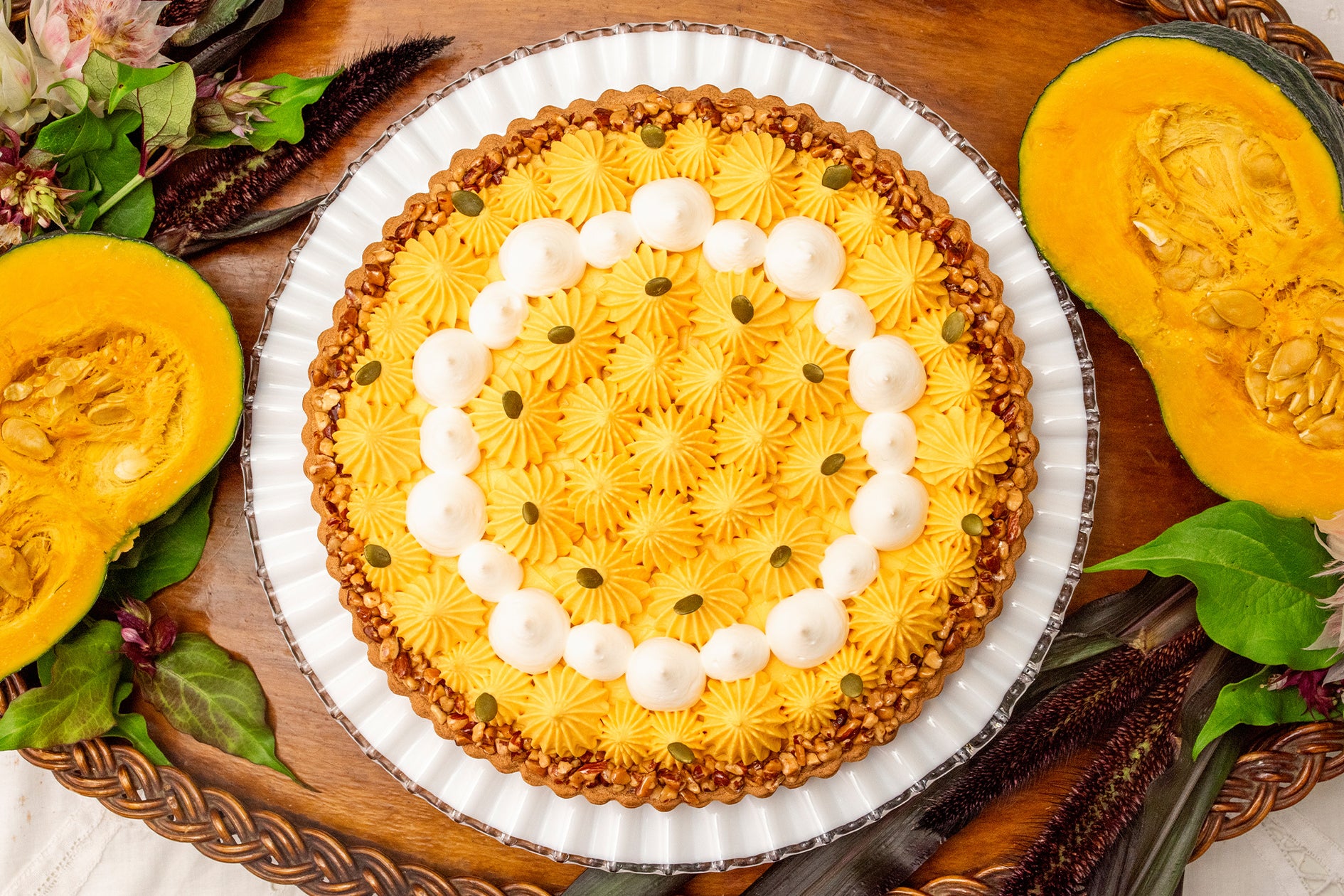
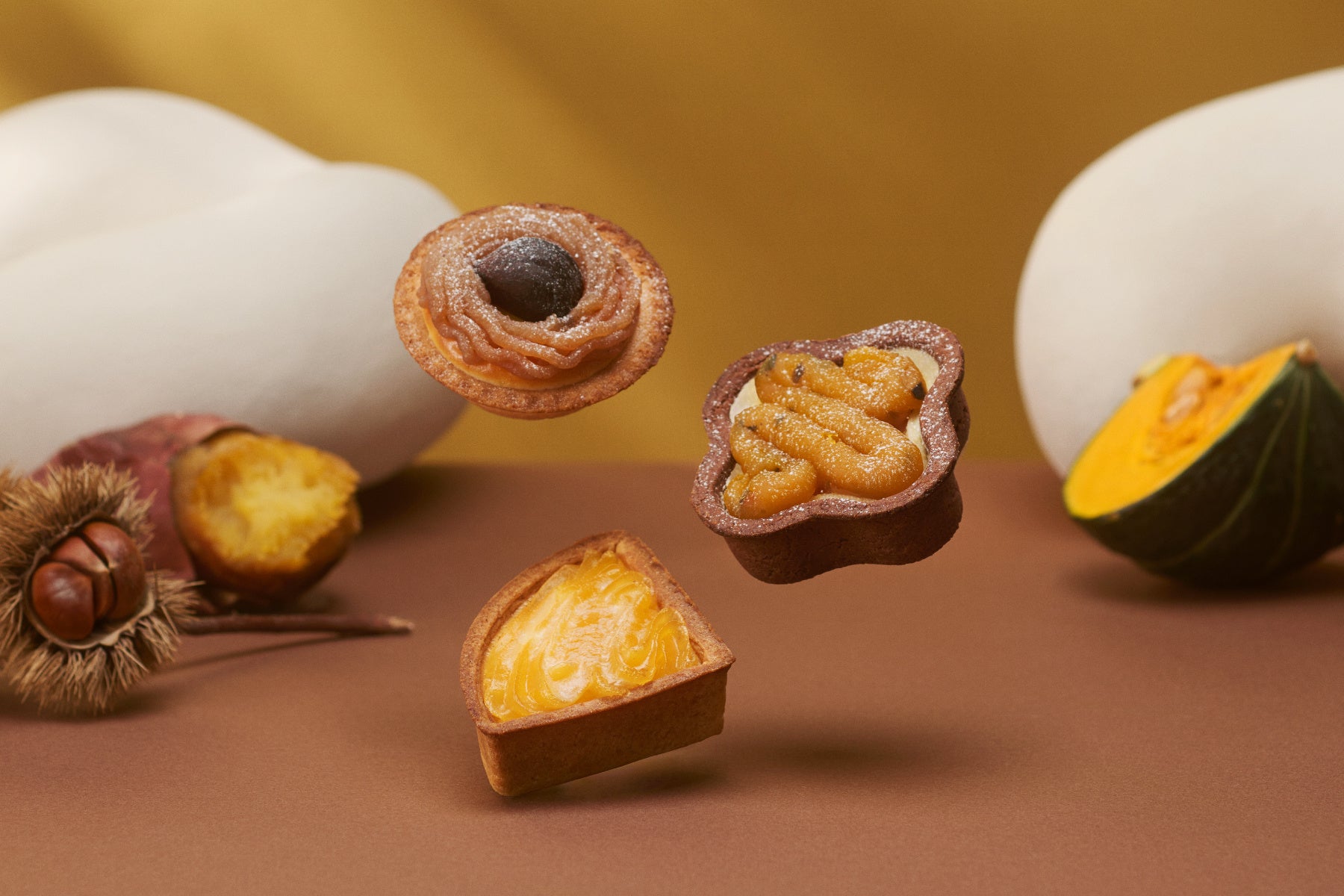
Every autumn, Japanese pastry counters spark an obsession that standard Western pumpkin pies rarely achieve. High-end purveyors elevate the dense, naturally sweet Japanese squash (kabocha) into silky, architectural centerpieces. As detailed in a seasonal PR TIMES Report, boutique patisserie giant Qu'il Fait Bon, directed by CEO Tomoya Ishikawa, builds entire seasonal campaigns around ultra-sweet varieties like Hokkaido’s "Kuririn" kabocha across its boutique locations. Meanwhile, Hokkaido-born bakery chain BAKE Inc., led by CEO Tsuyoshi Nakano, continues to draw daily queues with its autumn seasonal desserts that merge double-baked shortcrust pastry with aerated seasonal squash.
The home baker, however, often meets frustration when trying to recreate these delicacies. Traditional French pâte sucrée demands meticulous temperature regulation, flour dusting, and tedious rolling pins that tear fragile crusts. Standard canned pumpkin puree from Western supermarkets carries excess water, leaving tart shells soaked and bottoms soggy. By rethinking the foundational mechanics, swapping standard pie pumpkins for dense Japanese kabocha squash puree and replacing temperamental rolled dough with a food processor pastry dough or direct press-in method, bakers can achieve patisserie-level precision in their own kitchens without culinary school training.
📌 Key Takeaways:
- Core Mechanism: Japanese kabocha contains roughly 20% less ambient water and substantially more natural starch than standard American sugar pumpkins, yielding a naturally velvety custard without heavy cornstarch thickeners.
- Crust Innovation: A zero-roll press-in method eliminates gluten development entirely, preventing the shrinking and cracking typical of rolled tart shells.
- Pastry Execution: Introducing a subtle cream cheese pumpkin tart layer creates an moisture barrier that keeps the pre-baked tart shell crisp for up to 72 hours.
The Patisserie Influence: Why Kabocha Dominates Modern Autumn Baking
Walk through Ginza or Shinjuku during October, and the display cases make one thing obvious: squash desserts in Japan operate on different structural principles than American pumpkin pie. Western pies lean heavily into evaporated milk, eggs, and an aggressive cocktail of cinnamon, nutmeg, and cloves that masks the vegetable underneath.
The Qu'il Fait Bon style tart flips this dynamic entirely. The vegetable is the centerpiece. Pastry chefs showcase varieties like Miyoi Farm's organic Kuririn kabocha, renowned for a sugar content exceeding 20 brix. Because the vegetable delivers intense natural sweetness and a chestnut-like flavor, the dairy and spice components serve solely to enrich rather than disguise the base puree.
This philosophy also drives the BAKE cheese tart inspiration that swept Asian urban centers. Instead of a loose, jiggly custard poured into raw dough, these tarts rely on two distinct culinary techniques: blind-baking a rigid, biscuit-like shortcrust until deeply caramelized, then filling it with a dense squash and cream emulsion that needs only a brief, high-heat flash bake to set. The result delivers two contrasting textures: a distinct crunch against a velvet-smooth interior.
Mastering the Puree: The Secret to Dense, Velvety Filling
The single most common mistake in making kabocha tarts is boiling the squash. Kabocha flesh absorbs water like a sponge. Submerging cubes in boiling water inundates the cellular walls, guaranteeing a diluted puree that ruins custard stability.
The professional protocol requires dry-roasting or gentle steaming. Halve the squash, scoop out the seeds and stringy pulp, and slice it into uniform 2-inch wedges. Steam with the skin on until a paring knife glides through the center with zero resistance, typically 15 to 20 minutes. Alternatively, microwave wrapped quarters on medium power to evacuate surface steam.
Scrape the vibrant yellow flesh away from the dark green skin while it remains hot. Starch granules release more cleanly when warm, allowing you to pass the flesh through a fine-mesh drum sieve (tamis) or run it through a high-speed blender. The resulting Japanese kabocha squash puree should hold its shape on an overturned spoon. If using canned puree as an emergency substitute, you must spread it across a parchment-lined baking sheet and roast it at 300°F (150°C) for 25 minutes to cook out surplus moisture before proceeding.
Engineering the No-Roll Tart Crust for Zero Shrinkage
Classic pastry making insists on chilling dough, rolling it between floured sheets, and lifting it gingerly into fluted pans. For home bakers, this is where failure begins. Overworking the dough forms gluten networks that cause sides to slump during baking.
A no-roll tart crust recipe solves this problem by treating the shell like a sablé biscuit. By pulsing cold unsalted butter, pastry flour, powdered sugar, and a pinch of fine sea salt in a food processor pastry dough routine, you coat the flour proteins in fat before hydration occurs. The mixture should resemble damp sand.
Instead of gathering the dough into a ball and rolling it flat, dump the loose crumbs directly into a 9-inch loose-bottomed tart ring. Use the flat bottom of a straight-sided dry measuring cup to press the crumbs firmly across the base and up the fluted walls. The pressure compacts the butter-fat matrix without activating gluten.
Chill the pressed pan for 20 minutes in the freezer. When baked, this shell holds its exact geometry without sliding downward, creating a crisp, crumbly shell that shatters cleanly under a fork.
Crust Architecture: From Press-In Doughs to Blind Baking Alternatives
A soggy bottom ruins even the finest spiced pumpkin custard filling. Traditional patisserie methods demand parchment paper and ceramic pie weights to keep dough flat during blind baking. However, kitchen improvisations often yield superior results with far less hassle.
| Method | Oven Temp & Timing | Pros & Structural Integrity | Common Pitfalls |
|---|---|---|---|
| Ceramic Weights (Classic) | 350°F (175°C) for 15, 18 min | Traditional standard; prevents large bubble formation on the crust floor. | Leaves crust edges pale; risk of tearing delicate edges during removal. |
| Sugar-Pack Blind Baking | 350°F (175°C) for 18, 20 min | Granulated sugar distributes weight into every fluted corner evenly. | Requires quality parchment; cheap paper can tear and leak sugar into the butterfat. |
| Dock-and-Freeze (No-Weight) | 375°F (190°C) for 12, 15 min | Fastest setup; docking releases trapped steam without needing weights. | Requires a deep freeze prior to baking; warm dough will puff and lose wall definition. |
| Crushed Biscuit Press-In | 325°F (165°C) for 8, 10 min | Zero flour handling; uses crushed speculoos or graham crumbs with brown butter. | Can turn greasy if the butter-to-crumb ratio exceeds 1:3 by weight. |
For the ultimate pre-baked tart shell tips, always brush the warm base with a beaten egg yolk three minutes before finishing the blind bake. Return it to the oven for 180 seconds. The egg forms an impermeable, glassy protein barrier that stops filling moisture from seeping into the crust.
Balancing the Custard: Fat Ratios and Flavor Pairing
A kabocha custard requires far less structural egg than an open pumpkin pie. Kabocha’s native starch matrix firms up naturally as it cools. If you rely too heavily on whole eggs, the baked tart rubberizes and cracks across the crown.
The ideal formula pairs 300g of smooth kabocha puree with 120ml of heavy whipping cream (36, 40% fat) and 50g of softened, whole-milk cream cheese. The cream cheese adds mild lactic acidity that balances the vegetable's earthiness, providing the signature flavor profile found in Japanese bakery displays.
Whisk one whole egg and one additional egg yolk into the mixture along with 55g of caster sugar or dark muscovado. Avoid heavy pumpkin spice blends that overwhelm delicate squash. Instead, add a bare microplane grating of fresh nutmeg, a quarter-teaspoon of ground cinnamon, and five milliliters of dark rum or vanilla paste. This heavy cream custard ratio guarantees a filling that sets to the consistency of cold ganache, cutting into sharp, glossy wedges.
Pour the mixture into your cooled, pre-baked shell. Bake at 325°F (165°C) for 28 to 32 minutes. The center should retain a slight wobble when gently shaken; ambient heat will finish setting the custard as it cools at room temperature.
Plating and Aesthetic: From Clean Wedges to Seasonal Themes
A finished kabocha tart should celebrate its distinct autumn identity. Once chilled completely for at least four hours in the refrigerator, the surface provides an ideal canvas for seasonal pastry work.
To mirror the display counters of Qu'il Fait Bon, pipe concentric rosettes of lightly sweetened chantilly cream stabilized with a touch of mascarpone around the outer rim. Dust with roasted, pulverized pumpkin seeds or crushed candied pecans for textural contrast.
For bakers looking to create an elegant Halloween pumpkin tart decoration, skip crude food colorings. Instead, pipe three concentric circles of dark chocolate ganache directly onto the warm custard surface, then drag a wooden skewer outward from the center to form a delicate spiderweb motif. Alternatively, dust Dutch-process cocoa powder over custom cardboard cutouts to produce minimalist seasonal stencils.
Frequently Asked Questions (FAQ)
Q1: Can I use standard canned pumpkin puree instead of fresh kabocha?
A1: Yes, but you must reduce the canned puree's moisture content first. Canned pie pumpkin contains significantly more water than Japanese squash. Spread the canned pumpkin across a baking sheet lined with paper towels or roast it in a skillet over low heat for 10 to 15 minutes until it loses a third of its weight and turns paste-like.
Q2: Why did the surface of my pumpkin tart crack while cooling?
A2: Surface fractures happen when the custard is overbaked or cooled too rapidly. Eggs contract sharply when overheated, pulling the custard apart. Pull the tart from the oven while the center four inches still jiggle slightly, and let it cool gradually at room temperature before transferring it to the refrigerator.
Q3: How do I keep the bottom of my tart shell crisp overnight?
A3: Seal the blind-baked shell with a thin egg yolk wash during the final three minutes of par-baking. Ensure both the shell and the custard filling have cooled to room temperature before assembling, and store the finished tart uncovered in the refrigerator to prevent condensation from softening the crust.
Strategic Takeaways for Modern Home Bakers
Modern pastry crafts value structural precision over complicated manual labor. By understanding how the starches in Japanese kabocha behave compared to watery Western pumpkins, home cooks can bypass the gelatin, starch slurries, and heavy stabilizers that compromise home-baked fillings.
Pairing that dense vegetable base with an unworked, food-processor crust delivers a tart with clean edges and zero shrinkage. Whether finished with minimal chantilly rosettes or dressed for autumn celebrations, this refined Japanese kabocha tart brings bakery-case elegance straight to the home kitchen with minimal fuss.