The Ultimate Guide to Boiling Broccoli: Timings, Prep Hacks, and Serving Ideas
Most home cooks ruin broccoli before the water even returns to a rolling boil. They dump unevenly chopped florets into lukewarm water, leave the lid on, walk away, and return to find a sulfuric, drab-olive mush that leaches water across the dinner plate. Professional culinary kitchens treat the brassica family with entirely different mechanics. According to culinary director Junko Maeda of the popular vegetable-focused bento kitchen Uzura, highlighted in an in-depth MSN Report, achieving restaurant-grade vegetable textures requires boiling florets for as little as 50 seconds. Shifting from waterlogged sides to crisp, vibrant greens comes down to knife discipline, precise salinity, and stopping thermal carryover.
Cooking trends in 2026 reflect a broader return to fundamental vegetable technique. Instead of masking overcooked produce under heavy sauces, culinary professionals prioritize high-heat blanching, precise stem prep, and light aromatic coatings that respect the ingredient's natural sweetness.
📌 Key Takeaways:
- The Golden Window: Boiling broccoli florets takes between 50 and 90 seconds; boiling past two minutes breaks cell walls, releasing sulfur gases and dulling colors.
- The Stem Scoring Hack: Cutting a deep cross into thick stalks balances cooking speeds between dense stems and fragile tops.
- Residual Heat Control: Rapid air-cooling on wide trays locks in moisture for lunchboxes, while an ice water bath preserves crunch for salads.
Why Boiled Broccoli Turns Soggy and Dull
The chemistry of brassica vegetables explains why boiling often goes wrong. Broccoli gets its color from chlorophyll, which sits safely inside plant cells until heat disrupts the membranes. During the first 60 seconds of boiling, trapped air escapes from the tissue, intensifying the green hue into an emerald shade. But when exposure exceeds two minutes, organic acids break down chlorophyll into pheophytin, turning the vegetable dull olive green.
Overcooking also activates the breakdown of glucosinolates into unpleasant sulfur compounds, giving off an unmistakable cafeteria smell. Water volume matters just as much as cooking time. When home cooks drop cold vegetables into a small pot, the water temperature plunges below boiling. The florets end up stewing in tepid water rather than flash-blanching, which guarantees a waterlogged texture.
The Prep Work: Knife Skills and the Stem Scoring Hack
Uneven cooking begins at the cutting board. When a single pot contains both massive clusters and tiny crumb-like florets, the small pieces disintegrate before the thick stems soften. A consistent floret cutting technique ensures uniform results.
Instead of hacking through the delicate crowns from the top down, which scatters green beads across the cutting board, flip the head upside down. Slice through the small connecting stems from underneath, letting natural clusters separate cleanly. Cut larger clusters in half by slicing halfway up the stalk with a paring knife and pulling the pieces apart by hand. This keeps the crown canopy intact.
Do not discard the main stalk. The stem contains more natural sugars and dietary fiber than the florets. Slice away the fibrous, woody outer skin until you reach the pale, translucent core. For larger florets with thick stems, use the Japanese chef technique: score a small X-cut into the bottom of each stalk. This cross-hatch incision allows boiling water to penetrate dense fibers immediately, so stems soften at the exact same pace as fragile florets.
Boiling Times, Salinity, and Thermal Control
Precision boiling requires a strict salted water ratio: use 15 grams of coarse kosher salt per liter of water, or roughly 1.5% salinity. Salt is not just a seasoning agent here. It raises water density, seasons vegetable cells through osmosis, and firms pectin chains inside plant cell walls to protect against mushiness.
| Cooking Method & Target | Boiling Time Range | Cooling & Handling Protocol | Best Culinary Application |
|---|---|---|---|
| Ultra-Flash Blanch | 10, 30 seconds | Ice bath shock (30 seconds), drain dry | Wok stir-fries, hot-pot dipping, raw salads |
| The Bento Standard | 45, 60 seconds | Wire rack air-cool; no ice water immersion | Meal prep containers, room-temp lunchboxes |
| Classic Crisp-Tender | 75, 90 seconds | Serve immediately hot; toss with aromatics | Dinner side dish, grain bowls, warm pasta |
| Puree & Soup Base | 150, 180 seconds | Direct transfer to blender or food processor | Veloutés, vegetable pestos, baby food |
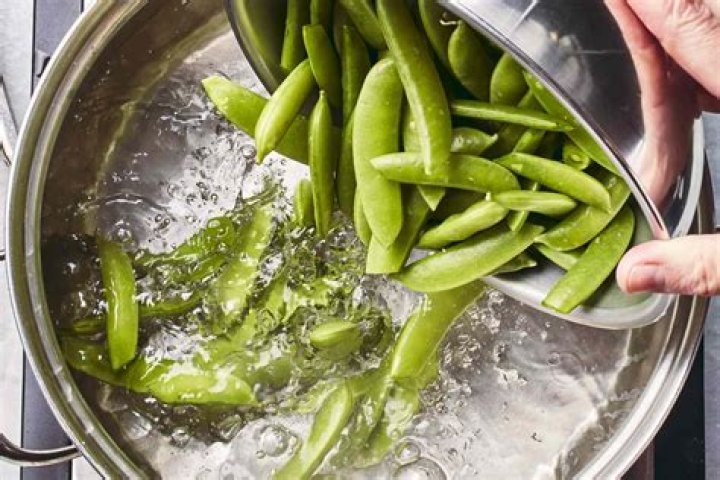
Bring the salted water to a vigorous rolling boil before dropping the vegetables in. Leave the lid off throughout the process. Cooking with an open pot lets volatile organic acids disperse into the air rather than condensing back down, preserving the vegetable's emerald shade.
Cooling Strategy: Ice Baths Versus Air Racks
Most cooking guides recommend dropping boiled vegetables straight into an ice bath. While this shock stops thermal carryover instantly, it creates problems for certain preparations. Florets act like dense sponges. Submerging them underwater fills the canopy with moisture that dilutes dressings and makes lunchbox items soggy.
Bento professionals use a different method. Spread the hot florets across a wide stainless-steel wire rack or rimmed baking sheet in a single layer right out of the pot. Residual steam evaporates into the air within two minutes, cooling the vegetable while leaving its surface dry. This surface dryness helps oil-based seasonings, vinaigrettes, and dressings cling tightly to the buds.
Save the ice bath for crisp cold salads. Submerge the florets for just 30 seconds in ice water, pull them out immediately, and run them through a salad spinner or dry them thoroughly on cloth towels.
Chef Finishing: Seasoning Blends and Bento Prep
Boiled broccoli needs little embellishment when timed properly. Renowned Japanese home-cooking author Kazuo Hida champions a simple approach: toss hot, drained florets with pure toasted sesame oil and coarse sea salt. The hot surface absorbs sesame aromas instantly while locking in moisture.
For meal prep and salads, toss warm florets with toasted sesame oil, grated garlic, cracked black pepper, and toasted white sesame seeds for a Korean namul-inspired side. For Mediterranean dishes, toss warm florets with extra-virgin olive oil, fresh lemon zest, thinly shaved pecorino, and red chili flakes. The residual heat melts the cheese slightly, creating a glossy emulsion that sticks to the florets without a heavy sauce.
Frequently Asked Questions (FAQ)
Q1: Should I put broccoli in cold water and bring it to a boil, or drop it into boiling water?
A1: Always drop broccoli into rapidly boiling water. Starting with cold water exposes the vegetable to prolonged moderate heat, softening pectin before the water boils and turning the florets waterlogged and mushy.
Q2: Why does my boiled broccoli taste bitter?
A2: Bitterness comes from overcooking brassica glucosinolates or under-salting the water. Maintain a 1.5% salt concentration in the water and keep boiling times under 90 seconds to preserve natural sugars.
Q3: How long will properly blanched broccoli keep in the refrigerator?
A3: Air-cooled, fully dried broccoli keeps well in an airtight glass container lined with a dry paper towel for 3 to 5 days. Avoid dressing the florets with acid or vinegar until just before serving, as acids turn chlorophyll olive brown over time.
A Mastered Kitchen Basic
Treating broccoli with proper technique turns an everyday vegetable into a standout side dish. Uniform floret sizes, cross-cut stems, salted boiling water, and strict cooking timers replace soggy greens with crisp, vibrant florets. Mastering these small details elevates home cooking, delivering clean, restaurant-quality results every time.