The Ultimate Guide to Hot and Sour Cup Noodles: Brands, Hacks, and Pairings

A sharp wave of acidity hits first, followed by white pepper heat that catches in the back of the throat. Within seconds, a floral tingle numbs the tongue. Across convenience store aisles in Tokyo and import grocery shelves worldwide, hot and sour cup noodles, known natively as suan la tang, have evolved from a niche Sichuan culinary staple into one of the most technical subgenres of instant ramen. What began as a standard soup base has turned into an arms race of starch chemistry, aged vinegars, and regional chili oils. As documented in a recent MSN Report on emerging consumer food trends, the surge in popularity of sour-and-numbing profiles reflects an appetite for complex broths that ditch generic salt bombs in favor of layered, restorative acidity.
(Source: MSN: "カップ麻辣湯好き注目♡酸辣湯の旨辛新作でヘルシー満足ランチ")
📌 Key Takeaways:
- The Flavor Profile: Authentic suan la tang cup formulations rely on a precise equilibrium between Chinese black vinegar, white pepper, and red chili rather than blunt hot sauce burn.
- Noodle Architecture: Manufacturers are pivoting away from deep-fried wheat towards non-fried noodles and wide sweet potato glass noodles to lock in thick, gelatinous broth.
- The DIY Culture: The community phenomenon of "oimeshi", dumping warm rice into leftover spicy and sour broth, has transformed single-serve cups into multi-course meals.
The Evolution of Tang and Numbing Heat in Convenience Aisles
Instant noodles spent decades locked in predictable iterations of soy sauce, pork bone tonkotsu, and miso. That mold cracked when manufacturers realized that younger consumers, fatigued by heavy animal fats, actively sought clean, sharp flavors with functional benefits. Suan La Tang instant noodles offer an entirely different sensory architecture. The heat does not stem exclusively from capsaicin; it pulls equal weight from ground piperine and Sichuan numbing pepper, generating a vibration that lifts the heavy broth.
The culinary history matters here. Traditional Chinese suan la tang relies on vinegar added off the flame to preserve its bright volatile aromatics. For food scientists at major Japanese and regional noodle processors, bottling that freshness inside a dehydrated cup was a genuine packaging nightmare. Early 2000s cup attempts produced dull, flat soups because industrial heat treatment degraded the vinegar's volatile acetic compounds. Modern iterations overcome this by sealing concentrated liquid vinegar packets containing Zhenjiang-style Chinese black vinegar, instructing eaters to tear and stir them in only after the noodles fully hydrate. The result is an explosive aromatic bloom that mimics restaurant-quality preparation.
Decoding the Titans: Myojo Chuka Zanmai vs. Allied Corporation Shibire-O
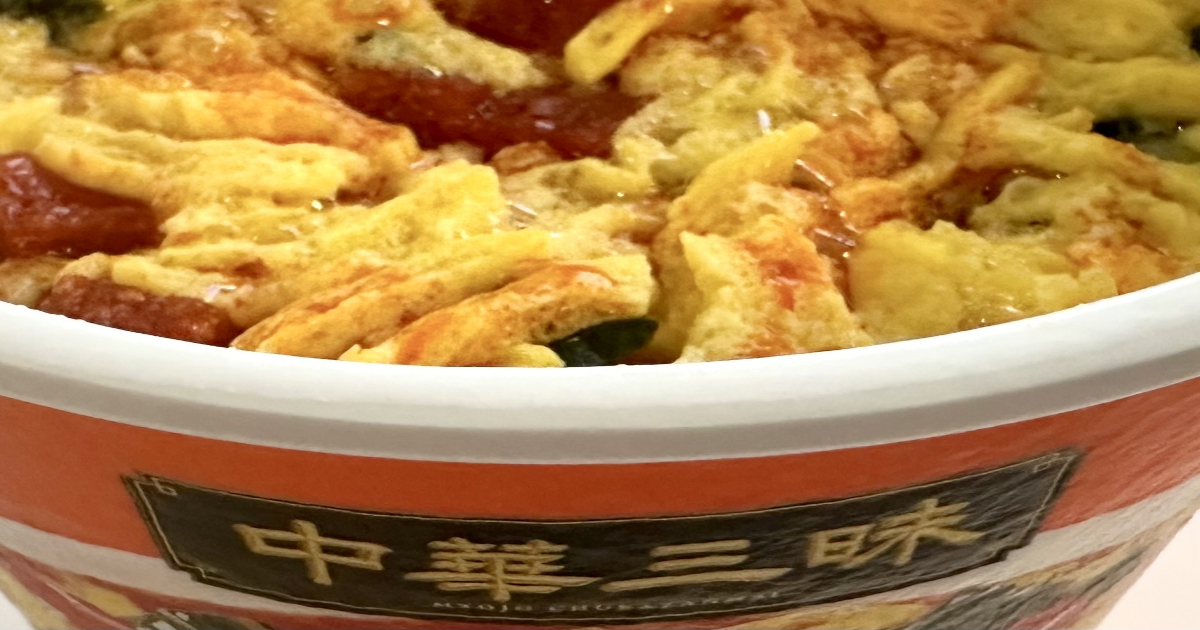
Two distinct philosophy camps now dictate the hot and sour cup noodle market: Japanese culinary elegance and unapologetic Sichuan intensity. On one side sits Myojo Foods, which disrupted the premium category back in 1981 with its Chuka Zanmai lineup. Its flagship Myojo Chuka Zanmai tomato suan la tang pairs a rich chicken and scallop base with the natural glutamates of concentrated tomato paste. The tomato acidity dovetails seamlessly into the vinegar tang, softened by silky ribbons of freeze-dried egg. The broth clings tenaciously to non-fried, firm wheat strands, presenting a smooth, refined bowl that tastes closer to a Ginza banquet hall than an office desk lunch.
On the opposite end of the spectrum is the newly escalated numbing movement. Allied Corporation, a Yokohama-based import and manufacturing powerhouse led by President Yusuke Ujiie, broke conventions by releasing the Sichuan Cuisine Shibire-O Cup Suan La Tang on May 1, 2026. Following their viral success with mala spicy cup noodles, Allied Corporation Shibire-O deliberately abandoned traditional wheat entirely. Instead, they loaded the cup with chewy, translucent sweet potato glass noodles cut into broad flat ribbons. This cup strips out Japanese sweetness, doubling down on white pepper bite, dried chilies, and a tart, throat-clearing vinegar punch. It delivers an unvarnished street-food experience that targets the dedicated low-calorie noodle soup demographic without dialing back the spice.
Instant Noodle Benchmark: Comparing Modern Suan La Tang Cups
To understand how formulations, starch types, and caloric payloads stack up across the category, the following data illustrates the structural differences between dominant commercial offerings and classic benchmarks.
| Brand & Product Name | Noodle Base & Texture | Acid & Spice Engine | Caloric Density |
|---|---|---|---|
| Myojo Chuka ZanmaiTomato Suan La Tang | Non-fried wheat noodles (firm, springy) | Brewed grain vinegar, tomato umami, chili oil | 290, 330 kcal |
| Allied Corp Shibire-OCup Suan La Tang | Sweet potato glass noodles (flat, gelatinous) | Sichuan numbing pepper, white pepper, dark vinegar | 160, 210 kcal |
| Standard Japanese Convenience Brand(PB Hot & Sour Cups) | Flash-fried wheat noodles (soft, porous) | Powdered acidity regulators, mild red chili flakes | 360, 420 kcal |
Kitchen Counter Engineering: The Best Instant Ramen Soup Hacks
The factory seasoning in hot and sour cups provides an exceptional foundation, but true enthusiasts rarely consume them straight out of the box. Serious instant ramen soup hacks rely on manipulating liquid viscosity and thermal retention.
Because instant suan la tang broths contain pre-gelatinized potato or cornstarch that thickens when boiling water hits the cup, temperature control is paramount. Pour water at a rolling 100°C rather than lukewarm office dispenser water; failing to hit near-boiling temps prevents the starches from uncoiling, leaving you with thin, watery broth instead of a clingy glaze.
To elevate a standard cup in under thirty seconds, keep these three strategic pantry additions within reach:
The Black Vinegar Boost: Most cups temper their sourness for mass palates. Adding a half-teaspoon of aged Chinese black vinegar (Chinkiang) restores malty depth and sharpens the nose without adding sodium.
The Raw Yolk Drop: When you open the lid after steeping, do not stir immediately. Crack a fresh egg yolk straight into the center, spoon the scalding noodles over it, and allow the latent heat to temper the egg into a rich, velvety custard that tames erratic pepper spikes.
The Rice Pairing Hack (Oimeshi): Championed across Japanese food forums and highlighted by food publications covering Myojo's product lines, this step is non-negotiable. After slurping all the noodles, never discard the thick, spicy and sour broth. Drop a small scoop of warm, leftover white rice directly into the dregs. The grains soak up the starch-thickened vinegar gravy, turning the final minutes of your meal into an unctuous, restaurant-caliber risotto.
Nutritional Realities of Low-Calorie Glass Noodles vs. Fried Wheat
Marketing departments frequently frame glass noodle suan la tang cups as harmless diet foods. While the calorie math holds up on paper, context matters. Starch is still starch. Translucent noodles made from sweet potato starch or mung bean flour do bypass the high saturated fats introduced by deep-frying wheat dough, slashing overall calories from roughly 380 kcal down to 180 kcal. That makes cups like Allied Corporation's Shibire-O an undeniably effective option for a lighter workday lunch.
The trap lies entirely in the sodium column. To carry sharp acid profiles against tongue-numbing heat, food chemists must boost the sodium baseline; otherwise, the broth tastes sour and hollow. A single cup of hot and sour soup often contains between 1,800 mg and 2,400 mg of sodium, approaching or exceeding recommended daily thresholds. If your goal is metabolic balance, enjoy the chewy snap of sweet potato glass noodles, slurp the broth for flavor, but leave at least a third of the liquid in the bottom of the cup if you skip the rice hack.
Frequently Asked Questions (FAQ)
Q1: Why do some hot and sour cup noodles taste radically more sour than others?
A1: It comes down to packaging delivery. Cheaper cups rely on powdered citric or malic acids mixed directly into the dry seasoning, which yields a flat, chalky tartness. Premium brands pack liquid pouches containing authentic brewed grain vinegars or Zhenjiang black vinegar, which deliver aromatic acetic punch without bitter chemical aftertastes.
Q2: Can I substitute ordinary white distilled vinegar if my cup isn't sour enough?
A2: Avoid plain white vinegar; its blunt 5% acetic acid profile cuts right through the soup base and overpowers the delicate chicken or seafood stock. Reach instead for unseasoned rice vinegar, apple cider vinegar, or preferably Chinese black vinegar to preserve savory balance.
Q3: How do sweet potato glass noodles behave differently in instant cups compared to wheat?
A3: Sweet potato noodles do not shed starch into the water while steeping, so your broth remains crisp and distinct. They also possess immense elasticity, meaning they will not turn mushy or bloat if left sitting for six to eight minutes, making them far more forgiving of steep-time errors than delicate wheat strands.
The Maturation of Complex Convenience Broths
The explosive rise of hot and sour cup noodles signals an undeniable shift in everyday culinary expectations. Convenience food shoppers are no longer satisfied by monotonous salt-and-fat profiles engineered for broad accessibility. Instead, consumers actively reward brands willing to introduce challenging regional profiles: the mouth-numbing prickle of Sichuan peppercorn, the umami-rich ferment of aged black vinegar, and the unapologetic chew of broad sweet potato glass noodles. Whether you reach for the balanced, tomato-laced comfort of Myojo Chuka Zanmai or the electrifying, low-calorie punch of Allied Corporation's Shibire-O, the humble instant noodle cup has permanently graduated from a late-night compromise into a showcase of thoughtful broth chemistry. Keep an extra portion of cold rice ready; you are going to need it.