The Ultimate Guide to Skin-Tone Fleece Tights: Sizing, Care, and Tone Matching
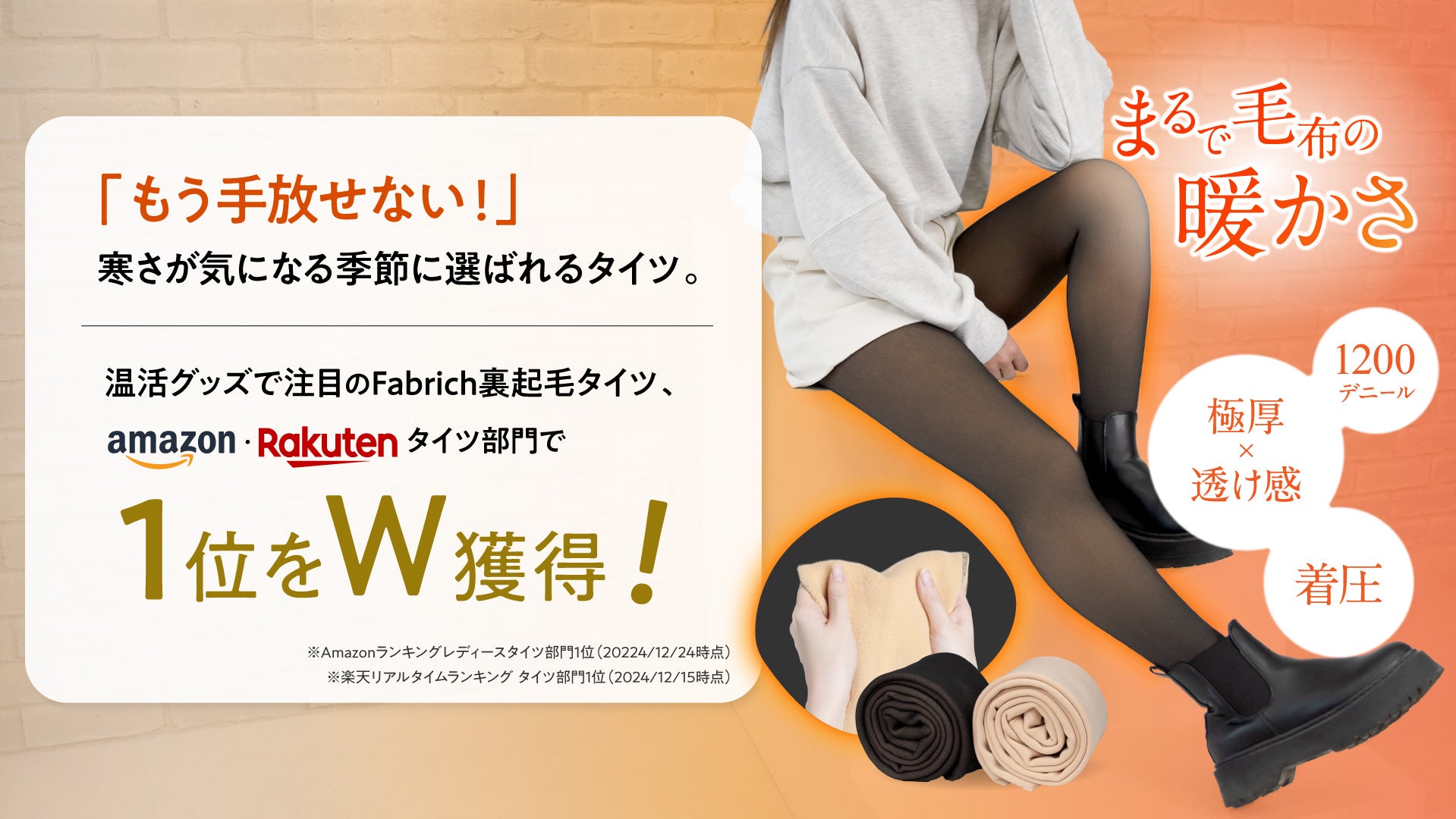
Sub-zero winter mornings have long forced a frustrating sartorial compromise: endure freezing temperatures in sheer 20-denier stockings or surrender personal style to heavy thermal long johns. That calculus shifted dramatically across East Asian textile labs before sweeping Western wardrobes. The rise of engineered skin-tone fleece tights, often sold as fake translucent tights, has turned cold-weather dressing on its head by delivering substantial thermal insulation disguised as bare skin. According to market data highlighted in a PR TIMES Report regarding Osaka-based apparel innovator Extage and its flagship brand Fabrich, consumer demand for functional thermal wear ("onkatsu") that preserves aesthetic freedom has surged season over season, prompting major legacy hosiery houses to overhaul their cold-weather product lines.
The garment is essentially a dual-layered optical illusion. Inside sits an ultra-dense, brushed microfiber lining designed to trap body heat against the skin. Outside lies a high-tension nylon-spandex sheer illusion fabric that stretches over the plush base, replicating the delicate shading of natural legs under light. Japanese industry stalwarts like Atsugi Co., led by President Shinji Nikko, have pushed this textile category even further with specialized releases like their Mofcomfort brushed rib series, proving that consumers no longer view thermal legwear as utilitarian underwear. They view it as precision fashion engineering.
📌 Key Takeaways:
- The Mechanics: Skin-tone fleece tights use a dual-layer composite of brushed thermal plush and tinted sheer nylon to mimic bare skin while maintaining sub-zero warmth.
- The Sizing Secret: Garment weight (measured in grams, from 120g to 350g) offers a more reliable metric for warmth and thickness than traditional denier ratings.
- The Fit Challenge: Choosing the wrong undertone causes an ashen or hyper-saturated aesthetic, while poor foot transitions trigger unsightly ankle bunching.
The Optical Illusion Behind Sheer Illusion Fabrics
The illusion relies on refraction and skin mimicry. Standard opaque fleece tights look flat and heavy because their surface absorbs and diffuses light uniformly. They declare their presence immediately. Fake translucent tights eliminate this visual density by bonding two distinct materials together during manufacturing.
The interior layer consists of a high-density, napped polyester or microfiber fleece, tinted in warm or neutral flesh tones. The exterior layer is an ultra-fine, dark or translucent nylon weave. When you pull the garment on, the outer dark mesh stretches over the beige interior plush. Where the fabric curves over muscle contours, such as the shin, knee, and calf, the outer weave opens up, allowing the lighter base to shine through. This dynamic contrast creates the exact chiaroscuro effect of natural skin showing beneath a delicate 15-denier or 20-denier pantyhose.
The result is warmth without bulk. You achieve the thermal rating of a winter parka lining across your lower body while visually presenting a lightweight evening silhouette. Early iterations from 2020 often felt stiff, turning legs into rigid cylinders. Contemporary 2026 formulations blend four-way stretch elastane directly into the inner knit, allowing the fabric to expand across joints without fracturing the outer color profile.
Demystifying Denier Thickness and Thermal Insulation
Shoppers often stumble over technical terminology when purchasing thermal legwear online. Traditional hosiery uses denier, the linear mass density of fiber in grams per 9,000 meters, to describe yarn thickness. A sheer stocking sits at 15D to 30D, while an opaque winter tight sits at 80D to 120D. When fleece tights market themselves as "1200D" or "2000D," the numbers are creative marketing rather than strict textile measurements.
The hosiery manufacturing sector increasingly relies on total fabric weight in grams to define insulation tiers. A lightweight fleece tight weighs approximately 120g to 150g, offering moderate wind blocking suitable for brisk autumn days. Heavy mid-winter pieces span 220g to 350g, deploying deep-pile interior fleece capable of withstanding temperatures well below freezing.
| Weight Class | Temperature Comfort Range | Visual Density Equivalent | Ideal Styling Application |
|---|---|---|---|
| Lightweight (80g, 140g) | 10°C to 18°C | 30D, 50D Semi-Sheer | Transitional spring/autumn trench coats, pleated skirts |
| Midweight (200g, 260g) | 0°C to 10°C | 60D, 80D Natural Illusion | Standard winter commuting, tailored wool dresses |
| Heavyweight (300g, 360g) | -10°C to 0°C | 80D+ Deep Translucency | Extreme cold, outdoor holiday markets, heavy wool overcoats |
Choosing the correct weight prevents overheating on standard commutes. A 320g garment keeps you warm on an icy train platform, but ten minutes inside an aggressively heated department store will make you regret the choice. For urban environments featuring regular transitions between indoor heating and brisk sidewalks, 220g represents the practical sweet spot.
Solving the Undertone Dilemma: Cool, Warm, and Neutral Matching
Nothing ruins the illusion faster than an unnatural undertone. Poorly calibrated fleece tights leave the wearer looking jaundiced, gray, or artificial under fluorescent store lighting. When personal color stylists evaluate nude fleece hosiery, they focus entirely on skin-tone matching against the neck and hands rather than the covered thigh.
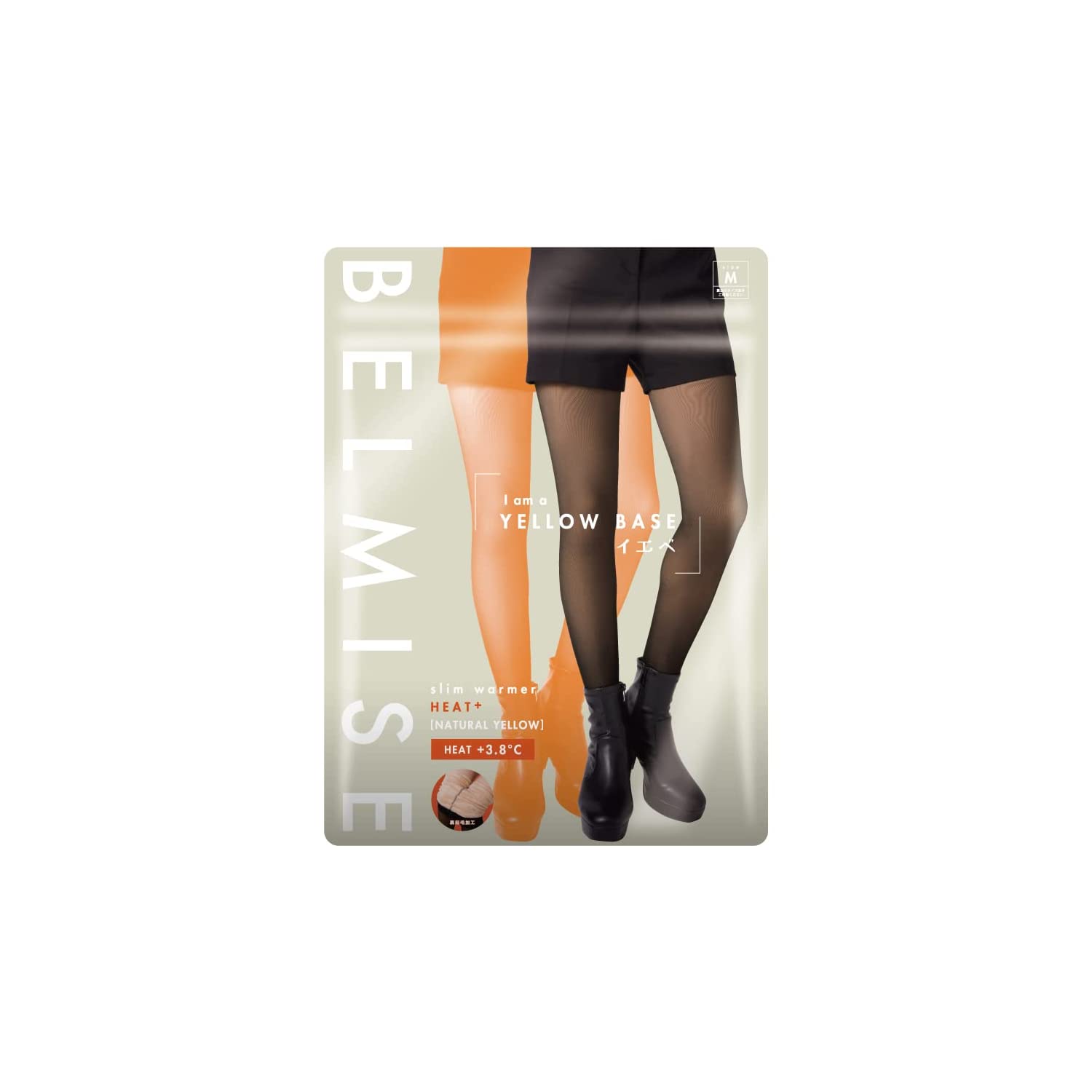
Skin undertones split into three foundational groups: cool, warm, and neutral. Cool complexions feature pink, rosy, or bluish undertones. Pairing cool skin with a standard golden-tan fleece tight creates an obvious disconnect with your natural skin tone. If your veins show blue-purple and silver jewelry complements your skin, look for shades designated as "Natural Gray-Beige," "Porcelain," or "Rose-Nude." These garments temper yellow pigments with cool gray and pink dyes.
Warm complexions lean golden, peachy, or olive. Veins appear olive-green, and gold jewelry harmonizes effortlessly. For this profile, search for "Honey," "Camel," or "Warm Sand" labels. The inner plush must provide enough golden depth to prevent the sheer outer mesh from casting a muddy shadow. If your complexion sits comfortably in the neutral middle, prioritize balanced "Oatmeal" tones that avoid extreme yellow or pink dyes.
Always inspect the garment in indirect natural daylight. Indoor retail illumination masks strong undertone flaws that become instantly noticeable once you step out into morning light.
Engineering the Perfect Fit: Compression and Ankle Bunching Prevention
The primary engineering challenge of high-grammage hosiery is excess fabric. Thick fleece tends to gather wherever the body bends. The anterior ankle joint is the main trouble spot: excess material pools in horizontal ridges, breaking the silhouette and giving away the disguise immediately.
Manufacturers resolve this through targeted compression fit patterns and hybrid foot designs. Premium models stop the interior fleece lining approximately two to three inches above the malleolus (the ankle bone). From that transition point down through the footbed, the garment drops the plush layer entirely, converting into a standard 40-denier high-elasticity nylon weave. This eliminates bulk inside close-fitting loafers or ankle boots while keeping the footbed breathable.
To avoid ankle bunching when wearing continuous fleece designs, apply graduated upward tension during dressing. Never roll up thermal tights and shove your foot straight through the toe box. Instead, scrunch the leg fully, position the heel cup securely over the calcaneus, and pull the fabric upward in three-inch increments across the calf and thigh. Setting the tension evenly distributes the elastane, preventing excess fabric from settling around the lower leg.
Winter Skirt Styling: Blending Heavy Textures with Sleek Silhouettes
Mastering winter skirt styling comes down to balancing structural weights. When wearing dark, heavy materials like Melton wool, bouclé, or stiff corduroy, ordinary sheer pantyhose can look visually ungrounded. The physical fragility of standard nylon clashes against heavy winter outerwear.
Skin-tone fleece tights bridge this aesthetic gap seamlessly. Their fake translucent effect provides the visual lightness of bare legs, brightening darker seasonal outfits without leaving you freezing. Pairing a charcoal tweed mini skirt with an oversized cashmere crewneck and sheer illusion tights creates a crisp visual rhythm. The silhouette stays sleek, while the concealed thermal plush provides all-day insulation.
Footwear pairings require deliberate thought regarding the ankle hemline. Knee-high leather riding boots and structured combat boots work best because the boot shaft naturally conceals the lower ankle seam. If you prefer low-cut loafers or classic court pumps, seek out "stirrup" or seamless-transition fleece variants where the foot junction sits entirely within the shoe cavity.
Preserving the Knit: Garment Care Guide for Pilling Resistance
The complex multi-layer construction that makes skin-tone fleece tights so practical also leaves them vulnerable to snagging and friction damage. The exterior nylon weave relies on fine filament yarns that can pill when rubbed continuously against abrasive textures like coarse wool coats, suede boot linings, or unpolished wooden chairs.
Protecting the fabric requires a strict garment care routine. Never toss fleece tights directly into an open wash drum. Metal zippers, bra clasps, and rough denim will shred the outer sheer mesh during agitation cycles. Follow these preservation steps to maintain pilling resistance across multiple seasons:
Turn the tights completely inside out before cleaning. This protects the delicate sheer exterior while allowing the detergent to reach the inner plush, which absorbs skin oils and perspiration. Place the reversed tights inside a structured mesh wash bag. Wash using cold water (never exceeding 30°C) on a delicate or wool cycle using mild liquid detergent. Fabric softeners should be avoided: the silicone compounds within conventional softeners coat elastane fibers, weakening their elasticity and causing the waistband to sag over time.
Never place fleece hosiery in a mechanical tumble dryer. High thermal cycles degrade synthetic spandex, causing the elastic knit to stretch out permanently and triggering ankle creases. Gently press excess water out using a clean cotton towel, reshape the leg length flat, and hang the garment out of direct sunlight.
Frequently Asked Questions (FAQ)
Q1: Why do some nude fleece tights look gray or yellow under natural sunlight?
A1: This mismatch occurs when the interior fleece color fails to match your skin's natural undertone, or when the outer sheer mesh is too dark. To fix this, cool skin tones should look for gray-beige or rose-tinted fleece linings, while warm complexions need peach or honey-tinted bases. Always assess the tights near an outdoor window before removing the packaging tags.
Q2: How can I stop fleece tights from slipping down at the crotch during long walks?
A2: Sagging happens when the vertical stretch is maxed out by torso height, or when the fabric lacks graduated compression. Purchase a size based on height rather than waist circumference. When putting the tights on, pull the material taut from the ankle upward in small stages. To lock the waistband securely in place, wear a snug pair of high-rise seamless underwear directly over the tights.
Q3: Will the thick fleece footbed make my winter boots feel uncomfortably tight?
A3: Yes, continuous heavy fleece lining can easily shrink shoe space by half a size. To avoid cramped toes, select designs featuring "stepless footbeds" or "sheer feet." These styles run plush fleece down the leg to the ankle, then switch to a thin, unlined nylon weave across the foot, leaving your shoes fitting normally.
The Evolution of Cold-Weather Hosiery
The rapid rise of skin-tone fleece hosiery marks a shift in how we approach functional clothing. Winter fashion no longer demands a stark choice between bulky thermal layers and shivering through the cold. Instead, advances in multi-layer bonding and micro-pile knitting have turned hosiery into an invisible layer of defense against freezing weather.
As manufacturing techniques continue to mature, shade ranges are steadily broadening beyond basic tan and beige to suit a wider array of global complexions. At the same time, improved yarn spinning keeps reducing bulk while boosting thermal efficiency. Choosing the right undertone, matching the fabric weight to the local weather, and laundering the material carefully lets you navigate sub-zero winters in style, leaving everyone else wondering how you are braving the cold bare-legged.