The Ultimate Konbini Onigiri Weight Guide: Grams, Fillings, and Best Value Comparisons
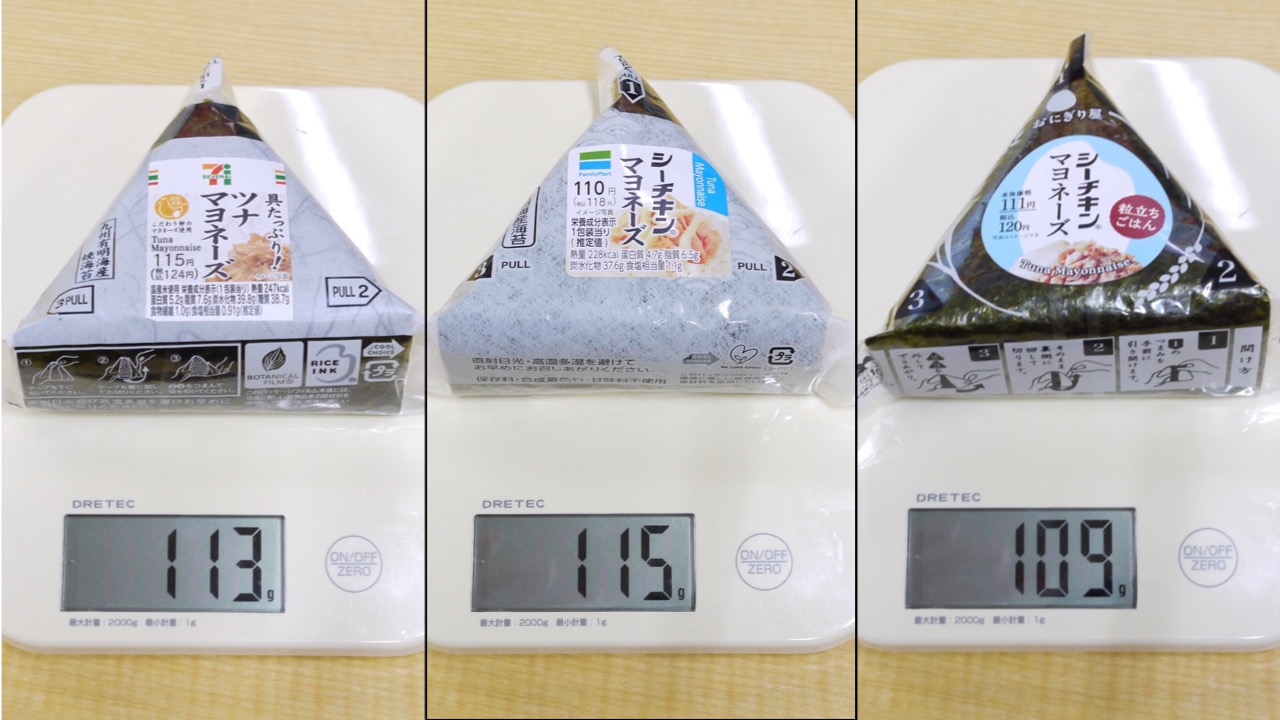
Walk into any Japanese convenience store at 7:30 AM, and the triangular display shelves tell a quiet economic story. For decades, the humble konbini rice ball served as Japan's ultimate culinary bargain: portable, dependable, and priced comfortably near a single 100-yen coin. That bargain has frayed. Following widespread shelf price revisions that pushed standard offerings beyond the 200-yen mark, Japanese consumers have begun scrutinizing the physical heft of their breakfast. As highlighted in a recent MSN Report examining supermarket competition, shoppers are running the numbers before reaching for the shelf.
📌 Key Takeaways:
- Baseline Metric: A standard convenience store triangle onigiri weighs between 100 and 115 grams, containing approximately 80 to 95 grams of cooked rice alongside 10 to 15 grams of filling.
- Chain Differences: FamilyMart leads slightly in regular triangle heft at 110, 115 grams, while 7-Eleven prioritizes premium rice density and Lawson commands the hand-rolled luxury segment.
- Value Shift: With standard items crossing ¥180, ¥210, discount supermarkets like Gyomu Super sell comparable 100-gram portions for ¥105, sparking widespread cost-per-gram recalculations across Japan.
Standard Triangle Rice Ball Grams: Establishing the Baseline
Consumer kitchen scales consistently reveal clear manufacturing benchmarks. A regular, film-wrapped triangle onigiri (known as temaki) purchased at 7-Eleven, Lawson, or FamilyMart registers an average gross weight between 100 and 115 grams. Strip away the crisp nori seaweed and the outer packaging, and the net edible yield hovers predictably around 105 grams.
To picture that volume, compare it to a standard domestic rice bowl (chawan). A modest serving of home-cooked white rice weighs roughly 150 grams. A single store-bought rice ball represents roughly two-thirds of an average domestic bowl.
Energy yields align with these weights. A plain salt musubi (shio-musubi) of 100 grams provides approximately 170 kilocalories. Once fatty tuna mayonnaise (tsuna-mayo) enters the core, total energy climbs to 210, 240 kilocalories, despite total weight remaining almost unchanged. The calorie surge stems from soybean oil and emulsified egg yolk rather than extra grain.
The Big Three Portion Showdown: 7-Eleven, Lawson, and FamilyMart
Every major retail chain relies on automated forming machinery, yet their final tolerances differ noticeably.
7-Eleven onigiri grams: Seven-Eleven Japan targets consistency through its proprietary grain-handling plants. Its standard film-wrapped salmon (shake) and tuna mayonnaise items land between 103 and 108 grams. 7-Eleven packs its grains loosely to mimic human hand pressure, which yields a lighter bite despite substantial mouthfeel. Its gourmet "Genshun" branded line stretches slightly larger, averaging 112 to 118 grams.
FamilyMart rice ball portion size: FamilyMart routinely scores highest on raw mass among regular budget triangles. Standard offerings frequently test between 110 and 116 grams. Their value-focused seasoned rice items (maze-gohan) occasionally hit 120 grams.
Lawson onigiri weight comparison: Lawson splits its inventory into two distinct operational tiers. Its standard blue-label triangles weigh 102 to 107 grams. Meanwhile, its premium "Kinshari" (Golden Rice) series trades portion bulk for higher grade Koshihikari grains, settling at 105 to 110 grams. Lawson's store-made "Machikado Chubo" line breaks from factory standards entirely, using in-house rice warmers to produce hearty 130 to 145-gram portions that justify higher sticker tags.
The Gram-for-Gram Breakdown: Weight, Calorie, and Price Matrix
Understanding real value requires weighing three variables: gross weight, core filling mass, and shelf price. Factory specifications enforce tight recipe boundaries, though individual purchases fluctuate by several grams.
| Product Category | Gross Weight Range | Filling Mass | 2026 Average Price |
|---|---|---|---|
| Budget Salt Rice Ball (Shio-Musubi) | 95, 102 g | 0 g | ¥110, ¥125 |
| Standard Triangle (Salmon / Seaweed) | 102, 115 g | 8, 12 g | ¥160, ¥190 |
| Tuna Mayonnaise (Tsuna-Mayo) | 105, 116 g | 12, 16 g | ¥160, ¥185 |
| Premium / Gourmet Tier (e.g., Kinshari) | 110, 125 g | 14, 20 g | ¥210, ¥280 |
| In-Store Fresh Kitchen (Machikado Chubo) | 130, 150 g | 18, 25 g | ¥230, ¥310 |
| Supermarket Baseline (Discount Chains) | 95, 105 g | 6, 10 g | ¥98, ¥115 |
Filling ratios require scrutiny. In a typical 108-gram salmon triangle, cooked rice accounts for 93 to 96 grams, while fish flakes make up 9 to 11 grams. That yields an authentic filling-to-rice ratio of roughly 1:9. Premium branded items nudge this split closer to 1:6, justifying their price tags through protein volume rather than added carbohydrates.

The 200-Yen Shift: How Price Hikes Changed Shopper Psychology
The convenience store rice ball spent thirty years functioning as a fixed monetary compass. From the late 1990s through the mid-2010s, promotional campaigns regularly lowered unit prices to ¥100 flat, cementing expectations that lunch could be secured for loose pocket change.
That framework fractured under cumulative supply shocks: rising fertilizer expenses, imported petroleum logistics, and surging domestic packaging costs. In February 2026, convenience chains revised retail pricing across major urban distribution hubs, pushing popular standard items including grilled salmon and cod roe (tarako) over ¥200 after consumption tax.
Public reaction was swift. Reader surveys conducted by Japanese digital publications, including tech-culture outlet GIGAZINE, showed clear buyer resistance. Nearly 70% of respondents identified ¥180 as their upper acceptable limit for an automated triangle, calling ¥200 an psychological barrier that shifts onigiri from casual daily sustenance into discretionary grab-and-go purchases.
Corporate response has favored recipe re-engineering over explicit portion shrinkflation. Rather than reducing the iconic 105-gram baseline to an unmarketable 80 grams, operators introduced multi-tier product lines. The base triangle stayed at 105 grams with modest ingredient revisions, while marketing muscle pivoted toward heavier, high-margin premium collections priced past ¥240.
Supermarket Economics Versus 24-Hour Convenience
The 200-yen pricing tier opened a wide competitive corridor for regional supermarkets and national discount retailers.
Outlets like Gyomu Super, Trial, and OK Store sell automated triangle rice balls priced between ¥98 and ¥115. Lab teardowns indicate these budget supermarket items carry essentially identical mass to konbini equivalents, running from 98 to 105 grams.
Where does the cost difference originate?
- Supply Chain Velocity: Convenience store franchises operate under just-in-time delivery schedules, cycling fresh delivery vans to every storefront up to three times each day. Supermarkets receive single, consolidated morning shipments.
- Ingredient Grades: Supermarkets rely heavily on blended domestic table grains (fukugou-genryou-mai) and smaller protein centerpieces (often under 8 grams of filling). Convenience operators specify single-origin grain blends mixed with targeted vegetable oils to prevent refrigeration retrogradation, the process that turns cold starch chalky.
- Overhead Real Estate: A 24-hour retail footprint demands high electricity and continuous staffing, expenses folded directly into every gram of retail inventory.
For price-sensitive office workers, purchasing two discount supermarket rice balls yields 200 grams of food for roughly ¥210, matching the expenditure of a single 105-gram convenience store selection.
How to Calculate Real Value at the Shelf
Getting the most volume per yen spent requires looking past outward package dimensions. Follow these practical selection rules:
- Track the Weight-to-Yen Index: Aim for a metric of at least 0.6 grams per yen. A ¥150 tuna mayonnaise ball weighing 108 grams delivers 0.72 g/¥, representing fair everyday value. A luxury specialty item priced at ¥260 for 112 grams drops to 0.43 g/¥, trading pure volume for culinary novelty.
- Look for "Bakudan" and In-House Kitchen Lines: Lawson's Machikado Chubo and FamilyMart's specialty round rounds frequently tip scales past 140 grams. If sold under ¥250, they routinely provide better mass efficiency than factory-sealed triangles.
- Skip Sauced Mixes When Hungry: Seasoned rice balls (gomoku or sekihan) frequently omit solid protein cores entirely, distributing trace ingredients evenly throughout the starch. While savory, they lack the dense protein payload of a standard salmon or meat center.
Frequently Asked Questions (FAQ)
Q1: Why do different flavors of onigiri weigh slightly different amounts?
A1: Packaging and rice molds maintain uniform outer volumes, but fillings vary sharply in density. Wet, mayonnaise-bound fillings pack more weight per cubic centimeter than dry bonito flakes (okaka) or loose salmon shreds. A tuna-mayo triangle often weighs 5 to 10 grams more than an okaka ball made on the same assembly line.
Q2: How much cooked rice goes into a standard konbini onigiri?
A2: A regular convenience store triangle contains between 80 and 95 grams of cooked white rice. The rest of the total 105-gram package consists of filling (8, 14 grams), dried nori seaweed (roughly 1, 1.5 grams), and trace sodium-seasoned moisture barriers.
Q3: Is buying two plain salt onigiri cheaper per gram than one gourmet rice ball?
A3: Substantially cheaper. Two salt rice balls (shio-musubi) typically cost around ¥230 combined and deliver roughly 200 grams of seasoned rice. One gourmet seasonal rice ball often costs between ¥230 and ¥280 while providing only 110 to 120 grams of total mass.
Navigating Japan's Changing Lunch Shelves
The modern convenience store onigiri remains an engineering marvel of Japanese commercial food logistics. Automated plants mix, measure, shape, and package millions of triangles daily within a microscopic five-gram margin of error. Yet the economic equation governing these shelves has permanently transformed.
When a standard triangle sat securely at ¥110, calculating exact gram weights interested only fitness diarists and food technicians. With prices anchored on the other side of ¥200, portion awareness has become basic consumer defense. Shoppers seeking maximum calories per yen will find better value in supermarket alternatives or store-made hot kitchen varieties. Those who continue to patronize convenience store shelves are paying for immediate location access, precise seasoning, and dependable cold-chain preservation, down to the exact, 105-gram baseline.