The Warm Undertone Coral Pink Lip Guide: Luxury and Drugstore Picks
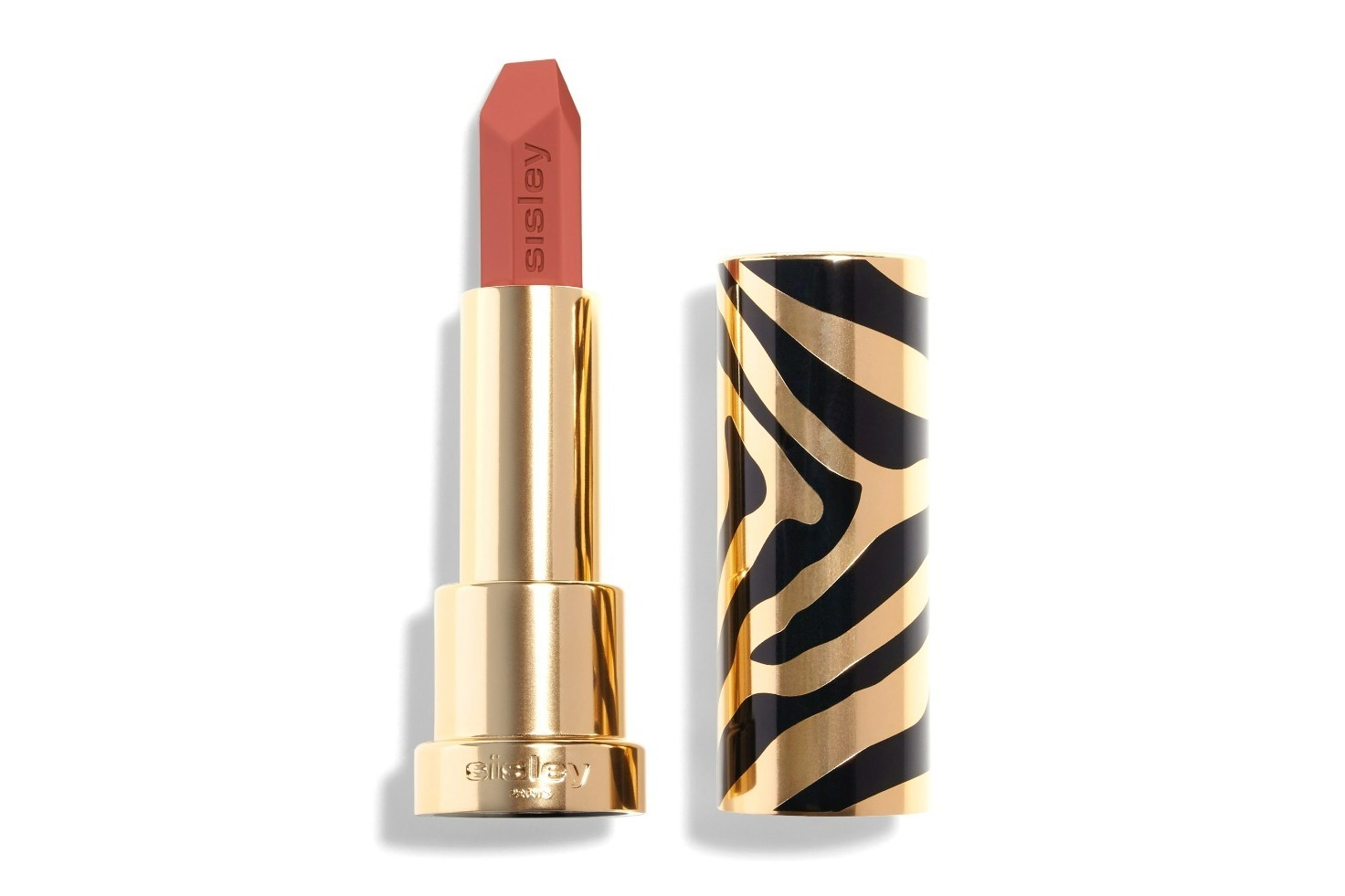
Personal color analysis has transformed how beauty consumers select cosmetics, shifting purchasing habits away from generic seasonal trends toward rigorous undertone profiling. For warm undertone complexions, classified in Japanese and East Asian beauty standards as *yebe* (yellow base), coral pink remains an undisputed staple. Yet pinpointing a shade that balances golden base pigments against soft pink flush without turning muddy or neon orange requires precise color calibration. As reported by beauty coverage including this FASHOIN PRESS Report, luxury houses like Sisley have zeroed in on this exact equilibrium, unveiling refined shades like Phyto-Rouge No. 201 to cater to warm-toned demand.
The marketplace in 2026 offers distinct paths to this balance. High-end cosmetic counters showcase skin-conditioning formulas loaded with botanical waxes, while drugstore aisles push high-tech water stains that mimic natural inner-lip tissue. Finding the right formula comes down to understanding pigment transparency, moisture retention, and your specific seasonal subtype.
📌 Key Takeaways:
- The Golden Ratio: Warm spring complexions thrive on bright peach coral shades, whereas warm autumn tones require deeper, muted terracotta-infused coral pinks.
- Luxury Formulation Shift: Premium labels like Sisley (Phyto-Rouge No. 201 at ¥7,700) and YSL Beauty lead the market with barrier-repairing, high-pigment satin sticks.
- The Mucosa Effect: Drugstore mucosa tints under ¥2,000 have modernized everyday wear by matching the translucent color of inner mouth membranes rather than applying flat, opaque pigments.
Why Warm Undertones Require a Specific Coral Pink Calibration
Lipsticks labeled "pink" lean predominantly blue-based in Western mass retail, relying on cool magenta pigments that clash with golden or peachy skin tones. On warm undertone skin, these blue-tinged pinks cast a grayish, sallow shadow over the jawline. True coral pink resolves this tension by anchoring warm orange and peach pigments with red and white bases.
The distinction between seasonal categories dictates the exact coral balance. Warm Spring individuals carry bright, clear, yellow-dominant coloring. They require translucent peach coral shades and high-shine glossy lips that reflect natural light. Heavy, matte formulas can dull their skin. Warm Autumn profiles present richer, golden, or olive-tinged depths. For these skin tones, an airy pastel coral looks chalky. Autumn complexions need richer, warm undertone lipsticks that incorporate earthy amber, soft brown, or muted rose undertones to harmonize with skin depth.
Personal color analysis makeup consultants consistently caution against picking shades purely by tube appearance. Lip pigmentation alters color payoff. A sheer coral pink lip tint applied over naturally mauve or dark lips will oxidize into an unexpected purple. Testing formulas along the inner lower lip rather than the wrist provides a far more accurate match.
The Rise of the Nenmaku Mucosa Lip Phenomenon
The Japanese cosmetic market initiated a massive trend termed *nenmaku lip* (mucosa lip), which has influenced global product development across 2024, 2026. Rather than painting a synthetic block of color over the mouth, mucosa lip products duplicate the glistening, fleshy shade of the mucous membrane inside the lower lip. The resulting finish looks entirely natural, as if the wearer were born with flushed, blood-rich lips.
Drugstore brands dominate this category. Formulas retailing under ¥2,000, from brands like KATE, Cezanne, and Visee, pair gel-film technology with micro-emulsified oils. Once swiped across the mouth, the volatile oils evaporate, leaving behind a flexible pigment barrier that resists friction from drinking cups and face coverings. Unlike the drying liquid lipsticks of the late 2010s, modern mucosa lip tint for warm tones maintains moisture for six to eight hours without flaking.
Online forums and community review boards frequently note that warm-toned mucosa colors solve the "clown effect." Traditional bright corals can appear jarring during daytime office wear. By filtering coral pink through a transparent, membrane-like finish, the shade reads professional and fresh.
Evaluating Luxury Satin Lipsticks Against Drugstore Gel Tints
Choosing between high-end department store lipsticks and budget drugstore coral lipstick depends on finish preferences, application habits, and formula mechanics. Luxury houses prioritize rich emollient bases and sensory elegance, whereas mass-market brands excel at transfer-proof tint retention.
| Product & Brand | Price Point | Finish & Texture | Target Undertone Match |
|---|---|---|---|
| Sisley Le Phyto-Rouge (No. 201) | ¥7,700 ($52, $55) | Luminous Luxury Satin Lipstick | Warm Spring & Soft Autumn |
| YSL Beauty Rouge Pur Couture | ¥6,050 ($40, $44) | Satin-Hydrating Plump | Warm Spring (Clear Coral) |
| Decorté Rouge Decorté | ¥3,850 ($26, $28) | Dewy Conditioning Cream | Warm Spring & True Autumn |
| Japanese Drugstore Mucosa Tints | ¥1,500, ¥1,980 ($10, $14) | High-Shine Glossy Lip Film | Warm Spring (Sheer Peach) |
Luxury satin lipsticks rely on botanical complexes. Sisley’s Phyto-Rouge line, for example, integrates hyaluronic acid microspheres and padina pavonica extract to physically smooth lip lines. The color sits evenly on the lip surface, delivering depth that budget tints cannot replicate. When your lip texture suffers from dehydration or peeling, these cream formulas cushion the skin without catching on dry patches.
Drugstore gel formulas, by contrast, excel in dynamic situations. If you need color that survives a three-course lunch or six hours of back-to-back meetings without touch-ups, gel-film stains provide superior staying power. They lack the plumping, skincare-rich luxury base, but their lightweight feel makes them easy daily essentials.
Diagnostic Criteria: Selecting Your Ideal Formula
Navigating the beauty counter requires filtering out choices that work against your natural coloring and daily habits. The following framework outlines clear selection benchmarks.
Ideal Profiles for Satin Luxury Lipsticks:
- Individuals with dry, aging, or lined lips requiring plumping hydration.
- Warm Autumn complexions seeking nuanced, buildable pigmentation.
- Wearers who value clean reapplications without pigment buildup or staining.
Ideal Profiles for Drugstore Mucosa Gel Tints:
- Warm Spring individuals whose faces look energized by high-reflectivity shine.
- Students or professionals needing transfer-resistant wear under masks or during long shifts.
- Shoppers seeking daily hydration on a budget under ¥2,000.
Risk Flags and What to Avoid:
- Skip milky coral pinks if your skin carries deep golden or olive tones; the white titanium dioxide base will create an ashy contrast.
- Avoid pure matte coral liquids if you have thin or chronically chapped lips. Without light reflection, matte coral flattens warm facial dimensions.
- Do not purchase neon peach tints without checking the underlying stain color; several mass-market formulas dry down into bright fuchsia-cool pink on the skin.
Frequently Asked Questions (FAQ)
Q1: How can I tell if a coral pink lipstick has cool undertones before buying?
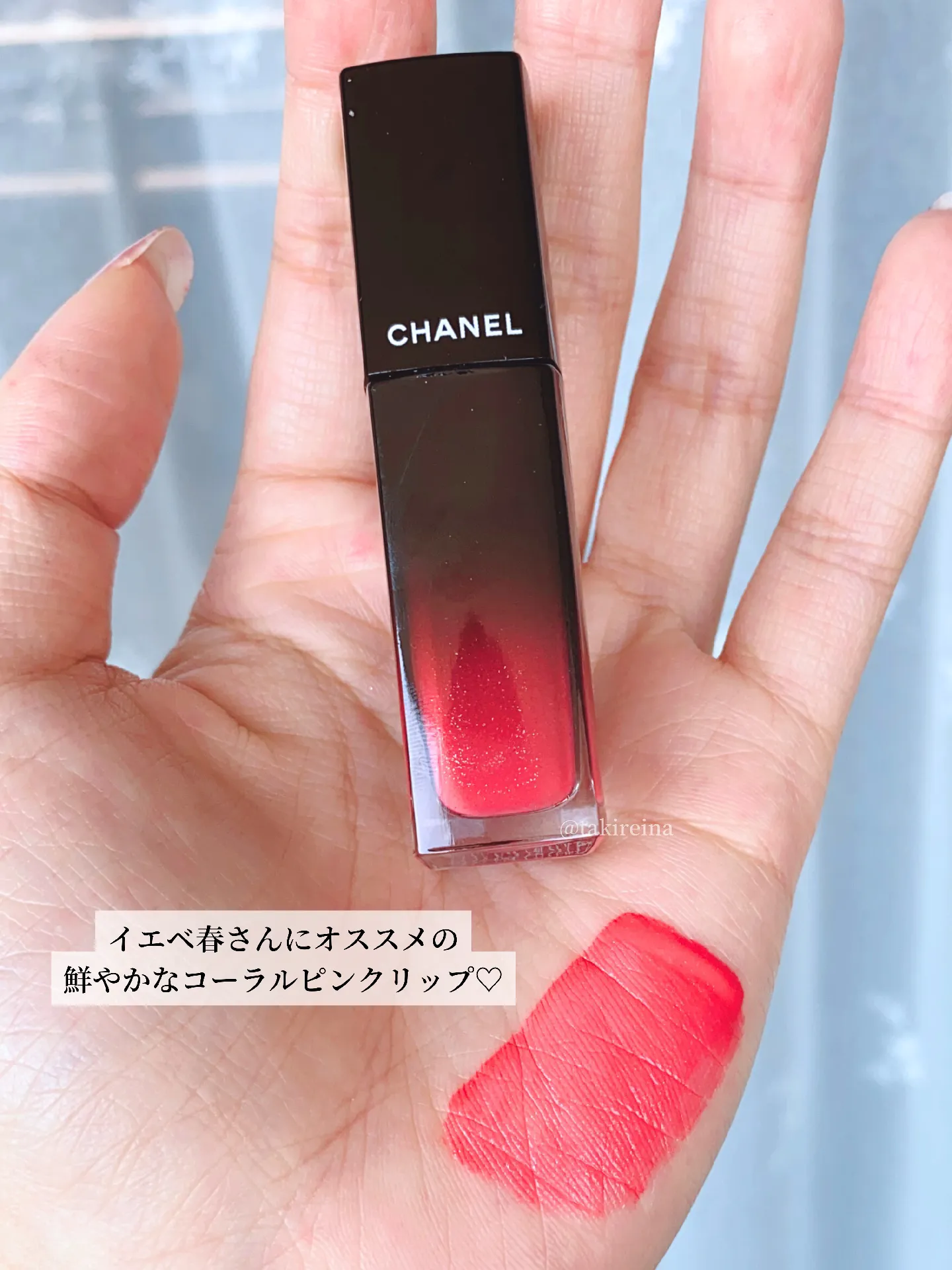
Swatch the shade on the back of your hand and blend out the edges with your finger. If the thinned-out pigment shifts toward blue-magenta or lavender, the formula contains cool dyes. A warm undertone lipstick will sheer out into yellow-peach, golden red, or soft cream.
Q2: Why does my coral pink lip tint turn hot pink after an hour?
Many budget lip stains rely on Red 27 (CI 45410), a dye that reacts to lip moisture and pH. While the initial gloss appears peach-coral, the chemical stain underneath develops into a cool fluorescent pink. Look for formulas colored with iron oxides and warm yellow pigments rather than pH-reactive dyes.
Q3: Can warm autumn complexions wear bright peach coral shades?
Direct peach corals often look washed out on warm autumn complexions. To wear them successfully, pair the shade with a warm caramel or cinnamon lip liner. Blending the edges with an earthy contour grounds the brightness and ties the look to your natural undertone.
Application Strategies for Warm Tones in 2026
Flawless coral wear requires intentional preparation. Start by canceling out strong purple or gray undertones along the lip border using a tiny dab of warm liquid concealer or a peach-toned lip pencil. This prevents the lip perimeter from clashing with the warmth of your lipstick.
Layering textures creates dimension. For Warm Spring faces, pat a hydrating coral lipstick across the body of the lips, then tap a clear or peach-tinted high-shine gloss directly onto Cupid's bow and the center of the lower lip. The resulting light reflection lifts the entire face, maximizing the clean vitality of warm personal color.
For Warm Autumn wearers, press a satin coral stick firmly onto the lips and blot once with tissue to diffuse the surface sheen, leaving behind an earthy, velvet wash. Balance the mouth with a tonal terracotta blush along the cheekbones. Coordinating lip warmth with cheek tone remains the most effective way to produce a refined, professional finish.