The Yoko Ono & Beatles Legacy Explained: Everything Fans Ask 45 Years Later
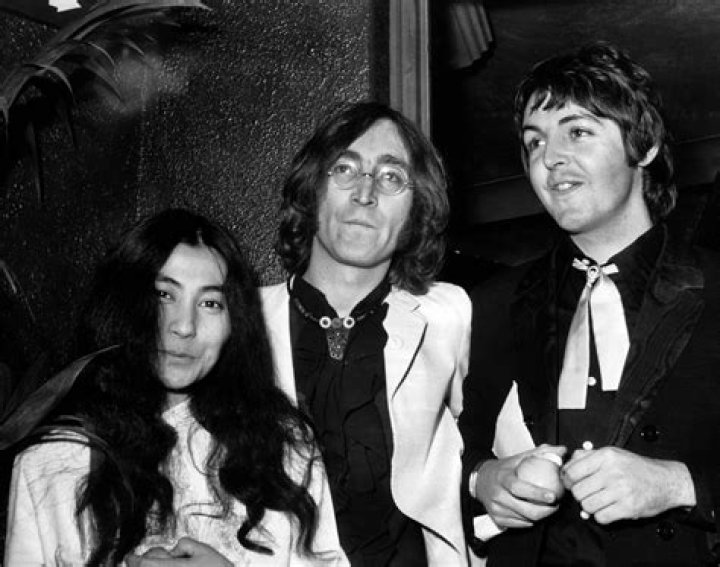
When gunshots shattered the quiet outside Manhattan’s Dakota apartment on December 8, 1980, the trajectory of modern music changed irreversibly. In the decades that followed, the global public treated the surviving partners of John Lennon, his songwriting partner Paul McCartney and his artistic collaborator and widow Yoko Ono, as estranged adversaries competing over a singular musical inheritance. Forty-five years after Lennon’s assassination, that lingering mythology has largely collapsed under historical scrutiny.
As detailed in a recent Yahoo Report examining their contemporary relationship, the quiet peace established between McCartney and Ono stems from a simple, shared reality: both endured the devastating loss of the same man under the glare of relentless global scrutiny. What remained unsaid in the 1970s and contested in the 1980s has softened into mutual respect, reinforced by generational transitions and complete archival transparency.
📌 Key Takeaways:
- The Core Reality: Decades of tabloid drama obscured a working relationship built on mutual grief and shared stewardship over John Lennon’s artistic output.
- Archival Correction: Modern releases, including Peter Jackson’s exhaustive restoration of the 1969 studio sessions, definitively dismantled the myth that Ono caused the band's split.
- Generational Handover: With Yoko Ono stepping back from public duties, Sean Ono Lennon actively coordinates directly with McCartney and Apple Corps on historical catalog initiatives.
The Long Shadow of the Dakota and Decades of Public Friction
The tragedy of late 1980 did not occur in an emotional vacuum. When John Lennon was murdered, the scars from The Beatles' acrimonious 1970 split were still raw. Business lawsuits, dueling press interviews, and disputes over manager Allen Klein had driven deep wedges between the former bandmates throughout the previous decade. Lennon and McCartney had managed quiet late-night telephone calls and brief visits during the mid-1970s, but they never fully repaired their creative partnership before Lennon entered domestic retreat to raise Sean.
Lennon's final studio cycle, culminating in Double Fantasy, was widely described by friends as a sudden creative awakening. Musician peers famously observed that Lennon approached those sessions like a painter who had not touched a canvas in five years. His violent death cut short what friends believed would have been an eventual, unhurried personal reunion with McCartney.
In the wake of the murder, media narratives required clear archetypes. McCartney’s stunned, awkward comment to reporters outside an English recording studio, "Drag, isn't it?", was pilloried as callous detachment, though those close to him later described him as nearly catatonic with shock. Ono, isolated in New York while managing a sprawling commercial empire and mourning a partner in front of millions, became an easy target for lingering resentment from Beatles traditionalists.
Inside the Thaw: Shared Loss and Catalog Pragmatism
Healing the divide required conscious, behind-the-scenes intervention. Linda McCartney served as an essential early conduit, speaking regularly with Ono during the 1980s to keep communication channels open between New York and Sussex. The birth of children, the passage of decades, and the sheer administrative weight of managing Apple Corps forced both camps to deal with reality rather than historical grievances.
The first public crack in the cold war arrived during the planning of the Beatles Anthology project in 1994. Ono handed McCartney cassette demos of Lennon singing unreleased tracks, including "Free as a Bird" and "Real Love." The gesture was deliberate. Ono held the physical tapes; McCartney, George Harrison, and Ringo Starr held the instrumental vocabulary to finish them. Completing those songs required total trust, establishing a precedent for commercial collaboration that endured through Harrison’s death in 2001 and into the present day.
Four Decades of Collaboration, Conflict, and Resolution
The legal and cultural dynamic between McCartney and Ono shifted dramatically across distinct eras. The table below outlines how specific commercial disputes and artistic milestones resolved over the past 45 years.
| Era | Core Flashpoint | Resolution & Cultural Impact |
|---|---|---|
| 1980, 1989 | Estate valuation, media scapegoating, and Northern Songs publishing friction. | Strictly operational communication managed through business representatives. |
| 1994, 1996 | The Beatles Anthology archives and incomplete Lennon cassette demos. | Ono entrusted raw home recordings to McCartney, Harrison, and Starr to complete the tracks. |
| 2001, 2005 | Lennon-McCartney songwriting credit reversals on live McCartney albums. | Public debate settled when McCartney dropped the petition, keeping the historical moniker intact. |
| 2021, 2026 | AI audio restoration for "Now and Then" and long-term estate succession. | Sean Ono Lennon stepped in as lead estate representative; final Beatles single hit number one worldwide. |
How Archival Audio Rewrote the Breakup Myth
For half a century, armchair critics maintained that Ono’s presence at Twickenham Studios fractured four working-class Liverpool musicians who otherwise would have played together indefinitely. That narrative died in 2021.
Peter Jackson’s 57-hour restoration of the January 1969 Get Back tapes revealed an entirely different studio dynamic. Ono did not dominate artistic debates. She sat quietly next to Lennon, reading newspapers, knitting, or eating lunch while the band hashed out musical arrangements. In one candid off-camera exchange captured by hidden microphones, McCartney addressed the tension without malice: "It's going to be such an incredible sort of comical thing, like, in fifty years' time, 'They broke up 'cause Yoko sat on an amp.'"
The tapes showed that The Beatles broke apart under their own institutional inertia. They had stopped touring in 1966, struggled with the sudden death of manager Brian Epstein in 1967, and had grown into radically distinct adults with conflicting musical priorities. Lennon was drawn to avant-garde performance art with Ono. Harrison wanted his back catalog of original songs respected. McCartney sought to drive the band through rigorous creative discipline. Ono did not cause the split; she gave Lennon an exit door he was already looking to use.
Sean Ono Lennon and the Modern Preservation of Apple Corps
Today, the day-to-day stewardship of Lennon's creative property has transitioned to the next generation. Now in her nineties, Ono has stepped out of public life, choosing the quiet seclusion of her rural home in Franklin, New York. Her responsibilities on the boards of Apple Corps and Subafilms have shifted directly to Sean Ono Lennon.
This generational transition eliminated lingering friction. Sean maintains close relationships with McCartney, Ringo Starr, and Dhani Harrison. When Apple Corps authorized machine-learning audio isolation tools to isolate Lennon’s vocal track for 2023's "Now and Then," Sean worked directly with McCartney and producer Giles Martin to finalize the arrangement.
The younger Lennon approaches the catalog with the dual perspective of an heir and a working avant-garde musician. Rather than locking down the vault, the estate has authorized deep-dive box sets for Mind Games, Plastic Ono Band, and Imagine, highlighting the creative interdependence between his parents while preserving the classic Beatles history alongside McCartney.
Frequently Asked Questions (FAQ)
Q1: Did Paul McCartney and Yoko Ono ever officially reconcile?
Yes. While they maintained separate private lives, they resolved their artistic disputes decades ago. McCartney has repeatedly credited Ono with introducing Lennon to new creative dimensions, publicly stating that Lennon’s departure from The Beatles was inevitable regardless of who he married.
Q2: Who owns the Lennon-McCartney publishing catalog today?
Following decades of corporate sales, most notably Michael Jackson’s 1985 purchase of ATV Music, Sony acquired full ownership. However, under US copyright law provisions, McCartney reached a confidential agreement with Sony/ATV in 2017 to recover his share of the US publishing rights. Lennon's estate maintains its own designated publishing shares.
Q3: What happened to the Dakota apartment where Lennon and Ono lived?
Ono retained ownership of the apartments inside the historic Manhattan building for decades following Lennon’s death. In recent years, she relocated full-time to her 600-acre farm in upstate New York, while the Lennon family retains real estate assets in New York City.
Q4: Why was the songwriting credit "Lennon-McCartney" contested?
In the early 2000s, McCartney expressed frustration that songs composed entirely by him without Lennon's input, such as "Yesterday" and "Eleanor Rigby," were routinely credited as "Lennon-McCartney." He occasionally flipped the credit on solo live albums to "McCartney-Lennon." Ono publicly objected, and McCartney decided to leave the classic billing intact on future studio releases.
The Shared Survival That Outlived the Myths
Rock history tends to reduce human relationships to clean rivalries: Lennon versus McCartney, classic rock purists versus avant-garde disruptors, tradition versus change. Those clean lines fail when applied to real people living through violent loss and relentless media scrutiny.
Forty-five years after John Lennon’s death, the legacy preserved across Abbey Road and Manhattan is not one of lingering hostility. It is one of practical survival. McCartney and Ono each spent decades shouldering the grief of losing an artistic center of gravity under a global microscope. In stepping aside to let their children navigate the future of Apple Corps, they leave behind an archive cleared of tabloid distortion, grounded in the music that brought them all together in the first place.