Timeline: How DJ Shacho Turned a Deep-Sea Fish Nickname into Viral Gold
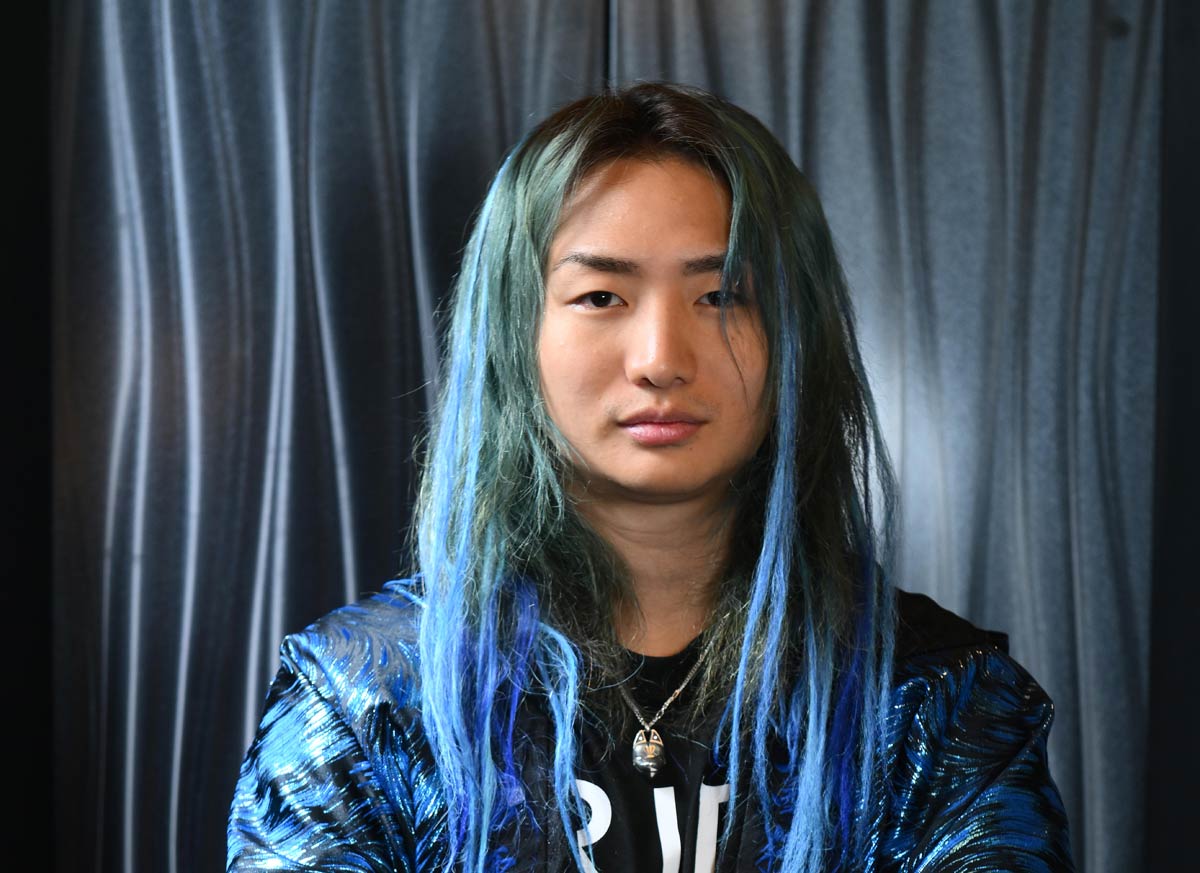
When internet commenters spent years calling Japanese creator DJ Shacho a "deep-sea fish," they intended to humiliate him. Instead, the founder of Repezen Foxx weaponized the insult. Facing an endless stream of comments comparing his facial features to an unidentifiable benthic creature pulled from the ocean floor, he refused to file takedown requests or issue tearful statements. He leaned entirely into the joke.
That decision altered the trajectory of Japanese social media entertainment. Between his breakout years leading Repezen Chikyu and his full-face reconstructive procedures in South Korea, DJ Shacho turned an open smear campaign into a lucrative branding engine. By understanding how online troll monetization actually functions, he exposed the mechanics of viral marketing tactics across Tokyo's cutthroat creator economy.
📌 Key Takeaways:
- The Origin: Anonymous message boards and early YouTube comments labeled Shacho a "deep-sea fish" (深海魚, shinkaigyo) due to his distinct facial structure, specifically likening him to a gelatinous blobfish.
- The Inversion: Rather than fighting the mockery, Shacho integrated the insult into his comedy routines, video thumbnails, and stage banter, effectively neutralizing online detractors.
- The Transformation: Following a high-profile series of plastic surgeries in Seoul costing tens of thousands of dollars, he documented the entire medical process on video, creating record engagement figures.
- The Business Impact: The deep-sea fish identity laid the groundwork for Repezen Foxx's international expansion, proving that self-deprecating humor remains one of the strongest defenses against online harassment.
From Anonymous Roasts to Stage Persona: The Birth of the Deep-Sea Fish Meme
The insult began circulating around 2016, during the rapid ascent of Repezen Chikyu on Japanese YouTube. Anonymous message boards on 5channel and cruel comments beneath early videos routinely targeted Shacho’s unconventional looks. Haters repeatedly compared his nose, jawline, and wide mouth to a blobfish or an anglerfish dragged from the Mariana Trench. In the hyper-polished world of Japanese idol culture, such physical traits were supposed to disqualify anyone from mainstream visibility.
Shacho took the opposite approach. During a notorious March 2017 livestream, he addressed the chat directly. Staring into the webcam, he read out comments mocking his face, paused, and broke into manic laughter. "They say I look like a deep-sea fish," he yelled to his audience. "Do you know how resilient deep-sea creatures are? They survive thousands of pounds of pressure that would crush normal people!"
The reaction was instantaneous. Fan sentiment flipped from sympathetic discomfort to raucous approval. Clips of that livestream circulated across Twitter, racking up millions of views within 48 hours. By owning the slur, he removed its venom. Followers began making fan art pairing his face with exotic marine life, and Shacho printed those drawings onto internal production boards.
How Repezen Foxx Weaponized Hate Comments for Algorithm Dominance
Japanese influencer branding typically relies on pristine aesthetics, agency-approved politeness, and corporate sponsorships. Shacho operated outside the established agency system. After getting banned from conventional monetization multiple times, Repezen Chikyu survived purely on live event ticket sales, physical merchandise, and sheer viral reach. Derogatory remarks were not an obstacle; they were high-octane fuel for platform algorithms.
Shacho understood YouTube controversy strategy better than almost anyone in East Asia. Platforms reward raw watch time and comment density, regardless of whether that engagement expresses adoration or ridicule. Every time a viewer typed "you look like a grotesque fish," YouTube’s recommendation engine registered a highly engaged user.
He actively provoked these responses. In late 2018, during promotional runs for arena concerts, Shacho regularly introduced himself as "the most famous deep-sea fish in Shibuya." During an onstage appearance at Zepp Tokyo, he projected side-by-side comparisons of his face and actual marine specimens onto giant LED screens. Audience members cheered. By framing his physical appearance as performance art, he made cruel comments feel redundant.
The Seoul Surgical Makeover: Documenting the Physical Overhaul
In early 2021, Shacho announced he was moving to South Korea to undergo extensive aesthetic surgery. The announcement shocked casual observers, who assumed he had made peace with his original face. Critics claimed he had finally cracked under public ridicule, while supporters worried he would lose the distinct comedic charm that drove his fame.
Shacho's public explanation was direct: "I became famous looking like a deep-sea fish. Now I want to see what happens when that fish turns into an idol."
He documented the medical journey across YouTube and Instagram, generating massive engagement spikes throughout the spring of 2021. The surgical regimen included comprehensive procedures in Gangnam: two-jaw orthognathic surgery (double-jaw correction), rhinoplasty, facial contouring, and eyelid restructuring. Total expenses exceeded $80,000.
Rather than hiding away during post-operative recovery, he filmed updates while wearing heavy medical bandages, bloody compression garments, and facial wraps. He jokingly called himself an "alien undergoing laboratory mutation." When the swelling subsided in June 2021, the visual transformation stunned millions of followers. His jawline was sharp, his nose streamlined, and his profile balanced.

Timeline: The Evolution of DJ Shacho's Marine Meme and Rebranding
The evolution from internet punchline to calculated branding triumph unfolded across distinct phases between 2016 and 2026:
| Phase / Era | Core Incident or Livestream | Public Sentiment & Business Shift |
|---|---|---|
| 2016, 2017 | 5channel boards label him a blobfish; breakout livestream openly accepts the insult. | Troll commentary neutralizes; fan base adopts the phrase affectionately as an insider reference. |
| 2018, 2020 | Repezen Chikyu tours Japan; Shacho features deep-sea graphics during live stadium shows. | Commercial branding blooms; live attendance reaches tens of thousands despite zero television coverage. |
| 2021, 2022 | Undergoes extensive facial reconstruction in Seoul; livestreams post-op recovery in real time. | Global media coverage expands; medical tourism vlogs pull record-setting view counts. |
| 2023, 2026 | Repezen Foxx international push; Shacho jokes about "resurfacing from the benthic trench." | Becomes a textbook case study in digital crisis management and personal agency within Asia's web space. |
Why Self-Deprecating Humor Conquered Asian Social Media
Sociologists studying Japanese digital communication point to rigid societal beauty norms as a driver of intense cyberbullying. Public figures are scrutinized over dental alignment, facial asymmetry, and skin tone. When someone is targeted with physical insults, standard media training dictates avoidance or defensive legal notices. Both options often amplify the harassment, an effect known in communications as the Streisand effect.
Shacho shattered that mold by taking absolute ownership of his image. In psychology, this tactic resembles emotional jujitsu: accepting the momentum of an incoming strike to throw the opponent off balance. If the creator tells an audience of two million people that he resembles a bottom-dwelling ocean predator before his critics can type it, the slur loses its bite. The trolls are robbed of their punchline.
Industry observers note that this strategy built an unbreakable bond with his core audience. Young viewers, many of whom faced their own insecurities in school or corporate environments, saw an entrepreneur who turned perceived physical flaws into raw cultural clout. He was not a distant, flawless talent created in an agency boardroom. He was an outsider who fought his way to the top using humor as a shield.
The Business Consequences: Rebranding Without Erasing the Past
Many creators who pursue radical physical modifications attempt to erase their pre-surgery digital footprint. They scrub old photographs, issue copyright strikes against older clips, and rewrite their personal histories. Shacho did the opposite. He kept his entire catalog of old videos online, continuing to show off past clips in retrospective montages.
During a 2024 interview on YouTube, Shacho explained the commercial reasoning behind keeping his history visible: "If I pretend I was born looking like this, I become a run-of-the-mill host with an artificial jawline. The only reason my current face matters is because everybody remembers the deep-sea fish."
This clarity allowed Repezen Foxx to pivot smoothly toward global markets, collaborating with creators across Indonesia, Thailand, and the United States. International audiences did not care about Tokyo tabloid gossip, but they were fascinated by the story of a music entrepreneur who openly admitted his surgeries, laughed about his origins, and refused to play the victim.
Frequently Asked Questions (FAQ)
Q1: Why did internet users call DJ Shacho a "deep-sea fish" (深海魚)?
A1: Early in his streaming career, malicious online commenters on 5channel and YouTube mocked his wide jaw, prominent nose, and facial asymmetry, comparing him to bottom-dwelling marine species like the blobfish. Shacho embraced the comparison during his livestreams, turning the insult into his signature nickname.
Q2: How much did DJ Shacho spend on his plastic surgery in South Korea?
A2: Shacho openly reported spending over $80,000 (approximately 10 million to 12 million yen, depending on exchange rates) on comprehensive procedures in Seoul in 2021. These included two-jaw orthognathic surgery, rhinoplasty, cheekbone reduction, and eyelid restructuring.
Q3: Did DJ Shacho change his stage name or branding after the surgery?
A3: No. While his visual appearance changed dramatically, he retained his moniker, DJ Shacho, and maintained the comedic tone of his group, Repezen Foxx. He regularly jokes about his pre-surgery face, using before-and-after imagery as promotional material.
What the Deep-Sea Fish Phenomenon Teaches Us About Modern Celebrity
The journey from the bottom of the digital ocean to commercial stardom highlights how attention works in the modern creator economy. The internet creates endless cruelty, but it also rewards those who refuse to let strangers define their narrative. Shacho demonstrated that an insult is only as damaging as the power you surrender to it.
By transforming an ugly slur into a badge of honor, he turned malicious commenters into unwitting contributors to his media empire. When creators assess how to handle cyberbullying, public scrutiny, and long-term brand equity, Shacho's unconventional playbook stands out: strip the mockery of its shame, amplify the comedy, and build an audience that stays loyal through every evolution.