Topo Gigio Lookalikes and Icons: Side-by-Side Visual Breakdown of the Legend
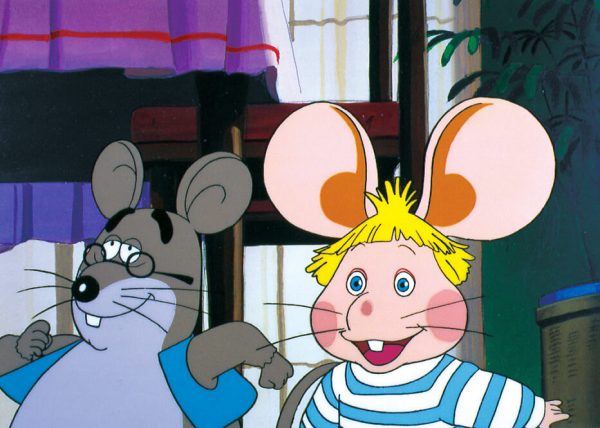
When Real Sociedad winger Takefusa Kubo struck a dramatic winner against RCD Espanyol, he sprinted toward the corner flag, locked his eyes onto the stands, and placed both hands flat behind his ears. The gesture ignited an immediate storm across social platforms. Fans in Spain labeled it defiance against whistling supporters; observers in East Asia scrambled to understand why the Japanese international looked identical to a vintage cartoon mouse. Sports journalists quickly noted the deeper historical lineage of the celebration, with Japanese outlet スポーツナビ Report analyzing how Kubo's high-stakes gesture revived international interest in the iconic pose.
The visual match is unmistakable. Open ears, raised palms, deadpan stare. For over two decades, the world's most gifted athletes have channeled Topo Gigio, a pop-culture creation born in Milan television studios during the late 1950s. While internet searchers typing queries like "トッポ ジージョ 似 てる" often assume the resemblance boils down to playful ear mimicry or casual physical lookalikes, the gesture carries an aggressive, politically charged legacy on the pitch.
📌 Key Takeaways:
- Visual Blueprint: The classic celebration directly mimics Maria Perego’s 1958 foam puppet, turning cupped hands into oversized mouse ears.
- Defiant Origin: Argentine playmaker Juan Román Riquelme invented the celebration in 2001 as an act of public rebellion against club management, claiming his daughter simply loved the puppet.
- Modern Resurgence: From Lionel Messi’s viral face-off against Louis van Gaal in Qatar to Takefusa Kubo’s clinical strike in La Liga, players use the pose to silence external criticism.
Maria Perego's Creation and the Global Rise of Topo Gigio
Puppeteer Maria Perego created Topo Gigio in 1958, crafting a diminutive mouse from soft polyurethane foam with large, soulful black eyes, a striped nightshirt, and enormous paddle-shaped ears. Unlike traditional wooden marionettes, the puppet possessed a delicate, human-like range of motion that required three hidden operators dressed in black velvet to manipulate.
The character exploded across Italian television network RAI before making 50 legendary appearances on The Ed Sullivan Show in the United States throughout the 1960s. Perego's gentle mouse, voiced with an endearing Italian accent, won over American households alongside rock bands and Hollywood stars. By the 1970s and 1980s, the puppet had crossed continents, securing massive followings in Japan, Brazil, and Argentina. In Buenos Aires, children grew up watching Gigio sing bedtime songs on prime-time television, embedding his giant ears and sleepy demeanor deep within the Argentine collective consciousness.
The Bombonera Standoff That Turned a Children's Character into a Weapon
The ear-cupping celebration was not born as lighthearted comedy. It emerged from an ugly contractual war on April 8, 2001, inside La Bombonera. Boca Juniors faced their fierce rivals River Plate in the Superclásico. Argentine playmaker Juan Román Riquelme, locked in a bitter salary dispute with club president Mauricio Macri, drove home a rebound to make the score 2, 0.
Instead of jumping into his teammates' arms, Riquelme sprinted 50 meters toward the official directors' box where Macri sat. He planted his feet in the turf, stood rigid, and cupped his hands behind his ears, staring directly at the club executive without cracking a smile. When reporters besieged Riquelme after the match to ask why he had provoked the club president, the midfield maestro offered a famously disingenuous alibi. He claimed he meant no disrespect to anyone; his young daughter Florencia simply loved Topo Gigio, and he was mimicking the mouse for her.
Nobody believed him, but the label stuck forever. The confrontational pose officially entered soccer lexicon as "El Topo Gigio."
Evolution of the Gesture Across World Cups and Domestic Leagues
Over the past quarter-century, the Topo Gigio pose transformed from an internal club dispute into soccer's most devastating psychological weapon. What started as Riquelme’s contract protest became a universal sign of retribution against dismissive managers, hostile fans, and opposing benches.
| Date | Player & Match | Context and Motivation |
|---|---|---|
| April 8, 2001 | Juan Román Riquelme (Boca Juniors vs. River Plate) | Protesting unpaid bonuses and blocked transfers directly against Boca president Mauricio Macri. |
| December 9, 2022 | Lionel Messi (Argentina vs. Netherlands) | Directly targeted Dutch manager Louis van Gaal after pre-match comments belittling Messi’s defensive work-rate. |
| August 24, 2024 | Takefusa Kubo (Real Sociedad vs. Espanyol) | Rebounding from benching frustrations and answering home crowd noise after a solo wonder goal. |
| 2024, 2026 | Global Academy & Youth Circuits | Adopted widely by Generation Z and Alpha players as a general internet celebration signal. |
The most famous global reenactment occurred during the 2022 FIFA World Cup quarter-final in Lusail, Qatar. After scoring a second-half penalty against the Netherlands, Lionel Messi stopped directly in front of the Dutch dugout, planted his feet, and threw both hands behind his ears toward Louis van Gaal. Years earlier, Van Gaal had frozen Riquelme out of Barcelona's starting lineup, declaring that the Argentine playmaker took up space without contributing defensively. Messi's execution of the pose was cold, calculated payback on behalf of his childhood idol and his national squad.

Visual Lookalikes and Physical Mimicry in Pop Culture
Beyond the deliberate soccer celebration, Topo Gigio remains a persistent reference point for facial comparisons across pop culture. Digital platforms routinely pair photos of the vintage puppet alongside athletes, actors, and public figures who share distinct visual traits: prominent ears, large expressive eyes, wide smiles, and lean facial profiles.
In East Asia, fans frequently draw comparisons between Maria Perego's puppet and energetic wingers or playmakers whose compact physical builds and expressive features mirror the puppet's kinetic bounce. When Takefusa Kubo or similar players cup their hands, the visual illusion is complete. The human palms extend the natural perimeter of the ears, recreating the silhouette of the 1958 foam mouse almost down to the millimeter.
Online communities regularly debate whether modern athletes know the original puppet or are simply copying Messi and Riquelme. While younger stars often mimic the celebration because they watched World Cup highlight reels on TikTok, seasoned South American and European professionals recognize the double meaning: you are simultaneously comparing yourself to an innocent cartoon mouse while delivering a harsh rebuke to your critics.
Why the Ear-Cupping Pose Retains Its Bite
Celebrations come and go, yet the Topo Gigio stance continues to surface whenever competitive pressure boils over. The endurance of this gesture rests on its simplicity.
A player does not need elaborate acrobatics or rehearsed dance routines to silence a hostile stadium. Cupping the ears uses the crowd's own noise as the punchline. It asks a blunt question without uttering a single word: Can you hear me now? By borrowing the silhouette of Maria Perego's harmless television mouse, athletes infuse a savage put-down with a veneer of childlike innocence.
The contrast between the harmless puppet and the cutthroat arena of professional sport gives the pose its unique psychological edge. More than six decades after Maria Perego stitched together foam rubber on an Italian soundstage, her little mouse still commands the world's grandest stages.
Frequently Asked Questions (FAQ)
Q1: Why is the ear-cupping celebration called "Topo Gigio"?
The celebration earned its name in April 2001 when Argentine soccer star Juan Román Riquelme did the pose in front of Boca Juniors president Mauricio Macri. To avoid formal disciplinary fines, Riquelme claimed he was simply imitating Topo Gigio, a big-eared Italian television puppet beloved by his daughter.
Q2: Did Lionel Messi invent the Topo Gigio celebration?
No. Lionel Messi popularized the gesture for a new generation during the 2022 FIFA World Cup quarter-final against the Netherlands, but he was paying tribute to Juan Román Riquelme, who originated the celebration 21 years earlier.
Q3: What does the gesture mean when players perform it today?
In modern sports, the gesture serves as a deliberate response to criticism, booing, or benching. Cupping the hands behind the ears tells fans, opposing coaches, or club directors that their past noise has been completely silenced by performance on the field.
The Cultural Staying Power of Topo Gigio
Few creations travel from post-war Italian television to the pinnacle of global sports culture without losing their identity along the way. Topo Gigio did something far rarer: the puppet became shorthand for athletic defiance.
Whether seen in nostalgic variety show clips, viral side-by-side photo comparisons, or heated domestic league matches, Maria Perego’s mouse remains an indelible visual icon. Whenever a player stands motionless before thousands of screaming spectators with hands cupped behind their ears, they keep the spirit of that stubborn little puppet alive.