Trending Base Makeup Shifts: Why High-End Cream Foundations Are Surging in 2025–2026

For more than a decade, liquid foundation dominated cosmetic counters across Tokyo, Paris, and New York. Driven by the quest for weightless bare-skin effects and the meteoric rise of daily tinted serums, heavier jar formulations were largely relegated to professional theatrical kits or viewed as antiquated relics of 1980s stage makeup. That hierarchy has now fractured. Department store sales data and comprehensive tracking from the ELLE Report on luxury base formulations show prestige shoppers turning sharply toward dense, treatment-rich cream bases.
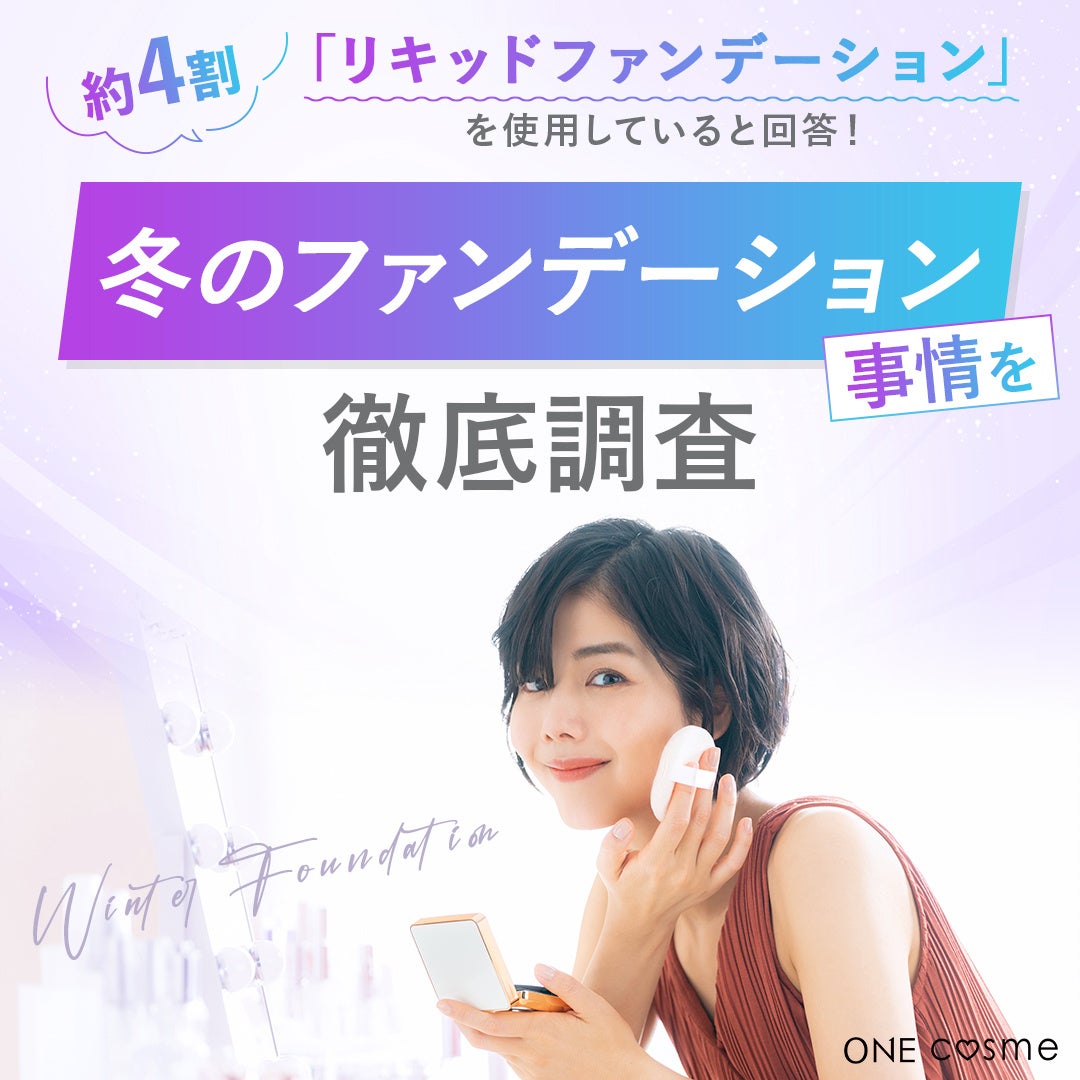
This market movement does not represent a nostalgia play. Driven by breakthroughs in cosmetic chemistry, high-viscosity foundations now offer mature skin texture smoothing and luminous moisture retention without the suffocating heaviness of earlier decades. While consumer research from platforms like ONEcosme reveals that roughly 40% of makeup wearers still default to liquid foundations during winter months, high-end brands like Clé de Peau Beauté and Kanebo have made rich cream foundation the flagship centerpieces of their cosmetic lines. Understanding how these two distinct emulsion architectures interact with the skin barrier determines whether an expensive base glides seamlessly or collapses into fine lines before noon.
📌 Key Takeaways:
- Core Formulation Shift: Modern luxury cream foundations use structured lipid networks rather than heavy waxes, delivering full coverage alongside a dewy or semi-matte finish that does not settle into expression lines.
- Liquid Foundation Strengths: Lightweight daily liquid coverage remains the standard for rapid blending and long-wear sebum control, making it superior for oily profiles and humid microclimates.
- The Buying Decision: Liquid formulas suit normal-to-oily complexions seeking sheer-to-medium everyday coverage, whereas dry skin foundation formulas in cream jars solve persistent flaking and loss of facial elasticity.
The Market Reversal Behind Department Store Counters
The cosmetic market spent years prioritizing whisper-thin coverage, yet consumers increasingly report that water-based fluids often fail under harsh office lighting and climate-controlled indoor environments. Fluid foundations depend on volatile solvents and carrier oils that evaporate quickly after blending to leave behind a thin film of pigment. For oily or combination skin, this rapid dry-down works wonders. For skin compromised by barrier depletion, air conditioning, or natural aging, the evaporation process pulls surface moisture outward, leaving pigments clinging to dry patches and settling around the nostrils.
Prestige cosmetic houses capitalized on this frustration. Recent collection launches documented by fashion and beauty trade monitors highlight a strategic focus on concentrated balm and cream formulations. Brands such as Kanebo, SUQQU, and Clé de Peau Beauté have repositioned their cream offerings from niche winter fixers into year-round prestige essentials. These jars frequently sell at price points ranging from $120 to over $300, marketed directly to consumers who want their makeup to function as an extension of their evening skincare routine.
Formulation Mechanics: Emulsions, Lipids, and Pigment Loads
The tactile difference between cream and liquid bases reflects two entirely distinct chemical architectures. Liquid foundations are typically formulated as fluid oil-in-water (O/W) or water-in-silicone (W/Si) emulsions. They contain high water percentages, synthetic polymers for film-forming, and suspended pigments ground down for rapid spreadability. Because the pigment density sits lower in fluid solutions, achieving opaque coverage requires layering multiple passes, which can compromise longevity if the skin produces natural sebum throughout the day.
Luxury cream foundations invert these ratios. They operate on water-in-oil (W/O) or anhydrous lipid-heavy systems loaded with solid and semi-solid emollients such as squalane, shea fractions, ceramides, and phytosterols. The pigment concentration in high-grade creams is substantially denser, often running 15% to 25% higher by volume than standard liquids. A single pea-sized dot covers the entire canvas. Rather than relying on a hard polymer film that hardens as it dries, cream foundations maintain an elastic, flexible matrix that stretches across facial contours during movement.
The Structural Comparison: Cream Versus Liquid Architecture
Evaluating which base makeup aligns with your daily routine requires dissecting how each formula performs under real-world variables, from application methods to pore interaction.
| Performance Attribute | Liquid Foundation | Luxury Cream Foundation |
|---|---|---|
| Base Architecture | Fluid emulsion; volatile carrier solvents with rapid evaporation | Dense lipid emulsion; rich in occlusive plant waxes and ceramides |
| Coverage Depth | Sheer to medium; requires layering for full blemish masking | Medium to full opacity; covers discoloration in a single pass |
| Visual Finish | Soft-matte, velvet, or wet satin depending on polymer blend | Plumping gloss, luminous glass-skin, or sophisticated semi-matte |
| Moisture Retention | Moderate; relies on underlying skincare serums to stave off tightness | High; functions as a physical barrier preventing transepidermal water loss |
| Sebum Resistance | High; formulated with silica microspheres for oil absorption | Low to moderate; oil breakdown can occur if skin produces heavy sebum |
| Application Speed | Under 60 seconds; easily blended with fingers, sponge, or buffing brush | Deliberate; requires warming between fingertips or structured spatulas |
Pore-Blurring Performance and Texture Smoothing on Mature Skin
One persistent misconception in cosmetic retail is that thick foundations inherently exaggerate skin aging. While that was undeniably true of older talc-based pancake formulas, modern skincare-infused foundation systems behave radically differently. When mature skin presents dynamic wrinkles around the eyes and loss of collagen around the cheeks, fast-drying liquids can accentuate those fissures. As the water base dissipates, dry pigment falls directly into the valleys of lines, creating an uneven, creased appearance.
Modern cream foundations prevent cakey makeup by maintaining an active occlusive barrier. The elastic nature of lipid-bound pigments allows them to sit over skin indentations rather than sinking into them. Optical refraction plays a vital role here: high-end cream jars incorporate spherical cross-polymers alongside light-diffusing pearl complexes. These micro-reflectors scatter ambient light away from enlarged pores, delivering smooth texture that holds up under direct, sharp lighting. The result is structural correction rather than heavy masking.
Climate, Sebum Production, and All-Day Wear Dynamics
Selecting between these formats demands a frank assessment of your biological environment. Liquid foundation remains the superior engineering choice for high-humidity conditions, active sweat production, and naturally oily T-zones. Modern long-wear liquid formulations use cross-linked resin technology that forms a mesh over the skin. This mesh lets sweat pass through without destabilizing the pigment layer beneath it, maintaining an intact finish even during active commutes.
Conversely, cream formulas thrive in dry winter climates, pressurized cabin air, and low-humidity office spaces. When ambient humidity drops below 40%, the skin accelerates moisture loss to the surrounding atmosphere. A lightweight liquid foundation offers virtually no resistance against this environmental pull. A rich cream base acts as an insulating barrier, sealing underneath whatever moisturizers were applied during morning prep. However, if applied to an oily complexion without a proper oil-control primer, the excess lipids will combine with endogenous sebum, causing the product to break down along the nasal folds within three to four hours.
Technique Adjustments to Avoid Texture Flaws
Most application failures occur when users handle cream foundation exactly like a liquid. Dumping a liquid foundation onto the back of the hand and rapidly buffing it in with a damp sponge works because the water content keeps the product moving freely. If you plunge a damp sponge directly into a dense cream jar, the water on the applicator repels the oil matrix of the foundation, causing micro-streaking and patchy coverage across the cheeks.
Mastering modern cream formulas requires an intentional ritual:
Scoop a small speck, no larger than half a grain of rice per facial quadrant, using a sanitized stainless-steel spatula. Deposit the product directly onto your fingertips and press them together for three seconds. The thermal warmth of your fingers breaks the surface tension of the semi-solid lipids, melting the balm into a workable, silky fluid. Tap the melted formula across the center of the face, then glide it outward toward the hair line using a dense, flat-topped synthetic brush. Work with sweeping rather than stamping motions. Because the pigment density is naturally higher, you will use approximately 50% less product than you would with a typical pump bottle.
Frequently Asked Questions (FAQ)
Q1: Does switching to a rich cream foundation cause acne or clogged pores?
A1: Modern luxury cream foundations use non-comedogenic synthetic squalane, refined jojoba fractions, and purified esters rather than the heavy mineral oils or crude lanolin that caused breakouts in legacy formulas. However, individuals with active cystic acne or pronounced grade-3 oily skin should exercise caution, as any lipid-heavy product can trap dead keratinocytes if double-cleansing is not performed nightly.
Q2: Why do cream foundations cost substantially more than liquid formulas?
A2: Cream formulations have significantly lower water ratios, meaning consumers pay for active emollients, high-grade carrier oils, and concentrated pigments rather than purified water and alcohol fillers. Furthermore, housing high-lipid balms requires substantial UV-shielded glass jars and specialized stabilization tests to prevent the emulsion from separating across hot summer shelf lives.
Q3: Can liquid and cream foundations be layered together for customized coverage?
A3: Yes, by utilizing the "zone-mapping" technique common among Japanese bridal makeup artists. You apply a sheer, long-wear liquid formula across the entire face for lightweight sebum management, then spot-apply a high-pigment cream foundation using a precision brush over areas of hyperpigmentation, redness, or extreme under-eye dryness, avoiding the need for heavy concealers.
Selecting Your Base Makeup Architecture for 2026
The choice between cream and liquid foundation is not an aesthetic contest between past and future makeup trends. It is an engineering choice dictated by your skin's hydration needs and your daily lifestyle. If your routine demands speed, your skin tends toward midday shine, and your objective is an imperceptible, sheer wash of tone, liquid formulas remain unmatched in convenience and resilience.
If you find that your foundation chronically dries out by mid-afternoon, accentuates textural roughness, or forces you to pile on heavy layers to cover stubborn redness, it is time to reconsider the luxury cream jar. Today's high-end formulations offer an exceptional convergence of dermal protection and light manipulation, proving that high coverage and a youthful, dew-drenched glow can exist harmoniously in a single pot.