Under the Dermatoscope: What Daily vs Weekly Hair Washing Really Looks Like
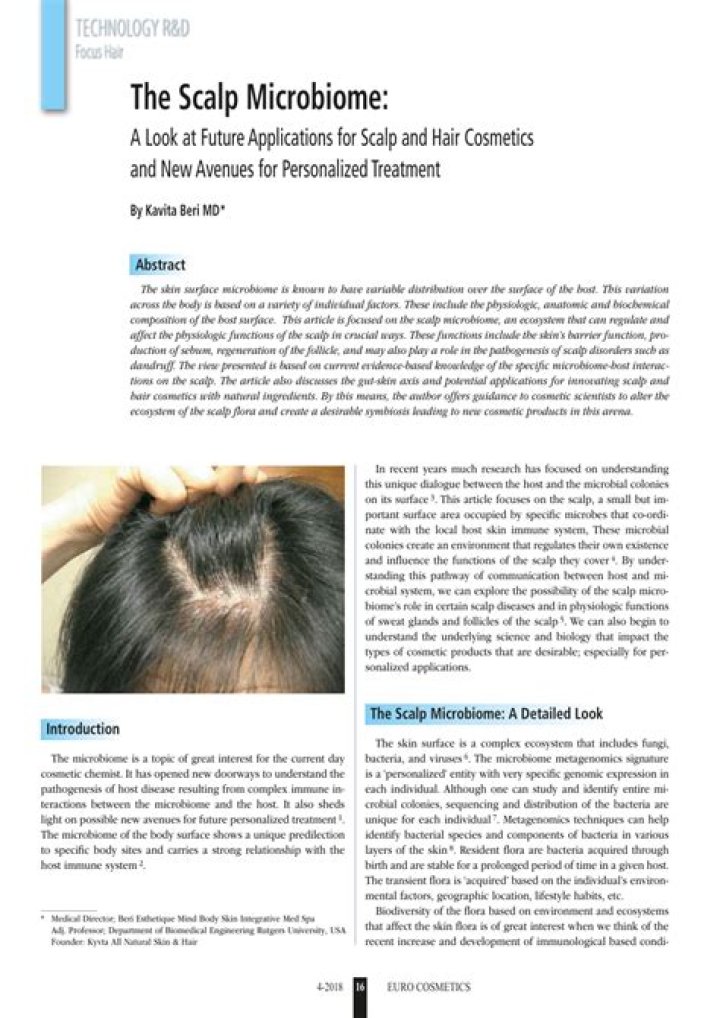
High-magnification trichoscopy changes how you view scalp hygiene within seconds. Under 200x polarized light, the skin around a healthy hair follicle does not look squeaky clean; it features a delicate, amber translucent lipid halo that seals the infundibulum against ambient pathogens. Over-cleansed tissue, by contrast, displays micro-fissures, erythema, and stripped keratin margins that leave the canal exposed. As veteran beauty stylist Michiko Fujiwara, 67, pointed out in a recent MSN Report reflecting on post-retirement wellness, adhering blindly to the ritual of washing hair every single day ignores biological realities, particularly as chronological aging recalibrates how our bodies produce protective oils.
The modern obsession with daily lathering stems from post-industrial marketing rather than evolutionary biology. For decades, consumer packaged goods manufacturers pushed daily suds as the baseline of personal respectability. Clinical dermatology paints a very different, nuanced picture. Determining your optimal hair washing frequency requires balancing sebum production, microbial colonies, and follicular mechanical stress.
📌 Key Takeaways:
- Follicular Impact: Daily aggressive washing strips essential lipids, while unwashed sebum oxidizes past **72 hours**, generating squalene peroxides that trigger premature shedding.
- Microbiome Balance: Skipping too many days fuels *Malassezia* yeast blooms, whereas constant surfactant exposure fractures the scalp acid mantle and dries out the stratum corneum.
- The Age Factor: Sebaceous gland output drops up to **40% after age 50**, requiring older adults to reduce wash frequency to protect thinning hair fibers.
How the Daily Shampoo Mandate Formed
The cultural demand to scrub one's scalp every twenty-four hours gained momentum during the mid-twentieth century. Before synthetic liquid surfactants arrived on supermarket shelves in the 1930s, washing hair was an arduous, bi-weekly affair involving lye soaps and botanical rinses. The introduction of sodium lauryl sulfate transformed cleansing from a restorative maintenance ritual into an effortless morning shower habit. Mass-market ad campaigns in the 1970s and 1980s solidified the belief that any natural oil accumulation was synonymous with poor hygiene.
Consumer sentiment in online trichology circles and Reddit forums like r/HaircareScience reveals an ongoing backlash against that post-war standard. Millions of consumers find their scalps caught in a frustrating loop: intense cleansing followed by compensatory rebound oiliness within twelve hours. When harsh anionic detergents strip away surface lipids, the sebaceous gland works in overdrive to replenish the barrier. People interpret that surge as proof they need another wash, trapping themselves in an artificial cycle of dehydration and excess oil.
What Follicular Scans Reveal Across Wash Intervals
Dermatoscope scans capture the distinct physical reality of hair roots at variable wash intervals. At the twenty-four-hour mark following a wash, the scalp of an individual with normal skin production maintains balanced lipid distribution. The follicular opening remains clear, and the stratum corneum appears smooth without visible desquamation.
Skimming through extended intervals changes that landscape dramatically. By hour 72 to 96, unwashed sebum begins to pool around the base of the hair fiber. Keratinocytes that naturally shed every day fail to slough off; instead, they bind to sticky lipid secretions, creating microscopic follicular plugs.
[Trichoscopy Visualization: Wash Intervals]
Day 1: (=== Hair ===) [Clear Infundibulum] -> Balanced Acid Mantle (pH 5.5)
Day 3: (=== Hair ===) [Thin Lipid Halo] -> Stable Barrier
Day 5+: (=== Hair ===) [Oxidized Follicular Plug]-> Malassezia Proliferation & Erythema
Under specialized ultraviolet dermoscopy, these aged follicular plugs fluoresce orange-pink, indicating the presence of Cutibacterium acnes and oxidized porphyrins. The squalene component within stale sebum undergoes lipid peroxidation, yielding squalene hydroperoxide. This compound directly inflames the follicular epithelium, weakening the anchor of the hair bulb and potentially speeding up telogen shedding in individuals prone to hair thinning.
The Scalp Microbiome Under Chemical Stress
The surface of the human head hosts a dense ecosystem dominated by Malassezia restricta, Malassezia globosa, and commensal bacteria like Staphylococcus epidermidis. These microorganisms live on the triglycerides present in sebum. When you strike the correct balance, Malassezia hydrolyzes triglycerides into free fatty acids, helping sustain an acidic scalp pH between 4.5 and 5.5.
Subjecting the scalp to daily sulfate-based surfactants disrupts this delicate balance. Surfactants emulsify the intercellular lipid lamellae, which consist of ceramides, cholesterol, and free fatty acids. This dissolution breaks down barrier function, driving elevated transepidermal water loss. The resulting dehydration leads to scalp barrier damage, characterized by tight, itching skin, stinging sensations, and microscopic fissures.
Conversely, leaving the scalp unwashed for more than four or five days creates an open buffet for Malassezia. The yeast proliferates unchecked, consuming triglycerides and releasing irritating oleic acid. In individuals sensitive to oleic acid, the skin responds with hyperproliferation, presenting clinically as stubborn dandruff and flaking or seborrheic dermatitis.
Dermatoscope Findings Across Cleansing Frequencies
Clinical studies evaluating scalp parameters demonstrate stark trade-offs between daily surfactant exposure and extended wash intervals.
| Washing Cadence | Follicular Plug Formation | Stratum Corneum Integrity | Microbial Imbalance Risk |
|---|---|---|---|
| Daily (Sulfate Formulas) | Near 0% plug accumulation | High barrier loss; elevated transepidermal water loss | Erythema, micro-fissuring, reactive sebum rebound |
| Every 2, 3 Days (Gentle Cleansers) | Minimal (under 10% follicle involvement) | Optimal hydration; intact lipid bilayer | Balanced commensal flora; stable acid mantle |
| Weekly or Longer (>7 Days) | Extensive (keratin-sebum cast in >65% of pores) | Compromised by oxidized lipid toxicity | High *Malassezia* overgrowth, pruritus, seborrhea |
Aging Scalp Care and the Hormonal Sebum Cliff
Sebaceous gland activity does not stay constant throughout adulthood. Driven by systemic androgens, sebum production peaks during late adolescence and early adulthood. Between the ages of 45 and 55, circulating hormones shift dramatically. Post-menopausal reductions in estrogen and androgen receptors spark a sharp drop in cutaneous oil output, often declining by 30% to 40% past age sixty.
Michiko Fujiwara’s perspective aligns with this dermatological trajectory. Aging scalp care requires moving away from the aggressive degreasing routines of youth. A mature scalp features thinner epidermis, reduced vascularity, and fewer lipid reserves. Scrubbing that delicate ecosystem daily with deep-cleansing formulas pulls out remaining moisture, leaving the hair brittle, dull, and prone to breakage.
For mature individuals, washing every three to four days with a nourishing, sulfate-free shampoo prevents desiccation while shielding fragile follicles from mechanical breakage caused by wet brushing and blow-drying.
Calibrating Your Routine: Scalp Type Diagnostic
Building a rational regimen requires ignoring rigid rules and tailoring frequency to your specific biology and lifestyle.
The True Oily Scalp
- Roots look visibly slick, limp, or clumped within twenty-four hours of washing.
- Wash daily or every other day. Use balancing formulas containing salicylic acid (0.5%, 2%) or zinc pyrithione to dissolve accumulating sebum before oxidation sets in. Skipping days can inflame follicles and worsen hair thinning.
The Dry, Chemically Treated, or Mature Scalp
- Hair appears matte and coarse; the scalp feels tight or dry even after three days.
- Wash once or twice per week. Prioritize mild, sulfate-free cleansers containing glucosides or amino acid surfactants. Avoid harsh clarifying shampoos that strip lipid barriers.
The Active Lifestyle (High Sweat)
- Daily vigorous workouts generate salt deposits, though true sebum output may be normal or low.
- Alternate your shampoo days with water-only rinses or conditioning rinses. Sweat is water-soluble; it clears away with lukewarm water, sparing your follicles from daily chemical exposure.
Frequently Asked Questions (FAQ)
Q1: Does washing my hair every day cause permanent hair loss?
Daily washing does not destroy the underlying stem cells of the hair follicle. The strands you notice in the shower drain were already shed, sitting disconnected in the telogen phase. Aggressive daily lathering and rough towel drying can, however, snap fragile fibers and irritate the scalp barrier, mimicking diffuse thinning.
Q2: Can you train your scalp to produce less oil by skipping washes?
Sebaceous gland output is governed by internal genetics and circulating hormones, not by how often you wash. Leaving your scalp unwashed will not down-regulate gland activity. It simply lets oil accumulate, oxidize, and attract yeast overgrowth.
Q3: Is dry shampoo a safe replacement for wet washing?
Dry shampoo is a temporary styling aid, not a cleansing agent. Starch and silica powders absorb surface gloss, but they leave behind oxidized lipids, environmental pollutants, and dead skin cells. Relying heavily on dry shampoo without real washing leads to follicular occlusion, micro-inflammation, and irritated breakout zones.
The Modern Consensus on Follicular Health
Treating your scalp with the same tailored care as facial skin delivers the best long-term results. The infundibulum requires thoughtful balance rather than aggressive sterilization or prolonged neglect. Cleanse frequently enough to prevent lipid peroxidation and fungal blooms, but gently enough to preserve the acid mantle.
Pay close attention to what your scalp tells you. Persistent itchiness, tenderness, and visible flaking are clinical signs of inflammation, pointing to either chronic over-washing or prolonged oil accumulation. Adjust your routine around your scalp's evolving biology, activity level, and age. Doing so keeps the scalp micro-environment calm, clear, and resilient over a lifetime.