Visual Blueprint: How to Make a Clean Roll-Up Fabric Cover for Metal Racks
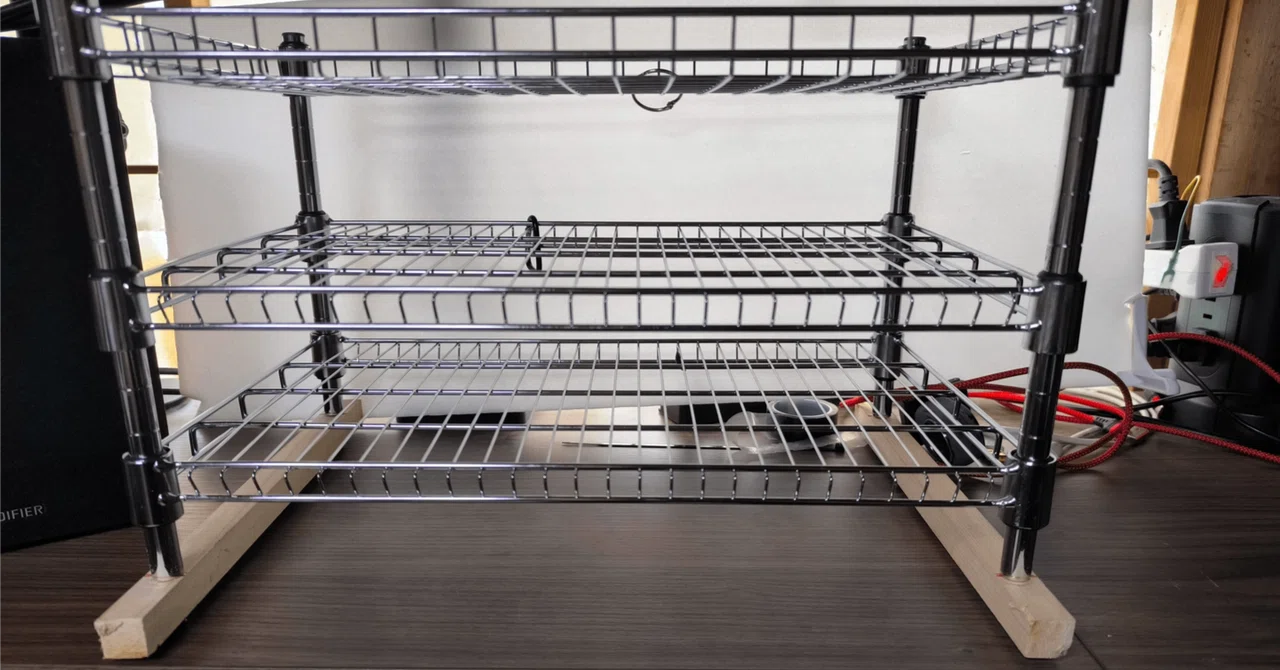
Wire shelving remains an unmatched storage workhorse, yet open steel grids create visual chaos and invite layers of grime. Home organizers and workshop owners frequently struggle with small items falling through wire tiers, a chronic structural flaw detailed in a hands-on note Report that highlights how layered mesh shelving complicates compact gear storage. Commercial plastic sleeves often crack within months, while off-the-shelf zipped vinyl shells smell strongly of chemicals and rarely fit odd frame proportions.
Building a custom roll-up fabric enclosure solves both problems at once. With basic hardware, heavy-duty textiles, and targeted fasteners, you can transform utilitarian chrome posts into a refined, dust-tight storage unit that blends into modern interior spaces.
📌 Key Takeaways:
- Material Selection: Cotton canvas drop cloths and heavyweight linen fabric provide durable, breathable barrier protection while eliminating static dust buildup.
- Hardware Integration: Pairing magnetic closure seams with hook and loop fasteners creates quick roll-up access without wrestling sticky zippers.
- Structural Foundation: Solid mesh shelf lining prevents internal items from shifting and maintains straight fabric drape across the outer frame.
Why Standard Wire Shelving Concealment Fails
Chrome wire racks excel at bearing weight, holding between 350 and 800 pounds per shelf level. Yet their open architecture creates two persistent headaches: visual noise and rapid dust accumulation. Standard commercial vinyl covers trap moisture, yellow under ambient light, and rip along cheap nylon coil zippers under daily pull stress.
A DIY fabric build allows complete control over fit and finishes. When you sew or hem your own panels, you dictate edge tension, access methods, and ventilation. Tailoring textiles to exact custom rack dimensions prevents the sloppy, bagged appearance typical of one-size-fits-all plastic covers. By using dense natural fibers, you keep out particulate grit while maintaining enough airflow to prevent trapped humidity around stored tools, pantry supplies, or studio electronics.
Drafting Precise Measurements and Choosing Heavyweight Textiles
Accurate cuts make the difference between a crisp architectural enclosure and a sagging sheet. Measure the metal unit across three primary axes: top width, side depth, and total vertical drop from the upper perimeter wire to one inch above the floor caster or foot pad. Add a two-inch hem allowance to every perimeter edge. If your rack measures 36 inches wide, 18 inches deep, and 72 inches high, cut your primary front and back panels to 40 inches wide by 76 inches high to accommodate double-fold bottom hems and top seams.
Canvas drop cloth makeover projects offer the best balance of cost and abrasion resistance. A 10-ounce or 12-ounce untreated cotton duck canvas hangs flat under its own weight and withstands repeated wash cycles. For living spaces requiring a softer look, heavyweight linen fabric dampens visual clutter without clashing against neutral wall palettes. Avoid lightweight polyester broadcloth; it generates static electricity, drawing hair and airborne dust directly onto the fabric face.
Fabrication and Fasteners: Comparing Closure Systems
The closing mechanism determines how functional the rack remains during everyday routines. While long zippers require precise alignment and easily snag on nearby stored items, modular fasteners offer fast access with fewer mechanical failure points.
| Closure Hardware | Installation Difficulty | Durability Rating | Average Hardware Cost |
|---|---|---|---|
| Sewn-In Neodymium Magnets | Moderate (Pocket Hemming) | High (No Mechanical Wear) | $14, $22 |
| Hook and Loop Fasteners | Easy (Adhesive or Stitch) | Medium (Lint Vulnerable) | $8, $15 |
| Continuous Marine Zippers | High (Exact Basting Required) | Medium-High (Teeth Jamming) | $18, $30 |
| Tension Rod Curtain System | Very Easy (Zero Stitching) | Medium (Spring Fatigue) | $10, $18 |
Magnetic closure seams provide smooth, quiet closing action against steel uprights. Enclosing small rare-earth disc magnets every eight inches along vertical hem channels lets the front flap snap flush to steel uprights instantly. For the top roll retention straps, pair two-inch nylon webbing with hook and loop fasteners. When you roll the front fabric flap upward to access inventory, those straps loop around the rolled cylinder to lock it securely beneath the top shelf rim.
Assembling the Frame Mount and Roll-Up Mechanism
Start construction with the top cap. Cut a rectangle matching the shelf top dimensions plus one inch on all sides. Sew perimeter flaps measuring three inches deep around this cap to form a fitted, boxy lid that slides snug over the uppermost shelf wire.
Secure the rear and side panels to this top cap with flat-felled seams. Keep the front panel detached along both vertical edges to allow full front access. At the top front edge, stitch two hanging retaining loops made of one-inch webbing spaced roughly six inches from each corner. Sew the rough hook strip to the hanging tab and the soft loop patch five inches higher on the front face.
Insert a half-inch wooden dowel or an aluminum rod inside the bottom hem of the front panel. This bottom weight serves two practical functions. It pulls the panel taut so the fabric hangs smoothly without wrinkles, and it acts as an easy rolling core when lifting the curtain open.
If you prefer a completely no-sew build, run a spring-loaded tension rod curtain hack across the front shelf posts beneath the top tier. Hang pocket-hemmed fabric panels directly on the rod, letting you slide the cover open like drapery while preserving easy access to high-turnover shelf items.
Leveling Interior Surfaces and Preserving Shelf Geometry
External covers manage appearance and keep dust out, but internal organization dictates whether the rack stays usable. Storing narrow bottles, small craft bins, or heavy cookware directly on open wire shelves often tips items over or snags internal liners on wire edges.
Lay flexible polycarbonate or polypropylene mesh shelf lining across each shelf grid before loading gear. Solid shelf liners give small containers a flat, stable footprint and stop stored items from pushing outward against the fabric cover. Maintaining smooth interior profiles keeps fabric draping straight down the sides rather than bulging over misaligned bins.
This balanced combination of clean fabric paneling and steady interior surfaces yields a sharp industrial shelving aesthetic. The steel frame retains its heavy load capacity, while the muted canvas skin conceals cluttered equipment behind uniform, clean planes.
Frequently Asked Questions (FAQ)
Q1: How do I wash a canvas rack cover with magnets inside?
Hand wash the cover or run it on a gentle machine cycle using cold water, then air dry flat. Enclosing magnets inside sealed marine-grade vinyl pockets before stitching them into fabric channels prevents rust stains and stops magnetic discs from sticking to washing machine drums.
Q2: Can this roll-up system work on shelving against a wall?
Yes. When shelves rest against drywall, drop the back panel entirely. Build a three-sided enclosure covering only the front and side exposures. Anchor the top cap securely to the rear wire shelf lip with heavy-duty zip ties or matching fabric tie ribbons.
Q3: How much clearance should remain between the hem and the floor?
Leave a one-inch to 1.5-inch gap above finished floors. This prevents the lower hem from dragging across dust, keeps wet mops from staining raw canvas, and maintains unhindered movement for units mounted on swivel casters.
Maintaining Custom Storage Enclosures Over Time
Durable storage projects rely on routine care and proper tensioning. Untreated canvas panels can shrink up to 5% during their first laundering, so pre-wash raw textiles before measuring and cutting panel lengths. Inspect magnetic hem channels and strap stitching once a year to re-secure loose threads before seams fray under daily tension. With quality drop cloths and well-placed closures, an ordinary wire storage rack becomes a handsome, dust-proof cabinet built to handle years of hard household use.