Wedding Guest Pants Style Guide: How to Pick, Style, and Rewear With Ease
For decades, wedding invitations dictated an unspoken uniform: pastel chiffon dresses, delicate lace overlays, and structured A-line skirts destined to gather dust in the back of a closet. That mold has cracked. Across modern bridal circuits, attendees are walking into venues wearing razor-sharp silhouettes, fluid tailoring, and high-waisted pleats. As documented in a recent Yahoo!ニュース Report, wedding-rush attendees increasingly gravitate toward everyday-adjacent, elevated silhouettes that preserve personal identity while honoring celebratory decorum. The traditional guest dress is no longer the default choice.
The contemporary wedding guest pantsuit addresses two systemic frustrations: ballooning attendance costs and single-use event fashion. Between bespoke rentals and rewearable separates, trousers offer functional range that frilly cocktail dresses cannot match. Pockets hold phones and compacts without sagging. Strategic cuts handle sitting, dancing, and outdoor lawn ceremonies without the constant risk of hemline mishaps. Choosing pants for a formal wedding requires strict attention to cut, textile weight, and etiquette.
📌 Key Takeaways:
- The Dress Code Shift: Formal jumpsuits for weddings and sharp two-piece sets are officially accepted within semi-formal, cocktail, and black-tie optional ceremonies.
- Rental Market Proof: Ten-year consumer rental datasets show trouser bookings have grown from an obscure fringe request to a core category, driven by comfort and utility.
- Strategic Rewearability: Unlike one-off occasion dresses, tailored two-piece sets easily deconstruct into office blazers, dinner trousers, and casual layering pieces.
- Palette Evolution: Modern etiquette encourages moving beyond standard corporate navy or funeral black into dusty blue and jewel tone suits that pop in photographs.
Breaking the Ceremony Mold: How Trousers Entered the Wedding Hall
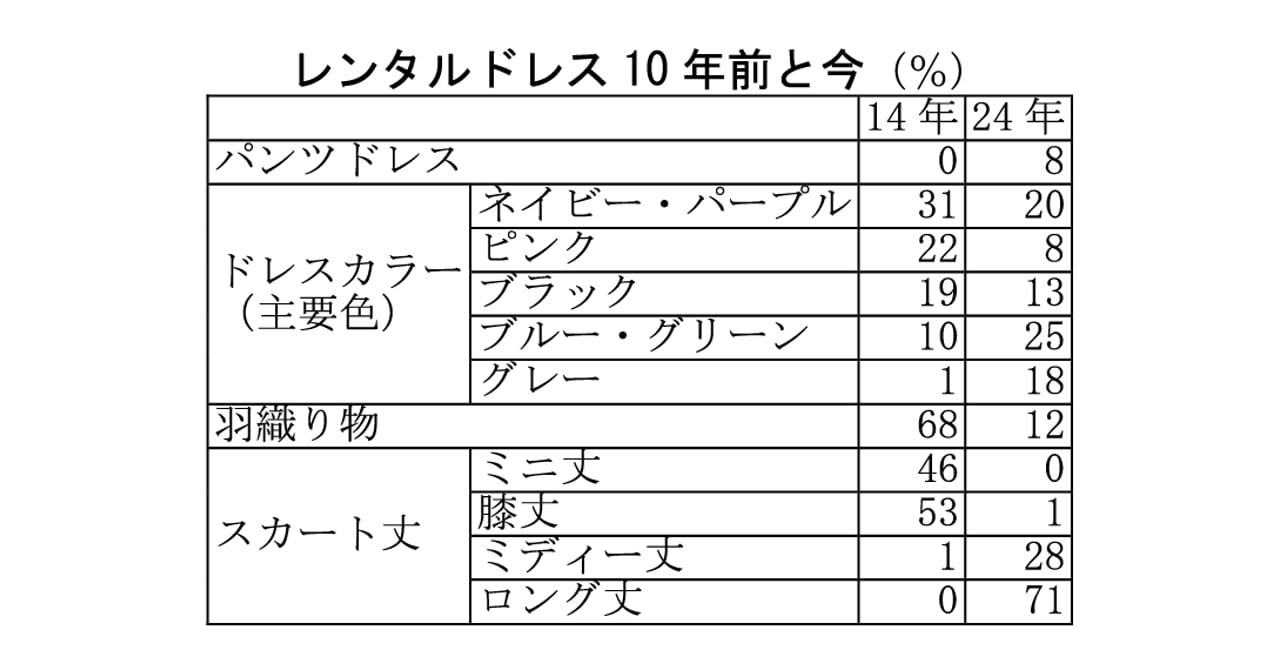
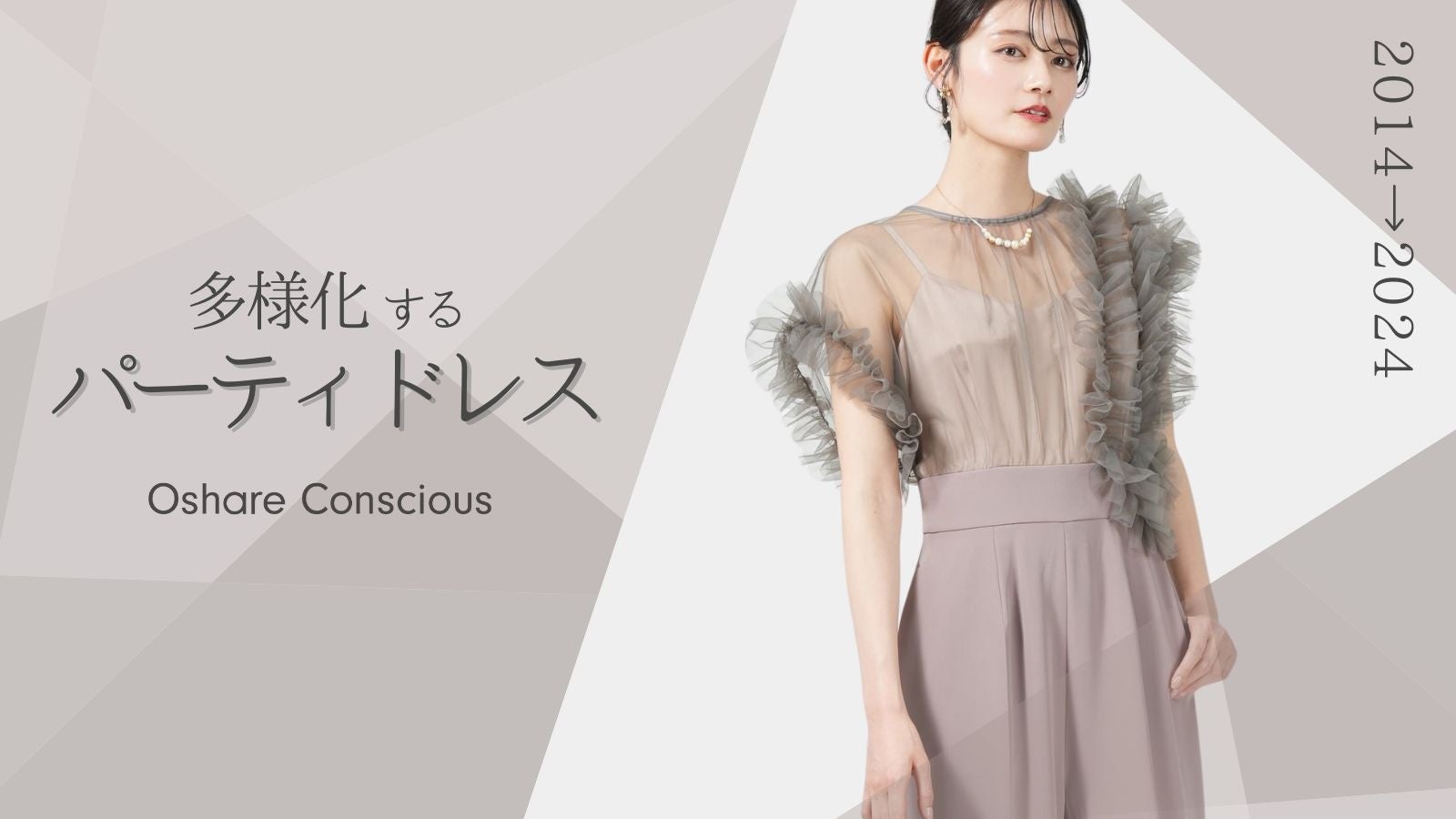
The rise of the wedding trousers look is not a momentary social media fad. It represents a decade-long reassessment of formalwear logistics. Long-term consumer tracking by Miss Conscious, the operator of the major formalwear rental platform Oshare Conscious led by CEO Emi Koyama, revealed a dramatic change in guest preferences between 2014 and 2024. Ten years ago, rental inventories were almost entirely made of frilled dresses. Inquiries for pants styles were rare, often viewed with skepticism by attendees fearing they might look underdressed or too masculine.
By 2024, Oshare Conscious reported that trouser ensembles had cemented their position as mainstream ceremony attire. The shift reflects generational priorities. Attendees entering their late twenties and thirties often face multiple celebrations in a single calendar season. Buying three identical pastel sheath dresses makes little financial sense. Women want outfits that reflect their daily confidence rather than costuming themselves in polite organza.
This preference has sparked widespread changes in the retail market. Independent labels and occasionwear brands now design wide-leg dress trousers and evening wear coordinates with the explicit intention of bridging day-to-night functionality. Trousers have transitioned from a rebellious statement into a recognized staple of modern hospitality fashion.
Fabric, Cut, and Proportion: Finding the Flattering Line
Wearing trousers to an evening reception requires precise garment architecture. A standard office pant suit will look jarringly corporate under reception lighting. The secret lies in distinguishing between professional business suiting and celebratory formalwear.
The fabric sets the mood instantly. Avoid stiff wool blends, rough cottons, or matte polyester weaves that read as boardroom attire. Look instead for fluid, weighted fabrics: heavy double-crepe, hammer satin, fluid triacetate, or silk-wool blends. These textiles drape naturally over the hips, fall cleanly to the floor, and catch venue illumination without wrinkling during long banquets.
Body-flattering silhouettes typically follow three distinct structures:
The high-waisted palazzo pant pairs best with a fitted, structured bodice or a cropped, collarless jacket. The volume below balances the close fit on top, creating clean visual height. This cut hides footwear, allowing guests to wear supportive block heels or formal flats without sacrificing silhouette.
The sharp cigarette trouser requires an elongated blazer with architectural shoulders. This look works best for semi-formal wedding attendee fashion, drawing focus to pointed-toe mules, slim ankle straps, and sculptural drop earrings.
Formal jumpsuits for weddings provide an all-in-one look. Look for styles with defined sash waists, asymmetric necklines, or integrated cape sleeves. The jumpsuit delivers the dramatic presence of a column gown alongside the freedom of pants, solving coordination challenges in a single step.
Navigating Wedding Attire Etiquette Across Dress Codes
A frequent anxiety surrounding wedding guest pants is whether they respect venue decorum. Etiquette guidelines have modernized, but boundaries remain. Guests must balance personal comfort with respect for the hosts.
The cardinal rule remains unchanged: avoid solid white, ivory, champagne, and pale ecru. A white pantsuit reads explicitly bridal, as many modern brides now choose jumpsuits or tailored white separates for civil ceremonies and after-parties. Straying into pale cream territory creates instant tension.
For a casual daytime or garden ceremony, soft pastels, floral jacquards, and breathable linens in tailored cuts set the right tone. For cocktail dress code alternatives, jewel tones like rich emerald, plum, and deep berry add evening sophistication without competing with the wedding party.
When the invitation reads black-tie optional, tailoring standards rise. A basic linen blend or matte pantsuit will feel underdressed next to dark tuxedos and floor-length gowns. Meet this formality standard by choosing chic blazer and trouser pairings accented with satin peak lapels, tuxedo-stripe side seams, or liquid velvet. Pair them with statement jewelry, metallic evening clutches, and elevated hair styling to keep the overall look firmly within evening wear expectations.
The Rental Surge and the True Cost of Rewearable Separates
Ceremony attendance costs have climbed sharply over the past three years. Between travel, gifts, and lodging, spending several hundred dollars on a dress worn for six hours has become increasingly hard to justify. This economic pressure has driven two practical solutions: specialized dress rentals and deliberate rewear investments.
Online formalwear rental trends have expanded well beyond standard bridesmaid dresses. Rental services stock premium designer jumpsuits and luxury two-piece sets for $60, $110 per weekend, sparing guests expensive dry-cleaning bills and storage hassles. For guests who attend only one or two celebrations a year, renting eliminates buyer regret entirely.
For those navigating back-to-back invitations, purchasing a well-cut set offers a superior cost-per-wear return. A tailored two-piece set is three outfits in one. Wear the full suit to a Saturday afternoon reception. Pair the wide-leg dress trousers with a fine-gauge knit for dinner the following week. Style the blazer over casual denim for work on Monday. Dresses simply cannot match that everyday flexibility.
| Event Attire Strategy | Average Investment | Primary Practical Advantage | Rewear Lifetime Metric |
|---|---|---|---|
| Designer Rental (Jumpsuit / Suit) | $65, $120 per weekend | Zero maintenance; zero closet footprint | Single-event execution (1 time) |
| Traditional Cocktail Dress | $180, $350 purchase | Fulfills classic venue expectations easily | Low utility (1, 3 specific formal events) |
| Tailored Formal Separates | $240, $480 complete set | Deconstructs into independent work and social wear | High utility (15, 30+ mixed settings) |
Palette Shifts: Escaping Generic Black and Corporate Navy
When women first adopted formal pants for weddings, dark neutrals served as a safe harbor. Black, charcoal, and corporate navy allowed attendees to blend into the background without risking an etiquette misstep. Today, that restraint is fading.
Occasionwear trend reports from party apparel retailer Retica (operated by DRESS DESIGN WORKS and led by merchandising director Runa Mimura) show a clear departure from repetitive monochrome looks. To solve the problem of looking identical in every photo album across a busy fall and spring schedule, designers have introduced richer palettes.
Dusty blue and jewel tone suits lead this color evolution. Dusty blue provides a calm, refined pastel alternative that photographs cleanly in outdoor daylight without looking washed out. Meanwhile, jewel tones like sapphire, spiced amber, deep amethyst, and rich forest green deliver regal depth for evening receptions.
These colors strike a careful balance. They feel lively and celebratory without breaking dress code boundaries or overshadowing the bridal party. Paired with warm gold hardware, pearl chokers, or champagne-toned clutches, colorful tailored suits look distinctly festive rather than corporate.
Solving Fit Friction and Online Sizing Hesitation
Despite the growing popularity of formal trousers, purchasing them online presents real challenges. A standard dress forgivingly accommodates varying leg lengths and hip ratios through free-flowing skirts. Pants demand precision. Inseam, rise, waist-to-hip ratio, and thigh room must all align.
Shoppers often hit wall-to-wall decision fatigue. A garment that looks striking on a catalog model can fit poorly on different proportions, bunching at the zipper or pooling awkwardly over footwear. Buying through global platforms or second-hand markets requires close attention to garment measurements rather than tag sizes.
To avoid sizing headaches, follow three preparation steps before ordering:
Measure your true high waist and hip circumference with a flexible tape measure, checking those numbers against flat garment measurements rather than generic size charts.
Decide on your shoes before buying your trousers. Hemming wide-leg pants requires knowing the exact heel height. If the hem sits an inch too high, wide legs lose their clean vertical line. If it drags along the floor, delicate hems pick up venue dirt and fray before dinner service begins.
Budget $25, $40 for alterations. A quick adjustment to the hem or waist makes an off-the-rack set look like bespoke evening tailoring.
Frequently Asked Questions (FAQ)
Q1: Are wedding guest pantsuits acceptable at traditional religious venues?
A1: Yes, provided the cut and styling respect venue modesty rules. Choose styles with higher necklines, covered shoulders, and full-length trousers rather than cropped cuts. Layer a structured blazer over a sleeveless silk top during the ceremony to maintain modest coverage, removing the jacket for the evening reception.
Q2: Can I wear an all-black pantsuit to a wedding without looking like I am going to a funeral?
A2: Yes, though accessorizing is critical. Avoid stiff, plain suiting that resembles business uniforms or mourning clothes. Pick lustrous fabrics like satin-backed crepe or velvet, and add gold or pearl jewelry, an open architectural neckline, sparkling statement earrings, and metallic shoes to signal celebration.
Q3: What shoe styles work best with wide-leg evening dress trousers?
A3: Pointed-toe pumps, sleek block heels, and pointed mules work best. A pointed toe extends the vertical line of the leg when peeking out from beneath a wide hem. Avoid rounded, chunky casual platforms, which visually weigh down flowing trouser fabric.
Building a Lasting Event Wardrobe
The rise of the wedding guest pantsuit is more than a fleeting fashion trend. It represents a practical, lasting change in how guests balance modern formal wear. Guests no longer have to choose between rigid traditions and outfits that leave them feeling uncomfortable all night.
Tailored two-piece sets and architectural jumpsuits give attendees both comfort and polished sophistication. They let you celebrate on the dance floor without constant wardrobe adjustments, provide real pockets for your essentials, and avoid the waste of a single-use dress. By choosing weighted fabrics, thoughtful tailoring, and rich, celebratory colors, trousers show that genuine elegance comes from confidence and ease.