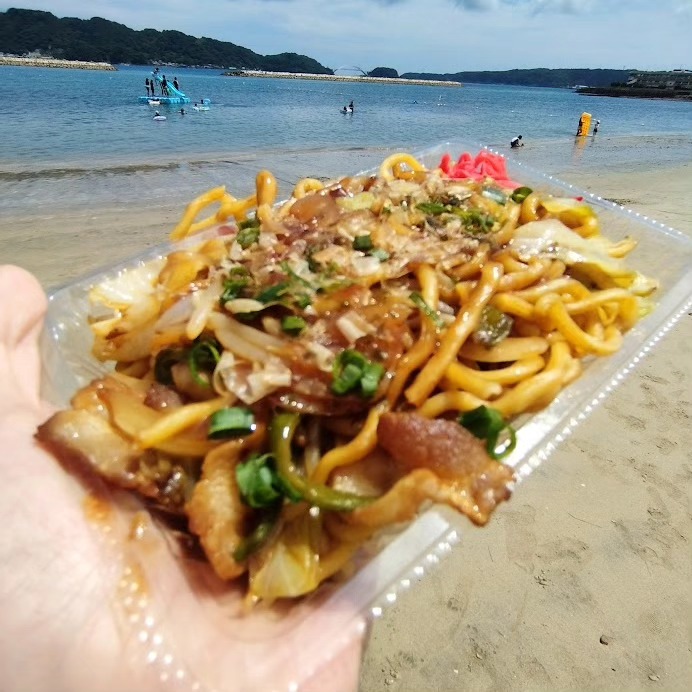
What's New at Bokka no Sato: Baby Lambs, Winter Snow, and Floral Peaks
High in the mountains of Gujo, Gifu Prefecture, the pastoral plateau of Hirugano Highlands operates on an entirely different rhythm from Japan's urban centers. Operated by Bokka Corporation, a subsidiary of regional retail powerhouse Valor Holdings under president Yoshiaki Takagi, the expansive agricultural theme park known as Bokka no Sato has spent early 2026 overhauling its seasonal playbook. Fresh dispatches from local broadcast monitors and an on-the-ground note Report track a steady transformation across the park's pastures, where a mid-winter livestock baby boom has intersected with specialized cold-weather infrastructure built specifically for young families.
For travelers planning trips along the Tokai-Hokuriku corridor, word-of-mouth traveler reviews (known locally as kuchikomi) increasingly focus on two extremes: the sheer calm of high-altitude agricultural retreats versus the logistical bottleneck of peak holiday weekends. Between newly birthed lambs, dedicated toddler snow zones, and sprawling floral plateaus that cycle through tens of thousands of blooms, Bokka no Sato presents distinct operational realities across the four seasons.
📌 Key Takeaways:
- Winter Livestock Boom: Six newborn baby Suffolk lambs arrived between January 29 and February 9, 2026, drawing heavy regional interest to the park's heated indoor nurseries.
- Toddler Snow Safety: The park's winter operation prioritizes a controlled "kids snow debut" environment, pairing dedicated sledding runs and snow tubing with zero exposure to alpine ski traffic.
- Crowd Management: Advance ticket sales are now essential during Golden Week and autumn Silver Week to bypass massive ticket booths and gain modest entry discounts.
Winter Operational Shifts and the 2026 Suffolk Lamb Baby Boom
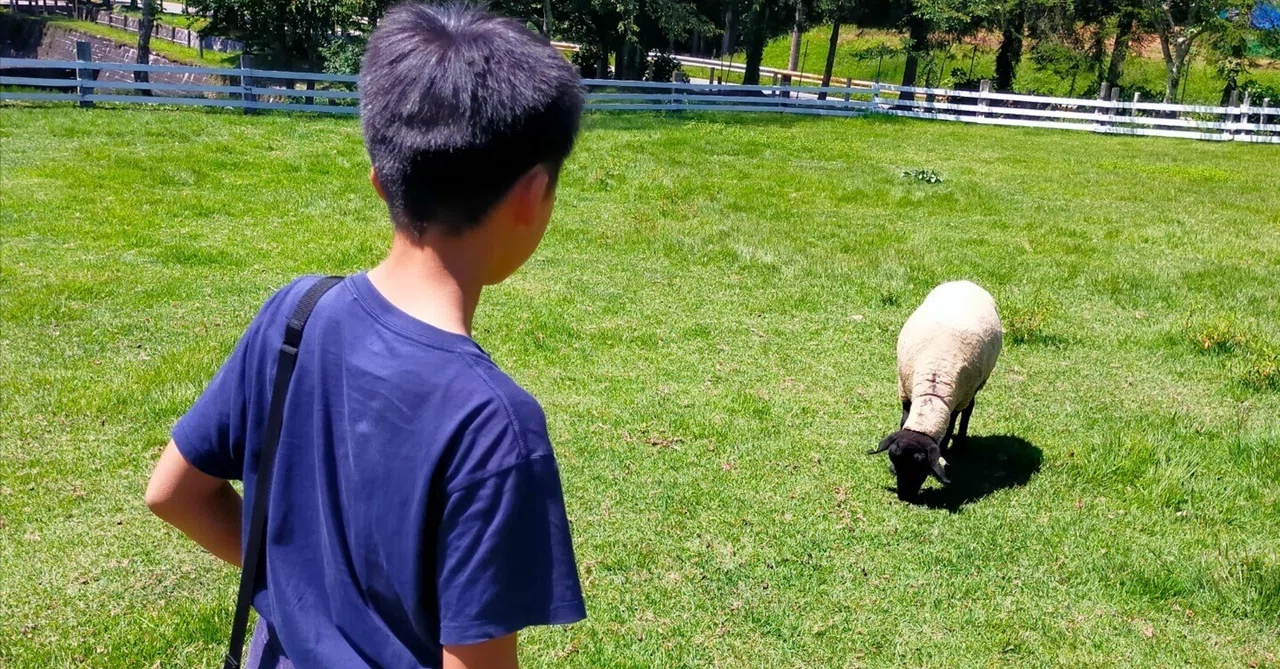
Winter at Hirugano Highlands usually signals heavy snowfall and sub-zero temperatures. In late January 2026, the agricultural team faced an intense indoor delivery schedule. According to regional coverage from Nagoya Television (Me-tele), six baby Suffolk lambs were born between January 29 and February 9, 2026. Known for their distinct jet-black faces, ears, and legs set against pale body wool, the newborns quickly transformed the park's indoor holding barns into an observational hub for early winter visitors.
Livestock keepers keep the newborns inside temperature-regulated nursery pens during their first weeks to shield them from the biting mountain air. Guests can watch the lambs nurse and interact with their mothers at close range without disturbing the flock. Farm staff structure these viewing areas with transparent barriers and raised platforms. The arrangement prevents curious toddlers from leaning directly into the pens while keeping sightlines clear for photography. Visitors consistently report that seeing the dark-faced lambs stumble through fresh straw provides a rare, low-stress encounter compared to crowded commercial petting zoos in Nagoya or Osaka.
Sledding Hills and the Low-Stakes "Kids Snow Debut"
Ski resorts across Gifu Prefecture cater heavily to intermediate snowboarders and high-speed downhill traffic. That dynamic often creates an intimidating, hazardous environment for families traveling with toddlers. Bokka no Sato occupies a completely different niche during its winter operational window, positioning itself as the premier site for a child's first contact with snow.
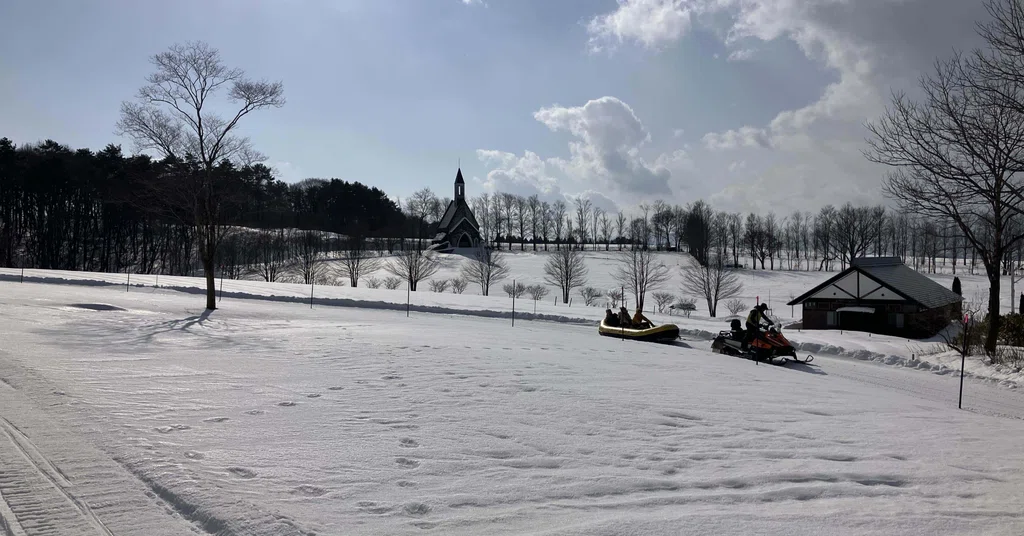
The park strips away steep descents in favor of wide, shallow sledding slopes and groomed snow-tubing lanes. High safety berms flank every track to stop runaway sleds before they reach walking paths. Parents can rent plastic sleds on-site for a modest fee, eliminating the need to haul bulky winter gear up the mountain. Because the theme park operates on a plateau rather than a vertical ski mountain, walking between the warming huts, feeding barns, and snow fields requires minimal effort. Community discussions on Japanese travel forums regularly emphasize this flat layout: parents can let four-year-olds exhaust themselves in powder drifts without worrying about oncoming downhill skiers.
Hands-On Pasture Encounters: Milking, Feeding, and Festival Games
When the snow clears and the green season takes over, the park pivots directly into hands-on farm activities. The flagship draw remains the twice-daily cow milking experience conducted at the main dairy barn. Visitors line up along sanitized stalls where agricultural handlers guide children through the mechanics of milking Holstein dairy cattle by hand. Sessions run on strict schedules to protect the cows from overhandling, making early arrival at the barn mandatory.
Outside the main barn, the petting zoo and animal feeding areas allow self-paced interaction with horses, ponies, sheep, and alpacas. Pellet vending machines positioned along the fences dispense livestock feed for ¥100 to ¥200, though staff regularly cut off sales once daily dietary limits are reached. Field reports from family travelers also highlight quirky, seasonal pasture diversions, including informal field contests like the classic slipper-throwing competition (surippa-tobashi) organized on the grassy lawns during summer weekends. These low-tech, open-air diversions keep the property grounded in traditional agricultural recreation rather than digital stimulation.
Seasonal Bloom Cycles Across the Hirugano Highlands Plateau
Agriculture at Bokka no Sato extends well beyond livestock. As a designated management facility under Gujo City, the park maintains extensive botanical zones that adapt to the short, intense growing seasons of the central highlands. According to corporate disclosures from Bokka Corporation, the late-summer and early-autumn transition marks one of the most commercially critical operational windows.
By September, roughly 20,000 individual floral plantings reach their peak across the central display fields. Large swaths of deep scarlet salvia and dense, globe-shaped Kochia (summer cypress) line the central paths, shifting from vibrant lime green to deep crimson as mountain temperatures drop ahead of October. This display forms the backbone of the park's Silver Week tourist surge. Earlier in the year, between late April and mid-May, the same soil holds hundreds of thousands of blooming tulips, engineered to peak precisely when domestic travelers embark on nationwide road trips.
| Season | Core Operational Draw | Crowd Severity | Visitor Ticketing Strategy |
|---|---|---|---|
| Spring (Apr, May) | Tulip fields, pasture turnout, newborn farm animals | Extreme during Golden Week | Advance digital ticket purchase required to skip lines |
| Summer (Jun, Aug) | Highland heat escape, cow milking, water play areas | Moderate to High on weekends | Standard entry; arrive by 9:30 AM for barn sessions |
| Autumn (Sep, Nov) | 20,000 Kochia and salvia blooms, bread-making workshops | Heavy during Silver Week | Advance booking advised for three-day weekend travel |
| Winter (Dec, Mar) | Toddler snow park, sledding, indoor nursery lamb viewings | Low to Moderate | On-site gate purchase; check highway tire regulations |
Managing Peak Crowds: Advance Ticketing and Golden Week Realities
While Bokka no Sato projects an image of rural tranquility, high holidays paint a different picture. Official travel alerts circulated across Japanese social media channels ahead of Golden Week caution that highway exits and surface access roads can grind to a halt by mid-morning. The Tokai-Hokuriku Expressway often backs up for several kilometers leading to the Hirugano Kogen Service Area and smart interchange.
To avoid gate congestion, management actively steers visitors toward advance digital ticket platforms. Booking via smartphone channels prior to arrival not only secures a modest price discount over gate admission but also allows families to bypass physical ticket lines that can stretch past 45 minutes during the early May peak. Reviews on Japanese tourism portals warn that parking lots fill up fast: those arriving past 11:00 AM on national holidays often find themselves routed into distant overflow lots, requiring long shuttle walks with strollers.
Food infrastructure requires equal planning. The on-site restaurants, famous for local Hida beef barbecue sets and fresh dairy soft-serve, experience crushing demand between 11:30 AM and 1:30 PM during holiday rushes. Seasoned visitors recommend packing lunch boxes to eat on the open lawn areas or scheduling restaurant meals early to keep family itineraries intact.
Frequently Asked Questions (FAQ)
Q1: What is the best month to see newborn Suffolk lambs at Bokka no Sato?
A1: Mid-February through March offers the highest concentration of newborn lambs. Following the late January delivery cycle, the lambs stay active in the indoor nursery barns throughout the late winter season before being transitioned out to pasture in mid-spring.
Q2: Can toddlers participate in the winter snow park without specialized ski clothing?
A2: While formal ski suits are not mandatory, waterproof snowsuits, water-resistant mittens, and insulated snow boots are strongly advised. Sledding runs throw up wet powder, and the plateau winds can rapidly chill damp clothing. The park rents basic sleds, but does not provide personal winter clothing rentals.
Q3: Why are advance tickets recommended for Golden Week?
A3: Advance electronic tickets allow visitors to skip the physical ticket sales windows at the front gates. During the peak holiday window from late April to early May, gate queues can exceed 45 minutes, creating severe delays for families with small children.
Q4: Do cow milking and craft workshops cost extra on top of general admission?
A4: General admission covers entry, floral viewing, and pasture access. The daily cow milking experience is generally included on a first-come basis, while specialized hands-on craft workshops (such as bread baking or floral crafts) and livestock feeding pellets require separate nominal fees.
Navigating Hirugano Highlands Farm Culture in 2026
Bokka no Sato succeeds by resisting the temptation to turn itself into a high-speed amusement park. Its appeal rests on deliberate pastoral pacing: hands-on agricultural chores, wide-open mountain air, and seasonal changes that govern the landscape from month to month. Whether watching newborn black-faced Suffolk lambs explore their pens in the dead of winter or navigating thousands of autumn blooms against the backdrop of Mount Hakusan, visiting successfully comes down to timing. Travelers who bypass peak-hour highway jams and secure digital passes ahead of time will find one of the most authentic, well-managed rural escapes in central Japan.