Who Is Marie Wakana? The Ultimate Profile on Shiki Theatre Company’s Renowned Musical Star
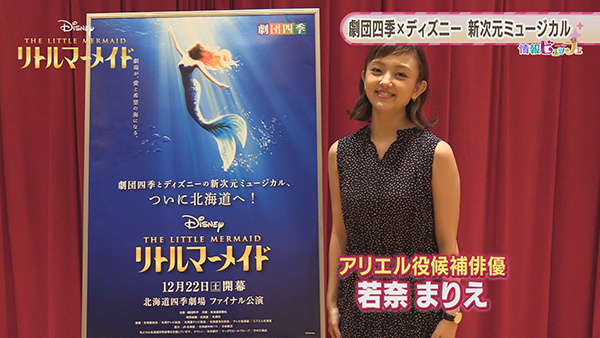
Few theatrical institutions enforce quality control as rigorously as Japan's Shiki Theatre Company. When the curtain rises at Tokyo Disney Resort’s Maihama Amphitheater or the Dentsu Shiki Theatre UMI in Shimbashi, audiences do not buy tickets for celebrity headliners; they buy tickets for technical perfection. Within this fiercely competitive environment, where leading roles rotate on a strict weekly basis without advance star billing, soprano Marie Wakana has quietly become one of the most bankable leading ladies in Japanese commercial musical theatre.
Wakana’s journey from a rigorous classical dance and vocal background to headlining major Broadway adaptations in Tokyo mirrors the evolution of Gekidan Shiki itself. Over the past decade, she transformed from a sharp, dependable ensemble player into Disney’s premier Japanese Princess Jasmine in Aladdin and later earned the coveted mantle of Belle in the reimagined production of Beauty and the Beast. Her trajectory offers a rare window into how Japan’s premier theatrical powerhouse develops and sustains generational stage talent.
📌 Key Takeaways:
- Elite Casting Credentials: Marie Wakana stands among an elite group of Japanese musical theatre actresses who have successfully transitioned between Disney's two most demanding vocal heroines: Jasmine in Aladdin and Belle in Beauty and the Beast.
- The Shiki Meritocracy: Her rise reflects Gekidan Shiki’s notoriously demanding audition structure, which awards contracts purely through vocal stamina, acting precision, and technical versatility rather than mainstream celebrity pull.
- Accessing Performances: Because Gekidan Shiki does not sell advance tickets tied to specific performers, catching Wakana live requires tracking the company’s official Monday cast schedules and booking long-running flagship Tokyo runs.
From Classical Discipline to Gekidan Shiki's Elite Audition Ranks
Before commanding the massive stages of Tokyo’s licensed West End and Broadway transfers, Wakana built her foundation through traditional theatre training. She developed her stage instincts through extensive childhood dance instruction, transitioning through classical ballet, jazz, and traditional vocal technique. This multifaceted preparation positioned her perfectly for Gekidan Shiki's annual general audition, widely recognized as one of the most grueling casting calls in East Asia.
Shiki Theatre Company receives thousands of audition tapes annually from across Japan, South Korea, and overseas. Less than 3% of applicants receive contracts. The company looks for complete technical self-sufficiency. Actors must project crystalline Japanese diction using Shiki’s trademark "Boin-ho" (vowel separation method) while executing demanding choreography. Wakana cleared these hurdles early, entering the company and cutting her teeth in foundational family musicals and large-scale ensemble tracks. Her early appearances in productions like The Little Mermaid and The Boy Who Wanted to Be a Human (Ningen ni Naritagatta Neko) established her vocal stamina, proving she could withstand eight-show weekly performance cycles without pitch degradation.
Stepping Into the Palace: The Defining Run as Princess Jasmine
Wakana’s defining career leap arrived with her casting as Princess Jasmine in the Tokyo production of Disney’s Aladdin at Dentsu Shiki Theatre UMI. The role of Jasmine in Alan Menken’s stage adaptation requires a deceptively wide dynamic range: warm lyric soprano warmth in the mid-register, blended with a sharp, contemporary belt capable of carrying over a twenty-piece orchestra during showstoppers like "These Palace Walls" and "A Whole New World."
Japanese audiences immediately took note of her acting choices. While previous performers often leaned into the passive fairy-tale tropes of the 1992 animated film, Wakana leaned hard into the stage version's fiery defiance. Her chemistry with co-stars created a Jasmine who felt grounded, self-assured, and politically alert. The performance quickly cemented her reputation as a reliable company lead, earning praise from both domestic critics and international Disney Theatrical Group supervisors overseeing the Tokyo franchise.
Key Roles and Theatrical Milestones Across the Tokyo Repertoire
To grasp Wakana's standing in Japanese theatre, one must look at how her roles span complex classic staging and multi-year licensed blockbusters. Gekidan Shiki cycles its principal artists through revivals and long-term residencies, maintaining an active roster that demands fast role readiness on less than forty-eight hours' notice.
| Production | Character / Role | Theatrical Significance & Venue |
|---|---|---|
| Beauty and the Beast | Belle (Lead) | Maihama Amphitheater premiere cast (2022, 2026); reimagined staging and costuming. |
| Aladdin | Princess Jasmine (Lead) | Dentsu Shiki Theatre UMI; multi-year principal rotation anchor. |
| The Little Mermaid | Mersister Ensemble / Aerial Track | Shiki Theatre Natsu; early physical conditioning in harness aerial work. |
| The Boy Who Wanted to Be a Human | Liesel / Principal Ensemble | National Touring Circuit; foundational mastery of Shiki's classical text delivery. |
The progression illustrated above highlights an intentional career curve. Wakana did not leap directly into top billing; she absorbed the company's discipline across physically demanding ensemble slots before stepping under the spotlight. That trajectory provides performers with exceptional physical durability, insulating them against the vocal strain common in high-pressure commercial theatre runs.

Redefining Belle at the Maihama Amphitheater
In October 2022, Disney Theatrical Productions and Gekidan Shiki opened an entirely reimagined version of Beauty and the Beast at Tokyo Disney Resort’s Maihama Amphitheater. This was not merely a restaging of the 1995 Broadway original. It featured rewritten orchestrations, updated scenic design, modern costume designs by Ann Hould-Ward, and a refreshed staging vision that required a more layered, modern Belle.
Wakana secured the role of Belle in this milestone run, sharing the part in rotation with established company veterans like Mayako Hirata. Her interpretation brought a brisk, thoughtful intellectualism to the part. When performing "Change in Me", a song added during Toni Braxton's original Broadway tenure and retained in the updated Japanese staging, Wakana delivers the soaring key change with pure acoustic warmth, avoiding the pinched nasal tones that sometimes afflict soprano-belt crossover numbers. Her Belle feels less like a daydreaming village girl and more like an intellectual outsider determined to choose her own fate.
Decoding Gekidan Shiki’s Casting System and How to See Her Live
International theatre fans accustomed to West End or Broadway practices are often confused by how Japanese commercial theatre operates. On Broadway, producers market shows around headliners, advertising months in advance that a specific actress will appear on Tuesday night. Shiki Theatre Company rejects this model entirely.
Under Shiki’s founding philosophy, originally shaped by visionary producer Keita Asari, the show itself is the star. The company employs an unyielding double- or triple-casting system across all active shows. Cast rosters are locked strictly on a week-by-week basis. Every Monday at 10:00 AM JST, Shiki updates its official online schedule, announcing the performance lineups for Tuesday through Sunday. This structure ensures zero drop-off in production quality when principal performers rest or attend rehearsal cycles for other shows.
To see Marie Wakana live on stage, follow this approach:
First, monitor the weekly Monday casting updates on the official Shiki portal. Second, look for productions where she is actively in current rotation, primarily the open-ended run of Beauty and the Beast at Maihama or return stints in Aladdin. Third, secure tickets through the Shiki 'no Kai' fan club pre-sales or general ticket vendors like Pia and Lawson Ticket well in advance. Premium "S1" orchestra seats typically run between ¥13,000 and ¥16,500. Because tickets often sell out months ahead, local theatre fans buy seats for key weekend performances and embrace whichever principal artist steps onto the stage, knowing that if Wakana is in the lineup, they are witnessing one of the company's sharpest vocalists at work.
Frequently Asked Questions (FAQ)
Q1: What vocal range does Marie Wakana typically perform in?
A1: She performs as a lyric soprano with strong contemporary mix-belt capability. This flexible upper register allows her to execute Disney soprano classics like "Part of Your World" as well as the more assertive pop-theatre phrasing required for Princess Jasmine in Aladdin.
Q2: Can you buy tickets specifically to see Marie Wakana in advance?
A2: No. Gekidan Shiki does not sell single-performer tickets or guarantee advance dates for specific actors. Weekly casting schedules are released every Monday morning at 10:00 AM JST for that week's slate of performances, maintaining an ensemble-first tradition across all Tokyo venues.
Q3: Has Marie Wakana released any commercial solo albums or television recordings?
A3: Shiki company performers rarely release solo pop albums due to exclusive contract arrangements with the theatrical organization. Her vocal performances can be found on official Gekidan Shiki cast recording releases and official promotional performance videos produced by Disney Theatrical and Shiki.
The Evolving Artistry of Marie Wakana
Marie Wakana captures the quiet discipline that defines Gekidan Shiki’s enduring success. In an entertainment market increasingly dominated by instant internet notoriety and television crossover casting, her career proves that classical rigor, precision voice training, and unwavering commitment to the stage still build genuine theatrical longevity. As Tokyo’s commercial theatre landscape expands with new licensed productions and state-of-the-art venues, Wakana remains a shining example of what happens when exceptional raw talent meets uncompromising company discipline.