Who Really Played Fujikko-chan? Fact-Checking the Full Roster of Iconic Brand Ambassadors
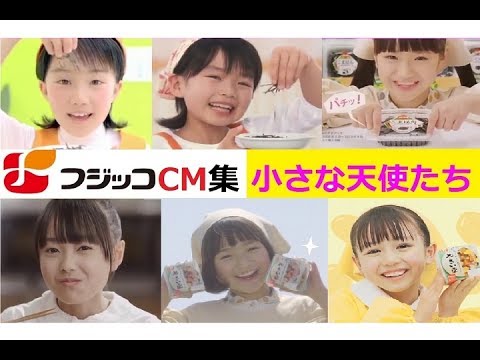
Few commercial figures in Japanese television history carry the immediate, cross-generational recognition of Fujicco’s young brand ambassadors. For over four decades, the Kobe-based food manufacturer built its household reputation on wholesome side dishes, traditional simmered beans (o-mame-san), and sea kelp (tsukudani), anchored almost entirely by the beaming faces of young girls in traditional kerchiefs and aprons. Yet search the Japanese web today for "フジッコ cm 女の子 歴代" (Fujicco commercial girls history), and you run headlong into a maze of conflicting wiki entries, mistaken identities, and viral fan theories conflating completely different child stars across three distinct broadcast eras.
The confusion stems from a fundamental disconnect: viewers frequently blur the line between the company's 1980s breakout child star, the 2003 debut of its cartoon mascot, and the competitive nationwide live-action auditions launched in 2013. Disentangling corporate press releases from internet myth reveals a calculated, highly influential chapter in modern Japanese commercial casting.
📌 Key Takeaways:
- The Original Icon: Child actress Mari Yamauchi set the template in the early 1980s with her runaway hit "O-mame-san" commercials, forever establishing the image of a bright-eyed girl enjoying simmered beans.
- The Character Rebirth: Fujicco launched its illustrated character mascot, "Fujikko-chan," on November 23, 2003, but did not cast a real-world child ambassador under that official brand title until a high-profile national audition in late 2013.
- The Myth Buster: Viral rumors asserting that megastars like Mana Ashida or Rena Tanaka served as official "Fujikko-chan" spokespersons are flatly false, stemming from visual misattributions and overlapping broadcast slots.
The 1980s Breakthrough of Mari Yamauchi
To understand why Fujicco’s advertising left such an indelible mark on Japanese pop culture, one has to revisit Japan's high-growth television landscape of the early 1980s. At the time, food companies battled fierce supermarket competition by humanizing everyday staples. Fujicco hit gold when casting young Mari Yamauchi.
Yamauchi possessed an effortless, uncoached charm that cut through the glossy sheen of typical television advertising. Dressed in modest home clothes, her round cheeks and expressive eyes turned a simple bite of simmered black soybeans into an emotional anchor for family dinner tables. Her signature delivery, innocently urging viewers to eat their beans and grow strong, crystallized Fujicco's brand equity overnight. Industry monitors at the time noted that her spots achieved near-universal recognition across regional and national broadcasts, cementing an archetype that Japanese agency casting directors would spend the next three decades trying to replicate.
Yamauchi was not marketed under the formal title of "Fujikko-chan," because the registered mascot character did not yet exist. She was simply a gifted child performer whose genuine screen presence became synonymous with the company name itself.
From Cartoon Mascot to the 2013 Live-Action Search
By the early 2000s, corporate branding in Japan had shifted dramatically toward yuru-chara (mascot characters) and stylized intellectual property. On November 23, 2003, deliberately timed to coincide with Japan’s designated "Kombu Day", Fujicco introduced an official illustrated character named Fujikko-chan: a cheery cartoon girl sporting a signature kerchief tied around her head.
For a decade, this two-dimensional mascot adorned packaging for boiled soybeans, pickled vegetables, and kelp tsukudani. But as the mascot's tenth anniversary approached in 2013, company executives sought a fresh way to connect with millennial parents who were gradually buying fewer traditional preserved foods. The solution was an ambitious nationwide talent search to find the real-life incarnation of the illustrated character.
Announced in mid-2013, the "2nd Generation Fujikko-chan Audition" drew 2,357 applicants from children's talent agencies and general public submissions across Japan. The naming convention caused immense public confusion: Fujicco labeled the winner the "2nd Generation" to honor the illustrated character as the first, rather than citing Yamauchi’s historical live-action run.
In November 2013, five-year-old child model Karin Motoki captured the grand prize. Outfitted in the character's signature white-and-red kerchief and traditional apron, Motoki stepped into an extensive campaign circuit that included corporate banquets, seasonal recipe demonstrations, and high-rotation television spots.
| Era & Window | Performer / Role | Key Campaigns & Brand Function |
|---|---|---|
| 1980, 1984 | Mari Yamauchi (Child Actress) | Original "O-mame-san" spots; established the classic child-eating-beans trope. |
| 2003, 2012 | Original Fujikko-chan (Mascot) | 2D packaging illustration; established the visual signature kerchief. |
| 2013, 2018 | Karin Motoki (2nd Gen Child Star) | Won national audition out of 2,357 entries; served as the premier live-action brand face. |
| 2015, 2022 | Kazue Fukiishi (Lead Adult Endorser) | Steered adult consumer trust across daily side dish lines (*Okazu-san*). |
| 2023, 2026 | Hybrid Lineup & Digital Mascots | Cross-generational spots pairing legacy talent with modern nutrition-focused messaging. |
Untangling Common Internet Cast Mix-Ups
Because Japanese commercial television frequently airs food advertisements in dense morning and late-afternoon blocks, digital discussions often attribute Fujicco’s past campaigns to child actors who never stepped foot on their sets.
The most common mix-up involves Mana Ashida. At the peak of Ashida’s early-2010s stardom, she represented a sweeping portfolio of domestic food giants, including major soy sauce and curry brands. Casual viewers regularly conflate Ashida’s signature bob haircut and bright kitchen commercials with Motoki’s parallel 2013, 2014 Fujicco spots. However, talent agency booking records confirm that Ashida never held an endorsement contract with Fujicco.
A similar retroactive misattribution attaches to actress Rena Tanaka. Tanaka's breakout commercial legacy is tied to Suntory's iconic "Nacchan" fruit juice campaign from the late 1990s. The phonetic similarity between "Nacchan" and "Fujikko-chan," paired with Tanaka’s girl-next-door persona, led multiple retrospective internet forums to erroneously list Tanaka as a former Fujicco girl.
Equally prevalent are mix-ups surrounding Kazue Fukiishi. Fukiishi was indeed a foundational Fujicco brand ambassador for years, but she represented the line as an established, mature actress embodying the reliable homemaker, not as a child star playing Fujikko-chan.

Where the Young Stars Landed After the Spotlight
The career trajectory of a Japanese commercial child star rarely follows a straight path. Unlike theatrical actors whose training prepares them for long stage careers, child commercial ambassadors are selected primarily for unstudied naturalism, symmetry, and instinctive likability.
Mari Yamauchi largely stepped away from mainstream public entertainment as she grew older, joining the ranks of former child icons who prioritized education and private professional lives over the grind of the adult agency system. Her relative quiet fueled decades of message-board speculation, but former agency insiders consistently note that stepping back after a lucrative childhood run remains the standard choice for young Japanese commercial talent.
For Karin Motoki, the Fujicco platform served as a rigorous showcase. Working corporate press conferences, appearing alongside government nutrition advocates, and maintaining high camera discipline while eating hot food on camera requires intense concentration. Motoki balanced commercial modeling with general schooling, demonstrating the modern reality for child talent in Tokyo and Osaka: brand ambassadorships now function as structured, time-limited engagements overseen by strict labor standards, rather than indefinite commitments to the entertainment pipeline.
The Commercial Playbook That Keeps Fujicco Resonant
Food marketing in Japan faces a persistent demographic headwind: an aging population, shrinking household sizes, and waning consumer interest in traditional, slow-cooked side dishes. By tethering its brand identity to a continuous lineage of energetic young girls, Fujicco solved a critical marketing dilemma.
Simmered black beans and kombu tsukudani are inherently heritage foods, traditionally associated with older generations and New Year banquets. Putting a young child at the center of the frame radically reframes the product. It signals that these preserved staples are not dusty relics of post-war dining, but essential, nutritious, and appetizing food for growing children.
The strategy relies on cross-generational psychology. Grandparents purchase the product out of nostalgic resonance with the 1980s Yamauchi era. Parents purchase it seeking convenient, healthy nutrients for their children. Meanwhile, the consistent visual code, the head kerchief, the broad smile, the theatrical bite of a single bean, creates an unbreakable thread of brand familiarity that few modern snack brands can match.
Frequently Asked Questions (FAQ)
Q1: Was there an official 1st Generation live-action Fujikko-chan?
A1: Officially, no. Fujicco designated the illustrated mascot introduced on November 23, 2003, as the "1st Generation." When they held a nationwide search in 2013, the winner, Karin Motoki, was crowned the "2nd Generation," even though the public often considered 1980s commercial star Mari Yamauchi to be the spiritual original.
Q2: Did Mana Ashida ever star in Fujicco commercials?
A2: No. While Mana Ashida dominated Japanese television commercials during the early 2010s and represented several competing food and condiment brands, she never had a contract with Fujicco. The spots viewers remember from that era featured Karin Motoki.
Q3: How were child performers chosen for these campaigns?
A3: Early ambassadors like Mari Yamauchi were selected through conventional talent agency casting calls. In contrast, the 2013 search operated as an open national competition, reviewing 2,357 applicants through multiple rounds of video screenings, camera tests, and unscripted on-camera eating evaluations to gauge natural reactions.
The Legacy of Tabletop Storytelling
The longevity of Fujicco’s brand lineage proves that authentic character casting outlasts fleeting marketing fads. In a digital media ecosystem saturated with rapid trend cycles, the image of a child in a simple apron savoring a bowl of simmered beans remains one of Japan's most effective commercial narratives. By grounding their campaigns in warmth, relatable youth, and disciplined casting, Fujicco transformed basic kitchen staples into enduring symbols of domestic comfort.