Why Most Air Fryer Tempura Recipes Fail: The Real Science of Convection Heat
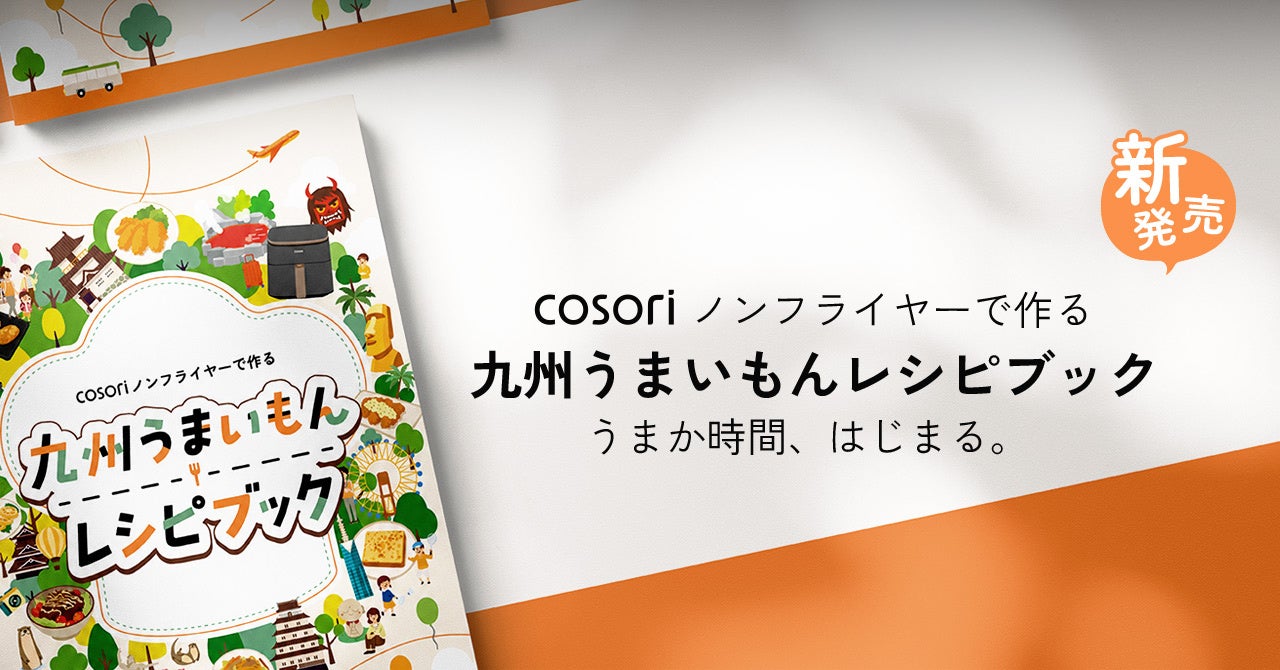
Dumping a ladle of icy, runny tempura batter into a basket of swirling hot air is a guaranteed recipe for disappointment. Instead of the feather-light, lacy golden shell prized in Tokyo’s high-end counter joints, home cooks routinely pull out a gummy, dripping mess plastered to the bottom grate. The culinary disconnect stems from a fundamental misunderstanding of thermal transfer. As countertop appliances dominate modern kitchens, evidenced by VeSync Japan expanding its regional recipe initiatives across domestic markets, detailed in an official PR TIMES Report, home cooks are desperately trying to convert classic oil-submerged recipes into convection successes.
Yet physics does not bend to wishful thinking. Deep-frying submerges cold ingredients in a dense liquid medium that transfers heat at roughly 100 times the speed of dry air. Replicating that structural transformation inside a circulating hot air chamber requires re-engineering hydration, surface tension, and starch chemistry from the ground up.
📌 Key Takeaways:
- The Fluid Dynamic Problem: Traditional runny tempura batter relies on instantaneous submerged heat transfer to vaporize water and set starch; convection heat airflow is too slow, causing wet batter to drip before it solidifies.
- The Starch Formula: Replacing all-purpose flour with a 60:40 blend of potato starch and cornstarch dramatically accelerates surface setting while cutting free water.
- Thermal Priming: Preheating the air fryer basket to 400°F (200°C) and applying an ultra-fine, high-smoke-point oil spray creates the localized contact fry needed to prevent a soggy base.
The Thermodynamic Trap of Traditional Wet Batter
Deep-frying is an act of violent thermal shock. When cold tempura batter hits 350°F (175°C) sesame or canola oil, free water inside the batter flashes instantly into steam. This explosive vaporization creates microscopic vents throughout the coating, foaming the starch into a crisp, delicate glass. Crucially, the liquid oil surrounds every square millimeter simultaneously, locking the batter’s shape in less than two seconds.
Convection heat airflow works on an entirely different thermodynamic principle. Air has an exceptionally low volumetric heat capacity compared to oil. Even at 400°F (200°C), an air fryer transfers heat slowly through forced gas circulation.
When wet, dripping batter sits in a wire basket, gravity pulls the liquid downward long before the passing hot air can heat the starches to their gelatinization threshold (roughly 140°F to 160°F / 60°C to 71°C). The liquid slips through the perforations, pools in the drip pan, and glues the protein to the metal grate. The remaining coating slowly bakes rather than crisps, yielding a dense, leathery skin.
The Starch Shift: Engineering Low-Hydration Batter
To achieve crispness without submersion, the batter's hydration level must drop. Traditional koromo (tempura batter) balances iced water and low-protein cake flour at roughly a 1.5:1 ratio by weight. In an air fryer, that ratio guarantees failure because internal moisture evaporation happens too slowly to prevent sogginess.
Conventional Oil Bath Batter:
Cake Flour (100g) + Iced Water (150ml) + Egg Yolk = Runny fluid (Instant oil set)
Modified Convection Batter:
Potato Starch (60g) + Rice Flour (40g) + Cold Soda Water (85ml) = Viscous paste + Dry dusting
Substituting standard wheat flour with a targeted cornstarch and potato starch ratio changes the drying kinetics. Potato starch (katakuriko) has large granules that gelatinize at a lower temperature than wheat flour, swelling rapidly into a rigid, crunchy exterior. Cornstarch adds structural hardness, preventing the crust from collapsing when steam escapes from the ingredient inside.
Blending rice flour into the mixture lowers gluten development to zero. Gluten traps excess moisture; eliminating it ensures that water escapes immediately when struck by forced convection. For cooks unwilling to reformulate a liquid dredge, the panko crisping method serves as an alternative: dredging items in starch, egg wash, and toasted panko creates air pockets that hot air can dry out without pooling.
Thermal Transfer Benchmarks: Submersion vs. Forced Air
Understanding how heat actually penetrates these coatings explains why standard recipes fail. The table below compares the physical mechanics and outcomes across preparation methods.
| Method & Parameter | Submerged Deep Fry | Air Fryer: Traditional Batter | Air Fryer: Modified Low-Hydration |
|---|---|---|---|
| Medium Temp | 350°F, 375°F (175°C, 190°C) | 380°F, 400°F (193°C, 204°C) | 400°F (204°C) Preheated |
| Heat Transfer Rate | Extremely High (Liquid conduction) | Low to Moderate (Forced gas) | Moderate + Localized Contact |
| Batter Setting Time | 1, 3 seconds | 60, 90 seconds (Drips down) | 10, 15 seconds |
| Crust Texture | Gossamer, brittle, glassy | Doughy bottom, rubbery top | Crisp, snap-fracture crumb |
| Structural Oil Load | 12%, 18% by total weight | 0%, 2% (Uneven dry patches) | 3%, 5% (Targeted micro-mist) |
Preheating and the Oil Spray Technique
Air fryers do not produce radiant oil crusts on dry flour unassisted. Starch must interact with lipids at high heat to fry instead of dehydrate into a chalky layer. This makes the oil spray technique critical to preventing soggy tempura.
Propellant-based cooking sprays often contain lecithin, which leaves a sticky residue that burns onto appliance coatings. Instead, use a pressurized non-aerosol sprayer filled with high-smoke-point avocado, rice bran, or refined peanut oil.
- Preheat Basket (400°F / 200°C for 5 min)
↓
- Lightly Mist Basket Grate
↓
- Place Dredged Ingredient Instantly
↓
- Mist Top Surface Evenly (No Dry White Flour Showing)
↓
- Convection Frying Commences
Preheating the air fryer basket is non-negotiable. Placing coated food directly onto cold wire grates delays bottom starch gelatinization. When the basket iron is already at 400°F (204°C), the base of the battered ingredient undergoes conductive contact frying immediately upon touch. This locks the underside into shape before the circulating air dries the top.
Executing Classic Recipes: Shrimp Tempura and Kakiage
Applying these mechanical rules requires adjusting your technique for specific ingredients. Shellfish and delicate vegetables carry starkly different moisture contents, requiring distinct cooking times and preparations.
Shrimp Tempura (*Ebi Tempura*)
Shrimp contains roughly 75% internal water. When shrimp overcooks, it expels that liquid straight into the crust.
- Prep: Make shallow incisions across the belly (sujikiri) and press the shrimp flat to prevent curling. Pat completely dry.
- Coating: Dust with potato starch, dip in a thick batter (1 part rice flour, 1 part potato starch, cold soda water mixed to a pancake-batter consistency), and coat immediately in fine panko or a secondary starch dusting.
- Execution: Set the COSORI air fryer temperature to 400°F (200°C). Lay shrimp with at least 1 inch of clearance between them. Total shrimp tempura cooking time runs 6 to 8 minutes, flipping gently at the 4-minute mark with a secondary spray mist.
Vegetable Kakiage
Fritter-style clusters (kakiage) made of julienned sweet potato, burdock root, and onion present an even greater airflow challenge because dense vegetable clusters trap steam inside.
To master vegetable kakiage in an air fryer, slice vegetables into uniform matchsticks no thicker than 3 millimeters. Discard excess moisture using paper towels. Rather than pouring batter into the bowl, toss the matchsticks in pure potato starch until coated. Mist with ice water using an atomizer until tacky, then shape into thin discs no more than half an inch thick.
Cook at 380°F (193°C) for 9 to 11 minutes. The lower temperature allows the root vegetables to cook through before the outer starch crust darkens.
Frequently Asked Questions (FAQ)
Q1: Can I use commercial store-bought tempura flour mix in an air fryer?
Commercial mixes rely on low-protein wheat flour, baking powder, and emulsifiers designed for 350°F oil submersion. If mixed with water per box instructions, the batter will drip off the food in an air fryer. To make it work, mix the flour with half the recommended water to form a sticky paste, or use the dry powder as a dredging coat followed by an oil spray.
Q2: Why does my air fryer tempura taste powdery or leave white chalk marks?
White spots indicate dry starch that never reached the hydration and lipid contact threshold needed for gelatinization. The circulating air simply baked the raw powder. Spray the battered food thoroughly with high-smoke-point oil until no dry flour patches remain before starting the timer.
Q3: How do I reheat leftover deep-fried tempura in an air fryer?
While raw wet batter struggles in convection air, pre-fried tempura excels. The crust already contains residual oil and a set starch matrix. Preheat the basket to 360°F (182°C) and heat for 3 to 4 minutes. The circulating hot air pulls internal moisture out while re-crisping the existing oil within the crust, returning it to counter freshness.
Rethinking Japanese Fry Techniques for Modern Kitchens
Convection appliances will never match the exact sensory qualities of a copper vat filled with bubbling, aromatic sesame oil. Expecting an identical outcome from fundamentally different physics will always lead to culinary frustration.
Success requires treating the air fryer as a precision thermal dehydration and surface-crisping unit rather than an oil bath surrogate. Cutting free water, swapping wheat flours for heavy starches, ensuring baseline basket heat, and applying thin oil coatings allow home cooks to build an extraordinarily crisp crust. These adjustments respect the constraints of modern kitchen equipment without sacrificing the culinary standards that make tempura so appealing.