Why Seria’s $1 Colander Food Container Is Flying Off Shelves Nationwide
Walk into a Seria branch in Tokyo or Osaka on a weekend afternoon, and the food prep aisle often displays an empty peg where the store's viral colander food container used to sit. The humble plastic box, priced at just ¥110 (roughly $0.75), has sparked a run on Japanese 100-yen shop kitchenware across social media, drawing international foodies and home cooks into the frenzy. According to a comparative retail investigation tracked by the MSN Report examining cross-brand pantry essentials across Daiso, Seria, and Can Do, consumers are abandoning multi-step cookware routines in favor of precision dual-layer designs that streamline prep work into a single vessel.
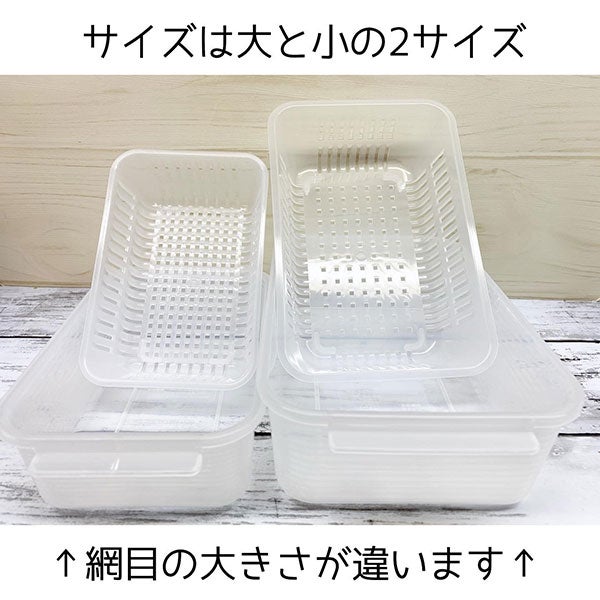
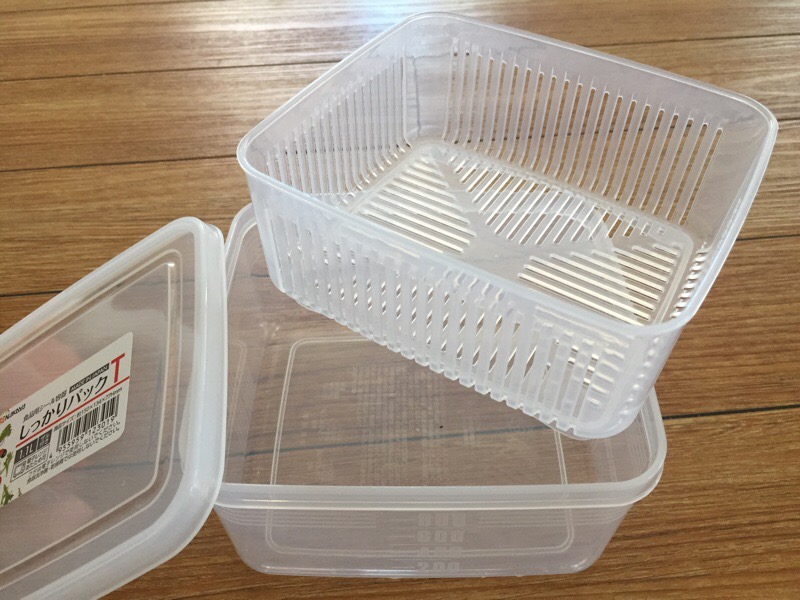
The appeal is rooted in practical efficiency. Known domestically as a zaru-tsuki tapper (ザル付きタッパー), this strainer storage box integrates an inner sieve basket with a tight-fitting exterior container. Instead of washing vegetables in a metal basin, draining them over a sink, and transferring them to standard Tupperware, users can rinse, strain, chill, or reheat within the exact same footprint. The result is a widespread kitchen hack that saves counter space, minimizes dirty dishes, and extends produce freshness for days.
📌 Key Takeaways:
- The Phenomenon: Seria's ¥110 colander box has become a viral hit by combining washing, draining, storing, and microwaving into a single piece of plasticware.
- The Innovation: A raised double-layer floor creates an air barrier beneath damp produce, preventing water pooling and doubling shelf life for greens and berries.
- The Retail Context: While Daiso and Can Do offer larger volume alternatives, Seria's clean aesthetics and compact dimensions have made it the benchmark for minimalist Japanese kitchen organization.
The Kitchen Space Crunch That Sparked the 100-Yen Sieve Boom
Urban Japanese apartments rarely feature sprawling countertops or deep double sinks. A standard studio kitchen in Tokyo frequently offers barely 30 centimeters of usable prep surface between the single induction burner and the wash basin. Cooking under those constraints turns every additional prep bowl into a logistical hassle.
Traditional meal prep demands three distinct items: a colander for rinsing, a cutting board plate for holding, and a sealed bin for refrigeration. When meal prep involves fragile greens, shiso leaves, cherry tomatoes, or boiled noodles like somen, moisture management becomes critical. Excess water ruins food texture overnight. Trapped dampness turns crisp produce into mush within 48 hours.
The double-layer food saver directly answers this mechanical headache. By suspending food roughly 5 to 8 millimeters above the container base, gravity pulls excess moisture away from the ingredients. Air circulates beneath the bottom grate. This vegetable crisping container mechanism turns standard physics into passive freshness preservation, cutting dishwashing duties down to a single compact tub.
Inside the Seria Colander Design: Wash, Drain, and Chill in 60 Seconds
The mechanics of the Seria container are simple yet rigorously executed. The outer vessel is molded from heat-resistant polypropylene, paired with an inner slotted basket that drops cleanly inside with zero wasted perimeter space. A flexible translucent lid seals the entire assembly.
Prep workflows collapse into a rapid loop. You drop chopped scallions, rinsed edamame, or sliced cucumbers directly into the inner basket, run cold tap water over the top, lift the basket to drain the runoff, and drop it straight back into the outer tray. Snap the lid shut, and the container slots into the refrigerator door shelf. As reported by lifestyle outlets detailing summer cooking routines, home cooks routinely use the container to serve chilled somen noodles straight to the table, using the bottom compartment as an invisible reservoir for melting ice.
The unit functions equally well as a microwave steam container. Polypropylene handles temperatures from -20°C up to 140°C. Users drop broccoli florets or sliced pork belly into the basket, snap the lid on loosely to allow steam escape, and microwave for 90 to 120 seconds. Excess rendered fat and condensation drip through the perforations, leaving the food lightly steamed rather than waterlogged.
Retail Showdown: Comparing 100-Yen Giants Across Tokyo Aisles
Seria kicked off the current wave of social interest, but competing budget chains have moved rapidly to introduce their own iterations. Daiso, Seria, and Can Do each approach the double-layer prep container with distinct functional priorities, ranging from aesthetics to brute capacity.
| Product & Brand | Capacity & Dimensions | Microwave & Temp Limits | Primary Everyday Use Case |
|---|---|---|---|
| Seria Sieve Box (ザル付き保存容器) | Approx. 500, 650 mL; slim rectangular profile | -20°C to 140°C (Base & Basket); Lid vent required | Herbs, green onions, cherry tomatoes, single bento portions |
| Can Do Zaru & Pack (ザル&パック) | 800 mL; square squat form factor | -20°C to 120°C; heat-safe body | Chilled somen noodles, tofu draining, bulk salad greens |
| Daiso Double-Layer Crisper (ザル付密閉容器) | 1,000, 1,500 mL (Tiered ¥220, ¥330 models) | -20°C to 100°C; clip-lock latches | Batch meal prep, washed berries, bulk head lettuce storage |
As documented in a detailed breakdown by Yahoo News covering Can Do kitchen gadgets, their 800 mL "Zaru & Pack" variant carved out a dedicated following by balancing deep prep volume with compact shelf footprints. Can Do's square footprint allows home cooks to submerge vegetables entirely during an initial cold-water wash before lifting the strainer clear to air dry. Daiso food storage containers tend to lean toward heavy-duty locking tabs and larger volume footprints at slightly higher price tiers (¥220 to ¥330), making Seria the undisputed champion for minimalist, uniform ¥110 modular organization.
Real-World Testing: What Works and What Fails
Testing these containers over several weeks reveals stark differences between marketing hype and daily kitchen utility. For certain foods, the tool performs exceptionally well; for others, standard glass storage remains superior.
The container shines with cut aromatics. Finely sliced green onions (negi) are notorious for sweating inside airtight plastic, turning slimy within three days. In Seria's double-layer box, moisture falls into the lower reservoir, keeping the cut scallions dry, separate, and fresh for 7 to 9 days. The same applies to freshly washed blueberries, raspberries, and bean sprouts, which avoid water rot entirely.
Tofu preparation offers another practical triumph. Pressing water out of firm tofu usually requires paper towels weighted down with a small plate. Placing a block inside the strainer basket naturally expels water through gravity, collecting 30 to 50 mL of liquid in the basin over two hours without soaking a single disposable paper towel.
The design does have clear operational limits:
Fine-mesh filtering is non-existent. The drainage slots measure roughly 2 to 3 millimeters wide. Rinsing quinoa, small grains of rice, or microgreens through the basket leads to immediate clogging or product loss down the sink drain. Liquid tightness is another weak spot. The lid relies on a friction slip seal rather than a silicone gasket, meaning any tipped vessel will leak drain-water across your refrigerator shelving. Lastly, heating oily broths or tomato sauce creates permanent orange surface pitting on the polypropylene within a single microwave run.
Matching the Tool to Your Cooking Habits
Before stocking an entire cabinet with 100-yen wash and drain food boxes, evaluate your weekly cooking routines against the physical reality of the product.
Ideal Profiles:
Solo cooks, bento makers, and meal-prep enthusiasts benefit the most. If you regularly prep garnishes, wash handfuls of cherry tomatoes, or require fast single-serving vegetable steaming, the Seria system eliminates unnecessary cleanup. The modular rectangular shape nests cleanly inside small compact refrigerators common in student housing and studio apartments.
Risk Flags and Incompatible Uses:
Large families preparing multi-portion dinners will find the 500, 650 mL capacity far too restrictive. Anyone needing leak-proof soup or lunchbox transport should steer clear; these lids pop open under minimal bag pressure. Cookware purists who avoid plastics in high-heat microwave environments should stick to tempered glass containers with stainless steel trivets.
Frequently Asked Questions (FAQ)
Q1: Can Seria's colander container be cleaned in a standard dishwasher?
A1: High-temperature dishwasher drying cycles (exceeding 80°C) can warp the outer lid, destroying the friction seal. While the polypropylene basket and main box tolerate high heat, hand washing the lid under warm water is recommended to preserve dimensional alignment.
Q2: Is the plastic BPA-free and safe for acidic foods?
A2: Japanese food sanitation laws strictly regulate food-contact plastics. The containers are molded from food-grade virgin polypropylene, which is inherently BPA-free. However, prolonged storage of high-acid ingredients like pure lemon juice or vinegar marinades can cause cosmetic clouding over time.
Q3: How does this prevent produce rot better than a paper towel in normal Tupperware?
A3: Paper towels absorb moisture up to a saturation point, after which wet paper rests directly against delicate skins, encouraging mold growth. The suspended strainer maintains a physical 5 to 8 mm air gap, keeping produce elevated and dry while letting collected liquid pool harmlessly underneath.
The Future of High-Utility Japanese Kitchen Organization
The runaway popularity of Seria’s $1 colander food container shows how thoughtful industrial design can disrupt the homeware market without inflated price tags. Major houseware brands routinely retail similar dual-layer produce savers for $12 to $18 across Western markets. Seria, Daiso, and Can Do have demonstrated that the identical functional mechanic can be mass-produced and sold for pocket change.
As micro-living spaces proliferate and consumers scrutinize daily food waste, utility-dense tools will continue to displace single-use kitchen items. This unassuming Japanese sieve box proves that solving everyday domestic friction doesn't require complex gadgets, just smart geometry, practical engineering, and a single coin.