Why You Must Never Call Unknown Numbers Back Without Using 184 Caller ID Block
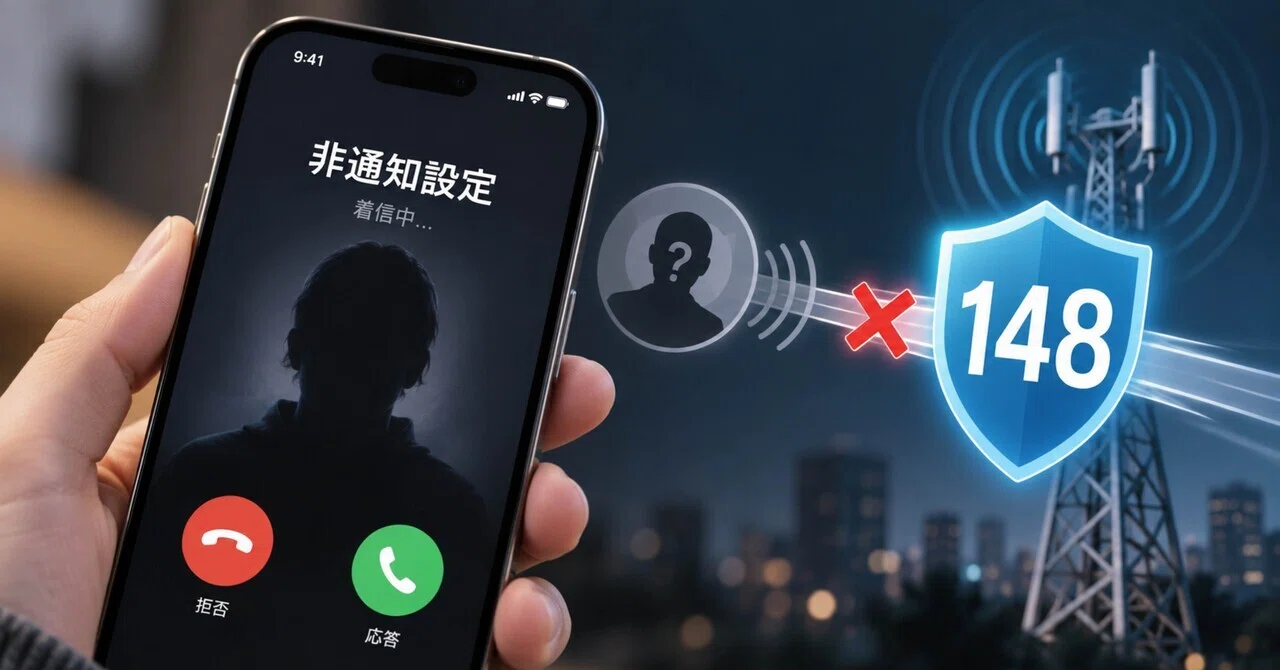
That single missed call glowing on your smartphone screen may look like an ordinary slip, but returning it without precautions can instantly flag your mobile line as an active target for international criminal syndicates. Telecom fraud networks increasingly rely on automated dialing systems that drop the connection after a fraction of a second, banking on human curiosity to trigger a return call. As documented in a recent SoraNews24 Report detailing bizarre overseas scam interactions, boiler rooms now deploy both conversational fraudsters and sophisticated autodialers to harvest responsive lines across Asia.
Dialing the 184 prefix before an unknown number remains Japan's most reliable immediate defense against active line detection. When a subscriber dials an unverified number normally, their caller ID transmits straight into the recipient's private call logs. Fraud groups collect this metadata, verifying that the phone number is tied to an engaged human owner who monitors missed notifications. Understanding how to hide your outbound number using caller ID blocking resets that leverage, stopping automated harvesting operations before they begin.
📌 Key Takeaways:
- The Immediate Threat: Unmasked callbacks confirm to autodialers that your line is active, driving up targeted phishing, spoofing, and extortion attempts.
- The Technical Shield: Prepending 184 to any dialed number in Japan strips your outbound caller ID across landlines, Docomo, au, SoftBank, and Rakuten Mobile.
- Carrier Integration: Pairing 184 dialing with carrier call rejection services like NTT Docomo's 148 service creates a closed loop against anonymous robocalls.
The Automated Mechanics Behind Midnight One-Ring Harassment
Modern phone fraud rarely begins with an articulate human operator. It starts with computer software firing thousands of simultaneous outbound signals across sequential blocks of mobile numbers. Known colloquially in Japan as wan-giri (one-ring drops), these calls are programmed to terminate after a single chime or less than half a second. The objective is not to speak with you on the initial attempt; the sole purpose is to populate your missed-call log.
Independent telecommunications logs demonstrate that these automated sweeps operate on precise schedules. Disconnected users regularly report receiving recurring anonymous drops every two weeks like clockwork, often late in the evening when subscribers are most likely to inspect their mobile screens. When a subscriber dials back without masking their identity, the autodialer registers an incoming connection. That simple action tags your number in a relational database as "verified responsive," immediately multiplying its resale value on underground data markets.
Data released by Japan's National Police Agency on July 31, 2025, underscores how heavily criminal operations rely on standard voice networks. Voice phone calls accounted for 79.1% of all fraudulent scam approaches during the first half of 2025. By answering or returning these probes without screening tools, users inadvertently register themselves on high-frequency target lists utilized by aggressive wire-fraud syndicates.
How the 184 Prefix Disables Caller ID Exposure
Every public telecommunications exchange in Japan contains built-in routing rules designed to respect subscriber privacy at the signaling level. Dialing the three-digit prefix 184 immediately signals the originating telephone exchange to strip the calling line identification (CLI) packet from the call setup sequence. When the recipient's handset rings, their terminal displays only "Private Caller," "Anonymous," or "非通知" (Hi-tsūchi).
Executing an anonymous call requires zero configuration menus or software installations. If a mysterious missed call appears from an unfamiliar landline such as 03-XXXX-XXXX, the caller enters:
184-03-XXXX-XXXX
This syntax works across every major domestic network, including NTT Docomo, KDDI (au), SoftBank, Rakuten Mobile, and wireline IP phone systems. The routing exchange handles the call identically to a standard connection, billing standard airtime rates without surcharges, while completely withholding your ten- or eleven-digit mobile identifier from the recipient's call detail record.
Telecom Privacy Settings Across Major Carriers and Devices
Relying exclusively on manual prefix entry can lead to mistakes if you return calls in haste. Operating systems and domestic carriers offer automated layers of defense that either mask all outbound traffic or automatically drop incoming calls that refuse to present a verified identity.
| Protection Layer | Activation Command / Setting | Primary Function & Result |
|---|---|---|
| Manual Outbound Mask | Dial 184 + Target Number | Hides caller ID for that single outgoing call only. |
| Docomo Anonymous Rejection | Dial 148 > Press 1 | Plays automated voice rejecting callers who hide their numbers. |
| au / KDDI Anonymous Block | Dial 1442 | Terminates incoming anonymous connections without ringing phone. |
| SoftBank Number Block | My SoftBank Portal / Call Option | Routes unidentified incoming callers to rejection message. |
| iOS System-Wide Mask | Settings > Phone > Show My Caller ID | Disables outbound caller ID transmission for all outgoing calls. |
| Android System-Wide Mask | Phone App > Settings > Supplementary Services | Sets outbound Caller ID presentation permanently to "Hide number." |
Carrier-side blocking services, such as NTT Docomo's 148 system, solve the inverse half of the problem. When enabled, your phone will not ring if an incoming call originates from a blocked or unlisted caller ID. Instead, the carrier's network plays an automated voice message informing the caller that the recipient does not accept anonymous calls, instructing them to redial using the identity presentation prefix 186.

When Caller ID Masking Fails or Causes Complications
While masking your phone number preserves anonymity against untrusted third parties, relying on it universally introduces specific communication breakdowns. Telecommunications standards strictly prevent anonymity when routing into public safety answering points. Dialing 110 (Police), 119 (Fire and Ambulance), or 118 (Japan Coast Guard) automatically overrides the 184 prefix, feeding your real-time location data and mobile subscriber number directly to emergency dispatchers.
Legitimate administrative services also routinely reject calls made using 184. City offices, financial institutions, hospitals, and package delivery hubs frequently activate carrier rejection services to prevent employee harassment. If you call these numbers with 184 active, an automated voice prompt will immediately disconnect your call, requesting that you unmask your identity before reattempting.
Additionally, masking outbound identity does not protect against toll fraud when calling back premium international access numbers. Fraudsters frequently deploy overseas numbers disguised with domestic prefixes. If you dial an international toll number, even with 184 attached, the originating network still bills standard international connection rates to your monthly mobile account.
Frequently Asked Questions (FAQ)
Q1: Does dialing 184 cost extra money on my mobile bill?
A1: No. The 184 prefix is an industry-standard telecommunications routing code provided entirely free of charge across Japanese carriers. You pay only standard voice plan rates for the duration of the completed call.
Q2: If I dial 184, can the recipient use carrier services to trace my number?
A2: Standard private recipients and business entities cannot retrieve your number. The network signaling explicitly blocks caller ID delivery to the terminal. Only law enforcement agencies executing court-ordered investigative warrants can demand signaling logs from the carriers after the fact.
Q3: How do I turn off permanent anonymous calling if my calls keep getting rejected?
A3: If your phone masks your identity on every call, your device settings have disabled caller ID presentation. On an iPhone, toggle on Settings > Phone > Show My Caller ID. On Android, open the Phone app, navigate to Settings > Supplementary Services > Caller ID, and select Show number.
Hardening Your Mobile Line Against Relentless Robocall Networks
Securing a personal phone line against fraud requires treating inbound notifications with strict digital hygiene. Missing an unexpected call is not an urgent obligation to respond. Legitimate commercial entities, delivery drivers, and municipal agencies leave voicemails or follow up via documented channels if business requires immediate attention.
When returning a call to an unrecognized number is unavoidable, never dial the raw digits straight from your recent call history. Inputting the 184 prefix ensures that if the destination routes to an autodialing harvest system, your personal identity remains invisible. Combining targeted prefix masking with carrier-level anonymous call rejection tools closes the operational loop, keeping your mobile line off targeted lists and rendering one-ring robocallers entirely ineffective.