Why Your 1-Month-Old Screams After Feeding: The Hidden Culprit Most Parents Miss
Feeding ought to conclude with milk-drunk serenity: heavy eyelids, slack jaw, warm sigh. Instead, your four-week-old unlatches, stiffens like a wooden board, turns crimson, and screams. The distress feels sudden, confusing, and relentlessly loud. Pediatric units and lactation consultants report that post-feeding meltdowns reach their absolute statistical zenith between weeks four and six, when infant digestive systems face their first severe developmental test. As detailed in a clinical analysis highlighted by a 조선일보 Report on soothing infant colic, gastrointestinal discomfort during this window stems from an overlap of immature digestive tract motility, autonomic nervous system shifts, and feeding mechanics rather than a lack of parental competence.
When an infant screams moments after feeding, they are broadcasting a specific mechanical or physiological conflict. Finding the trigger requires looking beyond generic soothing hacks to evaluate how milk enters the stomach, how the stomach handles the volume, and how immature esophageal sphincters respond under pressure.
📌 Key Takeaways:
- The Prime Culprit: Post-feed screaming rarely indicates hunger; it typically stems from trapped gas, silent reflux, or aerophagia caused by an uncoordinated swallow.
- Mechanical Drivers: A forceful maternal letdown or inappropriate bottle nipple flow forces rapid air swallowing, creating acute gastric distension within 10 to 15 minutes after feeding begins.
- The Diagnostic Reality: True cow's milk protein allergy affects roughly 2% to 3% of infants, meaning formula switches should follow systematic pediatric evaluation rather than midnight guesswork.
The Four-Week Biological Surge Behind Post-Feed Distress
At four weeks of age, newborns emerge from their initial sleepy haze. Their sensory awareness sharpens drastically. Concurrently, their daily milk intake climbs from tiny introductory volumes to roughly 24 to 32 ounces in 24 hours. Their gastrointestinal tracts remain profoundly immature. The lower esophageal sphincter, the muscular ring tasked with keeping stomach acid in place, lacks mature tone. Gastric emptying occurs unevenly.
Developmental reporting from Parents tracking six-week developmental milestones underscores that infant crying naturally escalates toward a bell-curve peak around week six before subsiding by week twelve. When milk enters an irritated digestive system, the gastrocolic reflex kicks off involuntary intestinal contractions to make room for incoming food. In older infants, this process goes unnoticed. In a one-month-old, those sharp contractions trigger acute visceral pain, prompting the classic knee-to-chest tuck and high-pitched wail.
Silent Reflux Versus Trapped Gas: Reading the Physical Clues
Trapped gas hurts, but it resolves once an air bubble clears the pylorus or esophagus. Gastroesophageal reflux disease, particularly silent reflux, operates differently. In silent reflux, acidic stomach contents travel up the esophagus, burn sensitive tissue, and get swallowed back down before reaching the mouth. Parents look for projectile spit-up and see nothing, missing the underlying burn.
Babies suffering from trapped gas pull their knees toward their bellies, grimace intermittently, and settle once a burp or flatus releases. Infants experiencing silent reflux show a distinctly different physical pattern. They arch their backs backward violently, cough or clear their throats during feedings, and smell faintly sour. According to clinical guidance from the Cleveland Clinic regarding early infant respiratory symptoms, persistent throat-clearing, wet hiccups, or a dry cough after milk intake frequently point to acid vapor irritating the laryngeal nerves rather than a viral respiratory bug.
Clinical Benchmarks for Newborn Feeding Discomfort
Disentangling physiological reflux from mechanical gas or structural latch issues requires tracking specific physical presentations. The chart below breaks down the four most common sources of post-feeding screams at one month.
| Condition | Primary Symptom Markers | Immediate Management Strategy |
|---|---|---|
| Silent Reflux | Back arching, sour breath, gulping long after feeds, crying when placed flat. | Keep infant upright for 20, 30 minutes post-feed; evaluate for clinical antacid therapy if weight stalls. |
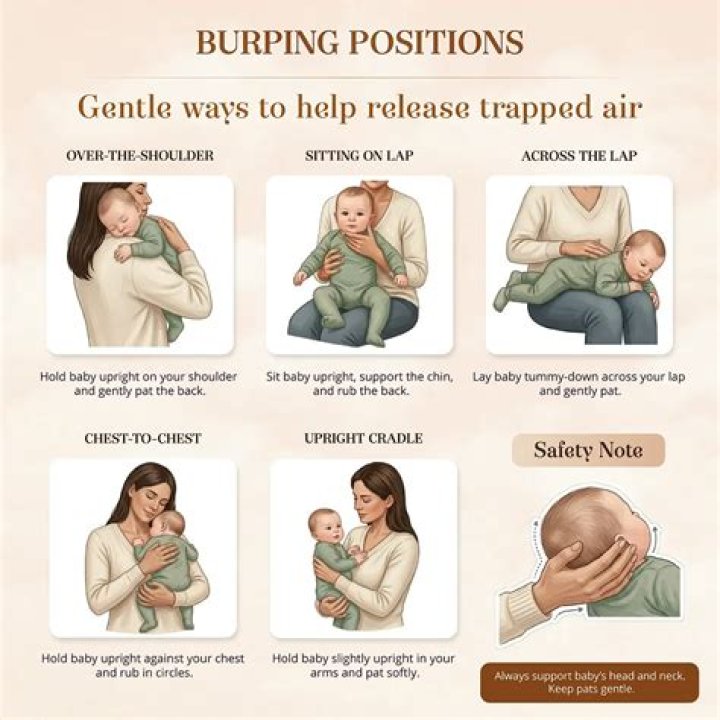
| Trapped Gas & Aerophagia | Hard distended abdomen, legs pumping toward chest, relief following audible flatulence. | Implement intermediate burping; apply counter-pressure via the "tiger in the tree" hold. |
| Fast Letdown Reflex | Clicking noises at breast, sputtering, popping off, green frothy stools from lactose overload. | Nurse in reclined or sidelying positions; hand-express the first intense ejection before latching. |
| Cow's Milk Protein Allergy (CMPA) | Visible mucus or microscopic blood in stool, severe eczema, inconsolable baseline crying. | Switch maternal diet or transition to an extensively hydrolyzed formula under pediatric supervision. |
Mechanics at the Breast and Bottle: Flow Rate Pitfalls
Milk transfer dynamics matter as much as milk composition. When a mother experiences an overactive letdown, milk sprays into the infant’s pharynx with firehose velocity. The baby clamps down to stem the torrent, swallowing huge pockets of air. That clicking sound heard during latch is the audible seal breaking under hydraulic pressure. Within minutes of finishing, the baby's stomach swells with foam, causing acute pain.
Bottle-fed babies face an identical dilemma when using oversized nipples. If a bottle is held vertically, gravity forces fluid into the oral cavity faster than the infant can coordinate the suck-swallow-breathe rhythm. The infant drinks compulsively out of an involuntary swallowing reflex, leading to overfeeding symptoms such as abdominal fullness, lethargy followed by sudden distress, and copious spit-up. Utilizing paced bottle feeding, holding the bottle horizontal to the floor and allowing the infant to draw milk actively, gives the neurological satiety cues time to register, preventing painful gastric distension.
Formula Intolerance and Milk Protein Sensitivities
Parents facing post-feeding tears often rush to replace their formula brand. A consumer watchdog investigation by Consumer Reports on infant formula selection cautioned that rapid, unguided formula hopping often worsens digestive distress rather than curing it. Every recipe change shifts osmolarity, carbohydrate sources, and protein ratios, demanding days for the neonatal gut microbiome to adjust.
True cow's milk protein allergy involves an immune response to the casein or whey proteins passed through dairy formulas or maternal diet. Unlike garden-variety gas, CMPA leaves distinct biological trails: blood-streaked diapers, stubborn atopic eczema, or failure to gain weight appropriately. If post-feed crying occurs without dermatological or stool abnormalities, the culprit is far more likely mechanical air ingestion or benign infant colic than an allergy requiring amino acid-based formulas costing $45 to $60 per can.
The Twilight Meltdown: Navigating the Witching Hour and Overstimulation
Between 5:00 PM and 11:00 PM, newborn biology collides with sensory overload. Known universally as the witching hour, this period features intense cluster feeding, where an infant demands the breast or bottle every 30 to 45 minutes, only to scream inconsolably once detached.
Parents often interpret this pattern as a vanishing milk supply. It rarely is. As evening falls, infant cortisol levels peak while maternal prolactin experiences a circadian dip. The infant cluster-feeds to stimulate milk production for upcoming growth spurts, but their nervous system is simultaneously overwhelmed by twelve hours of light, sound, and gastrointestinal processing. The breast or bottle becomes an oral pacifier, yet taking in more volume on an already taxed stomach compounds the discomfort. Recognizing this cycle prevents parents from mislabeling baseline nervous exhaustion as sudden feeding failure.
Frequently Asked Questions (FAQ)
Q1: Why does my baby seem ravenous again five minutes after crying post-feed?
A1: Sucking acts as a neurological pacifier that releases endorphins and masks pain. When acid burns an infant's esophagus or trapped gas stretches their bowel, their instinct is to root and latch for comfort. Feeding delivers temporary relief while swallowing warm milk, but adding volume to a distended stomach reignites the pain cycle moments later.
Q2: What is the most effective burping method when standard back-patting fails?
A2: The seated chin-support method works best. Sit the baby upright on your lap, support their chin and chest with one hand without compressing the airway, lean their torso slightly forward, and gently rotate their upper body in small clockwise circles. This movement straightens the esophagus and aligns the stomach pocket, allowing trapped air to rise effortlessly.
Q3: How do I know if my baby’s crying requires an immediate pediatric appointment?
A3: Contact your pediatrician immediately if the post-feeding crying is accompanied by projectile vomiting that appears dark green or yellow (bilious), blood in the stool or spit-up, a fever exceeding 100.4°F (38°C), lethargy, or poor weight gain where the baby falls below their clinical growth curve.
Action Steps for Settling Your Newborn
Navigating post-feeding screams requires methodical, incremental changes rather than sudden overhauls. Start with feed positioning. Elevate the baby’s head above their stomach during nursing or bottle feeds, and maintain that 30-degree upright posture for a full 20 minutes afterward. If bottle-feeding, drop to a slow-flow, size-zero nipple and adopt paced feeding strategies to eliminate rapid gulping.
Pause feedings halfway through for an intentional burping interval instead of waiting for the infant to consume the entire bottle or breast. For nursing parents with a forceful letdown, hand-expressing milk for 60 seconds into a cloth prior to latching removes the initial high-velocity surge. Above all, track symptom patterns over consecutive 48-hour windows. Most four-week digestive turbulence reflects an immature nervous and gastrointestinal system trying to adapt to rapid growth, a temporary physiological storm that typically abates as infant anatomy matures past the second month.