Why Your Double Eyelid Tape Keeps Showing: The Viral Secret Most Beginners Miss
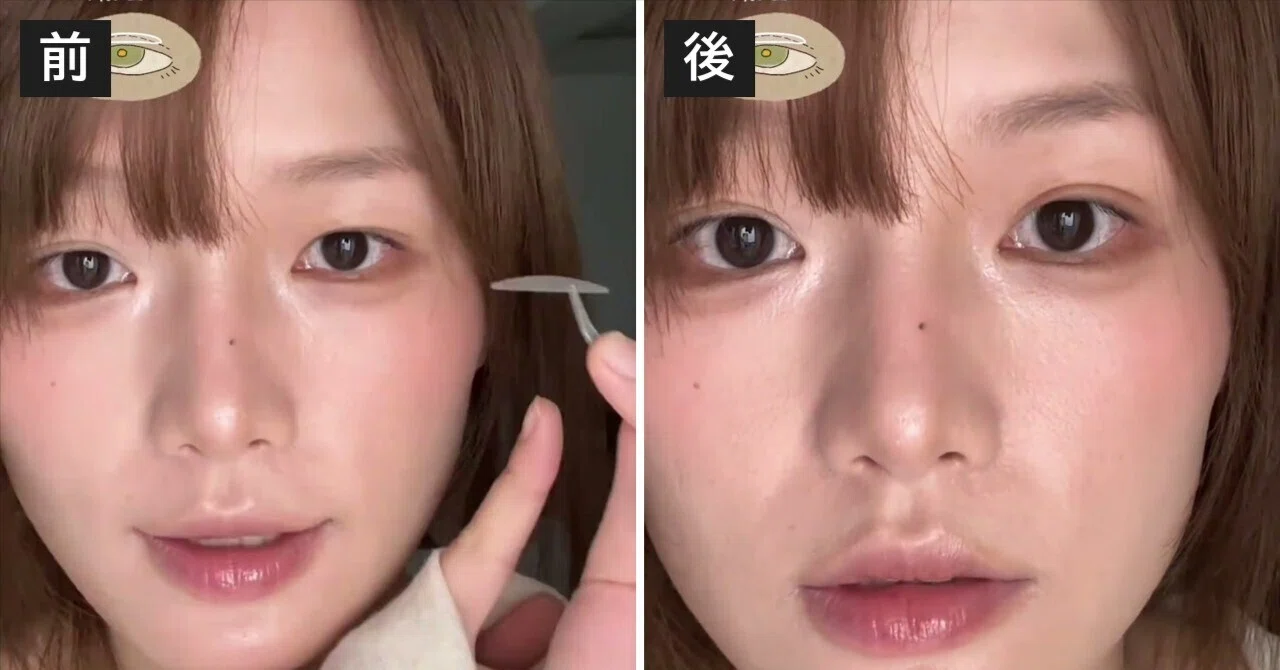
Few cosmetic rituals generate as much quiet frustration as applying eyelid tape. A millimeter too high, and the eyelid refuses to crease naturally, leaving a stiff synthetic ridge that resists blinking. A millimeter too low, and excess skin folds over the strip, dragging the adhesive down until the outer corner flags like a loose price tag. When beauty creator Axiong didi posted a three-minute breakdown on Douyin analyzing this exact mechanical failure, the video struck an immediate chord, amassing over 170,000 likes and 146,000 saves as viewers scrambled to screenshot the placement map.
The viral reaction highlights how millions of people with monolids and hooded eyelids struggle with traditional placement guidelines. Rather than centering adhesive strips across the middle of the eyelid, the emerging technique shifts the structural anchor backward. Detailed analysis published in a note Report documents how this micro-adjustment prevents tape ends from peeking out, avoids obstructed peripheral vision, and preserves a clean, seamless fold that holds from morning until night.
📌 Key Takeaways:
- The Root Flaw: Centering tape across the middle of the eye forces adhesive into high-friction zones, driving edge peeling and unnatural resistance.
- The Viral Adjustment: The outer pupil alignment trick shifts the tape behind the outer iris border, locking excess skin without exposing strip edges.
- Format Evolution: Modern water-activated mesh stickers eliminate the plastic glare of legacy adhesives, blending invisibly under powder eyeshadow.
The Viral Douyin Breakthrough That Rewrote Crease Mechanics
Standard packaging diagrams have advised buyers for decades to center crescent-shaped stickers directly above the pupil. For individuals with deep epicanthic folds or heavy brow fat, this standard advice routinely fails. When placed dead-center, the inner edge of the strip collides with the natural downward pull of the inner eyelid skin. Friction builds with every blink, causing corners to unglue within two hours.
Axiong didi's demonstration cut through conventional beauty advice by diagnosing the anatomical friction points that make double eyelid tape application fail. When users try to force an artificial parallel crease too close to the inner corner, the eyelid cannot fold cleanly over the tape. The adhesive strains against the lid's natural tension, creating that telltale crinkled plastic reflection visible across a room. By realigning where the supportive arch sits, beauty enthusiasts finally found a repeatable way to support the eyelid without creating heavy structural tension.
The tutorial's massive save-to-like ratio points to a broader shift across East Asian and global beauty communities. Consumers are moving away from dramatic, surgically copied parallel folds. Instead, they favor natural eye crease definition that respects existing orbital bone anatomy.
The Outer Pupil Alignment Trick: Fixing Crease Line Positioning
The core breakthrough centers on a precise spatial reference: the outer edge of the pupil. Instead of centering the strip across the entire eyeball, the user finds the natural crease line positioning and places the front edge of the tape directly in line with the pupil's outer rim, extending slightly toward the outer corner of the eye.
This subtle adjustment solves two major issues at once. First, it leaves the high-mobility inner third of the eye entirely unencumbered. When you blink, the inner eyelid glides freely without snagging on adhesive. Second, it places the strongest physical support directly under the lateral hood, which is precisely where skin tends to sag over the lash line on hooded lids.
Applying this method requires identifying where your eyelid naturally wants to fold:
Look down into a handheld mirror tilted at a 45-degree angle. Use a blunt plastic Y-prong to gently trace your lid about 2 to 3 millimeters above the lash line. Once you spot where the fold forms without tugging, set the tape just beneath that line, anchoring the front tip directly above the outer border of the colored iris. This placement produces a tapered crease that opens up the eye while keeping the sticker concealed within the fold.
Comparing Eyelid Strip Formats: Mesh, Double-Sided, and Single-Sided Tape
Selecting the wrong material guarantees tape visibility, regardless of how precisely you position it. Adhesive performance depends on lid thickness, skin oil production, and whether you plan to wear eye makeup.
| Tape Material | Hold Duration | Makeup Compatibility | Ideal Lid Anatomy |
|---|---|---|---|
| Water-Activated Mesh | 10, 14 Hours | Exceptional (Absorbs pigment) | Thin lids, mild hoods, inner double lids |
| Double-Sided Strips | 8, 12 Hours | Poor (Adhesive traps powder) | Thick skin, stubborn monolids |
| Single-Sided Matte Film | 6, 10 Hours | Moderate (Edges can catch shimmer) | Moderate hoods, asymmetric creases |
| Liquid Stretch Tape | 5, 8 Hours | High (Invisible under matte shadows) | Loose skin, mature hooded lids |
Double-sided eyelid strips tuck the skin into itself by sticking to both sides of the fold. While effective for stubborn monolids requiring rigid mechanical support, they prevent the eye from closing completely during relaxed blinks. Single-sided clear plastics eliminate that pulling sensation, yet their reflective sheen often shows under direct indoor lighting.
Water-Activated Mesh and the 100-Yen Retail Shift
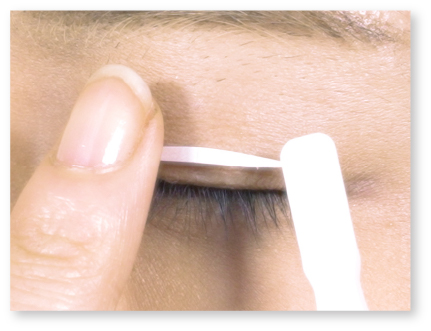
The push for undetectable wear led directly to water-activated eyelid tape. Originally favored by professional film makeup artists in East Asia, the format relies on a woven, perforated fabric coated with dried adhesive. It remains completely non-tacky until misted with water, allowing users to position the strip with tweezers before the bond sets.
Once dry, the porous mesh structure diffuses ambient light instead of bouncing it back like smooth plastic film. The material hit mass-market saturation when discount chains like Seria introduced 100-yen packs across Japan, transforming what had been a finicky pro product into a daily staple. The affordable entry point let users experiment freely with varied crescent widths without burning through costly imports.
These invisible eye stickers work like micro-scaffolding. Because skin breathes through the tiny perforations, sweat and sebum escape rather than pooling beneath an airtight plastic strip. This structural difference alone significantly cuts down on midday slippage.
Solving Tape Peeling and Blending Makeup Over Eyelid Tape
Even perfectly positioned tape will lift if skin preparation is sloppy. Sebum is adhesive's primary enemy. Applying skincare lotions or hydrating cushions directly onto the eyelid before placement creates a slick barrier that guarantees the edges will lift by noon.
Reliable tape peeling prevention starts with clean skin:
Wipe the eyelid with an oil-free micellar water or a dry cotton round. Dust the lid with a micro-translucent setting powder to absorb lingering surface moisture. Apply the tape to bone-dry skin using curved plastic tweezers, pressing down gently with a flat cotton swab to set the glue without transferring natural skin oils from your fingertips.
Working makeup over eyelid tape requires adjusting your application technique. Never drag dense cream pigments or liquid foundations directly across tape edges; the friction will catch the border and peel the adhesive away. Instead, lay down matte powder shadows using a flat packing brush, patting pigment straight down over the mesh. The microscopic holes trap the loose powder, locking the tape to your skin's surface and disguising the edges beneath a smooth veil of color.
Monolid vs. Hooded Lids: Tailoring Your Application
Eye shapes demand tailored solutions. A monolid double eyelid technique requires a different angle and tape tension than a hooded eyes crease tutorial.
For monolids with firm dermal fat, narrow crescent strips often lack the structural strength to hold up heavy skin. Wide, olive-shaped strips placed 1 millimeter above the lash root yield cleaner results by creating a firm shelf that props up the lid. If the fold resists forming, try layering two ultra-slim strips end-to-end to build a wider arc of support.
Hooded lids, by contrast, already feature a fold, one that simply hangs too low over the lash line. In these cases, placing the tape directly on the existing crease only makes the hood look heavier. Place the strip approximately 1 millimeter above the natural crease line, anchoring it via the outer pupil alignment trick. This placement lifts the drooping hood outward and upward, creating a clean, rested look without altering your eye shape.
Frequently Asked Questions (FAQ)
Q1: Why does double eyelid tape cause my eyelid to feel heavy or tight?
A1: Heaviness typically occurs when you place tape too far above your natural fold line. Forcing a high crease strains the levator palpebrae muscle during blinks. Drop the placement down closer to the pupil border to ease tension.
Q2: Can using eyelid tape every day cause thin eyelid skin to sag?
A2: Daily wear itself does not stretch the skin, but aggressive removal will. Tearing dry adhesive strips off the eyelid weakens delicate elastin fibers over time. Always melt the adhesive first using an oil-based cleanser or warm damp towel before sliding the strip off.
Q3: How do I stop water-activated tape from turning milky or shiny when wet?
A3: Milky residue means the strip was over-saturated with water. Lightly mist the tape with a fine spray bottle from six inches away, or dab off excess droplets on the back of your hand before pressing the mesh to your lid.
Mastering Eyelid Geometry in Daily Beauty Routines
Mastering double eyelid tape is fundamentally an exercise in structural balance rather than aggressive reshaping. The impulse to force a wide, symmetrical crease frequently backfires, creating excessive mechanical tension, premature edge lifting, and glaringly obvious synthetic borders. Respecting your eye's natural anatomy yields far better, longer-lasting results.
By shifting adhesive anchors behind the outer pupil border, you free up the mobile inner corner of the eye and tuck the strip safely into natural skin folds. Paired with breathable water-activated mesh and smart, oil-free prep, this subtle technique creates invisible, all-day support that moves naturally with every blink.