Winter Comfort Boom: How Kimchi Nabe Noodle Hacks Became This Season's Biggest Viral Food Trend
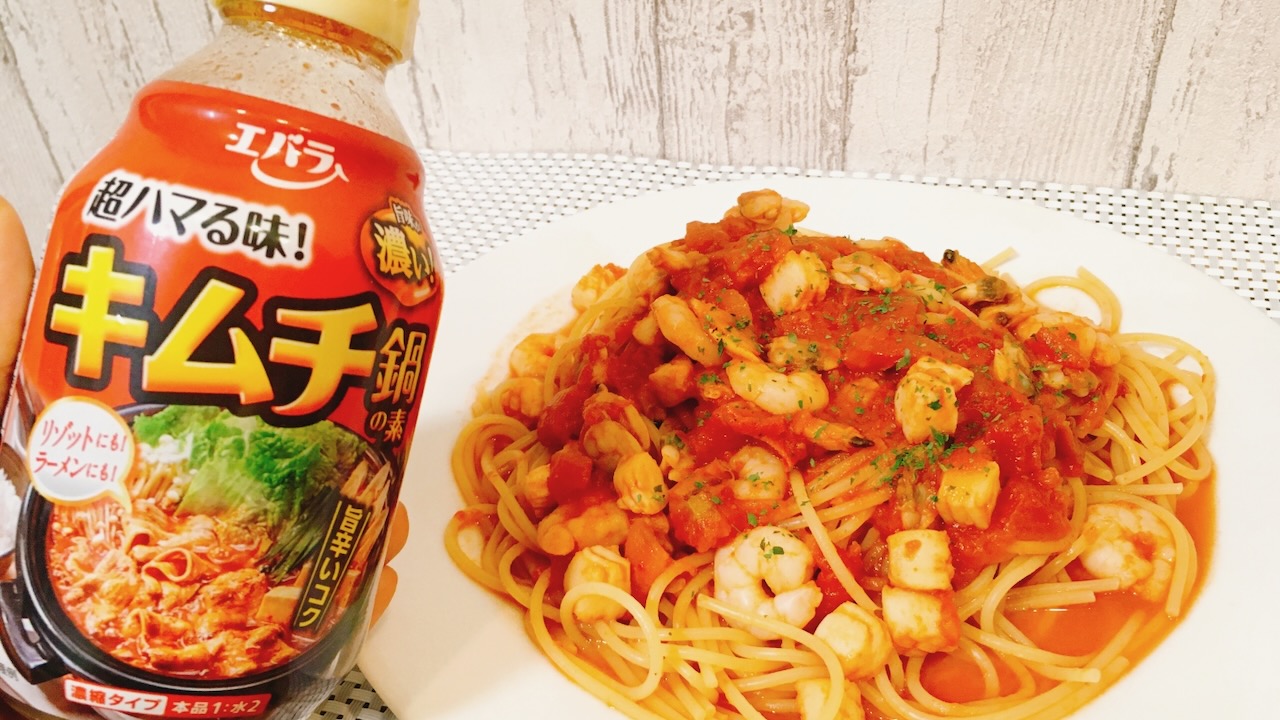
Supermarket chillers across Tokyo and suburban Osaka emptied out of concentrated soup pouches unusually fast this winter. As temperatures plunged, home cooks turned a traditional communal meal into a personal convenience phenomenon: kimchi nabe udon hacks. Rather than simmering large ceramic pots for hours over tabletop butane stoves, solo diners and busy families started re-engineering spicy Japanese hot pot components into rapid, highly customizable noodle bowls. As covered in an early AppBank Report highlighting how concentrated bases like Ebara kimchi nabe base unlock unexpected kitchen shortcuts, the humble soup base has escaped its traditional hot pot boundaries.
Social feeds and kitchen forums have flooded with short-form videos demonstrating five-minute stovetop improvisations. What used to serve strictly as the finale of a protracted family meal, the ritualistic shime where carbs soak up the residual broth, is now cooked intentionally from scratch as a standalone comfort meal. Driven by cost-of-living concerns and the convenience of frozen pantry staples, this winter staple reflects a wider shift toward pragmatic home cooking.
📌 Key Takeaways:
- The Solo-Cooking Pivot: Single-serve formats like Ebara's Puchitto Nabe capsules transformed labor-intensive hot pots into five-minute standalone noodle bowls.
- Extreme Budget Efficiency: Pairing discount bases from Gyomu Super with frozen Sanuki udon brings restaurant-grade comfort food to roughly $1.00 per serving.
- The Umami Upgrade: Modern variations tame fermented chili heat with processed dairy, raw eggs, and toasted sesame oil to create rich, balanced flavor profiles.
The Budget Grocery Revolution Behind Weeknight Nabe Hacks
Inflation squeezed grocery budgets across Japan and global Asian food markets throughout 2024 and 2025. That economic pressure sparked renewed interest in discount supermarket chains, chief among them Gyomu Super. In culinary circles, home cooks tracked the cost per bowl down to the exact yen. A 400g pouch of Gyomu Super kimchi hot pot base, concentrated at a two-to-one ratio, regularly retailed for ¥97 (roughly $0.65). Paired with individual frozen udon noodles sold in five-packs for roughly ¥25 to ¥35 per portion, a hearty broth-and-noodle base could be built for less than the cost of a convenience-store canned coffee.
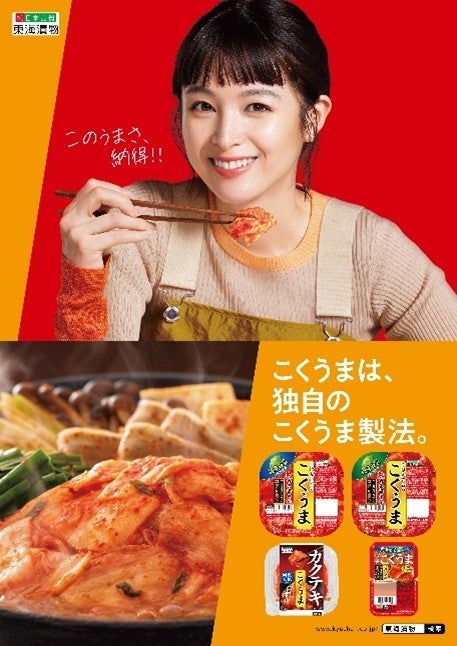
Commercial kimchi makers recognized this behavioral pivot early. Tokai Tsukemono refreshed its retail strategy by hiring actress Nana Seino for a wide-reaching television campaign centered on its "Kokuuma Kimchi," highlighting simple hot pot and rice arrangements designed for small households. When commercial bases are paired with fermented cabbage, the combination yields lactic acid, natural garlic umami, and an invigorating chili heat that disguises inexpensive ingredients. The economics made sense. Instead of ordering ¥1,200 bowls from neighborhood noodle shops, households discovered they could replicate savory heat at an 85% discount.
From Hot Pot Remnants to Standalone Noodle Bowls
Historically, Japanese nabe follows a strict dining rhythm. Diners gather around a communal clay pot (donabe), cooking thinly sliced pork, napa cabbage, tofu, and enoki mushrooms over twenty to thirty minutes. Only after the solid ingredients disappear does the table vote on the shime, choosing between steamed rice for porridge (zosui), ramen, or chewy udon. The leftover broth noodle recipes were treats earned through patience.
That communal framework no longer matches modern urban schedules. Single-person households now represent more than 38% of metropolitan Japanese demographics, a pattern mirrored across major international cities. As a result, home cooks severed the shime from the hot pot ceremony. By combining concentrated soup paste, tap water, a handful of pork belly, and a frozen noodle brick in a shallow saucepan, the entire experience compresses into eight minutes flat. The leftover broth is no longer leftover. It is engineered from scratch for immediate carb delivery.
The Architecture of Flavor: Comparing Iconic Kimchi Udon Variations
Once home cooks abandoned communal nabe etiquette, regional and viral improvisations multiplied. The underlying foundation remains consistent: fermented spicy broth paired with thick, bouncy wheat noodles. How cooks temper that chili base determines the bowl's final profile.
| Variation Style | Core Additions | Prep Time | Estimated Cost Per Serving |
|---|---|---|---|
| Pork Belly Kimchi Udon | Thin pork belly slices, garlic chives (nira), aged kimchi | 8, 10 mins | $1.80, $2.40 (¥270, ¥360) |
| Cheese Kimchi Nabe Shime | Shredded mozzarella or gouda, toasted sesame, scallions | 6, 8 mins | $1.40, $1.90 (¥210, ¥285) |
| Creamy Kimchi Udon | Unsweetened soy milk or whole milk, butter, soft egg | 7, 9 mins | $1.60, $2.10 (¥240, ¥315) |
| Capsule Quick-Broth Udon | Ebara Puchitto capsule, frozen spinach, egg yolk | 4, 5 mins | $1.10, $1.50 (¥165, ¥225) |
The classic pork belly kimchi udon balances animal fat with fermented tang. As pork belly simmers directly in the soup, its rendering fats emulsify with the chili oil in the base, blunting raw acidity. In contrast, the cheese kimchi nabe shime relies on dairy casein to soften capsaicin burn, coating the thick wheat noodles so the spicy broth clings tightly to every bite.
Single-Serve Capsules and Micro-Batch Cooking
The technical hurdle for single cooks had always been packaging. Standard grocery store soup stocks come in bulky 750g foil pouches meant for three to four diners. Opening an entire pouch meant committing to spicy Japanese hot pot for four straight days. Manufacturers solved this through portion control.
Ebara's "Puchitto Nabe" series altered dinner routines by concentrating hot pot bases into single-serving plastic pods resembling coffee creamers. Culinary researcher and television weather forecaster Otenki Mama documented how these shelf-stable capsules eliminated measuring spoons entirely. Cooks drop one capsule into 150ml of boiling water, drop in a frozen noodle block, and bring it to a rolling boil. The technique bypassed the need for prep bowls, cutting boards, or multi-step simmering. This micro-batch approach quickly became popular among university students and late-shift workers craving quick comfort food recipes without sink-filling cleanup.
The Texture Science of Sanuki Frozen Udon Noodles
Dry pasta or shelf-stable instant noodles turn mushy when simmered in acidic broths. Kimchi bases contain lactic and acetic acids from fermentation, which weaken gluten networks if noodles linger in the pot. Frozen udon noodles behave differently.
Leading Japanese noodle producers flash-freeze precooked Sanuki udon immediately after boiling. Most manufacturers blend a measured percentage of tapioca starch into the wheat flour dough. This formulation produces distinct viscoelastic behavior, known as koshi in Japanese. When dropped frozen into boiling kimchi broth, the noodle exterior hydrates rapidly while the core maintains firm springiness. As documented by food writers at Huffington Post Japan analyzing frozen udon hacks, the starch integration allows these noodles to withstand bubbling chili liquid without shedding excess free starches that make broth cloudy or gelatinous.
Finishing Touches: Sesame Oil, Egg Topping, and Melting Dairy
Elevating a basic pot into a viral hit depends on structural finishing moves. Plain boiled noodles in chili water can taste harsh. Home cooks neutralize the sharp edges through systematic fat additions.
The standard protocol finishes with a fragrant sesame oil and egg topping. Taking the pot off the heat right before cracking a fresh egg yolk preserves its silky richness. Swirled together with half a teaspoon of cold-pressed toasted sesame oil, the yolk forms a glossy emulsion on the noodle surface. For those who prefer lower heat levels, the creamy kimchi udon variation swaps half the water base for unsweetened soy milk or whole dairy milk, whisked gently at sub-boiling temperatures to avoid curdling. Melting shredded mozzarella over the top creates stretchable cheese pulls that look great on camera while creating genuine culinary balance: calcium and dairy fats neutralize capsaicin, while fermentation cuts through lactose richness.
Frequently Asked Questions (FAQ)
Q1: Do I need to thaw frozen udon noodles before adding them to the kimchi soup base?
A1: No. Frozen udon noodles should be placed directly into the boiling soup broth while still frozen. Thawing them on the counter or in water beforehand compromises their signature chewy texture (koshi), making them limp and waterlogged.
Q2: How do I prevent milk or soy milk from curdling in a creamy kimchi udon?
A2: Acidic kimchi broth curdles dairy at high heat. Simmer your noodles and solid ingredients in a small amount of water with the kimchi base first. Reduce heat to low, stir in the milk or soy milk, and warm the broth gently without letting it reach a rolling boil.
Q3: What cut of meat works best if I don't eat pork belly?
A3: Thinly shaved beef short plate (gyudon-style beef) works well. For poultry, thinly sliced chicken thighs are preferable to chicken breast, as thigh fat blends smoothly into the spicy base without drying out during simmering.
The Long-Term Staying Power of Practical Comfort Food
Food trends driven purely by novelty disappear once social feeds move to the next visual gimmick. Kimchi nabe udon hacks remain popular because they solve actual everyday problems: fatigue, shrinking grocery budgets, and cold weather. By combining shelf-stable flavor concentrates with resilient frozen noodles, home cooks created a dependable meal that delivers rich taste in less than ten minutes. It takes the deep flavors of slow-simmered communal hot pots and fits them into the practical rhythms of modern life.