Zakoba Morning Market Reviews: Is the 90-Year Wholesaler Hype Real?
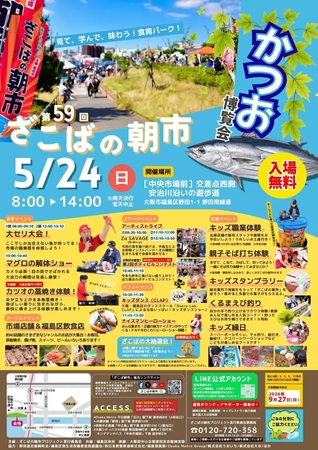
Before dawn breaks over the Ajigawa River in Osaka’s Fukushima Ward, the smell of burning rice straw cuts through the damp morning air. By 6:45 AM, a line of hundreds stretches along the Noda South Green Way, snaking alongside the perimeter of the Osaka Central Wholesale Market. They are waiting for the gates to open at Zakoba no Asaichi (Zakoba Morning Market), an open-air seafood extravaganza run by Sanko, a commercial seafood wholesaler operating here since the early 1930s. What started over fourteen years ago as an intimate project to reconnect local families with coastal cuisine has turned into one of Kansai's most recognizable culinary gatherings, highlighted in an official PR TIMES Report detailing its evolution as a food education seafood event.
Yet as the festival approached its 59th edition in May 2026, the conversation surrounding Zakoba shifted. The physical festival now draws thousands of visitors per session, while its spin-off direct-to-consumer service, delivering flash-frozen wholesale fish across Japan, has racked up aggressive engagement and fierce online debate. Consumers want to know whether the long waits, chaotic stall queues, and viral seafood delivery boxes deliver genuine wholesale savings, or if Zakoba has simply mastered the theater of the fish market.
📌 Key Takeaways:
- The On-Site Reality: Morning market crowd lines form well before 7:30 AM; popular items like raw tuna ribs and seasonal straw-grilled bonito tasting plates routinely sell out within ninety minutes.
- Wholesale Sourcing Truths: Sanko Osaka seafood wholesaler leverages direct market floor access to eliminate middleman markups, yielding savings of 20% to 40% on whole fish compared to high-end Kansai supermarkets.
- The Online Pivot: While Zakoba online market discounts offer steep introductory promos (such as 5,000-yen curated boxes slashed to 2,500 yen), ongoing subscription tiers require buyers to balance convenience against variable seasonal portion sizes.
The Scene at Noda Station: Early Crowds and Straw-Grilled Smoke
Getting to the festival requires a ten-minute walk south from JR Noda Station. On event Sundays, you do not need a map; you simply follow the multi-generational crowd pulling insulated market trollies. The physical event runs on the greenway adjacent to the market rather than on the wholesale floor itself, which remains restricted to licensed brokers. That logistical barrier does not deter visitors. By 8:00 AM, the central corridor is packed shoulder-to-shoulder.
The headline attraction is theater. At the center of the walkway, pitmasters ignite towering sheets of dried rice straw to flash-sear rows of skipjack tuna on iron grates. The exterior skins blister and char in seconds while leaving the core ruby-red and ice-cold. For roughly 800 to 1,200 yen, visitors receive thick, warm-edged cuts served over raw garlic and green onions. Other stalls host speed-filleting demonstrations of 60-kilogram Pacific bluefin tuna, distributing collar bones and cheek cuts directly to whoever waves cash the quickest. The festival embraces theatrical unpredictability, the 59th edition in May 2026 paired its early-summer bonito showcase with an impromptu outdoor bodybuilding exhibition alongside the fish auction. It is loud, messy, and fundamentally Osakan.
Decoding the Reviews: Wholesale Bargains or Marketing Spectacle?
Customer feedback across Japanese food forums, Google reviews, and X (formerly Twitter) reveals two starkly different perspectives depending on expectations. Buyers seeking immaculate supermarket packaging often leave overwhelmed. Those hunting wholesale fresh fish quality at commercial rates consider it an indispensable ritual.
Positive reviews praise the sheer freshness and value of the whole-fish auctions. Home cooks frequently highlight purchasing whole wild sea bream, sea bass, or seasonal yellowtail for prices that undercut downtown department store food halls (*depachika*) by up to half. Parents consistently praise the event's interactive workshops, where staff guide children through gutting horse mackerel and identifying species, directly supporting the organizers' original food education goals.
The criticisms focus almost entirely on logistics. Morning market crowd lines for hot food stalls frequently exceed forty-five minutes by mid-morning. Seating is sparse. On dry, warm days, popular stalls run completely out of stock by 10:00 AM, leaving latecomers with processed fish cakes, dried snacks, or empty hands. If you arrive past 9:00 AM hoping for pristine sashimi blocks, you will likely leave disappointed.
Cost and Freshness Breakdown: Morning Stalls vs. Direct-From-Market Boxes
To evaluate whether the brand delivers real financial value, we compared retail pricing across three sourcing methods: attending the physical Noda Station seafood festival, ordering the direct-from-market sashimi box online, and buying equivalent seafood grades at major Kansai supermarkets.
| Purchase Channel | Average Cost (Sample Meal / Box) | Product Form & Freshness | Key Consumer Trade-Off |
|---|---|---|---|
| Physical Zakoba Morning Market | ¥1,500, ¥3,000 per person | Live catch, whole fish, fresh morning-cut sashimi | Requires 7:00 AM arrival; long queues; self-transport |
| Zakoba Online Box (Standard Tier) | ¥5,000, ¥6,500 per delivery | Flash-frozen portions, vacuum-sealed fillets, seasoned cuts | Higher shipping costs; relies on proper home thawing techniques |
| Standard Kansai Supermarkets | ¥4,000, ¥5,500 (equivalent weight) | Standard commercial cuts, defrosted or air-freighted retail trays | Predictable portions, but lower fat content and shorter shelf life |

The 90-Year Wholesaler Engine Behind the Stalls
Zakoba no Asaichi is not an artisan pop-up run by hobbyists. It is backed directly by Sanko, a wholesale powerhouse founded in the early Showa period that operates in the Osaka Central Wholesale Market. The commercial floor moves thousands of tons of seafood weekly to supply restaurants, department stores, and regional distributors across western Japan.
Wholesale businesses like Sanko faced a structural crisis over the last two decades. Domestic per-capita seafood consumption in Japan fell by more than 30% between 2001 and the mid-2020s, according to Ministry of Agriculture, Forestry and Fisheries data. Younger urban households increasingly shifted toward pre-cooked proteins, intimidated by the scales, bones, and odors of handling whole fish at home.
Sanko established the morning market as an educational platform to reverse that trend. By showing urban families how raw fish transforms into culinary centerpieces, and by teaching kids to handle knives safely, they engineered a sustainable customer pipeline. That commercial backbone is why the prices remain competitive. When Sanko sells fish at the festival, it bypasses secondary distribution layers, cold-storage middlemen, and retail slotting fees. The savings are real because the supply chain is real.
The Online Subscription: Flash Sales and Real Box Quality
For those outside the Kansai region, the brand expanded into e-commerce with a dedicated fresh fish subscription box Japan service. The program frequently runs aggressive promotional sprints; past flash campaigns discounted introductory 5,000-yen multi-fish boxes down to 2,500 yen for 24-hour windows to hook online subscribers.
Does the box deliver the same experience as standing in front of the market stalls? Yes and no.
The online boxes emphasize convenience over raw theater. Rather than shipping unscaled, whole fish that would terrify casual home cooks, Sanko preps the seafood into individually vacuum-packed, flash-frozen portions. Typical shipments include marinated saikyo-yaki cuts, clean sashimi blocks of sea bream and yellowtail, seasonal crab legs, or boiled octopus arms. Independent reviews verify that the super-freezing technology preserves flesh firmness without the water-logging common in budget supermarket thaw-cycles.
The primary complaint centers on value outside flash campaigns. At full price plus frozen-freight shipping, the service shifts from a wholesale bargain to a premium convenience product. If you live within traveling distance of Osaka, the physical festival remains dramatically cheaper per pound. If you live in suburban Tokyo or northern Honshu without access to high-end fishmongers, the curated quality justifies the monthly subscription fee.
Practical Japanese Morning Market Tips for Visitors
If you plan to visit the Noda festival in person, navigating the venue requires tactical preparation to avoid common tourist pitfalls.
First, timing dictates your experience. The festival officially runs from early morning into the early afternoon, but arriving past 8:30 AM means spending half your day standing in lines. Aim to exit Noda Station by 7:15 AM. This ensures you can secure high-demand items, such as whole yellowtail collars or limited straw-grilled bonito tasting sets, before stocks vanish.
Second, come equipped. Bring an insulated cooler bag (*cooler box*) packed with reusable ice packs. Vendors supply small bags of crushed ice, but they melt rapidly in warm weather. While some vendors have adopted basic QR code digital payments, small independent stalls and auction games operate exclusively in cash. Keep several 1,000-yen bills and 100-yen coins accessible in your pockets.
Finally, dress for an active industrial workspace. The surrounding paths can be slick from melted ice, seawater run-off, and morning mist. Leave delicate footwear at home in favor of water-resistant sneakers or boots.
Frequently Asked Questions (FAQ)
Q1: Is the Zakoba Morning Market held every single weekend?
A1: No. Unlike daily commercial retail markets, Zakoba no Asaichi is held roughly every two months on selected Sunday mornings. The festival operates on an edition-based schedule (such as the 56th edition in late 2025 or the 59th edition in May 2026). Dates are announced several weeks in advance via their official channels.
Q2: Can international visitors without Japanese knife skills enjoy the in-person event?
A2: Yes. Many stalls sell ready-to-eat hot dishes, skewers, fried seafood, and sliced sashimi bowls directly on paper trays. If you buy whole fish to take back to an apartment kitchen, several stall workers will scale and gut the fish on-site for a nominal fee if requested.
Q3: How difficult is it to cancel the online fish subscription box?
A3: Subscriptions ordered through Zakoba's direct online portal allow users to pause or cancel upcoming deliveries through their online dashboard, provided the request is submitted before the monthly shipping cutoff window. Always verify shipping terms during 24-hour flash discount sign-ups.
The Verdict on Zakoba's Enduring Appeal
Zakoba no Asaichi manages to do something increasingly rare in modern retail: it bridges the gap between gritty, heavy-duty commercial wholesaling and accessible public theater. It is neither a sterile tourist trap nor an intimidating industry-only exchange.
The crowds, the early alarms, and the smoky wait times are real deterrents for casual shoppers who prefer quiet efficiency. But for home cooks and food lovers who value direct sourcing, knife craftsmanship, and genuine market culture, Sanko’s ninety-year legacy continues to prove that freshness straight from the auction floor is worth getting up before the sun.