Zero Helium Balloon Hacks: Proof You Can Create Floating Illusions on a Dollar-Store Budget
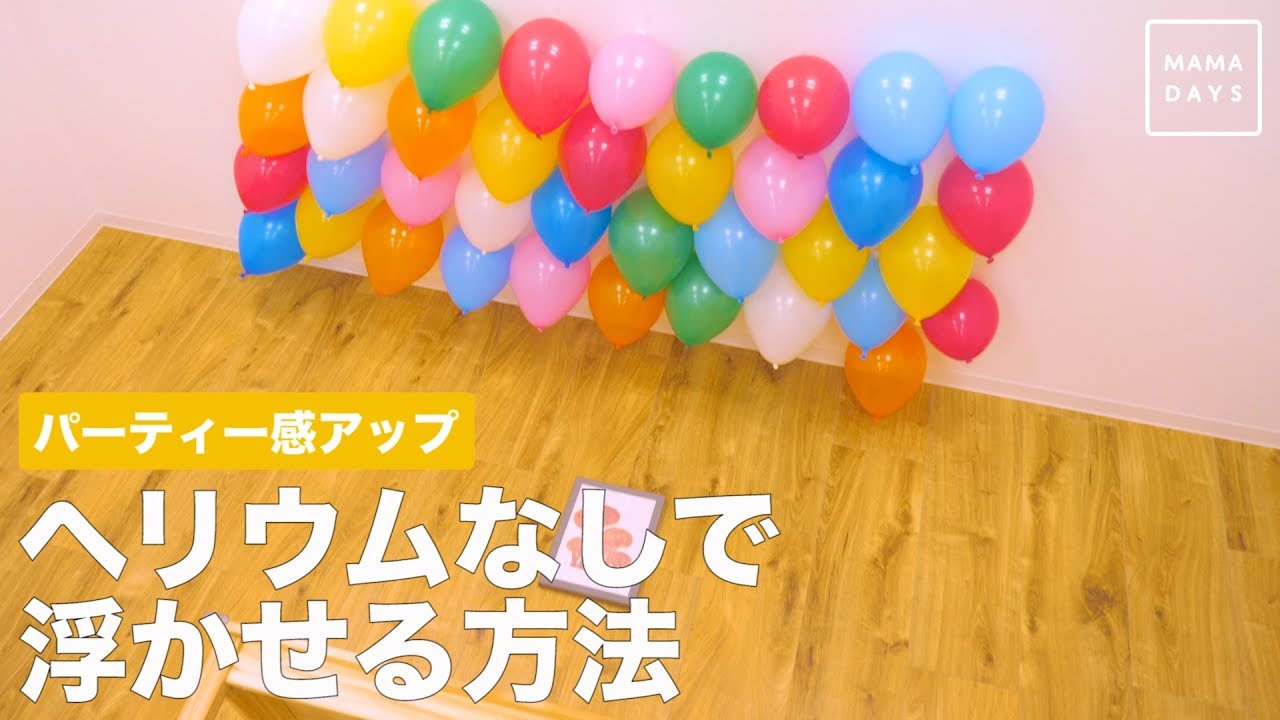
Consumer helium has quietly become an expensive relic. When retail chain Daiso terminated its in-store helium filling services across nearly all retail locations in late 2024, as confirmed in an investigative MSN Report, party planners lost their most dependable budget resource. The move reflected global commodity pressures: healthcare imaging and semiconductor fabrication now monopolize cryogenic gas reserves, pushing non-commercial retail tanks into economic irrelevance.
That supply crunch sparked a design revolution. Event stylists and home decorators quickly discovered that ambient air delivers something helium never could: durability. A standard helium latex orb droops within twelve hours. Air-filled installations built with basic dollar store party DIY materials stay firm for up to three weeks, costing mere pocket change when constructed with proper physical mechanics.
📌 Key Takeaways:
- The Retail Reality: Major budget chains have halted in-store gas inflation, turning helium shortage alternatives from a fun craft into an economic necessity.
- The Optical Illusion: Applying low-tack adhesive or glue dots to the crown of an air-filled sphere creates an authentic overhead float without specialized tanks.
- Structural Longevity: High-grade air installations routinely retain their volume for 15, 20 days, whereas party-store helium loses buoyancy within 8, 14 hours.
Why Retail Giants Dropped In-Store Helium
The disappearance of the convenience-store balloon counter was driven by economics. For years, shoppers walked into discount storefronts, paid a modest ¥110 or $1.50 service surcharge, and walked out with floating foil characters. By late 2024, rising transport risks and soaring wholesale gas prices broke that model. Daiso stopped stocking helium-compatible foil products on its digital storefronts entirely, shuttering counter services across regions.
Specialty party outlets that still sell disposable gas cylinders charge between $45 and $75 for tanks that barely inflate thirty 9-inch units. That works out to roughly $1.80 to $2.50 per balloon just for the gas. When half of those balloons sink before the evening cake cutting, the purchase feels like a direct financial burn. Air-filled setups, by comparison, reduce the inflation cost to zero, redirecting modest budgets toward structural fixtures and palettes.
The Ceiling Tape Hack: Crafting the Anti-Gravity Illusion
The most direct way to bypass helium is the ceiling tape hack. The human eye reads a balloon as "floating" if its knot points downward and curling ribbon dangles toward the floor. It takes surprisingly little upward tension to fool the brain into believing gas buoyancy is at play.
To pull this off without peeling away ceiling drywall, follow a strict layering technique:
First, place a small square of painter's masking tape directly onto the ceiling surface. Never put heavy industrial adhesives straight onto house paint. Second, affix double-sided mounting tape or high-tack glue dots directly to the apex of the inflated balloon. Press the balloon's top firmly against the painter's tape base for three seconds. The latex remains flush against the ceiling, the tie hangs downward, and gravity looks completely reversed.
For textured acoustic plaster or popcorn ceilings where tape adhesive fails, transparent monofilament line offers a clean workaround. Push a standard clear pushpin into the trim border, tie an 8-pound fishing line garland segment to it, and tether the latex cluster at your chosen ceiling height. The suspension wire vanishes under ambient room light.
Engineering Dense Garlands With Fishing Line and Strips
Professional event designers rarely reach for helium tanks even on six-figure wedding budgets. They build volume instead. An organic balloon garland relies on clustered physical structures anchored to walls, staircases, or free-standing backdrop frames.
The visual secret lies in breaking size uniformity. Inflating balloons to an identical 10-inch diameter produces a dated, rigid look. Sizing latex across contrasting tiers, ranging through 5-inch, 10-inch, 12-inch, and 18-inch spheres, creates depth. Japanese lifestyle shops like Seria now stock perforated plastic decorating tape, which holds balloon knots in offset pairs for pennies.
For longer installations stretching across six feet, traditional balloon arch kit plastics can feel stiff. Skilled decorators use nylon fishing line instead. By tying pairs of air-filled balloons together into four-piece quads, you can twist the fishing line around the center knots, stacking cluster after cluster into a dense, custom-shaped organic garland.
| Method | Hardware Needed | Estimated Cost | Lifespan |
|---|---|---|---|
| Disposable Helium Tank | Pressurized tank, nozzles, ribbon | $50, $80 per party | 8, 14 hours (Latex) |
| Ceiling Tape Suspension | Painter’s tape, glue dots, hand pump | $3, $6 total | 5, 7 days |
| Monofilament Organic Arch | Fishing line, wall hooks, mixed latex | $8, $15 total | 14, 21 days |
| Modular Upright Columns | Balloon column base, telescopic poles | $12, $20 (Reusable) | 10, 14 days |

Ground Frameworks: Using Bases and Desktop Stands
When ceiling contact is impossible due to high architecture or delicate finishes, vertical framing offers a stable alternative. Budget stores have expanded their catalog of tabletop hardware to fill this exact gap.
A plastic balloon stand kit uses a circular footplate with variable-height acrylic rods. By snapping seven to ten air-filled units into the crown cups, you assemble a tight bouquet that mimics floating balloon bunches on dessert tables. Because air molecules escape latex much slower than microscopic helium atoms, these centerpieces can be assembled forty-eight hours before an event without any loss of shape.
For entrance displays, a water-weighted balloon column base provides outdoor and indoor stability. These units use a hollow plastic bladder filled with two liters of water, locking a central PVC rod in place. By sliding stacked four-balloon quads down the central mast, you build a firm vertical pillar up to six feet high. It stays upright through floor drafts and crowded rooms without needing wall anchors.
Constructing Full-Scale Air-Filled Balloon Walls
The centerpiece of modern birthday backdrop decoration is the air-filled balloon wall. These backdrops create rich photo stages that completely obscure messy room details, delivering high impact on a modest budget.
Building one requires a grid. While commercial decorators use wire mesh panels, budget planners can use plastic garden netting or self-adhesive utility hooks placed on a smooth wall at two-foot intervals. Inflate base balloons in matching sets of four, tie them together, and lock them across the netting grid until the frame is hidden.
Once the base foundation is tied off, fill any visual gaps using 5-inch mini balloons attached with craft glue dots. These accent clusters hide structural seams and add color dimension. The finished wall stands firm for photo sessions, will not drift in air-conditioning drafts, and stays intact long after the party wraps up.
Surface Chemistry: Safe Mounting on Painted Walls
The biggest risk with zero-helium installations is adhesive damage. Strong double-sided mounting tape can easily peel latex paint, strip wallpaper, or leave stubborn residue on rental properties during cleanup.
Preventing wall damage comes down to sheer tensile strength versus shear force. Always establish a sacrificial buffer layer. Apply a three-inch strip of low-tack blue painter’s tape to the wall first, rub it smooth to release trapped air, and mount your heavy adhesive pads or removable clips directly onto that blue tape surface. When removing the display, peel the painter's tape back slowly at a flat 180-degree angle rather than pulling outward.
Keep ambient temperature in mind during setup. Latex expands in heat and contracts in cold, while adhesives soften under direct sunlight. When decorating near south-facing windows, drop the inflation volume of your balloons by roughly ten percent. Leaving room for air expansion keeps seams from bursting and prevents adhesive failure during afternoon sun exposure.
Frequently Asked Questions (FAQ)
Q1: How far in advance can I blow up air-filled balloon displays?
Latex inflated with ambient air using a manual or dual-action electric pump retains its shape for 7 to 14 days indoors away from direct UV sunlight. Foil mylar balloons last even longer, often holding air for well over a month. You can easily build your entire installation two days ahead of party day without worrying about deflation.
Q2: Will glue dots damage matte wall paint during removal?
Standard craft glue dots can tear cheap flat builder-grade paint if pulled directly away from drywall. To remove them safely, roll the dot away gently with your thumb rather than yanking the latex. For delicate or rental walls, always apply painter's tape first as a protective barrier.
Q3: How do I get curly ribbons to hang straight down from ceiling-taped balloons?
Air-filled balloons lack the upward tension of gas, so thick curling ribbon can tip them sideways. Use lightweight 5mm polypropylene ribbon instead. Run the edge of a scissor blade lightly along the ribbon to curl the bottom half, leaving the top half straight so it drops cleanly toward the floor.
Smart Party Styling for 2026
The retail retreat of consumer helium marks a practical shift in party planning. Relying on an expensive, non-renewable gas for a few hours of buoyancy makes little sense when mechanical alternatives outlast it by weeks. By combining low-tack painter's tape, nylon monofilament, and modular balloon stand frameworks, anyone can build high-end displays using dollar-store materials. The float may be an illusion, but the durability and savings are real.