Zojirushi Rice Cooker Melodies Explained: Song Titles, Meanings, and Controls

Press the start button on a Zojirushi countertop rice cooker, and your kitchen fills with the gentle, monophonic strains of an 18th-century French lullaby. Forty-five minutes later, an upbeat classical tune announces that dinner is ready. For millions of households worldwide, these chimes are woven into the rhythm of daily life, yet surprisingly few owners know what pieces are playing or why the appliance sings in the first place.
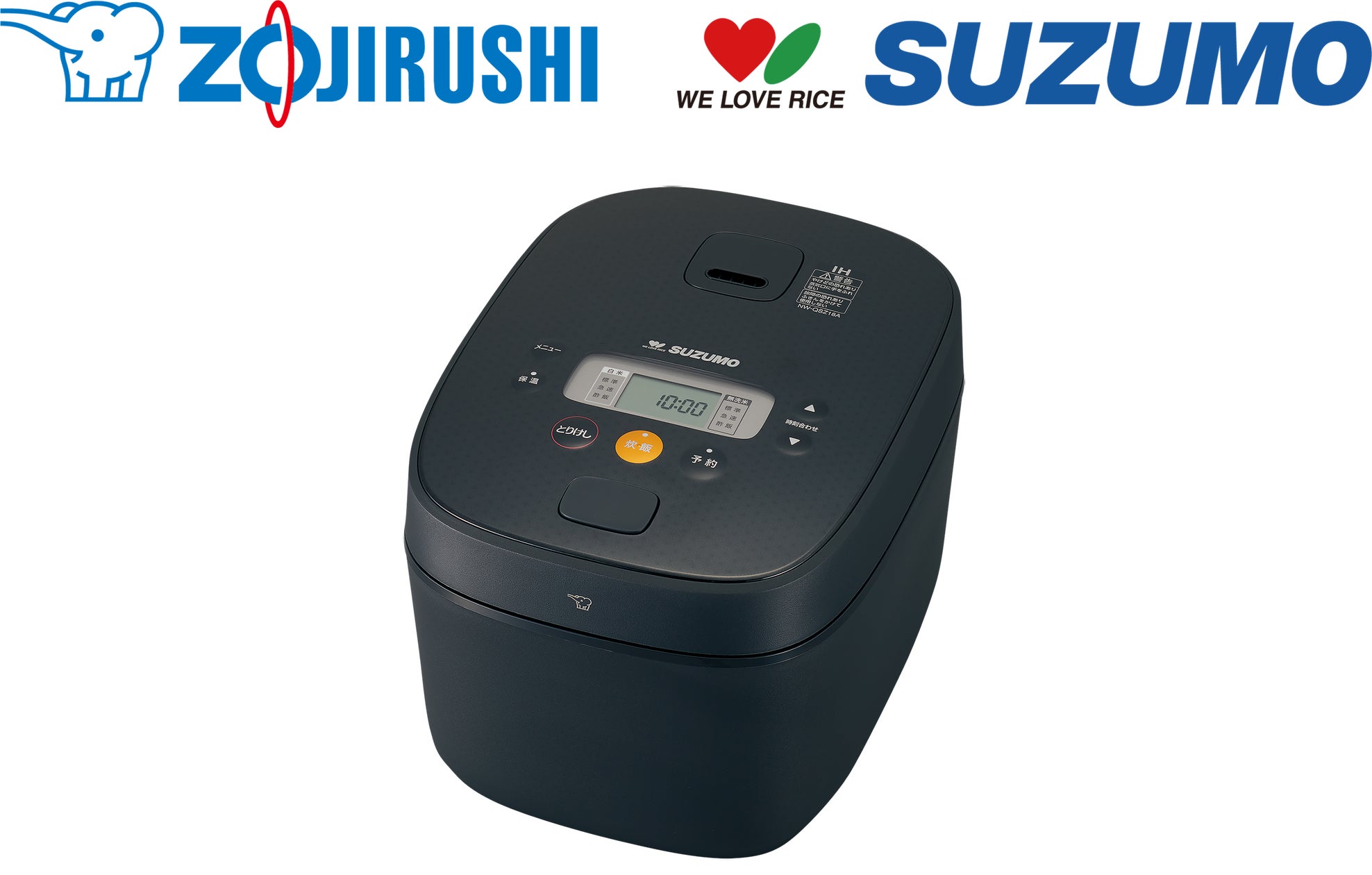
The culinary soundscape is expanding beyond home kitchens. Commercial dining trends and automated back-of-house technology have brought Zojirushi's thermal engineering into commercial settings. A joint production initiative with rice robotics manufacturer Suzumo Machinery for the NW-QSZ18A commercial induction cooker, documented in a PR TIMES Report, is bringing precision grain processing to restaurants facing severe labor shortages ahead of its mid-2026 market release. Whether on an industrial prep line or an apartment kitchen counter, understanding these audio cues, and knowing how to manage them, keeps your kitchen running smoothly.
📌 Key Takeaways:
- The Exact Song Titles: The rice cooker start melody is "Twinkle, Twinkle, Little Star" (Mozart's Ah! vous dirai-je, maman), while the cooking completion alert plays the 19th-century French arrangement "Amaryllis".
- Acoustic Design Purpose: Zojirushi introduced these tunes to replace abrasive buzzer frequencies, picking widely recognized melodies that penetrate ambient background noise without startling children or pets.
- Total Audio Control: You can cycle your appliance between melody, standard beep, and silent mode at any time by pressing and holding the Timer button for three seconds.
The Kitchen Jingle Phenomenon Behind Japanese Appliances
Walk through an apartment building in Tokyo around six in the evening, and you will hear a symphony of domestic chimes. Bath heaters announce that water is at temperature, washing machines signal when a rinse cycle concludes, and refrigerators chirp softly if left ajar. These Japanese appliance melodies are deliberately engineered acoustic notifications.
During the rapid technological advancements of the late 1980s and early 1990s, microcomputer-controlled (Micom) hardware swept through home appliances. Early iterations used harsh piezoelectric buzzers. These high-pitched squeals generated complaints from apartment dwellers whose walls failed to mute sudden 80-decibel chirps. Zojirushi engineers responded by redesigning the auditory user experience.
Sound designers wanted a frequency curve that carried through heavy steam and closed kitchen doors without triggering an involuntary stress response. The solution was melodic sequencing. By programming microcontrollers to play brief public-domain arrangements, appliances could broadcast clear status updates while blending into the acoustic background of a busy home.
The Song Titles: 'Twinkle, Twinkle' and 'Amaryllis' Decoded
While internet discussions frequently guess at regional Japanese folk songs, the actual Zojirushi rice cooker song names come from European classical traditions that entered standard Japanese public school curricula decades ago.
When you rinse your short-grain rice, shut the lid, and press the cycle activator, the cooker sounds "Twinkle, Twinkle, Little Star." Originating from the French melody "Ah! vous dirai-je, maman," cataloged by Wolfgang Amadeus Mozart in 1781, the tune has universal resonance. In Japan, generations know it as "Kira Kira Boshi." Its descending five-note opening motif functions as a bright, optimistic acknowledgment that the heating coils have engaged.
When steaming finishes and moisture absorption reaches optimal equilibrium, the machine plays "Amaryllis." Attributed historically to King Louis XIII of France and arranged formally by Henri Ghys in 1872, the piece became a staple of music classrooms across postwar Japan. Its light rhythm alerts everyone within earshot that the cycle has shifted to automatic warming without sounding like a smoke detector or fire alarm.
Audio Modes Across the Lineup: Melody, Beep, and Mute Compared
Not every cooking environment benefits from melodic chime sequences. Sleeping infants, early-morning breakfast routines, and quiet home offices often demand subdued alerts. Zojirushi accommodates this by programming three distinct notification profiles into its microcontrollers.
| Operational Mode | Start Signal | Completion Signal | Typical Environment |
|---|---|---|---|
| Melody Mode (Default) | "Twinkle, Twinkle, Little Star" | "Amaryllis" | Standard family kitchens; open spaces |
| Beep Mode (Buzzer) | Single short tone | Five rapid, sequential beeps | Noisy prep lines; utility spaces |
| Silent Mode (Mute) | No audio output | No audio output | Studio apartments; late-night schedules |
Every tier of cooker handles these alerts similarly. Basic Micom audio notification systems use low-frequency square-wave synthesizers, producing an authentic retro feel. Advanced induction systems and high-pressure cookers incorporate multi-tone speakers that reproduce both tunes with richer harmonic clarity.
Step-by-Step Instructions: How to Change or Silence Zojirushi Chimes
If your cooker chimes at 5:00 AM while the rest of the house is asleep, switching to beep mode or muting the appliance takes only seconds. The adjustment procedure is consistent across both Neuro Fuzzy sound settings and modern Pressure Induction Heating (IH) machines.
To alter the audio setting, follow this sequence while the machine is plugged in but idle:
1. Ensure the Cooker Is in Standby: The unit cannot change sound modes during an active cooking or warm cycle. If a cycle is running, cancel it. The display should show the current clock time.
2. Locate the Silent Mode Timer Button: Look for the Timer key on the front control panel. Do not touch the Start or Keep Warm buttons.
3. Press and Hold for Three Seconds: Keep your finger on the Timer button. After roughly three seconds, the machine will emit an audible prompt indicating the new setting:
• Melody Selection: The machine plays a short snippet of "Amaryllis" to confirm melody mode.
• Beep Selection: Press and hold again for three seconds; the unit sounds three brief beeps to confirm buzzer mode.
• Silent Selection: Press and hold a third time for three seconds; the unit emits one long tone, confirming the speaker is now muted.
The chosen preference saves directly to onboard flash memory. The cooker remembers your choice even if you unplug the power cord from the wall. If your household needs vary throughout the week, repeat the process anytime to cycle back to your preferred setting.
Acoustic Design From Home Kitchens to Commercial Robotics
Consumer love for this audio identity has made it a genuine cultural signature. In Osaka and Tokyo, Zojirushi's branded flagship restaurants, known as Zojirushi Shokudo, attract long lines of diners who pay upwards of 2,100 yen for multi-course meals featuring bottomless bowls cooked in top-tier induction appliances. The familiar completion chime rings out across the dining room floor, reinforcing the connection between the signature sound and high-quality rice.
This sonic tradition adapts when appliances move from residential kitchens into commercial settings. In high-efficiency operations, like commercial sushi production, multiple devices chime at once. Commercial hardware like the Suzumo-Zojirushi NW-QSZ18A handles this by emphasizing clear, high-contrast digital displays alongside switchable Zojirushi buzzer settings. This lets kitchen staff mute musical chimes entirely, relying instead on visual indicators or focused single-frequency alert bursts that cut through dishwashers and exhaust fans.
Frequently Asked Questions (FAQ)
Q1: Why does my Zojirushi cooker beep instead of playing a tune?
A1: Your appliance is set to buzzer mode. To restore the music, confirm the machine is in standby, then press and hold the Timer button for three seconds until you hear a brief excerpt of "Amaryllis."
Q2: Will the cooker still alert me when cooking finishes in Silent Mode?
A2: No audible sound will play. Instead, the screen drops out of the active countdown and automatically illuminates the "Keep Warm" status light. The digital clock begins counting upward from zero to show how many hours the batch has stayed warm.
Q3: Does changing the internal lithium battery erase my sound preferences?
A3: When the internal clock battery eventually expires, the unit defaults back to Melody Mode once plugged into AC power. You can reset it to Beep or Mute using the standard three-second Timer button sequence.
Managing Your Countertop Soundscape
Acoustic feedback in home appliances is too often an afterthought, a sharp, shrill annoyance that prioritizes volume over comfort. Zojirushi's persistent reliance on "Twinkle, Twinkle, Little Star" and "Amaryllis" reminds us that practical home tools can feel warm and approachable.
Whether you find comfort in the familiar retro jingle or prefer complete kitchen quiet, the controls are entirely in your hands. A single three-second press on the front panel gives you full authority over your kitchen's soundscape.