Azur Lane Japan Server Timeline: Nine Years of Breakthroughs, Mega Events, and Pop-Culture Domination
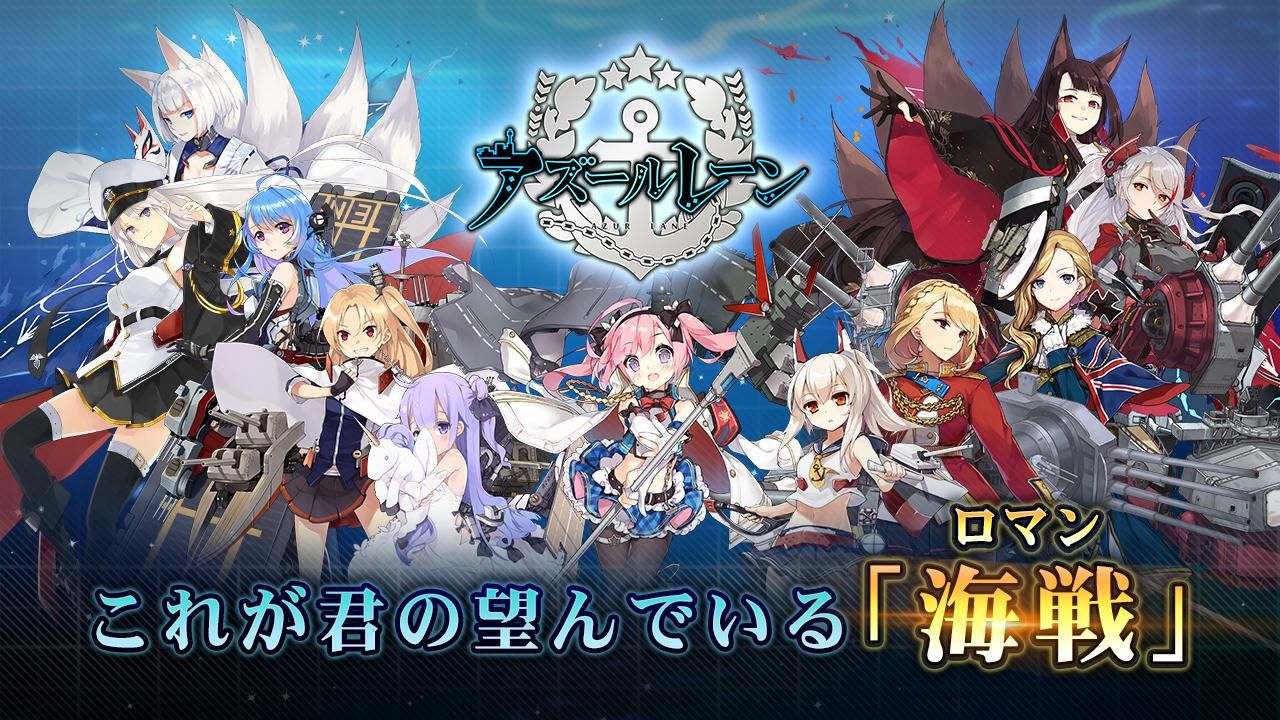
When Yostar launched the Azur Lane JP server across iOS and Android app stores in Japan, industry observers gave the naval warfare gacha little chance of survival against entrenched local giants like Kantai Collection. Nine years later, the game stands as an operational masterclass in subcultural localization. Co-developed by Chinese studios Manjuu and Yongshi, the title found its spiritual home in Tokyo under the stewardship of publisher Yostar Japan, redefining how overseas live-service games capture the Japanese collector market. As detailed by a recent MSN Report covering global access points and client distributions, the Japanese client remains the crown jewel of the franchise's creative autonomy and commercial reach.
The game's blockbuster 9th-anniversary celebration proved that longevity in the mobile space demands escalation rather than complacency. Between hyper-ambitious animated shorts, audacious real-world agricultural tie-ins, and high-fidelity audiovisual updates, the Japanese edition continues to operate more like an expansive multimedia enterprise than a standard mobile battle simulator. Understanding its path reveals how a Chinese indie production evolved into an untouchable fixture of Akihabara retail displays and Comiket culture.
📌 Key Takeaways:
- Creative Independence: The Azur Lane JP server operates with total visual autonomy under Yostar Japan, avoiding the severe domestic content revisions seen on Chinese servers.
- Multimedia Investment: Studio A-1 Pictures produced the 9th-anniversary animated PV featuring the original theme song "BLUE SIGNAL," paired with experimental PS5 haptic integrations.
- Subcultural Marketing: Bizarre, high-engagement marketing initiatives, including agricultural partnerships cultivating "Gyaru Rice" serenaded by character ASMR, drive organic fan loyalty.
The Tactical Genesis of Yostar’s Japanese Breakthrough
In mid-2017, breaking into Japan's domestic mobile market seemed impossible for non-Japanese studios. Domestic developers dominated consumer spending. Bilibili had taken charge of distributing Azur Lane in Mainland China, but Yostar founder Yao Meng saw an opening in Japan by adopting an aggressive, fan-first publishing model. Instead of treating the Japanese release as a secondary localization port, Yostar established a fully staffed operations base in Tokyo.
The publisher targeted the enthusiast sphere immediately. They secured veteran voice talent, hired top-tier Pixiv illustrators for promotional art, and bought unmissable billboard takeovers across Akihabara station exits. Most importantly, Yostar stripped away the predatory monetization common to domestic Japanese gacha titles. They offered generous character drop rates hovering at 7% for super rare units, funding development through cosmetic skin sales instead of core progression gates. The gambit paid off instantly. Japanese players flooded the servers, transforming an unheralded foreign export into a social media juggernaut within six months of its autumn debut.
The Blockbuster Ninth Anniversary and A-1 Pictures Spectacle
The September 9th-anniversary broadcasts solidified Yostar's habit of pushing presentation boundaries. Highlighting the celebration was an animated promotional video produced by A-1 Pictures, the powerhouse studio behind Sword Art Online and Solo Leveling. Rather than delivering a routine highlight reel, the production team went viral across gaming forums by establishing a dedicated animation supervision credit for character physics, emphasizing dynamic movement that bordered on the absurd.
The animated showcase was paired with the debut of the official 9th-anniversary anthem "BLUE SIGNAL," driving immense streaming traffic across digital music platforms. Yostar also unveiled an experimental collaboration involving PlayStation 5 dual-sense haptic profiles designed to translate ship engine rumbles and weapon firing sequences directly into controller feedback. This uninhibited embrace of fan service and big-budget animation demonstrated why the JP server functions as the creative baseline for the entire franchise, giving global audiences a preview of the series' visual direction.
Operational Divides: Bilibili vs. Yostar Server Environments
Navigating the various regional editions of Azur Lane requires understanding the fundamental divide between Bilibili's Chinese operations and Yostar's Japanese service. Regulatory environments dictate drastically divergent player experiences. While the Chinese client must comply with strict domestic censorship mandates, frequently altering character artwork, softening historical ship names into generic designations, and adjusting 3D skin physics, the JP client operates without such creative restrictions.
| Operational Feature | JP Server (Yostar Japan) | CN Server (Bilibili) |
|---|---|---|
| Anniversary Window | Mid-September (Major UR Event) | Late May (Major UR Event) |
| Censorship & Visuals | Unrestricted Live2D designs and original names | Modified splash art, altered ship names, restricted skins |
| Collaboration Merchandising | Physical consumer goods, racing teams, ASMR audios | In-game corporate tie-ins, fast-food partnerships |
| Account Login Protocols | Yostar Account, Apple ID, Twitter/X, Transfer Codes | Real-name ID verification, Bilibili unified account |
The anniversary calendars reflect this jurisdictional separation. Bilibili hosts its tentpole server celebration each May, rolling out summer skins and flagship ships tailored to domestic summer promotions. Yostar holds its massive multi-day festivals in Tokyo each September. This dual-anniversary structure creates two distinct gacha event timeline peaks each year, giving international players a clear forecast of seasonal content shifts.
Eccentric Real-World Collaborations From Racing to Gyaru Rice
Standard gacha promotions rely on predictable coffee shop pop-ups and convenience store acrylic stands. Yostar took a wildly unorthodox route in Japan, embedding the brand into unexpected cultural niches. The publisher sponsored an authentic Super GT racing team, plastered high-performance racecars with tactical warship livery, and set up extensive trackside hospitality suites for fans.
Nothing illustrates this offbeat creative freedom better than the "Azur Rice" initiative. In partnership with Shuho Einou, an agricultural collective based in Gifu Prefecture, Yostar released the "Owari's Gyaru Rice Set." The campaign humorously asserted that the crops were cultivated while listening to specialized audio tracks from Japanese voice actors performing character-themed ASMR. Complete with character-branded packaging, branded bowls, and serialized audio drama codes, the product sold out instantly on the official online store. It demonstrated how deeply the publisher understands fan psychology: treat internet humor with sincere production value, and consumers will embrace even the most absurd concepts.
Client Installation, Account Logistics, and Gacha Economy
International interest in the Japanese client remains high due to its early access to physical merchandise codes and uncensored Live2D summer skins. Securing the official JP client download requires bypassing basic regional storefront restrictions. Overseas Android users typically acquire the installation package through authorized third-party application repositories like QooApp or TapTap. Apple iOS users routinely set up a region-specific Japanese Apple ID, allowing direct access to the Tokyo App Store for immediate version updates.
Managing the game's economy requires understanding its resource systems. Progression rests on Wisgdom Cubes and gold rather than premium paid currencies. Free-to-play players who maintain daily commission rotations reliably build inventories of 300 to 400 cubes between major quarterly events, enough to comfortably clear the 200-pull pity barrier for Ultra Rare (UR) banner units. Real-money purchases focus overwhelmingly on cosmetic items. Live2D skins, complete with interactive touch points, dynamic backgrounds, and custom home-screen voice lines, retail between $10 and $20 worth of in-game gems, anchoring an ethical microtransaction model that respects player time.
Frequently Asked Questions (FAQ)
Q1: Can I play the Azur Lane JP server outside Japan without using a VPN?
A1: Yes. The Japanese servers do not enforce hard geographic IP blocks during standard gameplay or login checks. You only need a VPN if your regional internet service provider experiences routing issues to Tokyo data centers, or if you need to browse region-locked external web stores.
Q2: How do I complete in-game purchases on the JP client from abroad?
A2: On iOS, purchasing digital Japanese iTunes gift cards from verified online retailers and redeeming them on your Japanese Apple ID is the most reliable method. On Android, link your account to a verified PayPal profile through Google Play, or purchase gems directly via official web payment gateways supporting major international credit cards.
Q3: Will progress or purchased skins transfer between the CN, JP, and Global servers?
A3: No. All servers run entirely separate database environments managed by different corporate entities. Game progress, purchases, and character inventories cannot migrate across regions. Choose your server carefully before making significant time or financial commitments.
The Enduring Blueprint of Character-Driven Live Ops
The story of Azur Lane in Japan provides a roadmap for sustaining mobile games over long operational cycles. At a time when competitors chase bloated open-world budgets and high-churn live-service models, Manjuu and Yostar proved that clear creative direction, generous core gacha mechanics, and unapologetic fan connection can carry a project through nearly a decade of growth. By pairing high-end production partners like A-1 Pictures with offbeat grassroots marketing, the game secure its position as an immovable pillar of modern Japanese pop culture.