Chased on the Way Home: Stalking Incident Near Sugahara Elementary Sparks Neighborhood Alarm

A quiet afternoon walk home from school turned terrifying on September 30 when an unidentified man shadowed and sprinted after a young elementary school student in the Okuda neighborhood of Yamatotakada City, Nara Prefecture. According to an alert published by the 日本不審者情報センター on MSN Report, the encounter unfolded around 2:40 PM near Sugahara Elementary School and the expansive grounds of Yamatotakada General Park.
The student noticed a man trailing close behind on the pedestrian path. Sensing danger, the child broke into a run, only for the pursuer to accelerate into a sprint directly behind them. While the child escaped unharmed, the brazen nature of the pursuit sent shockwaves through local parent networks, triggering emergency bulletins from the municipal board of education and raising questions about child transit security in Japan's suburban pockets.
📌 Key Takeaways:
- The Incident: A male suspect aged 50, 60 pursued an elementary school student in Okuda on September 30 at 2:40 PM, actively sprinting after the child fled.
- The Location: The encounter occurred near Sugahara Elementary School and Yamatotakada General Park, an area with quiet residential streets and open park corridors.
- The Safety Response: Nara Prefectural Police and municipal educators deployed stepped-up mobile patrols and advised families to activate personal emergency alarms and group-commute plans.
The Pursuit Near Sugahara Elementary and Okuda Corridor
The geography of the Okuda district made this confrontation distinct. The neighborhood sits directly adjacent to Yamatotakada General Park, a sprawling civic space containing baseball diamonds, tennis facilities, and wide perimeter walkways. During the early afternoon, especially right around the 2:30 PM to 3:00 PM bell when lower grades finish classes, these roads thin out significantly.
The student was walking along a regular commute route. The pursuer, described by local authorities as a man roughly in his 50s to 60s, initially matched the child's walking pace from behind. Unlike typical cases categorized as verbal harassment (*koe-kake*), where strangers attempt conversation or offer gifts, this incident involved non-verbal physical chase. When the child accelerated, the man ran after the student without hesitation.
The child got away, reaching a safe zone before physical contact occurred. Yet the physical chase elevated the encounter from a minor suspicious-person bulletin to an urgent community risk. In suburban Nara, where residential blocks frequently feature narrow alleys, dead ends, and high agricultural walls, an evasive sprint requires clear escape paths.
The Structural Vulnerability of Japan's Independent Commute
Japan is globally recognized for its autonomous school commute culture (*tsūgaku*). First-graders as young as six carry hard-shelled *randoseru* backpacks across neighborhood crosswalks without parental escorts. This institutional trust rests on tight community surveillance, designated safety houses, and the civic assumption that neighborhoods are inherently secure.
Incidents like the one near Sugahara Elementary expose the fault lines of that model. While urban school zones in central Osaka or Tokyo feature continuous business storefronts and transit crowds, suburban Nara communities feature quiet residential tracts mixed with farmland. When shifts end at civic facilities like Yamatotakada General Park, entire residential blocks can fall quiet between mid-afternoon school dismissals.
The timing, mid-week at 2:40 PM, corresponded with the staggered dismissal for early primary grades. Older children were still inside classrooms. That meant the child was navigating the sidewalk alone or in a sparse cluster, without the defensive shield of older peers walking home.
Incident Log and Immediate Security Countermeasures
Following municipal verification, community dispatch networks pushed warnings to registered phones and school mailing lists across Yamatotakada City. Nara Prefectural Police escalated neighborhood patrols, deploying both marked cruisers and plainclothes officers around school routes connecting to Sugahara Elementary.
| Phase / Action | Immediate Execution | Operational Goal |
|---|---|---|
| Report & Alert | 2:40 PM occurrence; municipal alert issued within hours | Notify area guardians, PTA groups, and neighboring districts |
| Route Protocols | Group dismissals mandated for Sugahara Elementary students | Eliminate isolated walkers along Okuda and park borders |
| Police Surveillance | Targeted drive-bys, high-visibility pedestrian sweeps | Deter the suspect and verify area surveillance camera footage |
| Citizen Mobilization | Activation of Kodomo 110-ban local safety residences | Provide verified shelter checkpoints along commuter corridors |
Data from prefectural child protection offices reveals that predatory approaches occur most frequently during two critical windows: between 7:30 AM and 8:30 AM, and between 2:30 PM and 5:00 PM. The afternoon window accounts for more than 68% of chase and approach reports statewide. Children are fatigued, daylight begins to tilt, and communal foot traffic is intermittent.
Mobilizing the "Children 110" Network and Physical Defenses
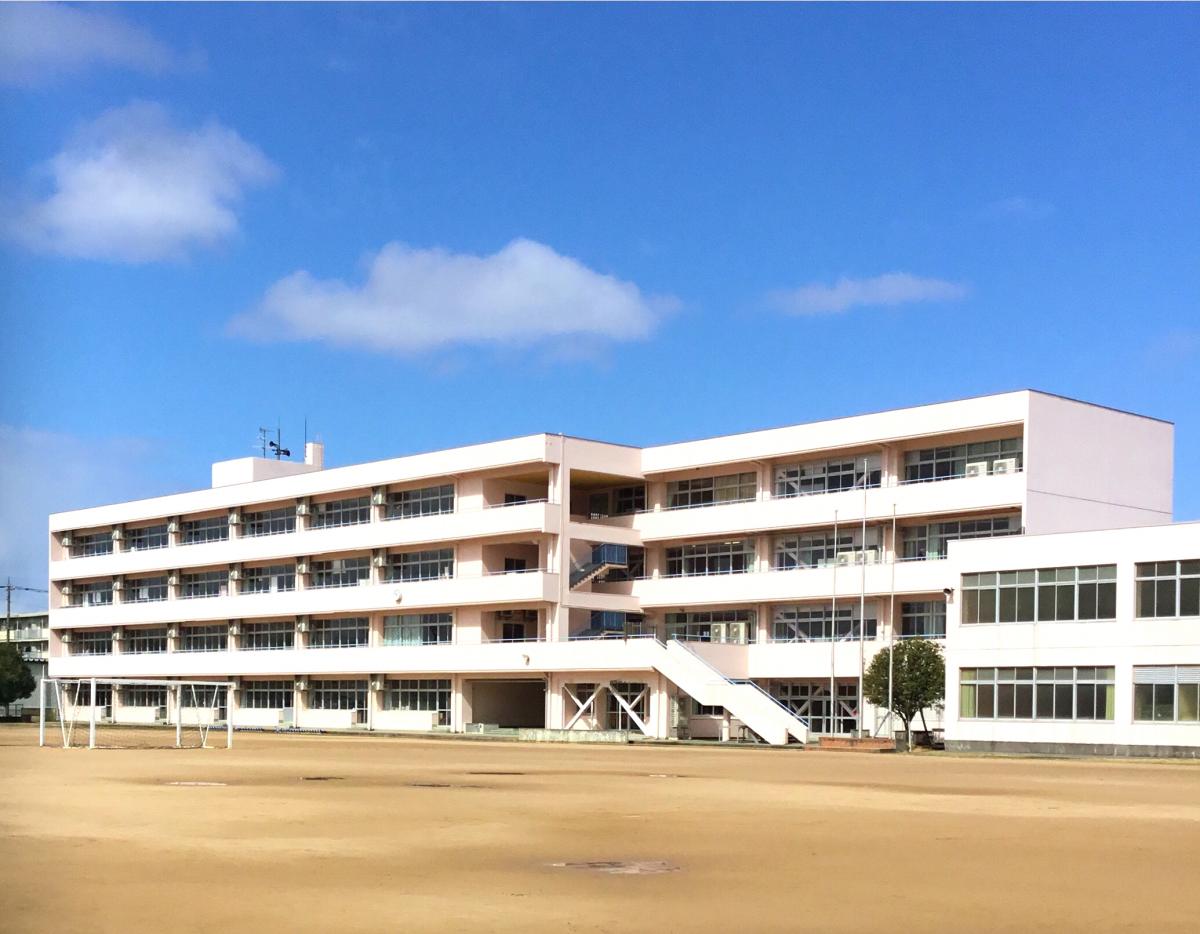
In response to the incident, local neighborhood associations (*jichikai*) refreshed coordination with the Children 110-ban House (*Kodomo 110-ban no Ie*) system. These properties, private homes and businesses marked with bright yellow plastic placards, act as emergency refuges where children are trained to bolt if followed. Homeowners are instructed to bring the child inside immediately, lock the doors, and dial 110.
Parents around Sugahara Elementary were also reminded to inspect personal emergency buzzers (*bōhan buzā*). Attached to the straps of children's backpacks, these battery-powered alarms emit sound blasts exceeding 85 decibels. In practice, however, frightened children often forget or hesitate to pull the pin. School staff conducted refresher drills following the incident, instructing students to pull the alarm while throwing their backpacks down if grabbed, running in the opposite direction toward high-traffic roads.
The district also leaned on senior citizen safety patrols (*mimamoritai*). These volunteers, wearing high-visibility green vests, station themselves at crosswalks and park exits. While effective during standard group dismissals, gaps inevitably appear when club activities, remedial study, or early finishes scatter dismissal schedules across different hours.
Surveillance Gaps in Suburban Nara
The pursuit near Yamatotakada General Park highlights a persistent infrastructure issue across suburban Japan: municipal surveillance coverage. Urban downtowns boast extensive CCTV footprints managed by both private retail and municipal police. Suburban districts like Okuda feature vast public greenery and quiet residential lanes where camera coverage is piecemeal.
Parks present unique blind spots. While their open greenery offers recreation during weekends, long fences and tree lines obscure visibility from passing vehicular traffic. A suspect in their 50s or 60s blends easily into the surrounding environment as an ordinary pedestrian or recreational visitor until aggressive behavior starts.
Many Japanese households have adopted standalone personal GPS devices, such as cellular trackers with motion sensors and one-touch notification buttons, to track their children's real-time commutes. Even so, technology can only track position; it cannot halt a running pursuer. Community vigilance remains the primary barrier against predatory approaches.
Frequently Asked Questions (FAQ)
Q1: What should a child do if followed on a Japanese school route?
Children are instructed to run immediately toward designated Kodomo 110-ban safety homes, nearby convenience stores, or crowded public spots. They should pull their safety alarm pin (bōhan buzā), shout loudly (Tasukete!), and never attempt to hide in dead ends, public restrooms, or empty parks.
Q2: Who is leading the investigation into the Yamatotakada incident?
Nara Prefectural Police, coordinating with Yamatotakada City educational authorities, oversee the investigation. They review vehicle dashcams, local municipal surveillance feeds, and neighborhood security cameras while sustaining extra patrols around Sugahara Elementary.
Q3: How are parents notified of suspicious individuals in Nara Prefecture?
Nara Prefecture operates the "Nara Safety Net" email alert service and the official prefectural police crime prevention smartphone app. Schools also push localized notifications via PTA messaging systems directly after verifying incidents with law enforcement.
Strengthening Neighborhood Protection
The incident in Okuda serves as an urgent reminder that neighborhood safety is maintained through active systems, not passive assumptions. The student's quick decision to run prevented an escalation, but the offender's decision to chase underscores the reality facing elementary commutes. Safe independent travel requires continuous oversight, clear escape options, and persistent community engagement.
Moving forward, the focus for Yamatotakada authorities shifts to identifying the suspect and reinforcing school route corridors. Combining personal alarms, volunteer patrols, and updated security camera networks around Yamatotakada General Park ensures that children navigating their daily routes home remain protected on every block.