点描の唄 Reading Guide: Meaning, Lyrics, and Mrs. GREEN APPLE Facts
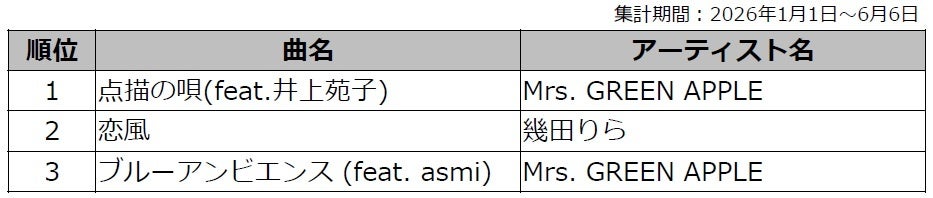
A B-side ballad released in late summer 2018 has rewritten the rulebook for Japanese digital music longevity. Written by Mrs. GREEN APPLE frontman Motoki Ohmori as a duet with singer-songwriter Sonoko Inoue, "点描の唄" crossed extraordinary thresholds on domestic streaming monitors, surpassing one billion plays on Billboard Japan. The track regained widespread public attention when Ohmori debuted an intimate acoustic solo arrangement for Kirin Beer's "Tanrei Green Label" television campaign alongside actor Riko Fukumoto, as detailed in an ORICON NEWS Report.
Yet for international listeners and new J-pop enthusiasts discovering the song through viral social clips and karaoke charts, the track poses an immediate stumbling block before the first piano chord strikes: the title itself. The Japanese title combines visual art terminology with archaic kanji, leaving non-native speakers searching for the correct phonetic pronunciation and the poetic concept behind its words.
📌 Key Takeaways:
- Phonetic Reading: The title 点描の唄 is read as Tenbyou no Uta (hiragana: てんびょうのうた), translating directly to "The Song of Pointillism."
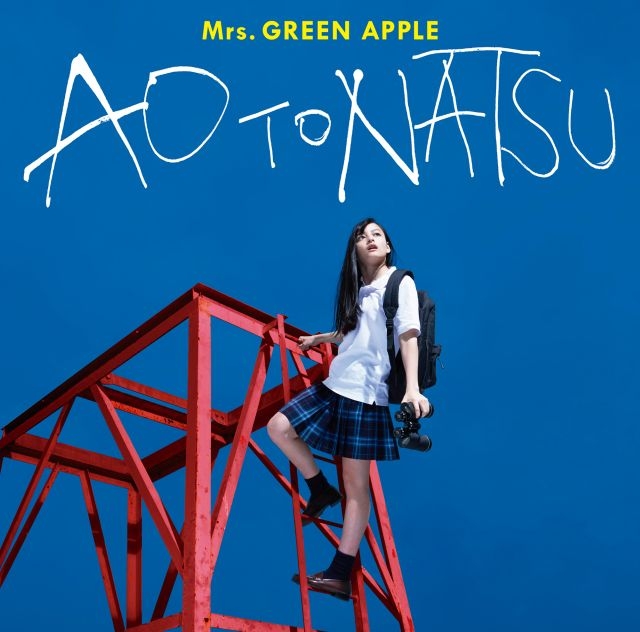
- Origins and Release: The track debuted on August 1, 2018, as a coupling track (B-side) on Mrs. GREEN APPLE's single "Ao to Natsu" and served as an insert song for the live-action romance film Ao-Natsu: Kimi ni Koi Shita 30-Nichi.
- Chart Milestones: Beyond exceeding one billion Billboard Japan streams, official Oricon data confirmed the song crossed 800 million weekly-tracked streams, ranking as the band's sixth catalog title to reach that benchmark.
- Cultural Dominance: Industry karaoke tracking by Daiichikosho (DAM) positioned the track at number one for songs connected to ABEMA's flagship youth reality show Kyou, Suki ni Narimashita.
Kanji Breakdown: How to Pronounce 点描の唄 (てんびょうのうた)
Reading the title requires dissecting three distinct linguistic components: a compound noun, a possessive particle, and a traditional character for song.
The first two characters, 点描, are read as tenbyou (てんびょう). The character 点 (ten) signifies a dot, point, or mark. The second character, 描 (byou, from the verb egaku), means to sketch, draw, or depict. Combined, tenbyou is the exact Japanese art term for pointillism or stippling, the neo-impressionist painting technique pioneered by Georges Seurat and Paul Signac, where small, distinct dots of color are applied in patterns to form a complete image.
The middle character, の (no), is the standard Japanese possessive particle, functioning identically to "of" in English.
The final character, 唄, is read as uta (うた). While modern Japanese typically writes the word "song" using 歌, Motoki Ohmori selected the alternate kanji 唄. Historically associated with traditional shamisen ballads (such as nagauta) or folksy storytelling, 唄 carries a softer, more emotional connotation than the standard 歌. Taken as a unified phrase, the full title is pronounced Tenbyou no Uta.
Pointillism as Metaphor: Lyric Meaning and Emotional Arc
Motoki Ohmori did not choose pointillism at random. The art form serves as the central visual metaphor for the song's treatment of impermanence, youth, and unrequited or time-limited love.
Commissioned as an insert track for the feature film Ao-Natsu: Kimi ni Koi Shita 30-Nichi (Blue Summer: 30 Days of Falling in Love with You), the narrative centers on a high school romance restricted to a single 30-day summer vacation in the countryside. Both parties know the calendar will inevitably pull them apart. Ohmori used the canvas of pointillism to illustrate how human memory operates under finite conditions.
In a pointillist painting, an individual dot viewed from inches away looks isolated, insignificant, and incomplete. Step back, and those independent specks merge into a vibrant landscape. Ohmori and Inoue alternate verses to articulate this psychological dynamic: each brief conversation, shared laugh, and quiet glance represents a single dot. Neither person can freeze time, but when collected together, those fleeting moments construct a lasting emotional portrait that outlives the season itself.
The chorus captures this bittersweet tension directly, with lines acknowledging that while their time together is limited, the intensity of their presence gives meaning to every preceding second. Rather than descending into pure grief, the song frames temporary affection as something that permanently alters both participants.
From B-Side to One Billion Streams: Tracking the Commercial Trajectory
In mainstream music distribution, coupling tracks rarely outpace the lead single. "Ao to Natsu" was an undisputed summer anthem, complete with soaring electric guitars and heavy radio promotion. "Tenbyou no Uta," tucked onto the same physical CD, received zero music video production upon release.
Word of mouth bypassed standard promotional cycles. High school students across Japan embraced the song as a vocal challenge, posting acoustic duets on TikTok, YouTube, and Line Music. Streaming numbers expanded exponentially over an eight-year span, demonstrating uncommon catalogue resilience.
| Milestone Date | Platform / Authority | Official Metric | Cultural Significance |
|---|---|---|---|
| August 1, 2018 | EMI Records / Universal Japan | Physical & Digital Release | Issued as track two on "Ao to Natsu" single; film insert debut. |
| June 16, 2026 | Daiichikosho DAM | Ranked #1 Karaoke Song | Topped song charts associated with ABEMA's teen romance franchise. |
| August 4, 2026 | Billboard Japan | 1,000,000,000+ Streams | First coupling track in J-pop history to join the 1-billion streaming club. |
| October 2, 2026 | Oricon Weekly Chart | 802.24M Cumulative Plays | Mrs. GREEN APPLE's 6th overall release to surpass 800M on Oricon metrics. |
Oricon's tracking monitors logged over 3.33 million weekly plays nearly eight years after original distribution. Such persistence is virtually unheard of for non-promoted secondary singles in the Japanese recording industry.
Karaoke Dominance and the Youth Duet Phenomenon
A major engine fueling the song's staying power is Japan's karaoke ecosystem. Duets in mainstream J-pop frequently fall into two extremes: upbeat comedy tracks or highly dramatic showtunes requiring operatic vocal stamina. "Tenbyou no Uta" struck an accessible yet technically demanding middle ground.
Data published by Daiichikosho confirmed the ballad claimed the top position on karaoke request rankings tied to ABEMA's reality program Kyou, Suki ni Narimashita. The show, which follows high school students traveling together to form relationships, adopted the track as an unofficial anthem within its fan base.
The song's vocal structure makes it an ideal duet. Ohmori sings in an exceptionally clear tenor-to-countertenor range, while Sonoko Inoue provides an airy, grounded mid-register warmth. The vocal lines intertwine during the final chorus rather than simply repeating harmonies in unison. Singers in karaoke rooms are forced to listen closely to one another to lock in the counter-melodies, transforming the performance into a genuine cooperative experience.
Essential Japanese Lyrics and Romaji Guide
For non-native speakers learning the song for karaoke or linguistic study, the emotional peak arrives during the pre-chorus and chorus. Below are the key lines with accurate romaji readings and translations.
First Chorus Opening:
Japanese: 貴方の声で解れてゆく 忘れたくないと心が呟く
Romaji: Anata no koe de hodokete yuku / Wasuretakunai to kokoro ga tsubuyaku
English: "I slowly unravel at the sound of your voice / My heart whispers that it never wants to forget."
The Core Art Metaphor:
Japanese: 点と点が重なり合って 描き出す未来の空
Romaji: Ten to ten ga kasanariatte / Egakidasu mirai no sora
English: "Points and dots overlap with one another / Drawing out the sky of our future."
The Emotional Climax:
Japanese: いつまでも いつまでも 続いてほしいと願っている
Romaji: Itsumademo itsumademo / Tsuzuite hoshii to negatte iru
English: "Forever and ever / I keep praying that this will continue."
Pronunciation tip: Pay close attention to the vowel elongation in tsuzuite (written with a double 'u' sound) and ensure the glottal stop in tsubuyaku stays rhythmically on beat with the piano accompaniment.
Acoustic Reinventions: The 2026 Commercial Reworking
The song underwent its most significant official evolution when Kirin Brewery selected it for the long-running "GREEN JUKEBOX" commercial series for Tanrei Green Label. Titled "GREEN JUKEBOX Hikari-hen," the televised campaign paired Motoki Ohmori on screen with actor Riko Fukumoto in an open meadow setting.
Stripping away the lush studio percussion, strings, and duet dynamics of the 2018 original, Ohmori performed a stripped-down acoustic guitar interpretation. The performance proved that the composition does not rely on studio production to connect with listeners. The bare-bones melody highlighted the strength of Ohmori's phrasing, introducing the work to older demographics who do not regularly watch youth cinema or consume teen television programming.
Frequently Asked Questions (FAQ)
Q1: How do you pronounce 点描の唄 in everyday Japanese?
A1: It is pronounced Tenbyou no Uta (てんびょうのうた). The pitch accent typically places a slight rise on byou before resolving naturally on uta.
Q2: Why is Sonoko Inoue credited on the track, and is there a solo Mrs. GREEN APPLE version?
A2: Motoki Ohmori wrote the track specifically as a conversation between two lovers for the film Ao-Natsu, selecting Sonoko Inoue for her vocal tone. Ohmori later recorded a solo version, included on Mrs. GREEN APPLE's best-of album collections, but the original duet remains the definitive charting version.
Q3: Is 点描の唄 an anime opening?
A3: No. Many international listeners assume it originates from an anime due to its emotional structure, but it was written exclusively as an insert song for the 2018 live-action teen romance film Ao-Natsu: Kimi ni Koi Shita 30-Nichi.
Q4: Why does the song use 唄 instead of 歌?
A4: Both characters mean "song" and are pronounced uta. The character 唄 historically referred to shamisen folk ballads or oral poetry. Songwriters in modern Japan frequently employ 唄 for acoustic, reflective, or deeply personal compositions to evoke warmth and intimacy.
The Lasting Legacy of Tenbyou no Uta
Pop trends in streaming environments move with ruthless speed. Tracks routinely peak within days of release and vanish from memory inside three months. "Tenbyou no Uta" stands as a rare outlier against modern algorithmic churn.
What began as a low-profile B-side to a summer movie promotional campaign became one of the most durable duets in postwar Japanese commercial music. By pairing the visual philosophy of pointillist painting with the universal anxiety of temporary summer romance, Mrs. GREEN APPLE and Sonoko Inoue produced a piece of music that continues to win over new generations of listeners, one solitary dot at a time.