Zenpouji Isaku Wig Visual Analysis: Comparing Pre-Styled vs DIY Bases

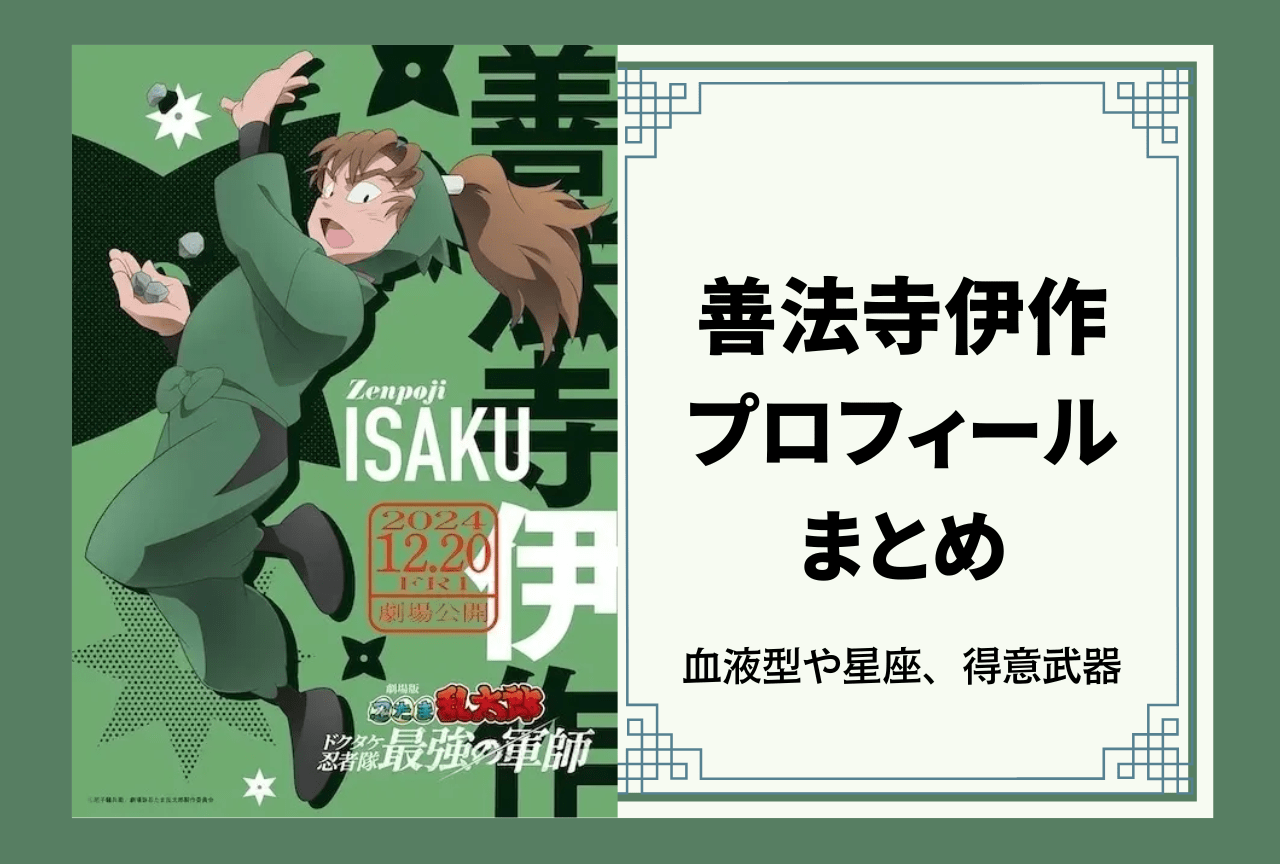
Renewed spotlight on Nintama Rantaro cosplay, reignited by the high-stakes theatrical feature Dokutake Ninjatai Saikyou no Gunshi and subsequent Season 33 television broadcasts, has pushed the senior students back into heavy convention rotation. Zenpouji Isaku, the famously gentle yet perpetually unlucky Sixth Year Health Committee chairman celebrated across franchise media from long-running anime episodes to franchise milestones tracked in this PR TIMES Report, remains an enduring favorite. Yet his hairstyle presents a deceptive technical hurdle for fabricators.
Isaku’s hair appears deceptively simple at first glance: soft framing fringe, a high back-swept gathering, and a distinct topknot ponytail resting beneath or just behind the academy's traditional metal-plated headband. In reality, translating that animated profile into three dimensions demands precise tension control, accurate fiber selection, and an understanding of structural weight distribution. Stylists face a core choice between ordering an off-the-shelf pre-styled character wig or building a modular silhouette from scratch using high-grade synthetic bases.
📌 Key Takeaways:
- Core Challenge: Isaku's screen silhouette demands a high gathering that resists sagging under the compression of a heavy fabric-and-metal forehead protector.
- Fiber & Tone: Screen-accurate depictions reject pitch black in favor of matte dark brown fibers with subtle neutral undertones to reflect the original animation cels.
- Build Approach: Factory pre-styled units offer quick budget entry for casual wearers, while hybrid DIY ponytail base wigs solve long-term stability and custom hairline fit.
Deconstructing the Sixth-Year Student Silhouette and Ponytail Mechanics
The iconic sixth-year student silhouette hinges on proportions that read as both athletic and slightly mature compared to the academy's younger trios. For Zenpouji Isaku hair styling, the primary structural failure occurs at the apex of the gathering. If a ponytail sits too low, Isaku loses his signature silhouette and risks looking like his combat-oriented classmate Kema Tomezaburo or a generic ronin. If it sits too high, the forehead protector shoves the entire wig backward.
Animation models place Isaku’s gathering precisely at the crown angle, roughly 45 degrees up from the occipital bone. Gravity constantly fights this placement when dealing with synthetic hair. A full-density ponytail pulls synthetic wefts downward against the wearer’s skull, causing tension headaches and exposing the base netting along the nape within two hours of wear. Resolving this tension requires mechanical anchoring inside the wig cap rather than relying purely on elastic perimeter bands.
Balancing volume around the temples is equally critical. Isaku possesses softer, slightly feathered temple locks that frame his face even during field triage scenes. Achieving that softness requires internal teasing or localized crimping to prevent the hair from slicking flatly against the temples when pulled taut toward the back gather.
Matte Dark Brown Fibers and Exact Color Match Specifications
Wig catalog photography often misleads buyers by using high-gloss jet black fibers for classic anime ninja. Under convention hall lighting or outdoor sun, pure black synthetic fiber reflects a harsh blue-gray sheen that reads artificial on camera. Isaku’s hair in the modern digital animation cels sits within a very specific muted spectrum: a deep, desaturated espresso.
Cosplayers hunting across specialist wig suppliers should target Japanese color codes #2 (Darkest Brown) or #4 (Deep Ash Brown) rather than #1 (Jet Black). Brands like Assist Wig provide colors such as "Dark Brown 13" or Airily’s "Deep Charcoal Brown," which use matte dark brown fibers specifically treated to minimize high-shine luster under flash photography.
Heat resistance is non-negotiable. Ensure all materials consist of heat-resistant synthetic fiber (often labeled as Futura or high-temperature kanekalon blends) rated between 160°C and 180°C. Lower-grade synthetic threads melt when subjected to the crimping irons and steamers necessary to mold anime hair into stable, static sweeps.
Pre-Styled Character Wigs vs. Custom Ponytail Base Construction
The marketplace offers two distinct routes to achieve Isaku’s hair: purchasing an import pre-styled character wig cut specifically for him, or drafting a custom unit using a ponytail base wig supplemented by matching wefts. Each approach carries clear operational trade-offs in structural longevity, time investment, and financial cost.
| Structural Spec | Pre-Styled Commercial Wig | Custom Ponytail Base + DIY Wefts |
|---|---|---|
| Base Cap Architecture | Standard open-weft cap gathered into a pre-tied bunch | Stubbed base or specialized reversed-weft ponytail core |
| Average Market Cost | $28, $42 (direct import / stock online seller) | $65, $95 (base wig + separate clip/hair bundle + styling tools) |
| Hairline Construction | Machine-sewn hard front with fixed bangs | Customizable hairline lace front or reinforced felt band |
| Ponytail Lifespan | 3, 5 wears before gravity loosens crown tension | 15+ conventions; core internal stub resists shifting |
| Headband Compatibility | Moderate; band easily displaces unsecured crown fiber | High; reinforced anchoring holds tension through tight tying |
Pre-styled commercial offerings provide direct out-of-the-box convenience for fast convention lineups or casual photo sessions. However, manufacturers routinely use rubber bands or basic thread wraps to tie down a standard-wefted short wig into a tail. Over time, friction against collared robes creates matting, and the cap netting underneath shows through near the nape within hours.
Investing in a custom ponytail base wig eliminates this defect entirely. Modern base wigs designed for up-dos feature inverted wefts sewn upward from the nape line, ensuring the cap remains clean, concealed, and taut when hair is gathered skyward.
Crimping and Volumizing Steps to Anchor the Ninja Forehead Protector
The standard Ninjutsu Academy uniform requires a fabric headscarf tied tightly over the forehead, anchored by a metal or resin crest plate. In Nintama Rantaro cosplay, that forehead protector routinely ruins un-teased synthetic hair by flattening the root line and sliding straight into the eyebrows.
A reliable cosplay wig tutorial relies on internal crimping and volumizing to form a rigid cushion beneath the visible exterior fibers:
Separate the top layer of hair and clip it clear of the workspace. Using a micro-crimping iron set to roughly 140°C, 150°C, work in 1-inch sections along the roots near the hairline, crown, and temple perimeter. Clamp down firmly for 2, 3 seconds, then release. Brush through the crimped fibers immediately with a metal comb while the plastic remains warm to turn the crimp pattern into a textured, pillowy web.
Once you lower the un-crimped surface layer over this internal scaffolding, you gain immense structural volume without any visible texture on the outside. This hidden density acts like internal foam padding. When you cinch down the ninja forehead protector fit, the band bites securely into the textured foundation rather than slipping along slick fibers.
Precision Trimming: Hair Thinning Shears and Soft Bang Structure
Isaku’s personality as the gentle medic reflects directly in his soft, slightly parted fringe. Blunt-cut scissors produce harsh, squared edges that clash with his canonical aesthetic. Instead, the final styling phase demands professional hair thinning shears equipped with 28 to 32 teeth.
Work on a mannequin head adjusted to your exact head circumference. Pin the bangs down flat and identify the natural split where Isaku's forehead plate allows the fringe to fall. Cut vertically rather than horizontally. Point-cutting with thinning shears removes approximately 15%, 20% of fiber bulk per pass, creating natural feathering at the ends that mirrors the soft hand-drawn style of the original character designs.
To establish long-term structural endurance, coat the interior side of the fringe with a heavy-hold freezing spray while holding the sections in place with alligator clips. Hit the sprayed root with a blow dryer on low heat for 10 seconds to crystallize the acrylic polymers. This sets the fringe firmly away from the eyes while preserving the illusion of loose, natural movement.
Frequently Asked Questions (FAQ)
Q1: Can I convert a regular, flat short wig into Isaku’s high ponytail?
A1: It is technically possible, but highly discouraged. Regular short wigs are wefted downward. Pulling that hair upward exposes the bare lace and netting along the back of the neck. You must either sew in reverse-facing wefts along the nape or start with a specialized updo base wig.
Q2: How do I keep the metal ninja forehead protector from sliding down the wig?
A2: Rely on friction anchors. Hand-sew small metal wig clips (toupee clips) to the underside of your fabric headband right near the temple knots. Clip these directly into the crimped mesh beneath the wig hair before tightening the rear ties.
Q3: Should I use a hairline lace front wig for Zenpouji Isaku?
A3: If your forehead protector sits high on the brow, a lace front creates the most realistic root transition. However, if your headband rests low directly across the natural hairline, a standard hard-front base works fine and saves styling time, since the fabric wraps completely mask the edge.
Long-Term Wig Maintenance for Ninjutsu Academy Ensembles
Maintaining a high-tension updo wig across multiple convention seasons requires disciplined post-event care. Synthetic fibers degrade primarily through mechanical friction against ninja uniforms and chemical buildup from freeze sprays and styling gels.
After each wear, never brush the ponytail aggressively while the fibers are cold and stiff with product. Doing so snaps the heat-resistant synthetic fiber, resulting in frizzy ends that gather lint and dust. Dissolve styling polymers by submerging the unit in cool water mixed with a mild synthetic wig shampoo or gentle fabric softener. Soak the cap for 20, 30 minutes, rinse thoroughly with cold running water, and allow the wig to air dry completely on a ventilated wire stand.
Once dried, address tangled tips in the ponytail using a wide-toothed metal comb, working strictly from bottom to top. Lightly misting the fibers with a silicone-based detangler restores a natural matte finish, keeping your Isaku ensemble ready for team photo shoots alongside the rest of the Sixth Year squad.