From Fringe Gimmick to NHK Exposé: The Timeline of Japan's Idol Cheki Controversy

The basement live houses of Akihabara and Shinjuku run on sweat, deafening synth-pop riffs, and instant camera film. Inside these dimly lit venues, performances serve merely as an opening act for the real commercial engine: the tokutenkai, or post-show meet-and-greet session. Fans line up with prepaid tickets to stand beside their favorite performers for two-shot instant photos, universally known as cheki. Over the past decade, however, the race for ticket revenue pushed fringe agencies past traditional industry boundaries. Handshakes and casual small talk quietly yielded to staged romantic embraces, cheek-to-cheek poses, and eventually paid kisses separated only by clear acrylic sheets or thin sheets of film.
What began as an unspoken sales tactic in dark venues has collided head-on with national scrutiny. An eye-opening livedoor ニュース Report detailed the harrowing realities of former performers like Namo Demado, who entered underground idol culture after surviving severe high school alienation, spent 100,000 yen a month as a teenage fan, and later faced deep disillusionment as an active idol watching peers get commercially exploited. This escalating collision between borderline sexualized fan service and aggressive financial extraction reached a boiling point when public broadcasters, legal advocates, and municipal authorities stepped in to dismantle what critics now call an unchecked shadow economy.
📌 Key Takeaways:
- The Escalation: Underground idol agencies pushed *cheki* fan service from basic handshakes to intimate contact, including simulated kisses and physical embraces, to drive repeat spending during *tokutenkai* events.
- Mainstream Exposure: A landmark special on NHK’s morning show *Asaichi* sparked nationwide debate, prompting veteran performers like Tomoka Igari to publicly denounce the exploitative realities of fringe agencies.
- Regulatory Crackdown: Police departments and local labor bodies in Tokyo began targeting predatory men's underground idol groups, establishing strict contact taboos and cracking down on unlicensed entertainment venues.
How Tokutenkai Polaroids Became a Shadow Currency
The economics of Japanese underground idols (chika aidoru) differ fundamentally from the corporate machinery backing mainstream groups like Nogizaka46 or AKB48. Fringe agencies rarely generate sustainable profit through ticket sales, music streaming, or physical merchandise. Instead, their entire balance sheet hinges on tokutenkai sessions held immediately following live sets. Fans purchase tickets costing roughly 1,000 yen to 2,000 yen each for a single cheki snap and a fleeting 20 to 60 seconds of private conversation.
Because performance tickets barely cover venue rental fees, agency managers pressure idols to maximize individual cheki lines. The formula is brutally simple: more photos taken means higher pay and continued stage time. To stand out in oversaturated venues where five or six groups share a single dressing room, performers feel compelled to offer increasingly intimate poses. Over time, innocent finger-heart gestures morphed into tight hugs, hand-holding, lap-sitting, and simulated kisses through transparent barriers. What fans were buying was no longer a souvenir of a musical performance; it was commodified emotional intimacy priced by the minute.
This dynamic created an insular micro-economy. Performers depend directly on commissions from photo sales to earn a living wage, with entry-level idols often receiving between 30% and 50% of each ticket sold. When an agency ties an idol’s stage position or group ranking directly to monthly photo tallies, physical boundaries inevitably collapse.
The Shinjuku Shift: Male Idols and Predatory Emotional Debt
While the media historically focused on older male fans patronizing teenage female idols, the market underwent a massive demographic transformation with the explosive rise of men’s underground idols (menchika). Centered primarily in Tokyo's Kabukicho and Shin-Okubo districts, these male groups cater almost exclusively to young female audiences, adopting monetization playbooks borrowed directly from host clubs.
The physical fan service in the menchika scene rapidly bypassed conventional idol modesty. Intimate cheki sessions routinely feature male performers embracing fans from behind, leaning in for neck kisses, or pressing their faces within millimeters of paying customers. The financial stakes in these venues dwarf traditional idol otaku spending habits. As reported by J-Cast News, female fans frequently pour hundreds of thousands of yen into a single afternoon, purchasing stacks of dozens of photo tickets just to monopolize their favorite performer's attention for twenty consecutive minutes.
The emotional mechanics behind this spending are deliberately engineered. Performers use eigyō, sales tactics designed to manufacture genuine romantic feelings, whispering promises of private contact or exclusive affection to high-spending patrons. The dark consequences surfaced repeatedly in police reports: young women, many working low-wage retail jobs or attending college, accumulated massive debts to fund their excessive oshikatsu habits, ultimately resorting to sex work or predatory loan apps to maintain their status as the group’s "top spender."
The Escalation: How Intimate Fan Service Triggered Institutional Pushback
The transition from fringe cultural quirk to legal controversy unfolded across a series of documented escalations, media investigations, and coordinated municipal interventions.
| Timeframe | Key Operational Developments | Regulatory & Public Repercussions |
|---|---|---|
| 2018, 2021 | Widespread adoption of the "acrylic sheet kiss" and romantic poses during underground tokutenkai sessions to survive venue competition. | Underground subculture remains largely self-policed; scattered fan complaints regarding boundary violations stay confined to anonymous message boards. |
| 2022, 2024 | Aggressive expansion of menchika groups in Shinjuku, adopting host-club sales tactics, multi-thousand-dollar spending tiers, and coercive physical contact. | Metropolitan Police Department begins raids under the Adult Entertainment Business Act (Fueiho) for unlicensed face-to-face customer hospitality. |
| 2025, 2026 | Mainstream media exposés air nationwide; former performers publish accounts detailing predatory contracts, low wages, and forced physical intimacy. | Industry associations introduce mandatory non-contact rules; venues enforce visible physical barriers and ban dark-corner photo booths. |
The NHK Exposé and Public Backlash
The watershed moment for public awareness occurred when public broadcaster NHK aired an extensive investigative segment on its flagship morning program Asaichi. Titled The World of Underground Idols: Hidden Light and Shadows / Gone Too Far With Oshikatsu!?, the documentary laid bare the mechanical reality behind intimate fan service. Viewers across Japan watched undercover footage of young performers coerced into simulated kiss photos and heard financial testimonies from fans who had bankrupted themselves for brief illusions of romantic access.
The segment ignited widespread shock within the entertainment industry. Tomoka Igari, an active member of the established indie idol group Kamen Joshi, publicly expressed her disbelief on social media. She stated that the conditions shown on national television were incomprehensible and represented an entirely distorted world far removed from genuine stage performance. When established indie veterans openly disavow these practices, the argument that excessive contact is simply "idol tradition" collapses completely.
Public discourse quickly shifted from mocking gullible fans to condemning institutional predatory design. Viewers recognized that these transactions were deliberately engineered by shadowy agency owners who operated without talent agency licenses, offered no basic employment rights to their young performers, and extracted maximum revenue while offloading legal liability onto teenage performers.
Behind Closed Dressing Rooms: The Agency Exploitation Model
At the heart of the crisis lies a severe power imbalance between talent and agency management. Unlike mainstream agencies regulated by labor standards and major media scrutiny, underground management offices frequently operate out of temporary residential apartments. Group contracts routinely feature predatory clauses, including non-compete agreements, steep financial penalties for premature contract termination, and arbitrary fines for failing to hit monthly photo revenue targets.
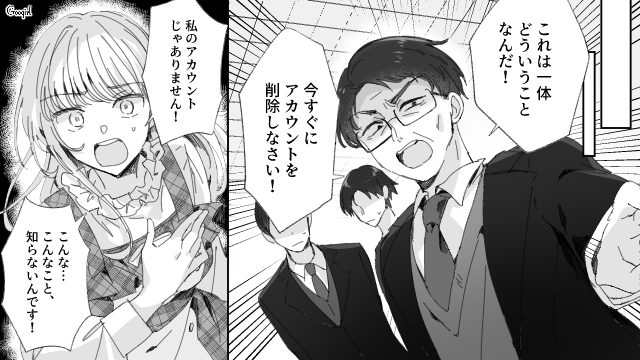
The psychological toll on idols is severe. Performers who resist escalating physical contact during cheki sessions find their stage time slashed or face outright bullying from managers who accuse them of being uncommitted to the team's survival. In fictionalized and real-world accounts alike, such as the serial accounts documented by Googirl surrounding groups like Yamiyamu, the line between idol management, personal manipulation, and coercive control frequently blurs. Young performers hoping for a legitimate launchpad into mainstream entertainment find themselves trapped in underground venues, functioning less like musicians and more like frontline staff in an unmonitored hostess lounge.
Compounding the problem is the total lack of legal recourse for performers. Classified as independent contractors rather than salaried employees, idols have historically had no protection under Japanese labor standards. If a fan touches them inappropriately during a photo shoot, agency staff standing nearby often look the other way rather than risk offending a paying customer who spends hundreds of dollars per week.
Frequently Asked Questions (FAQ)
Q1: What exactly happens during an underground idol cheki session?
During the post-concert meet-and-greet (tokutenkai), fans buy tickets costing 1,000 yen to 2,000 yen each. They line up to take an instant Polaroid with an idol, which typically includes a personalized message written on the photo and a structured 20 to 60 seconds of private conversation.
Q2: Why did physical contact during photo sessions become so controversial?
Fierce market competition drove underfunded agencies to loosen boundaries, permitting romantic gestures like back-hugs, hand-holding, and simulated kisses through clear barriers. This crossed the line from theatrical performance into unregulated hospitality services, prompting police oversight under entertainment business laws.
Q3: How are Tokyo authorities currently regulating underground idol venues?
Law enforcement agencies enforce strict distinctions between live performance spaces and adult entertainment venues. Establishments permitting excessive physical intimacy or private table service without proper hospitality licenses face closure, while reputable event organizers now enforce strict "no-contact" rules during photo events.
The Future of Japan's Intimacy Economy
The crisis surrounding underground cheki sessions marks a permanent shift for Japanese indie entertainment. The regulatory hammer falling on underground venues in Shinjuku and Akihabara makes one thing clear: the era of operating predatory, quasi-hostess businesses under the guise of pop idol culture is drawing to a close. Police scrutiny under the Adult Entertainment Business Act has forced event organizers to formalize codes of conduct, mandate visible distances during photo shoots, and ban unmonitored backroom sessions.
Yet regulatory enforcement addresses only the surface symptoms of a deeper cultural reality. The underground idol boom thrived because it tapped into acute urban loneliness, offering readily accessible human connection in an increasingly atomized society. As fringe agencies adapt to strict non-contact mandates, the industry faces an identity crisis. Groups that relied entirely on selling physical proximity must now survive on genuine musical talent, production quality, and legitimate community-building, or disappear from the live-house circuit entirely.