From Winter Promo to Summer Katsu: The Yuzu Soy Phenomenon
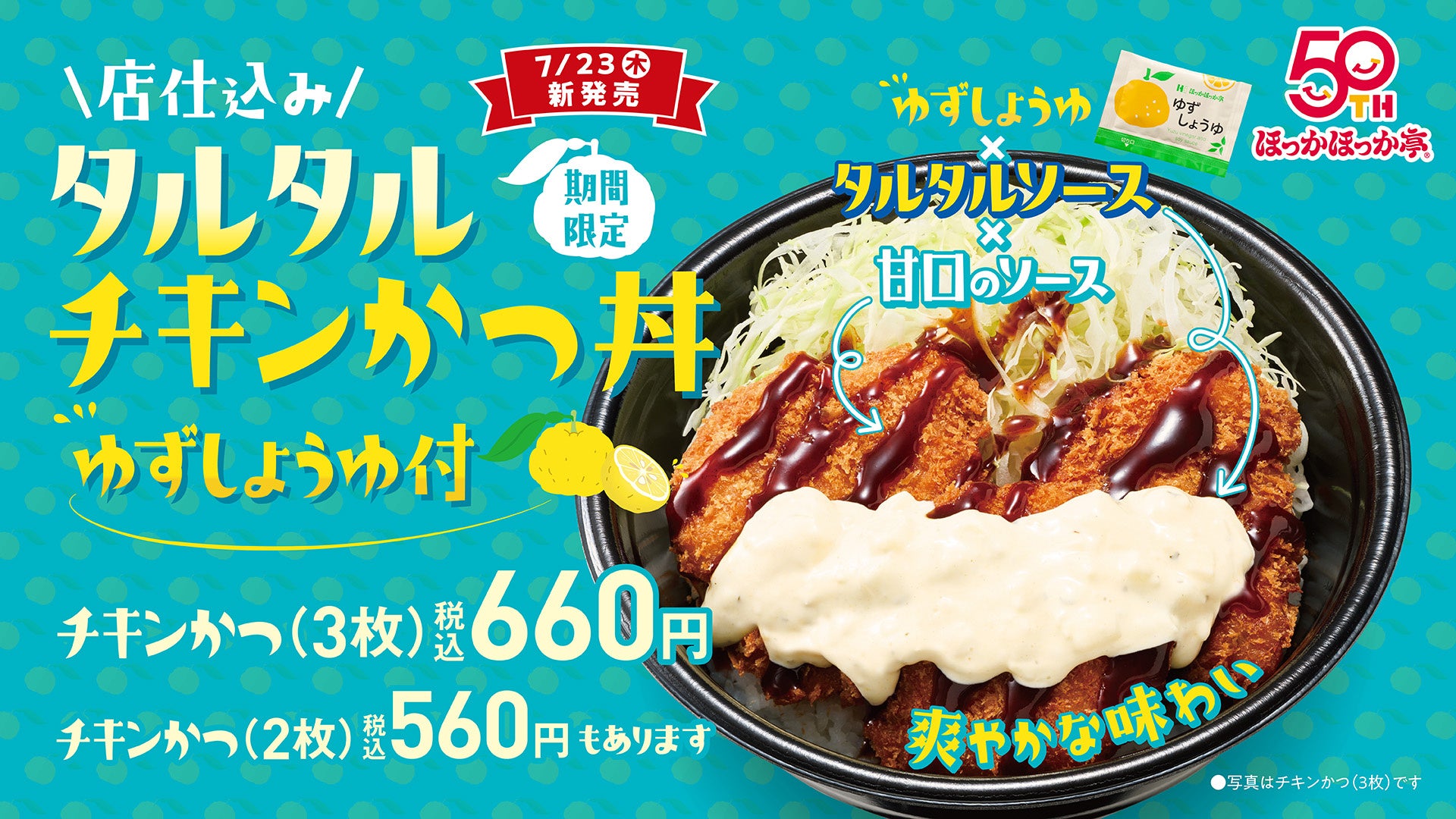
When Osaka-based bento giant Hokka Hokka Tei Souhonbu announced its nationwide rollout of the Tartar Chicken Cutlet Bowl on July 23, 2026, diners across Japan anticipated the usual fried comfort food. Instead, the breakout star turned out to be an unassuming condiment packet tucked into the rim of the bowl: yuzu soy sauce. Official corporate statements detailed in a PR TIMES Report confirmed that leadership under Chairman and President Tatsuya Aoki intended the pairing to cut through the rich grease of freshly fried poultry. Within days, home cooks were dissecting the sauce drop by drop.
The citrus seasoning was not a sudden invention. Its trajectory traces back to an unlikely winter solstice cross-promotional giveaway that morphed into a staple condiment. Recreating the sauce at home reveals a masterclass in Japanese balance, where dark soy, concentrated dashi, and aromatic winter citrus converge to rescue battered cutlets from heaviness.
📌 Key Takeaways:
- The Commercial Origin: The sauce evolved from a December 2025 winter solstice bath-and-comfort campaign with soapmaker Max into the flagship flavor vehicle for Hokka Hokka Tei's summer 2026 menu.
- The Taste Mechanics: Pairing heavy egg-and-mayonnaise tartar with an acidic dashi soy reduction prevents palate fatigue without washing away the crunch of freshly fried panko.
- The Golden Ratio: Replicating the restaurant profile requires a 3:2:1:1 ratio of soy sauce, citrus juice, mirin, and concentrated kombu-bonito dashi, finished with cold-steeped citrus zest.
The Winter Solstice Campaign That Sparked a Condiment Craze
The obsession started far away from commercial fryers. On December 15, 2025, bath additive manufacturer Max teamed up with Hokka Hokka Tei to launch an eccentric cross-industry gift campaign pegged to the winter solstice (Toji) on December 22. In Japanese folklore, taking hot baths infused with whole yuzu fruit staves off seasonal colds, while warming foods restore vitality. Max distributed aromatic yuzu bath salts, while Hokka Hokka Tei ran Rakuten sweepstakes and social media drives distributing miniature bottles of custom yuzu soy sauce.
Customers quickly realized this was not ordinary bottled ponzu. Standard commercial ponzu carries harsh vinegar notes designed to preserve shelf stability at the expense of mellow aromatics. Hokka Hokka Tei’s solstice blend stripped away cheap grain vinegar entirely. It relied instead on pure yuzu extract blended into a softened soy base. Social media forums began filling with requests for commercial retail bottles. The company kept the formula exclusive to promotional events, turning a modest packet of seasoning into a collector's item among bento enthusiasts.
How Tartar Sauce Met Citrus Soy on Fresh Chicken Katsu
Fast-food chains usually treat sauce as an afterthought. Hokka Hokka Tei reversed that equation for its July 23, 2026 launch. The Tartar Chicken Cutlet Bowl presented an operational challenge: double-coated, store-breaded chicken breasts drenched in thick egg tartar sauce inevitably turn soggy and cloying midway through consumption.
Corporate product developers resolved this by introducing the solstice yuzu soy sauce as a counterweight. Rather than drowning the cutlet, diners drizzle the thin, fragrant soy sauce directly over the tartar layer and hot crust. The high acidity breaks up the lipid structure of the mayonnaise, while the amino acids in the soy accentuate the savory notes of the chicken broth seasoning inside the breading. It turned what could have been a sluggish, heavy takeout bowl into an addictive, refreshing summer staple.
Tracing the Condiment's Evolution Across 2025 and 2026
The transition from seasonal gimmick to core menu asset highlights how bento chains test and scale consumer interest. The metrics below outline how the seasoning expanded its reach across Japanese food culture.
| Phase & Date | Distribution Channel | Primary Flavor Profile |
|---|---|---|
| Winter Solstice Promo(Dec 2025) | Limited lottery bottles; Max bath additive tie-in | Mellow, aromatics-heavy, light dashi finish without vinegar sharp edges |
| Commercial Launch(July 2026) | Nationwide bento outlets with Tartar Chicken Katsu-don | Higher acid ratio to cut fried oils; deepened umami via kombu extract |
| Home Kitchen Clones(Present 2026) | Home-cooked weeknight recreations across community forums | Dual soy bases (koikuchi + usukuchi), simmered mirin, fresh yuzu peel |

Flavor Chemistry: Rebuilding the Dashi Soy Reduction
Deconstructing the commercial sauce requires understanding why regular ponzu fails as a direct substitute. Ponzu leans heavily on distilled vinegar, giving it a sharp, biting front palate that washes over delicate fats. Hokka Hokka Tei’s blend relies on an aged kaeshi style base: soy sauce simmered gently with genuine mirin to cook off harsh alcohol vapors, then infused with concentrated glutamate.
Commercial sauce packets use hydrolyzed vegetable proteins and concentrated mushroom-seaweed extracts to maintain body when cold. At home, you match that depth using double-strength kombu and katsuobushi dashi. The acid profile comes entirely from real yuzu juice. Because fresh yuzu juice contains natural volatile terpenes that degrade under heat, the citrus elements must never touch a simmering pan. They are blended into the seasoned soy base only after it drops below room temperature.
The Definitive Homemade Yuzu Shoyu Bento Clone
This formulation produces roughly 150 milliliters of sauce, enough to dress four large chicken cutlet bowls or season a week of fried bento boxes.
Ingredients:
- Koikuchi Soy Sauce (Regular Japanese Dark Soy): 45 ml (3 tbsp)
- Usukuchi Soy Sauce (Light Soy for salinity and color): 15 ml (1 tbsp)
- Hon-Mirin (True brewed sweet rice wine): 30 ml (2 tbsp)
- Double-Concentrated Dashi (Kombu & Bonito): 20 ml (4 tsp)
- Pure Yuzu Juice (Bottled or freshly squeezed): 30 ml (2 tbsp)
- Granulated Sugar: 5 grams (1 tsp)
- Fresh Yuzu or Meyer Lemon Zest: 1 thin strip, finely microplaned (optional)
Preparation Method:
Pour the hon-mirin into a small non-reactive saucepan over medium heat. Bring it to a gentle boil for 60 to 90 seconds to burn off raw ethanol. Lower the flame to minimum, adding the sugar, both soy sauces, and the concentrated dashi. Whisk until the sugar crystals fully dissolve. Do not let the soy sauce boil hard; boiling scorches the delicate amino acids and leaves a bitter aftertaste. Remove from heat immediately and transfer the reduction into a ceramic or glass bowl. Chill in the refrigerator for at least 30 minutes until cold.
Once chilled, whisk in the pure yuzu juice and the microplaned citrus zest. The zest introduces essential oils that mirror the punch of commercial essence packets. Store the sauce in a sealed glass cruet. While usable immediately, the mixture reaches its peak after resting for 24 hours in the refrigerator, allowing the salty soy notes and the wild citrus brightness to marry into a silky glaze.
Adaptations for Weeknight Frying and Bento Boxes
The utility of this sauce extends well past chicken katsu. In hot packed lunches, fried items inevitably lose their crisp exterior due to trapped steam. Traditional thick bulldog katsu sauces turn congealed and pasty as they cool. This citrus reduction stays fluid, sinking into the breading without forming a heavy layer.
Home cooks use it as a finishing drizzle over pan-fried pork chops, grilled salmon skewers, and cold tofu cubes. Drizzled over deep-fried karaage or store-bought gyoza, it cuts through rendered animal fats instantly. If serving with fried foods that already feature mayonnaise or tartar sauce, splash one tablespoon of the citrus soy directly over the cream sauce just before eating. The acidity will curdle the sauce slightly on the surface, creating an appetizing marbling effect that brightens every mouthful.
Frequently Asked Questions (FAQ)
Q1: Can I use bottled lemon juice instead of yuzu juice?
A1: Lemon juice works in a pinch, but it lacks the floral, resinous bitterness that defines yuzu. For the closest substitute, blend three parts fresh lemon juice with one part fresh grapefruit juice or use pure calamansi juice to simulate yuzu's botanical complexity.
Q2: How long does this homemade sauce keep in the refrigerator?
A2: Kept in a sanitized, airtight glass container, the sauce remains fresh for up to three weeks. Keep it refrigerated continuously, as real citrus juice without artificial preservatives will lose its aromatic brightness over extended periods.
Q3: Why does the recipe call for two different kinds of soy sauce?
A3: Regular dark soy (koikuchi) provides rich umami and deep color, but relying on it alone can muddy the bright citrus notes. Light soy (usukuchi) has higher salinity and a cleaner profile, ensuring the sauce cuts through heavy fried batter without overpowering it.
The Staying Power of Japanese Citrus Seasonings
Fast-food menu items come and go, but condiments that solve real culinary problems tend to outlive their promotional cycles. Hokka Hokka Tei’s decision to pair high-fat fried poultry and thick mayonnaise with a crisp, low-viscosity citrus soy sauce solved a universal challenge in takeout bento design: grease fatigue. By stripping out harsh commercial vinegars in favor of authentic dashi reduction and aromatic fruit juice, the brand proved that fast-food convenience does not require compromising on fundamental flavor balance. Master this simple reduction in your own kitchen, and store-bought fried cutlets will never taste heavy again.