Heartbreak in Nagoya: Japan Falls 0-1 to Rival South Korea in Asian Games Final

Nagoya, Japan, An electric atmosphere inside Toyota Stadium fell into stunned silence on Saturday night as the referee sounded the final whistle, sealing a 0-1 defeat for Japan's Under-21 squad against archrival South Korea in the men's football final of the 20th Asian Games. The solitary goal decided a bruising, tactical contest, ensuring South Korea retained continental supremacy while leaving the host nation to settle for a silver medal on home soil.
According to post-match coverage confirmed in the latest SANSPO Report, the defeat caps an intense three-week tournament across Aichi and Nagoya. While the Japanese youth side displayed fluid passing throughout the tournament bracket, they could not unlock South Korea's disciplined low block in the final minutes. The result immediately reverberated through the Japanese football pyramid, prompting candid soul-searching from players while senior men's national team coach Hajime Moriyasu turned his attention toward upcoming senior fixtures.
📌 Key Takeaways:
- The Result: South Korea edged Japan 1-0 in Nagoya to capture the 2026 Asian Games men's soccer gold medal, relegating Japan to the silver podium.
- Dressing Room Regret: Attacking midfielder Yumeki Yokoyama expressed profound disappointment after the match, conceding the squad failed to repay supporters with the gold medal they promised.
- The Immediate Horizon: Senior team manager Hajime Moriyasu must now channel the lessons from Nagoya into the senior team's Kirin Cup preparations, where upcoming opponent New Zealand has already issued a bold challenge.
High Stakes in Nagoya: Setting the Stage for an East Asian Derby
The men's football competition at the 2026 Asian Games kicked off on September 15, four days before the opening ceremony officially inaugurated the Games in Aichi-Nagoya. For both nations, the tournament carried immense weight, though their operational philosophies differed significantly.
South Korea arrived in Japan fielding an older, physically imposing lineup bolstered by players competing under tremendous domestic pressure. Japan Football Association (JFA) technical directors opted instead for an Under-21 roster, viewing the tournament as an essential crucible to forge candidates for the 2028 Olympic cycle and future World Cup squads.
Despite the age disparity, Japan cruised through group play and knockout challenges between September 15 and early October. The host nation relied on positional discipline and high-tempo pressing to dismiss opponents, creating an inevitable collision course with South Korea. By the time kickoff arrived at Toyota Stadium, the rivalry felt as venomous and electric as any senior World Cup qualifier.
How the Final Was Decided: 90 Minutes of Attrition
From the opening whistle, South Korea disrupted Japan's passing rhythm with relentless midfield challenges and rapid counter-attacks down the flanks. Japan dominated possession across the first 45 minutes, yet struggled to generate clean looks against South Korea’s compact backline.
The decisive breakthrough arrived early in the second half. Capitalizing on a momentary lapse in Japan's midfield tracking, South Korea engineered a swift transition, driving a clinical finish past the outstretched Japanese goalkeeper.
Down 0-1, Japan threw numbers forward. Technical staff adjusted formations, pushing wide wingers higher up the pitch to stretch the defense. South Korea answered with resolute box defending, repeatedly clearing crosses and breaking up central combination play. Japan's best chance arrived in the 84th minute when a sweeping cutback rolled across the six-yard box, but the subsequent strike sailed inches over the crossbar. South Korea ran down the clock near the corner flags to close out the 1-0 victory.
2026 Asian Games Men's Soccer Bracket: Path to the Podium
The tournament featured 24 squads competing across multiple venues throughout the Chubu region before culminating in the Nagoya medal matches. The following table summarizes the decisive knockout results leading up to Saturday's final.
| Tournament Stage | Fixture & Date | Final Score | Tactical Takeaway |
|---|---|---|---|
| Quarterfinals | Japan vs. Jordan (Sept 27) | 2, 0 | Japan controlled possession, breaking down a deep defensive block with second-half set pieces. |
| Quarterfinals | South Korea vs. Uzbekistan (Sept 28) | 2, 1 (AET) | South Korea leveraged superior physical stamina in extra time to overpower a stubborn opponent. |
| Semifinals | Japan vs. Saudi Arabia (Oct 1) | 1, 0 | A resilient defensive display carried the young Samurai Blue into the gold medal clash. |
| Bronze Medal Match | Saudi Arabia vs. Uzbekistan (Oct 3) | 1, 2 | Uzbekistan claimed the podium spot through sharp finishing on counter-attacks. |
| Gold Medal Match | Japan U-21 vs. South Korea (Oct 3) | 0, 1 | South Korea converted their singular clear transition chance; Japan lacked sharpness inside the box. |
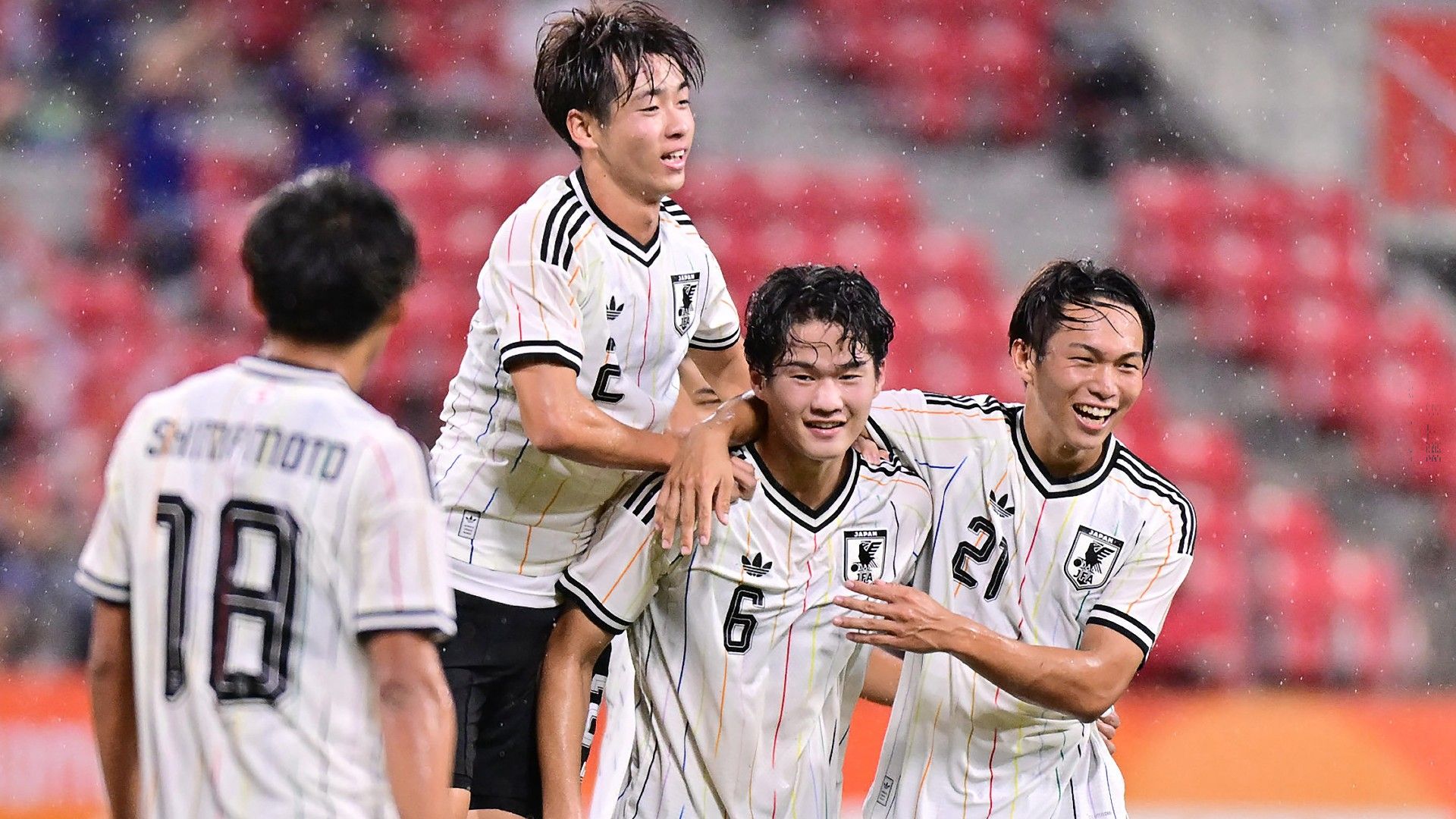
Raw Emotion in the Tunnel: Yumeki Yokoyama Speaks Out
The post-match atmosphere in the mixed zone was somber. Japanese players sat along the tunnel walls, heads in hands, processing what felt like a missed historic opportunity on domestic turf.
Attacking prospect Yumeki Yokoyama did not hide his anguish when addressing reporters.
"I couldn't give back with results," Yokoyama said quietly. "We received so much support from the fans here in Nagoya and everyone backing us nationwide. When you reach a final like this against Korea, simply putting up a good fight means nothing without the gold. It hurts that we fell short in the decisive moments."
Yokoyama was one of Japan's most reliable creators throughout the tournament, yet South Korea targeted him aggressively, cutting off his passing channels. His comments reflect the intense standard within Japan's youth development ranks: silver medals, particularly against regional rivals, are treated as unfinished business rather than celebrations.
Senior Squad Outlook: Moriyasu Balances Tournament Review with the Kirin Cup
Watching closely from the VIP boxes was Hajime Moriyasu. The senior national team manager spent the tournament evaluating prospective talent while simultaneously planning for Japan's autumn friendly slate.
While Moriyasu acknowledged the silver medal as proof of technical depth, the senior squad faces immediate tests. The upcoming Kirin Cup brings intercontinental opposition to Japanese stadiums, starting with a clash against New Zealand.
New Zealand manager Darren Bazeley wasted no time establishing competitive tension ahead of the international window.
"Playing the host country is always a special experience," Bazeley said in remarks confirmed by Japanese media. "We are not coming all this way just to participate. Our squad expects to win."
Moriyasu will balance the integration of young standouts like Yokoyama into wider national team camps while testing senior tactical structures against physical sides like New Zealand. The lessons of Saturday's 0-1 defeat, specifically managing physical duels and executing under high-press transitions, will serve as central talking points in upcoming film sessions.
Frequently Asked Questions (FAQ)
What was the final score of the Japan vs South Korea Asian Games soccer final?
South Korea defeated Japan 1-0 on Saturday, October 3, 2026, at Toyota Stadium in Nagoya to win the gold medal.
Why did Japan field an Under-21 squad at the 2026 Asian Games?
The Japan Football Association (JFA) deliberately selected an Under-21 group to accelerate player development for the 2028 Olympic Games and future senior tournaments, choosing long-term experience over short-term roster loading.
What matches are coming up on Japan's international soccer schedule?
Following the conclusion of the Asian Games, Japan's senior men's team enters the Kirin Cup series, highlighted by an upcoming clash against New Zealand on domestic soil.
The Long Road from Nagoya
Tournaments like the Asian Games rarely offer fair assessments of a nation's absolute footballing health. A single deflected strike or an isolated set piece often decides silverware. South Korea earned their gold medal through tactical execution and game management, capitalizing on the single clear chance they engineered.
For Japan, silver stings in front of home supporters. The defeat exposes the persistent gap between graceful technical possession between the boxes and decisive finishing inside the eighteen-yard box. How prospects like Yokoyama respond to this setback will determine whether this silver medal serves as an enduring disappointment or the catalyst for their future senior breakthroughs.