How to Safely Remove Trapped Water From Your Ear: Step-by-Step Doctor-Approved Guide
That hollow, sloshing echo inside your skull after a morning swim or shower is an immediate nuisance. Trapped fluid muffles ambient sound, amplifies your internal pulse, and creates a frustrating feeling of imbalance. While most people instinctively reach for a cotton swab or aggressively shake their heads, these reflexive reactions often shove moisture deeper into the ear canal or scratch delicate epithelial tissue. Clinical insights highlighted in a recent health.clevelandclinic.org Report demonstrate that managing bodily moisture barriers requires gentle, chemically sound interventions rather than physical force. When water remains locked behind the tragus for more than 24 to 48 hours, the warm, dark environment becomes a breeding ground for bacteria, turning a minor annoyance into an acute bout of swimmer's ear.
📌 Key Takeaways:
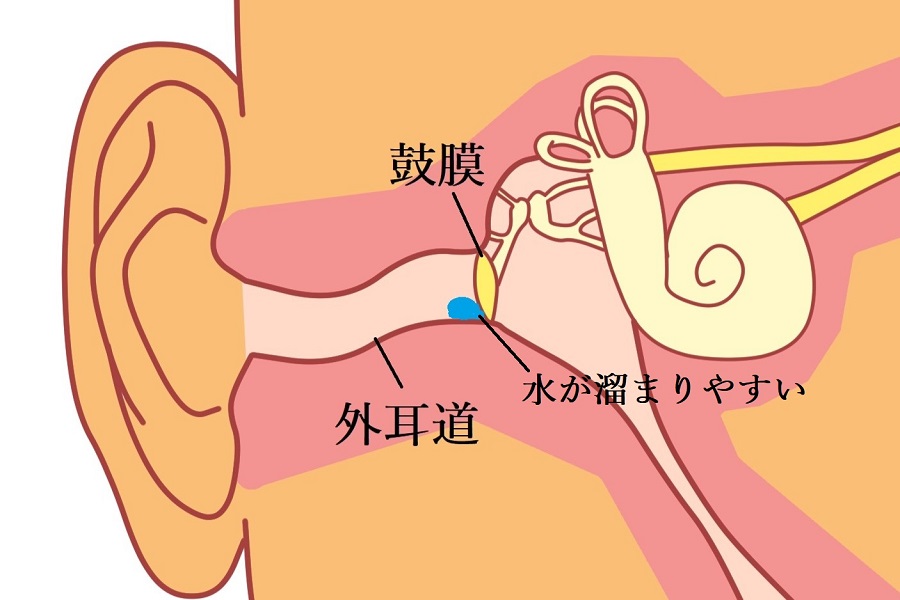
- The Direct Mechanism: Water gets pinned behind the ear canal's natural S-curve by surface tension, often bonding with preexisting cerumen.
- The Safest Initial Tactic: Combine gravity with gentle cartilage manipulation rather than violent head thumping.
- When to Use Drops: A 1:1 mixture of rubbing alcohol and white vinegar evaporates standing water and restores an acidic mantle, provided your eardrum is intact.
- When to Seek Help: Pain, drainage, or muffled hearing lasting beyond three days points to an earwax impaction or middle ear issue requiring clinical tools.
The Physics of Trapped Fluid and Surface Tension
The human external auditory canal measures roughly 2.5 centimeters in length and features an upward, backward curve resembling an elongated S. This structural architecture protects the delicate tympanic membrane from flying debris and physical trauma. However, that same anatomical bend creates a natural catch-basin for liquids. Water does not simply pour out because surface tension locks the fluid against the canal's microscopic skin ridges and fine hairs.
Cerumen, commonly known as earwax, adds another layer of complexity. Earwax is naturally hydrophobic, produced by ceruminous glands to repel water and trap dust. Yet when large amounts of water flood the ear canal, dry cerumen absorbs liquid like a sponge. The wax expands rapidly, creating an earwax blockage fluid barrier that seals moisture against the eardrum. Once this seal forms, standard tilting will not break the liquid's surface tension. You are no longer dealing with free-flowing water; you are dealing with a saturated wax plug that prevents natural ear canal drainage.
Low-Risk Physical Interventions: Gravity, Vacuum, and Heat
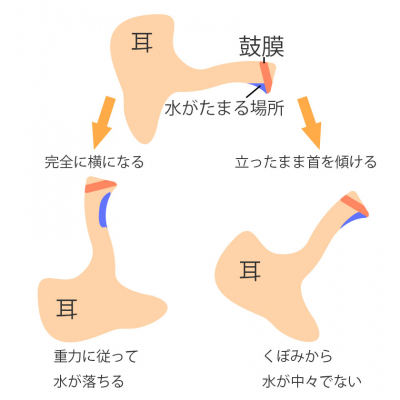
Before reaching for liquid solutions, rely on straightforward mechanical maneuvers that exploit basic physics. The gravity method remains the primary first step. Tilt your head sideways so the affected ear faces parallel to the floor. Instead of jumping up and down, which risks neck strain and rarely breaks fluid tension, employ the tugging earlobe technique. Gently grasp the outer rim of your pinna and pull down and back. This movement straightens the cartilaginous portion of the canal, aligning the S-curve into a direct downward slope and allowing gravity to overcome capillary action.
If pulling the earlobe fails to release the droplet, establish a light suction seal:
- Tilt your head sideways with the clogged ear facing down.
- Cup your palm tightly over the ear to form an airtight seal against your skin.
- Flatten and push your palm inward rapidly, then cup it slightly outward, mimicking a mini-plunger.
- Release the seal abruptly after three or four gentle pumps to dislodge the fluid pocket.
Thermal diffusion offers another non-invasive alternative. Applying a warm compress ear relief pad, a clean washcloth soaked in warm water and wrung out, over the ear for 5 to 10 minutes relaxes the surrounding tissues and softens obstructive wax. Alternatively, take a blow dryer low heat ear approach: hold a handheld hairdryer at least 12 inches (30 cm) away from the side of your head, set it to the lowest heat and speed setting, and direct the airflow across the ear opening for two minutes. Never point concentrated hot air directly down the canal, which can burn the canal lining or damage the eardrum.
Chemical Evaporation: The 1:1 Rubbing Alcohol and Vinegar Solution
When physical maneuvers leave the droplet trapped, drying drops provide effective relief. An over-the-counter drying agent or an at-home blend of rubbing alcohol and vinegar drops functions as both a desiccant and an antimicrobial shield. Isopropyl alcohol bonds with the water molecules and accelerates evaporation. White vinegar contains roughly 5% acetic acid, which lowers the pH level inside the canal, serving as an otitis externa prevention measure against opportunistic bacterial strains like Pseudomonas aeruginosa.
To apply this solution safely, combine equal parts 70% isopropyl alcohol and plain white distilled vinegar in a clean dropper bottle:
Lie on your side with the affected ear facing upward. Administer 3 to 4 drops directly into the ear canal opening. Stay completely still for three minutes, allowing the liquid to migrate down toward the trapped water pocket. You may feel a slight bubbling sensation or mild warmth. Afterward, sit up, tilt your head over a clean tissue, and let the entire volume drain out. The alcohol will carry the trapped water with it as it evaporates.
Crucial Medical Contraindication: Never introduce alcohol, vinegar, or any liquid drops if you have a perforated eardrum, tympanostomy tubes, active ear bleeding, or sharp stabbing pain. Introducing acidic alcohol solutions through a ruptured tympanic membrane into the middle ear space causes severe pain, chemical burns to middle ear mucosa, and potential inner ear toxicity.
Clearing Fluid Methods Compared: Risk, Speed, and Efficacy
| Method | Action Mechanism & Speed | Safety Profile | Absolute Contraindications |
|---|---|---|---|
| Gravity & Pinna Traction | Aligns ear canal S-curve; works within 1, 3 minutes. | Highest; zero chemical exposure or canal abrasion. | Severe cervical spine instability. |
| Palm Suction Vacuum | Disrupts fluid surface tension; works in under 60 seconds. | Moderate; aggressive pumping can stress the tympanic membrane. | Recent ear surgery or perforated tympanic membrane. |
| 1:1 Alcohol & Vinegar Drops | Chemical evaporation and canal acidification; works in 3, 5 minutes. | High for healthy ears; eliminates microbial colonization. | Tympanostomy tubes, eardrum perforation, open wounds. |
| Low-Heat Blow Dryer | Thermal evaporation through moving dry air; takes 3, 5 minutes. | High if kept 12 inches away on cool/low setting. | High heat settings, direct close contact, thermal burns. |
| Cotton Swab Insertion | Superficial absorption; often compacts cerumen deeper. | Extremely poor; primary cause of micro-tears and infections. | Universal medical consensus advises against internal use. |
Common Drainage Mistakes That Fuel Otitis Externa
The single most destructive habit among swimmers and bathers is probing the ear canal with cotton applicators. Proper cotton swab ear safety means never inserting a swab past the external aperture of the ear. The skin lining the inner two-thirds of the canal is extraordinarily thin, often measuring less than 0.1 millimeters thick, and rests directly on bone. A swab does not sweep water out; instead, it strips away the protective lipid layer of the skin, causes micro-fissures, and rams wet wax against the tympanic membrane.
Another problematic habit is an uncalibrated Valsalva maneuver. Forcefully pinching your nostrils and blowing hard against closed lips pushes air up the eustachian tubes. While divers use this technique to equalize middle ear pressure during descents, applying high nasopharyngeal pressure while the external canal is wet can force nasal bacteria upward toward the middle ear space. It also does nothing to remove water sitting in the external auditory canal, since the eardrum completely isolates that space from the eustachian tube under normal anatomy.
Distinguishing Outer Canal Water from Eustachian Tube Dysfunction
Patients frequently complain that water remains trapped for weeks despite trying every topical remedy available. In many cases, no water remains in the ear canal at all. The underlying culprit is often eustachian tube dysfunction, an entirely separate anatomical problem that mimics the sensation of trapped fluid.
The eustachian tube connects the back of the nasopharynx to the middle ear chamber behind the eardrum. When seasonal allergies, an upper respiratory viral infection, or sinus inflammation cause this narrow tube to swell shut, the middle ear cannot equalize pressure. Negative pressure builds up, pulling the eardrum inward and causing fluid to transudate into the middle ear space. This produces a crackling, fullness, and muffled hearing profile that feels identical to post-swim water retention. Drops placed in the ear canal cannot reach this fluid because the tympanic membrane blocks the way. Treating this condition requires oral decongestants, nasal corticosteroid sprays, or clinical evaluation, not topical alcohol drops.
Warning Signs That Demand Immediate ENT Evaluation
When conservative home measures fail, watch for symptoms that signal an active bacterial or fungal infection. Acute otitis externa, commonly known as swimmer's ear, progresses rapidly once moisture breaches the canal's epithelial defenses. The early itching sensation can turn into severe, throbbing pain within 24 to 48 hours.
Schedule an evaluation with an otolaryngologist (ENT) or visit an urgent care clinic if you develop any of these warning signs:
- Pain that intensifies significantly when pulling on the earlobe or pressing on the tragus.
- Clear, yellow, or foul-smelling drainage weeping from the ear canal.
- Redness, heat, or noticeable swelling spreading to the outer pinna or surrounding lymph nodes.
- A persistent sense of blockage that lasts longer than 72 hours, pointing to an expanding cerumen impaction.
- Fever exceeding 100.4°F (38°C), dizziness, or facial muscle weakness.
An ENT can inspect the canal using an operating microscope, safely vacuum trapped fluid and swollen wax with micro-suction instruments, and prescribe targeted topical antibiotic drops such as ciprofloxacin or polymyxin B if an infection has taken root.
Frequently Asked Questions (FAQ)
Q1: Can I sleep on my side to let the trapped water drain naturally overnight?
A1: Yes, resting your head on a soft towel with the clogged ear facing downward is an effective, zero-effort strategy. Gravity gently draws the liquid outward as the ear canal relaxes during sleep. Adding a warm water bottle or heating pad set to low beneath your pillow helps by thinning obstructive cerumen.
Q2: Is it safe to use hydrogen peroxide to remove trapped water?
A2: A 3% pharmaceutical hydrogen peroxide solution can help break up wax plugs that are trapping water. Dilute it 1:1 with distilled water and place 2 to 3 drops in the ear canal. However, avoid frequent use; repeated bubbling can dry out the delicate canal tissue and cause chemical irritation if used more than once or twice a week.
Q3: Why does trapped water sound like a loud crackling noise when I chew?
A3: When you chew or swallow, the condyle of your mandible presses against the anterior wall of the ear canal, shifting the canal's shape. This movement flexes the trapped water droplet and causes it to break and reform surface tension against the canal walls, creating an amplified clicking or crackling sound right next to your eardrum.
Protecting the Auditory Canal in the Water
Taking care of your ears around water comes down to basic physics and skin barrier health. Trapped moisture is easy to manage when treated early with simple gravity drainage, targeted warmth, or a quick application of an alcohol-vinegar desiccant. Avoiding cotton swabs and keeping fingers out of the canal protects the skin's natural defense against microbial infection.
For frequent swimmers and those prone to chronic cerumen buildup, prevention is far easier than treating an established blockage. Custom-molded silicone swim plugs create a reliable watertight seal, and keeping a dedicated bottle of drying drops in your swim bag helps clear residual moisture within minutes of leaving the pool. When gentle measures do not restore clear hearing within a few days, skip aggressive home remedies and let an ENT clear the canal with proper medical tools.