Inside the Viral Crisis: Chronological Breakdown of the 'Okawari Mo Ii Zo' Meme Backlash
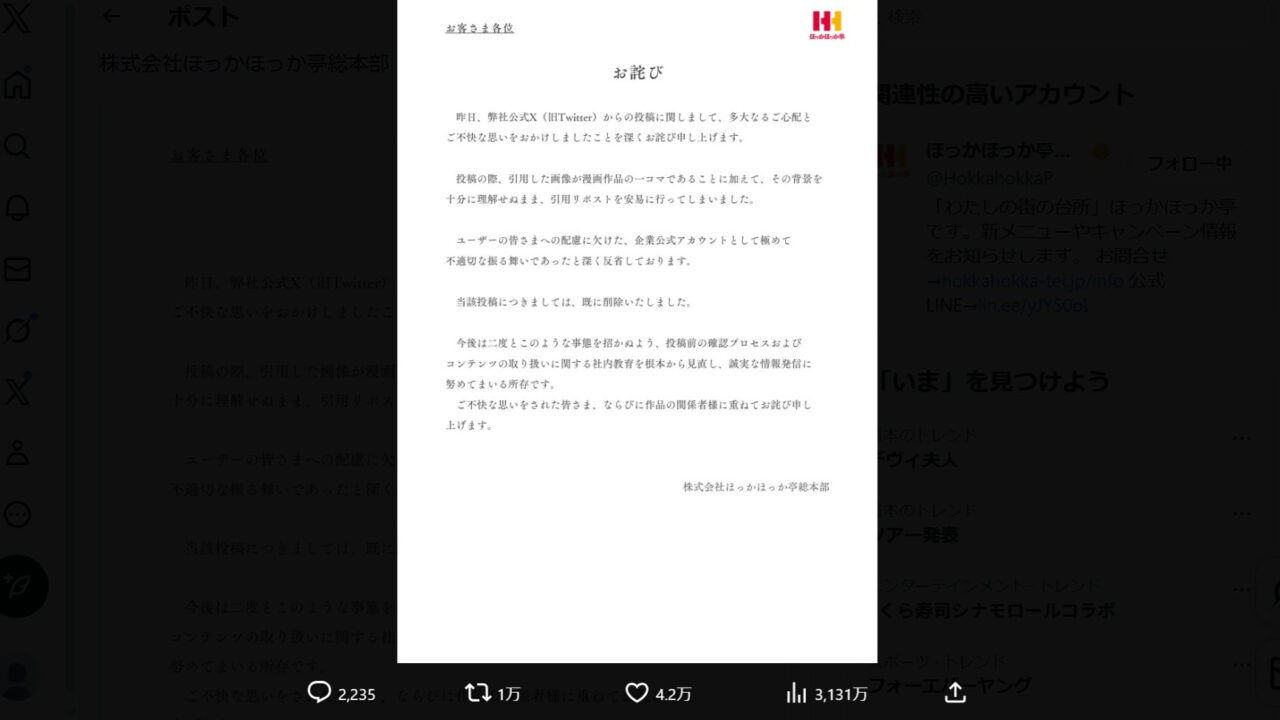
A single lighthearted promotional tweet can unravel an entire brand communications strategy in minutes. In late January 2026, a corporate marketing team attempted to surf a rising wave on Japanese social media by deploying the viral phrase "Okawari mo ii zo" (おかわりもいいぞ, roughly translating to "seconds are fine too" or "feel free to have another helping"). Instead of driving playful engagement, the post walked straight into an intellectual property minefield, resulting in a public relations retraction, a wave of over 2,200 public comments, and intense scrutiny across the advertising industry.
As documented in detail by AdverTimes PR reporting, the company was forced to issue a formal corporate public apology after realizing that behind the cheerful feeding joke lay an unauthorized manga reprint clipped straight out of an adult publication. The episode laid bare the growing friction between real-time viral marketing and corporate compliance protocols.
📌 Key Takeaways:
- The Core Breach: A corporate account posted an unauthorized panel from an adult manga alongside the catchphrase "Okawari mo ii zo", sparking widespread accusations of copyright infringement.
- The Official Defense: The company's communications office acknowledged that participating in unauthorized reprints represented their biggest lapse in judgment, rather than the humorous tone itself.
- The Audience Split: More than 2,200 comments flooded the apology post, revealing a sharp divide between users defending the company against "internet traps" and critics condemning lax compliance checks.
The Obscure Manga Origins of "Okawari Mo Ii Zo"
Every meme carries a lineage, but few corporate social media teams trace that ancestry before hitting publish. The phrase "Okawari mo ii zo" originated as a throwaway line in an underground adult manga scene. The panel features a character offering food with an intense, deadpan expression, juxtaposed against a bizarrely domestic offer of another bowl of rice.
Over years of recirculation across Futaba Channel (2channel's imageboard offshoot) and Japanese Twitter, the image detached entirely from its adult narrative context. Netizens used it to celebrate hearty meals, athletic feats, or double portions at ramen shops. It became common parlance among baseball fans celebrating back-to-back home runs, and pet owners filming animals begging relentlessly for food treats.
By early 2026, the catchphrase felt ubiquitous. It seemed like fair game for brand engagement. To a junior social media manager scanning trending topics, the line looked harmless, punchy, and instantly relatable. That surface-level reading obscured the legal reality beneath it: every repost of that cropped image without licensing permission constituted an unauthorized manga reprint.
From Engagement Bait to Formal Corporate Retraction
The crisis escalated along a predictable timeline. The brand account posted the meme image to jump on a food-related trend, expecting standard engagement metrics. Within hours, observers pointed out that a commercial brand was publishing uncredited, copyrighted manga art to drive commercial interest. Worse, internet historians quickly flagged the explicit nature of the original source work.
The post stayed online just long enough to spread across aggregator blogs and screenshots before the communications team scrambled to delete it. Silence was not an option; the deletion triggered an immediate wave of speculation. On January 22, 2026, the brand published a formal written apology acknowledging the failure.
| Phase | Event & Action Taken | Public Reaction |
|---|---|---|
| Phase 1: Initial Post | Brand account posts "Okawari mo ii zo" cropped panel to boost lunch-hour engagement. | Initial likes followed quickly by user warnings regarding original manga origin. |
| Phase 2: Removal & Silence | Post quietly deleted; screenshots spread to community message boards and quote tweets. | Accusations of silent cover-up; marketing compliance questioned. |
| Phase 3: Formal Statement | PR division issues formal apology acknowledging unauthorized image reprint. | Over 2,200 comments; community splits between sympathy and regulatory critique. |
| Phase 4: Industry Audit | Corporate communications establishes secondary review layer for all image assets. | Industry trade outlets highlight the case as a benchmark for social compliance risk. |
The PR division did not mince words about the core mistake. In statements gathered during post-incident assessments, company spokespeople emphasized that their fundamental misstep was participating in unauthorized reproduction. When corporate entities treat copyrighted creative assets like common public domain property, they dismantle their own legal defenses.
Public Sentiment and the 2,200-Comment Divide
When the corporate public apology went live, the response surprised outside monitors. The comment section exploded with over 2,200 replies, but they were far from universally hostile.
A substantial portion of everyday users sided with the brand. Commenters remarked that casual users share these images daily without consequences, labeling the incident an unfair "internet trap" (ネットの罠) designed to ensnare corporate staff unfamiliar with niche subcultures. Others expressed genuine sympathy, noting the bad luck of referencing a manga whose underlying narrative carried sensitive adult themes.
Industry professionals and legal analysts viewed the matter far more sternly. Personal social media accounts operate under informal cultural norms where minor copyright infractions often go ignored by creators. Commercial brands operate under statutory copyright law. When a business uses an artist’s work to sell goods, promote products, or elevate its public profile, fair use defenses collapse. The presence of adult source material simply magnified an already serious intellectual property violation.
The Hidden Costs of Unvetted Viral Marketing
The "Okawari mo ii zo" incident highlights structural issues inside modern marketing departments. Brands face intense pressure to join viral conversations within minutes. If an account manager stops to request legal sign-off from external counsel, the trend passes, metrics plummet, and the moment evaporates.
That speed mandate creates systemic blind spots:
- Context Blindness: Meme formats frequently shed their provenance as they circulate. Marketing teams rarely run reverse image searches on the original panels they reuse.
- Informal Asset Pipelines: Junior team members often pull graphics directly from search engines or third-party social feeds rather than licensed media banks.
- False Equivalence with Consumer Accounts: Corporate community managers attempt to mimic the ironic, chaotic tone of individual users while remaining bound by commercial liability.
These blind spots carry heavy price tags. While no formal lawsuit emerged in this specific instance, the damage to brand reputation management was immediate. The incident required hours of emergency executive meetings, diverted external PR counsel, and linked the brand’s search results with an adult manga controversy.
Establishing Copyright Compliance in Corporate Marketing
Relying on good luck is not an operational strategy. As internet subcultures move deeper into the mainstream, brands require systemic operational guardrails before deploying cultural artifacts.
The first rule is categorical: commercial accounts must never publish third-party manga panels, anime screenshots, or illustration crops without an explicit license or written authorization from the copyright holder. Fair-use thresholds for commercial entities in Japan remain exceptionally narrow. A meme shared for corporate visibility is, by definition, commercial communication.
Second, marketing workflows need mandatory verification standards. Any asset pulled from an external social thread must undergo reverse-image indexing to identify its creator, publisher, and contextual origin. If an image traces back to an anonymous forum, an unverified digital artist, or an adult publication, the asset must be discarded immediately.
Finally, brand reputation management requires clear post-incident playbooks. The company in this case acted decisively once the crisis broke. By directly addressing the copyright violation rather than hiding behind excuses, the PR team prevented sustained legal escalation, even as the public debate raged.
Frequently Asked Questions (FAQ)
Q1: What does "Okawari mo ii zo" actually mean in Japanese?
A1: The phrase translates literally to "Seconds are fine too" or "Feel free to have another serving." It is routinely used at dining tables, restaurants, and casually among friends when offering extra food.
Q2: Why did using this phrase lead to a corporate PR crisis?
A2: The controversy did not stem from the text itself, but from the company posting an unauthorized screenshot of a manga panel where the character speaks the line. That specific panel originated from an adult manga publication, compounding an unauthorized image reprint with brand-inappropriate context.
Q3: Why can regular social media users post this meme without consequences while companies cannot?
A3: Individual users post for non-commercial personal expression, which manga publishers often tolerate to encourage fan engagement. Commercial accounts share content to generate engagement, brand value, and profit, placing their activity under strict commercial copyright standards where uncredited reprinting is legally actionable.
Strategic Brand Takeaways
The viral controversy surrounding "Okawari mo ii zo" serves as a textbook study in social media compliance risks. Pop culture trends offer tempting spikes in audience attention, but deploying community assets without understanding their legal pedigree carries acute institutional danger.
A corporate social channel is not an individual shitpost account. It is a commercial broadcast. When brands forget that distinction, they inherit all the legal liabilities of unauthorized publishing with none of the grassroots goodwill of everyday internet culture. Strict verification protocols, clear image provenance tracking, and an uncompromising respect for copyright law remain the only reliable shields against digital marketing disasters.