Japan Volleyball Star Shunichiro Sato Arrested: Shocking Drug Allegations Derail National Team

Japanese sports authorities were plunged into crisis on May 28, 2026, when Tokyo Metropolitan Police Department detectives arrested national volleyball standout Shunichiro Sato on suspicion of narcotics possession. The 26-year-old middle blocker, a prominent figure in Japan’s top-tier SV League for Nagoya, was taken into custody under the Cannabis Control Act just hours before the men's national team was scheduled to launch its international summer campaign. The shockwave forced the immediate cancellation of the national team’s launch event at the Ajinomoto National Training Center in Tokyo, replacing a celebratory media showcase with a somber, 40-minute emergency press briefing.
The abrupt fallout derailed preparations for head coach Laurent Tillie’s squad, prompting swift institutional condemnation and public apologies from executive leaders. As detailed in an initial サンスポ Report, the Japan Volleyball Association (JVA) scrambled to contain reputational damage as police investigations widened into the circumstances surrounding the athlete's personal belongings.
📌 Key Takeaways:
- The Incident: National team middle blocker Shunichiro Sato (26) was arrested on May 28, 2026, by Tokyo police for alleged cannabis possession.
- The Discovery: Investigators initiated the arrest after Sato reportedly dropped a personal item containing illicit substances, alerting law enforcement.
- Institutional Fallout: The JVA scrubbed its season kickoff event, and SV League Nagoya faces severe disciplinary scrutiny under Japan's zero-tolerance legal framework.
How a Lost Personal Item Sparked a High-Profile Police Bust
The sequence of events leading to Sato’s arrest unfolded with startling speed. Rather than stemming from a protracted sting operation or an international border interdiction, the case began with a mundane mishap in the metropolis: Sato inadvertently misplaced personal belongings that contained an illegal substance. When the lost property was recovered and processed by officers with the Tokyo Metropolitan Police Department, inspection revealed what field tests confirmed to be cannabis.
Detectives quickly linked the discarded property directly to Sato. Because Japan's Cannabis Control Act enforces strict possession prohibitions with zero threshold leniency for recreational quantities, the police moved immediately to secure an arrest warrant. By the morning of May 28, officers had taken the 204-centimeter athlete into custody, abruptly removing him from training camp.
The case illustrates Japan's rigid prosecutorial reality. While many Western sports organizations handle first-offense cannabis infractions through internal rehabilitation programs or short competitive bans, Japanese criminal law treats unauthorized possession as a serious penal offense carrying statutory prison sentences of up to five years. For an elite athlete representing the national crest, legal peril arrives in lockstep with total public ostracization.
Chaos at the Ajinomoto National Training Center
Inside the Ajinomoto National Training Center in Kita Ward, Tokyo, television crews and beat reporters had assembled on May 28 for what was meant to be the men's national team kickoff press conference. The atmosphere soured instantly when federation staff announced a complete schedule overhaul. The media backdrop remained, but the celebratory player panels were dismissed.
Instead, JVA Executive Director Hiroyuki Kokubun and Technical Director Masashi Nambu took the stage before bank of flashing cameras. Both men bowed deeply in formal apology, a standard ritual of corporate contrition in Japan, before fielding sharp questions regarding institutional oversight.
"Taking into account that this involves the arrest of an active national team player, we view this matter with the utmost gravity," Kokubun stated during the 40-minute session. Technical Director Nambu visibly struggled to address the logistical vacuum left in the middle blocker rotation, acknowledging that team morale had taken a catastrophic blow on the eve of major global tournament competition.
Timeline of the Scandal and Institutional Reactions
The rapid descent from domestic league standout to criminal suspect played out over a few volatile weeks between late May and early June 2026. Below is how the critical events unfolded across domestic leagues, national team facilities, and law enforcement bureaus:
| Date | Location / Entity | Key Event & Legal Development |
|---|---|---|
| May 27, 2026 | Tokyo Metropolitan Police | Dropped personal effects examined; forensic testing identifies illegal cannabis content. |
| May 28, 2026 (AM) | Metropolitan Police Precinct | Shunichiro Sato arrested on suspicion of violating the Cannabis Control Act. |
| May 28, 2026 (PM) | Ajinomoto National Training Center | JVA halts season launch; Hiroyuki Kokubun leads 40-minute emergency press apology. |
| May 28, 2026 | SV League / Nagoya | League administrators issue official compliance review; club opens contract suspension process. |
| June 4, 2026 | JVA Official Communications | Head coach Laurent Tillie releases formal statement addressing locker-room fallout and seasonal resolve. |
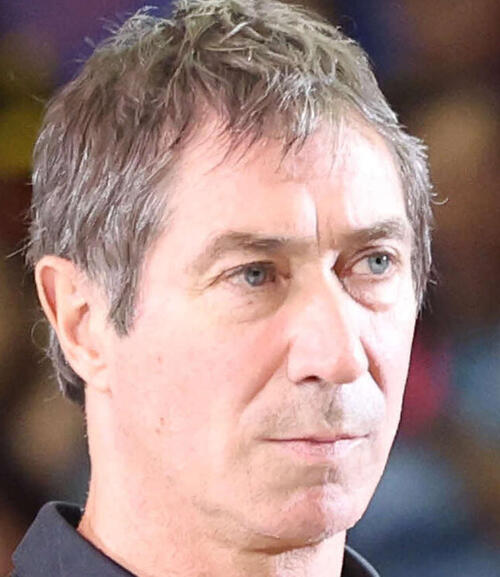
Laurent Tillie Breaks His Silence
The coaching staff faced a daunting managerial challenge. Laurent Tillie, the 62-year-old French tactician who coached France to Olympic gold in Tokyo before taking the reins of Japan’s ambitious national program, had structured his front-line schemes heavily around Sato’s blocking length. On June 4, the JVA published an official statement from Tillie titled "Toward the Men's National Team Activities This Season."
Tillie expressed deep regret to supporters, sponsors, and the Japanese sporting public. While maintaining focus on competitive objectives, the coach made clear that international achievement cannot occur disconnected from ethical compliance. "We must earn back the trust of our supporters step by step," Tillie conveyed in his release, emphasizing that the squad's culture requires complete accountability from every individual wearing the national uniform.
Behind the scenes, the timing could hardly have been worse. The national team had built substantial cultural momentum in Japan over recent seasons, generating sellout arena crowds and lucrative television broadcasts. Sato's arrest instantly brought commercial risk to federations and individual brand sponsors, who routinely include morality termination clauses in their contracts.
Local Backlash and the Scrutiny of SV League Nagoya
The fallout extended into the domestic club sphere. Sato spent the 2025, 26 season competing for Nagoya within the modernized SV League, a competition that had specifically rebranded itself to attract high-profile international talent and private investment. Following the police announcement, SV League executive officials issued a formal notice emphasizing strict compliance protocols, indicating that all affiliated clubs would face mandatory legal orientation programs.
Investigative reporting quickly shifted toward Sato's background. Investigative weekly Shukan Bunshun dispatched reporters to his hometown of Sendai to examine the athlete's personal trajectory. While former local coaches expressed shock that a player of his international caliber had jeopardized his prime years, former school acquaintances offered mixed recollections, with some describing an arrogant demeanor during his youth that went unchecked as his athletic prowess elevated him through high school and collegiate ranks.
Online sports forums and social media platforms reflected genuine anger among Japanese volleyball supporters. The consensus across domestic communities centered on the perceived betrayal of the team's collective labor. In Japanese corporate sports, personal misconduct by a single athlete often reflects penal consequences upon the entire organization, leading to pulled advertisements, community apologies, and canceled youth programs.
Cultural Zero Tolerance: How Japanese Sports Treat Drug Offenses
To grasp the gravity of the Sato scandal, foreign observers must understand Japan’s exceptional legal and societal posture toward illicit substances. Unlike Western jurisdictions that have increasingly decriminalized or regulated personal cannabis use, Japan maintains an unyielding stance reinforced by cultural expectations of collective responsibility.
When an active athlete is arrested for drugs in Japan, the consequences follow a predictable pattern:
- Total Identity Erasure: Club websites immediately scrub player profiles, images, and merchandise to insulate the parent corporation from brand contamination.
- Contract Termination: Professional contracts are voided without severance, accompanied by potential financial penalties for breach of conduct codes.
- Indefinite Competitive Bans: The national governing body almost universally issues lifetime or indefinite bans from all sanctioned competition.
- Severe Legal Penalties: First-time offenders without intent to distribute may receive suspended prison terms, but the resulting criminal record permanently eliminates executive or coaching opportunities in domestic athletics.
For Sato, who was entering the peak competitive window of his career at age 26, the legal filing effectively marks the end of his national team career and creates near-insurmountable obstacles to resuming professional volleyball in Japan.
Frequently Asked Questions (FAQ)
Q1: What specific law did Shunichiro Sato allegedly violate?
A1: Sato was arrested on suspicion of violating Japan's Cannabis Control Act, which strictly prohibits the possession, cultivation, transfer, or receipt of cannabis without specialized regulatory licensing. The law enforces criminal penalties for possession regardless of the quantity involved.
Q2: How did law enforcement discover the cannabis?
A2: According to police reporting, the case originated after Sato dropped personal effects in public. When the misplaced items were retrieved and inspected by the Tokyo Metropolitan Police Department, officers discovered cannabis inside, leading to his identification and subsequent arrest.
Q3: Will Shunichiro Sato be allowed to play in the SV League again?
A3: A return to the SV League or the Japanese national team is extraordinarily unlikely. Historically, Japanese sports federations impose indefinite or permanent expulsions on athletes convicted of narcotics offenses, alongside the termination of existing club contracts.
The Road Ahead for Japan Men's Volleyball
The arrest of Shunichiro Sato serves as a harsh organizational shock for a sport that had spent years cultivating an unimpeachable public profile. The JVA must now navigate immediate structural questions: replacing a core rotational blocker without disrupting competitive continuity, while simultaneously demonstrating to government sports agencies that institutional governance remains sound.
Laurent Tillie faces the tactical challenge of stabilizing an emotionally shaken roster under intense domestic scrutiny. For the SV League and Nagoya, the coming months will involve intensive internal audits, tighter player management rules, and mandatory compliance seminars. As the criminal case moves through the Tokyo judicial system, the Japanese volleyball community is left to reckon with how quickly a rising star's career can disintegrate over a single fatal misstep.