Sugi Pharmacy 50th Anniversary Surge: Shoppers Flock to Stores Amid Rain
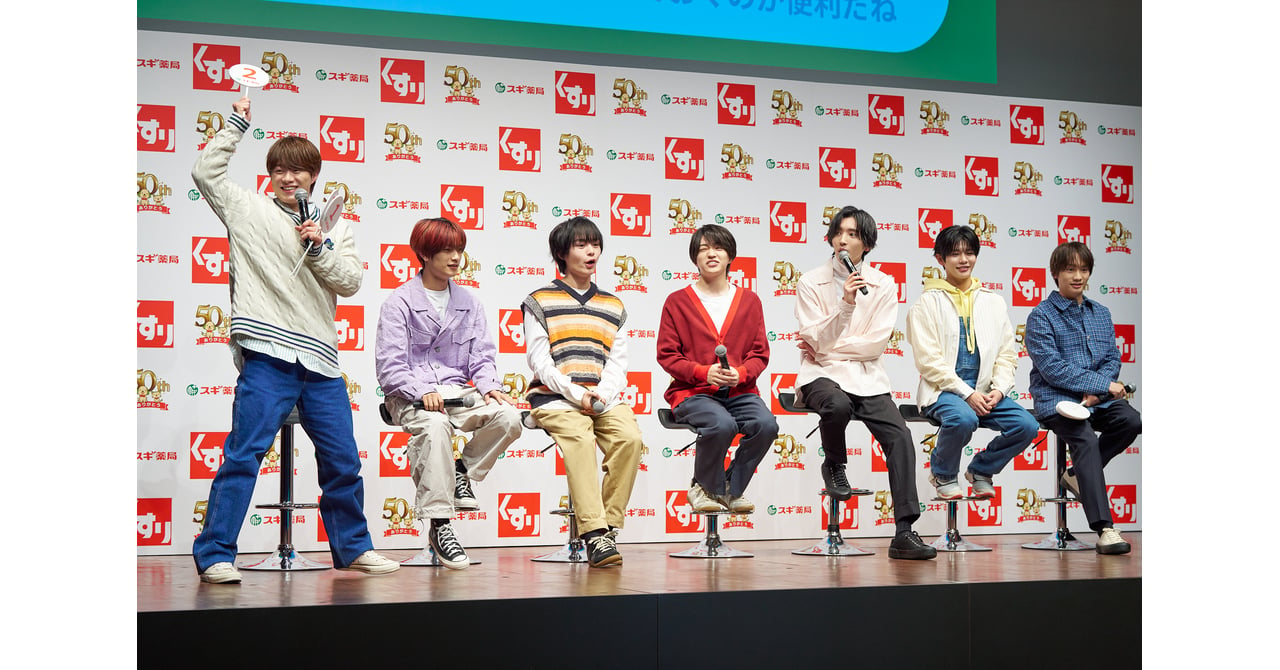
When Sugi Pharmacy rolled out its nationwide 50th-anniversary campaign backed by idol powerhouse Naniwa Danshi, retail analysts expected a measurable uptick in app sign-ups and foot traffic. They did not fully anticipate how a string of sudden February downpours across Tokyo, Nagoya, and Osaka would transform that foot traffic into an immediate run on convenience weather gear. Shoppers crowding aisles to redeem digital app vouchers found themselves stranded by unforecasted squalls, clearing out store shelves of emergency raincoats, disposable ponchos, and vinyl umbrellas alongside discounted household goods.
The convergence of pop-culture marketing and capricious weather turned everyday pharmacy front-ends into emergency staging grounds. As documented in a comprehensive モデルプレス Report covering the campaign launch, the retail giant teamed up with the seven-member pop group to celebrate its milestone under the motto "increasing smiles," debuting original music and aggressive app-exclusive savings across its network. That retail magnet quickly exposed how heavily urban commuters rely on Japanese drugstores for rapid-response weather protection when skies break unexpectedly.
📌 Key Takeaways:
- The Foot Traffic Driver: Sugi Pharmacy launched its massive 50th-anniversary campaign featuring idol group Naniwa Danshi on February 2, 2026, driving tens of thousands of shoppers into stores with app-exclusive coupons and commemorative point multipliers.
- The Weather Collateral: Erratic late-winter weather across central and eastern Japan coincided with peak promotional visits, causing unexpected inventory sellouts of raincoats, compact rain suits, and vinyl umbrellas.
- The Retail Shift: Japanese drugstores have quietly overtaken traditional convenience stores (konbini) for mid-tier emergency rainwear, offering superior durability and lower unit costs during sudden downpours.
The Jubilee Marketing Engine That Packed 1,600 Drugstore Aisles
Sugi Pharmacy did not reach its 50-year milestone by accident. Founded in 1976 in Nishio, Aichi Prefecture, the chain expanded from a modest regional dispensary into a modern conglomerate spanning more than 1,600 locations across Kanto, Chubu, Kansai, and Hokuriku. The appointment of Naniwa Danshi as corporate ambassadors and the release of their promotional track "Suki Sugi" formed the backbone of a major retail push. Television spots, in-store audio loops, and high-value smartphone coupons aimed to draw younger demographics through pharmacy automatic doors.
It worked. Suburban flagship locations and dense metro stations logged double-digit spikes in daily foot traffic during the opening week of February 2026. Long queues formed at registers as customers scanned their Sugi official app to claim 15% item-specific discounts and loyalty points. Yet the promotional blitz overlapped with a volatile frontal weather system that swept through the Pacific coastline. Urban commuters stepping inside to redeem coupons found themselves marooned by torrential sheets of rain, redirecting their attention directly toward seasonal entrance displays.
Sudden Downpours Turn Raincoats into Must-Have Convenience Items
Urban life in Japan moves on foot and by bicycle. When a sudden squall hits central Osaka or Tokyo's Shimbashi district, an umbrella alone often fails to protect commuters navigating narrow streets or cycling home from train stations. Sugi Pharmacy’s entrance vestibules, typically arranged with promotional health drinks or seasonal beauty displays, were quickly reconfigured to showcase waterproof gear.
Shoppers looking for a quick fix faced an immediate choice: purchase a basic 65cm vinyl umbrella that might invert in heavy wind, or buy a full-coverage emergency raincoat. Many chose both. Parents picking up children on electric bicycles and delivery workers ducking out of squalls cleared out compact rain suits and long polyethylene ponchos. Unlike convenience stores, which generally stock only one or two bare-bones emergency covers, large-format drugstores carry distinct grades of rainy-day protection ranging from 100-yen single-use sheets to durable, seam-sealed EVA walking coats.
Field Breakdown: Sugi Pharmacy Rain Gear Lineup and Pricing
A closer look at the rain gear inventory inside typical Sugi Pharmacy branches reveals why value-conscious shoppers pivoted to drugstore shelves rather than running to nearby train-station convenience kiosks. Drugstores offer better price-per-wear metrics across varied categories.
| Product Type | Typical Price (JPY) | Primary Material | Best Use Case |
|---|---|---|---|
| Disposable Rain Poncho | ¥110, ¥220 | Thin Polyethylene (PE) | Immediate emergency dash to station; single-use throwaway. |
| Compact EVA Raincoat | ¥450, ¥780 | Ethylene-Vinyl Acetate (EVA) | Walking in steady rain; reusable several times without tearing. |
| Two-Piece Rain Suit (Jacket + Pants) | ¥980, ¥1,680 | Reinforced PVC / Polyester | Commuter cycling, outdoor labor, severe windstorms. |
| Reinforced Vinyl Umbrella (65, 70cm) | ¥600, ¥900 | POE plastic with fiberglass ribs | Standard foot transit; designed to flex under gusting wind. |
The price-to-performance ratio matters. A standard convenience store often charges upward of ¥600 for a flimsy single-use umbrella. At Sugi, shoppers applied their 50th-anniversary app discounts to acquire heavier-grade EVA coats or two-piece cycling suits for only a marginal price difference, maximizing utility while dodging the storm.

App Vouchers, Points, and the Mechanics of Basket Stacking
Retail analysts note that the phenomenon at Sugi Pharmacy reflects modern basket-building behavior in Japanese urban centers. The official app promotion gave members single-item discounts alongside cumulative point bonuses. When trapped by sudden rain, shoppers did not merely purchase an umbrella and leave.
Instead, they lingered. Customers strolled interior aisles waiting for precipitation to subside, tossing detergent, skin toner, and over-the-counter medication into their baskets alongside a ¥500 raincoat. The promotional campaign created the baseline traffic, but the weather engineered unplanned dwell time. According to store managers across Aichi and Tokyo, non-medical daily convenience items registered anomalous sales volume during the wet days of the campaign's first week, with rain gear sitting near the top of non-pharmaceutical add-on purchases.
From Neighborhood Chemist to Full-Spectrum Urban Lifeline
The run on raincoats underscores a quiet transformation in Japan’s retail geography. Decades ago, an apothecary was simply a dispensary for doctor prescriptions and cold remedies. Under the long-term stewardship of representative director Katsunori Sugiura and the founding vision set in 1976, Sugi Pharmacy expanded into a hybrid general-merchandise operator.
In modern metropolitan transit hubs, drugstores now actively compete with mini-supermarkets and convenience stores. Their inventory accounts for sudden urban crises, stocking thermal warmers in the winter, cooling neck bands in the summer, and high-grade waterproof apparel year-round. When 50th-anniversary celebrations collided with harsh downpours, Sugi’s infrastructure proved that Japanese drugstores are no longer just health counters, they are tactical community supply stations capable of clothing, feeding, and sheltering commuters at a moment's notice.
Frequently Asked Questions (FAQ)
Q1: Does Sugi Pharmacy sell durable rain gear, or just single-use plastic sheets?
A1: Sugi Pharmacy stores carry both. While they stock budget-friendly polyethylene ponchos starting around ¥110 for short emergencies, most urban and suburban branches also maintain two-piece PVC rain suits and thick EVA walking coats priced between ¥500 and ¥1,600 suitable for cycling and repeated use.
Q2: Can Sugi Pharmacy 50th-anniversary app coupons be applied to raincoats and umbrellas?
A2: Yes. Unless a coupon explicitly excludes non-medical convenience sundries, Sugi's standard category-wide or single-item percentage-off digital coupons can generally be applied to rainwear, umbrellas, and household goods at the register.
Q3: Where inside the store is emergency weather gear usually located?
A3: During dry weather, rain gear is typically placed in the daily sundries aisle near cleaning supplies or travel items. When severe rain or sudden storms occur, staff routinely relocate umbrellas, ponchos, and towel sets directly to the front entrance vestibule next to the checkout lines.
Strategic Takeaways for Japan's Retail Sector in 2026
The convergence of pop-culture marketing, digital app loyalty programs, and sudden seasonal weather reveals the fluid reality of modern brick-and-mortar retail in Japan. Sugi Pharmacy’s golden anniversary campaign succeeded in bringing massive foot traffic to physical counters. Yet the subsequent rush on rain gear proved that long-term retail resilience rests on mundane logistical agility.
Drugstores that treat daily weather items as disposable afterthoughts lose margin and customer trust during sudden squalls. Chains that anticipate sudden weather shifts, keeping durable rainwear, reinforced umbrellas, and clear apparel sizing right behind the front display, turn stranded shoppers into lifetime app users. As Sugi enters its next fifty years, the line between pharmacy, grocer, and emergency outfitter has officially vanished.