SUPER GT 2026 Round 5: Be-ray Opens Suzuka 300km Race With Historic Anthem
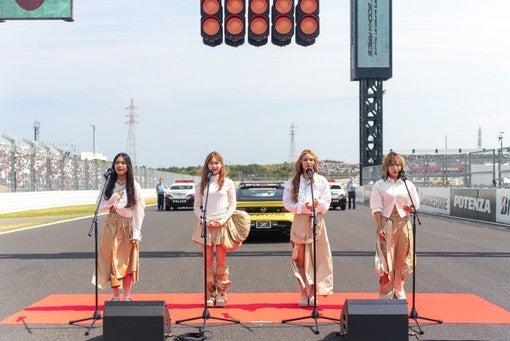
Engines sat silent along the main straight of Mie Prefecture's iconic Suzuka Circuit on August 23, 2026, moments before the green flag dropped for the 2026 AUTOBACS SUPER GT Round 5 Suzuka GT 300km Race. Stepping onto the tarmac before tens of thousands of motorsport fans, the rising four-member vocal group Be-ray delivered their first-ever national anthem performance, capturing national attention across sports and entertainment desks alike. As covered in the livedoor ニュース Report, the teenage ensemble, featuring 16-year-old Cocomi, 17-year-old Emi, and 15-year-old Michelle, anchored the pre-race grid ceremony with an acapella delivery that cut clean through the summer humidity.
The performance reflects a broader phenomenon gripping international sporting event ceremonies. From Japanese vocalists in America singing at Major League Baseball pre-game ceremonies to high-profile debuts at domestic endurance races, the standard for live ceremonial vocals has shifted toward raw technical precision. Cross-cultural sports anthems have become high-stakes showcases where emerging talent commands global broadcasts without backing tracks or pitch correction.
📌 Key Takeaways:
- The Grid Debut: Be-ray delivered their first official national anthem performance on August 23, 2026, opening Round 5 of the AUTOBACS SUPER GT series at Suzuka Circuit.
- Cross-Pacific Parallels: The performance mirrors the rising prominence of Japanese artists performing the US anthem across Major League Baseball and NBA arenas.
- High-Stakes Staging: Promoters increasingly favor young, disciplined vocal groups over pre-recorded tracks to anchor live athletic broadcasts and draw younger demographic brackets.
The High-Octane Grid Ceremony at Suzuka Circuit
The grid walk at an endurance race presents one of the most acoustically hostile environments in modern entertainment. Thirty-eight GT500 and GT300 machines line the pit straight while mechanics, telemetry engineers, and race officials scramble around burning rubber and hot carbon fiber. Ambient track temperatures often exceed 35 degrees Celsius (95 degrees Fahrenheit). Delivering a steady vocal performance under those conditions requires absolute diaphragm control.
Be-ray stepped directly into that pressure cooker. Rather than relying on playback, the quartet leaned into tightly arranged vocal harmonies. Group member Emi, 17, addressed the moment immediately following the ceremony: "Standing on this massive stage and being entrusted with the national anthem is an absolute honor." Her voice held firm during the final held cadence, resonating across Suzuka's grandstands before the safety cars initiated the formation lap. The reaction across Japanese social media channels was immediate, with fans praising the group's poise under intense broadcast scrutiny.
Vocal Execution on the Grandest Sports Platforms
Soloists and vocal groups face severe operational hurdles when performing at outdoor sporting venues. Sound travel across an open racing circuit or a 50,000-seat baseball stadium introduces a latency delay between 0.3 and 0.8 seconds through monitor wedges. A singer relying solely on stadium return will slip off tempo almost instantly.
The technical discipline shown by Be-ray at Suzuka matches the rigorous preparation seen among Dodger Stadium anthem singers during annual Japanese Heritage Night MLB fixtures. In both settings, the performer must internalize their pitch center and block out deafening stadium resonance. Whether tackling the sweeping octaves of *The Star-Spangled Banner* or the measured, microtonal inflections of *Kimigayo*, any slip in intonation is amplified instantly to millions of television viewers. Precision is not optional; it is the entire assignment.
Comparative Analysis: Japanese Vocalists on Premier Sporting Stages
Ceremonial anthem bookings have evolved into major cultural milestones for Japanese artists both at home and across the Pacific. The following table highlights prominent anthem appearances across top-tier Japanese and North American athletic organizations between 2024 and 2026.
| Event & Venue | Performer / Group | Anthem Selected | Ceremonial Setting |
|---|---|---|---|
| 2026 SUPER GT Round 5(Suzuka Circuit, Mie) | Be-ray (Cocomi, Emi, Michelle, et al.) | Kimigayo (Acapella Harmony) | Pre-race starting grid ceremony |
| 2025 MLB Heritage Night(Dodger Stadium, Los Angeles) | Guest Japanese Vocalist | The Star-Spangled Banner | Pre-game bilateral opening ceremony |
| 2024 NBA Global Showcase(Crypto.com Arena, Los Angeles) | Featured Japanese Pop Artist | The Star-Spangled Banner | Primetime tip-off presentation |
| 2024 MLB Regular Season(Wrigley Field, Chicago) | Visiting Classical Soloist | Bilingual Dual Anthem Rendition | Cross-pacific player spotlight game |

Bridging Cultures Through Sports Anthems
The cultural gravity of performing an anthem in a foreign market cannot be overstated. When Japanese artists take the field for an MLB opening ceremony national anthem, they step into a fiercely guarded American tradition. The American anthem Japanese singer reaction among local stadium crowds often hinges on how faithfully the performer navigates the treacherous range of *The Star-Spangled Banner*, which spans an octave and a fifth from B-flat below middle C to high F.
Singers who choose a straightforward, classical cadence invariably earn standing ovations. Audiences appreciate structural respect over excessive vocal ornamentation. Similarly, foreign observers visiting Japanese sporting institutions like the Suzuka 300km are consistently struck by the hushed reverence that descends on the circuit when the ceremonial performance begins. The ritual provides an emotional anchor before high-risk competition starts.
Cross-cultural sports anthems also serve practical diplomatic functions. During bilingual anthem renditions at international exhibitions, playing both pieces consecutively honors participating athletes and sets a tone of mutual respect. These ceremonies demonstrate that music can bridge geographic and institutional divides within competitive athletics.
Why Racing Promoters Bet on Emerging Vocal Ensembles
Historically, motorsport organizers leaned heavily on brass marching bands or seasoned opera vocalists to handle pre-race protocol. That formula has changed. The GT Association (GTA) and venue promoters recognize that the median age of motorsport television audiences requires intentional counter-programming.
Booking young, contemporary groups like Be-ray accomplishes several commercial goals at once:
1. Broadcast Diversification: A viral anthem clip reaches music enthusiast communities who would otherwise never tune into a 300-kilometer sports-car race.
2. Organic Engagement: Younger fans share clips across short-form video platforms, creating secondary impressions for title sponsors like AUTOBACS and participating manufacturers like Honda, Toyota, and Nissan.
3. Authentic Tension: Live vocal arrangements inject genuine human stakes into a pre-race program dominated by carbon fiber, horsepower, and telemetry screens.
Frequently Asked Questions (FAQ)
Q1: What made Be-ray's performance at the 2026 SUPER GT Round 5 unique?
A1: It marked the first official national anthem performance for the young quartet. Delivering an acapella harmony in front of tens of thousands on Suzuka Circuit's active starting grid placed them among the youngest acts ever to handle the ceremony at a major Japanese endurance championship.
Q2: Why are Japanese artists frequently invited to sing the US anthem at Major League Baseball games?
A2: With Japanese superstars commanding spotlight roles on MLB rosters, franchises regularly host Japanese Heritage Nights. Inviting respected Japanese vocalists to sing *The Star-Spangled Banner* or deliver bilingual anthem sets celebrates both the player base and international fan communities.
Q3: How do vocalists handle extreme stadium echo during live sports performances?
A3: Performers use customized in-ear monitors (IEMs) calibrated to seal out ambient venue noise. This allows them to hear only their direct pitch guide and rhythm reference, preventing the delayed stadium echo from pulling them off beat or out of tune.
The Evolution of Pre-Game Anthems in 2026 and Beyond
Anthem performances at world-class sporting fixtures have outgrown their status as ceremonial formalities. Today, they operate as cultural bridges connecting athletic heritage with contemporary music. Be-ray's composed performance on the tarmac at Suzuka proved that youth and technical discipline can command the most demanding sports environments.
Whether echoing across the asphalt at Mie Prefecture or soaring over the field at Dodger Stadium, national anthems remain the ultimate proving ground for live vocalists. The cross-pollination of talent between Japanese stages and American arenas shows no sign of slowing down. As sports properties look to expand their global footprints, the ceremonial vocal spotlight will only continue to burn brighter.