Surging Mosquito Complaints Spark Expert Warnings Across Outdoor Hotspots
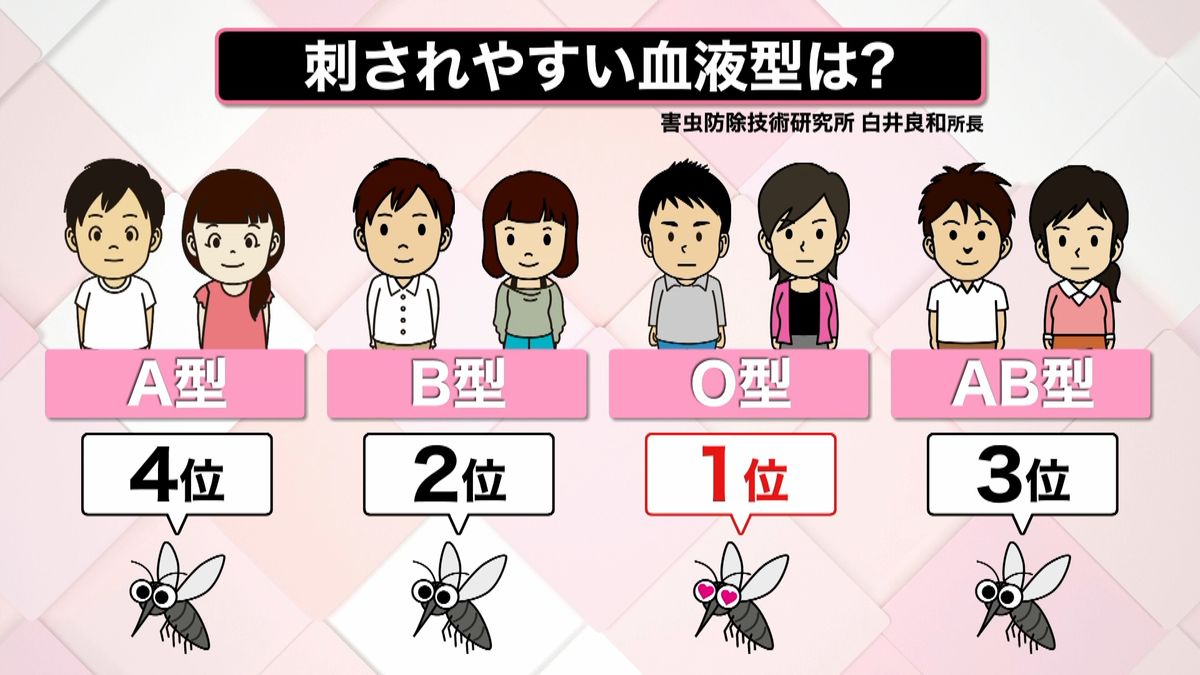
Late-summer outdoor gatherings across residential suburbs and riverfront campsites are facing an aggressive surge in mosquito activity, prompting entomologists and pest control manufacturers to clarify why certain people walk away covered in welts while others remain untouched. Persistent folklore holds that blood type dictates who gets bitten, a claim that resurfaces every August across social platforms as frustrated campers compare swollen ankles. As detailed in a recent MSN Report examining outdoor bite patterns, physiological and sensory triggers carry far more operational weight than ABO groupings when insects select their targets.
Urban pest monitoring agencies report that late-season temperatures extending past 30 degrees Celsius drive female mosquitoes into heightened feeding cycles before autumn breeding concludes. The public obsession with blood groups often obscures immediate physical vulnerabilities. Female mosquitoes do not carry portable hematology kits; they navigate by tracking volatile chemical plumes, thermal gradients, and spectral silhouettes across distances up to 50 meters.
📌 Key Takeaways:
- The Genetic Core: Lab studies link type O blood mosquito attraction to secretor status antigens on skin surfaces, but physiological cues override blood type in real-world environments.
- Primary Target Cues: Heavy carbon dioxide output, elevated lactic acid and sweat, and distinctive skin microbiota bacteria form the actual sensory beacon.
- Entry Risk: Field specialists warn that mosquitoes actively stalk people through home entryways, drafting on airflow behind clothing to penetrate indoor spaces.
The Enduring Obsession With Type O Blood and Secretor Status
The belief that mosquitoes prefer blood type O stems from landmark laboratory research conducted in Japan in the early 2000s, where Aedes albopictus landed on type O individuals at nearly double the rate of type A subjects. That finding captured popular imagination, mutating into an enduring belief that blood type alone seals a person's fate outdoors. The underlying biochemical nuance, however, involves secretor status antigens rather than blood cells coursing through veins.
Roughly 80% of humans are genetic secretors, meaning their body fluids, including perspiration and saliva, secrete water-soluble ABO blood group antigens. When a secretor has type O blood, their epidermis carries chemical signatures of the H antigen. Mosquitoes possess antennae equipped with specialized chemoreceptors that register these microscopic surface compounds upon landing. Non-secretors produce none of these surface markers, blunting any attraction linked to their genetic blood category.
Laboratory conditions rarely mirror reality. In a controlled test cage, a mosquito forced to choose between resting forearms will land on surfaces presenting familiar saccharide structures. In an open backyard, blood group chemistry operates as a short-range, landing-phase signal. Long before an insect comes close enough to detect surface antigens, distant plumes of respiratory exhaust and vapor trails dictate the flight path.
The Multi-Layered Sensory Radar of Female Mosquitoes
Female mosquito feeding behavior requires protein to develop viable eggs, driving the insects to hunt with a multi-sensory tracking sequence. The pursuit begins with carbon dioxide output. Mosquito maxillary palps detect tiny fluctuations in ambient carbon dioxide from 10 to 50 meters away. Vigorous physical exercise, larger body mass, and elevated metabolic rates expand this respiratory exhaust plume, transforming active individuals into primary regional beacons.
As the insect closes the distance to within 10 meters, thermal and optical sensors take command. Body temperature heat signatures and dark clothing contrast guide visual orientation. Mosquitoes lack sharp visual acuity, relying instead on high-contrast edges against daylight or ambient backgrounds. Black, navy, and deep charcoal fabrics absorb solar radiation and outline sharp silhouettes, drawing incoming insects far more aggressively than muted khakis, beige, or pale greens.
Within a two-meter perimeter, chemical plumes from the skin dominate the vector. Lactic acid and sweat combine with carboxylic acids produced by skin microbiota bacteria. Every human hosts a distinct bacterial colony across the dermis, primarily Staphylococcus and Corynebacterium species. Individuals harboring high bacterial diversity attract fewer bites than those whose skin microbiome is dominated by specific volatile-producing strains. This microbial cocktail, rather than blood type, explains why two people sitting on the same bench experience wildly divergent bite counts.
Evaluating Attractant Signals: Lab Findings vs. Outdoor Impact
| Attractant Factor | Effective Sensory Range | Primary Mechanism | Operational Bite Risk |
|---|---|---|---|
| Carbon Dioxide (CO₂) | 10, 50 meters | Maxillary palp detection of exhaled breath plumes | Extremely High (initial long-range tracking) |
| Visual Contrast & Color | 5, 15 meters | Spectral silhouettes created by dark fabrics | High (mid-range navigation) |
| Skin Microbiota & Sweat | 1, 3 meters | Lactic acid, ammonia, and isovaleric acid emissions | Very High (close-range target selection) |
| Body Temperature / Heat | Under 1 meter | Infrared detection of exposed vascular zones | Moderate to High (landing confirmation) |
| Type O Secretor Antigens | Contact / Sub-centimeter | Chemoreceptor touch detection on bare epidermis | Low to Moderate (secondary contact cue) |

The Chemistry of Feet and Evening Alcohol Spikes
One of the most potent close-range attractants centers on the lower body. Entomological field trials consistently reveal that mosquitoes target ankles and bare feet at disproportionate rates. Foot odor acts as a powerful mosquito lure due to isovaleric acid, a pungent by-product of Brevibacterium linens breaking down dead skin cells and sweat. Because this compound mirrors the chemical volatiles produced by certain ripening cheeses, mosquitoes naturally track the dense, heavy vapor that hovers near ground level.
Alcohol consumption bite risk represents another verified physiological accelerant. Drinking a single 350 ml can of beer produces an immediate spike in bite frequency. Ethanol metabolization stimulates peripheral vasodilation, elevating skin temperature by fractions of a degree while speeding up breathing rates. This metabolic shift increases perspiration rate and volatile release. Intoxicated subjects exhale more carbon dioxide and radiate more surface warmth, triggering multiple detection pathways simultaneously.
Washing feet with soap and wiping down ankles with alcohol-based sanitizers before outdoor evening events dramatically cuts bite rates. Field trials show that reducing localized bacterial volatiles on the lower extremities neutralizes the low-altitude scent plume, redirecting seeking insects away from vulnerable lower limbs.
How Stalking Mosquitoes Infiltrate Modern Homes
Insect care developers at Japan's Earth Corporation have issued fresh technical alerts detailing the mechanics of indoor entry. Most homeowners assume mosquitoes drift through open windows or torn window screens. Pest technicians note that mosquitoes operate via an active "tailing" behavior, trailing human hosts directly to entryways and exploiting the low-pressure slipstream created when a front door opens.
Outdoor species like Culex pipiens pallens and Aedes albopictus rest on vertical surfaces around exterior entryways, including shaded porch walls, external delivery boxes, and coat fabric, waiting for host proximity. When a person reaches for the door handle, resting insects lift off, align with the moving thermal silhouette, and slip past the threshold within seconds. Once inside, indoor climate control shields them from dehydration, extending adult survival for weeks behind curtains, under desks, and inside laundry hampers.
Pest specialists recommend pausing before entering living quarters. Brushing down clothing, checking the backs of shoulders, and misting doorways with residual repellent sprays disrupts this vector. Eliminating small saucers of standing water under indoor house plants eliminates potential indoor nursery sites for females seeking oviposition sites.
Shielding Against Swarms: Proven Formulations vs. Backyard Lore
The marketplace remains flooded with urban legend mosquito myths, ranging from citronella wristbands to ultrasonic smartphone apps. Peer-reviewed entomology panels consistently dismiss ultrasonic sound emitters as completely ineffective; mosquitoes do not navigate or select hosts using acoustic frequencies. Genuine defense requires registered active ingredients that physically jam olfactory receptors.
Topical mosquito repellent products featuring DEET and Picaridin remain the gold standards across international health agencies. DEET at 20% to 30% concentrations provides between 6 and 8 hours of robust protection by blinding the insect's antennae receptors to lactic acid and carbon dioxide plumes. Picaridin at 20% delivers matching efficacy without the greasy skin feel or plastic-damaging properties characteristic of high-concentration DEET formulations.
For those seeking plant-based alternatives, Oil of Lemon Eucalyptus (OLE), containing synthesized p-menthane-3,8-diol (PMD), offers roughly 4 to 6 hours of verified repellency, matching lower-dose chemical counterparts. Raw essential oils, such as homemade lavender or clove extracts, evaporate within 20 to 30 minutes, leaving users exposed during prolonged evening outings.
Frequently Asked Questions (FAQ)
Q1: Does having type O blood automatically make me the primary mosquito target in a group?
A1: No. While type O individuals who secrete blood antigens onto their skin exhibit slightly higher landing rates in sterile lab cages, real-world mosquito host selection is driven primarily by carbon dioxide output, skin bacteria, elevated body heat, and dark clothing.
Q2: Why do mosquito bites suddenly surge during late August and September?
A2: Mosquitoes experience peak breeding urgency as late-summer temperatures stay above 25, 30°C. Female mosquitoes ramp up aggressive feeding behaviors to secure essential proteins before colder weather sets in, while outdoor human activity remains high.
Q3: Which clothing choices provide the best passive defense against mosquito bites?
A3: Loose-fitting, tightly woven fabrics in light colors such as white, khaki, yellow, or beige offer the highest defense. Tight leggings allow proboscises to penetrate straight to the skin, while dark navy and black garments create distinct optical silhouettes that mosquitoes track visually.
Targeted Bite Prevention Tactics for Late-Season Exposure
Fixating on unchangeable traits like ABO blood groups leads many outdoor enthusiasts to overlook practical, actionable risk factors. You cannot alter your blood type or secretor status, but you can control your visual silhouette, lower-body bacterial emissions, and entry habits. Approaching bite prevention as a multi-step routine neutralizes seasonal swarms far more effectively than fatalistic genetics debates.
Before heading to shaded parks or evening barbecues, swap black athletic wear for light-colored, loose-weave cotton or treated synthetic fabrics. Wash feet thoroughly to clear out isovaleric acid accumulations, apply verified 20% Picaridin or DEET formulations to exposed skin, and take three seconds to brush down clothing before stepping across the home threshold. Strategic prevention strips the insect of its sensory advantages, keeping late-season outings bite-free regardless of the blood running through your veins.