The Complete Guide to 'Working Hard' Illustrations: Free Resources, Messages, and Mindsets

Search volumes for visual representations of effort, known across East Asian digital communities as 頑張っているイラスト (ganbatte iru illustrations), have evolved from depictions of aggressive overtime into gentle, vulnerable portraits of quiet perseverance. Across corporate Slack channels, remote dashboards, and student study feeds, aggressive productivity imagery has met sharp backlash. As detailed in a recent マイナビニュース Report, workers increasingly struggle with the sensation that no matter how much effort they pour in, the finish line remains invisible, triggering deep emotional exhaustion when daily tasks blur together without tangible milestones. The visual culture reflecting this shift has fundamentally transformed: users no longer seek glossy vectors of fists pumping in the air, but comforting artwork showing real human friction.
📌 Quick Summary:
- The Aesthetic Shift: Visual culture has moved away from aggressive "grindset" imagery toward comforting, imperfect depictions of people doing their best under strain.
- Underlying Drivers: Chronic misalignment between visible output and genuine psychological recovery has led teams to reject performative hustle cues.
- Actionable Utility: Curated libraries of royalty-free encouragement drawings and mental health prompts now focus on emotional validation rather than continuous optimization.
The Shift from Performative Hustle to Empathetic Visuals
For years, corporate visual assets relied on the polished office desk hustle vector: sharp lines, dynamic coffee cups, and workers typing feverishly under crisp fluorescent gradients. That aesthetic mirrored late-stage hustle culture, prioritizing the projection of speed over genuine well-being. Today, digital artists are producing work centered on emotional decompression. These pieces emphasize soft pastels, drooping shoulders, messy desks, and quiet companionships.
This transition reflects changing psychological attitudes toward effort itself. Mind trainer Yoshiko Tanaka, CEO of Colette, noted in an analysis for MSN Japan that individuals often erode their own self-esteem by fixating on perceived inadequacy despite working relentlessly. When corporate design systems amplify unrealistic productivity standards, they reinforce that self-doubt. The emergence of effort clipart and motivational character art that depicts individuals sighing, taking breathers, or nursing warm tea provides visual permission to slow down. It validates the invisible, unglamorous friction of just getting through the day.
Finding and Curating Comforting Visuals for Burnout Prevention
Finding free visual assets that hit the right emotional note requires looking beyond standard commercial stock libraries. Traditional platforms often feature either hyper-manic success or clinical depression, missing the nuanced middle ground where most people spend their weeks. Authentic working hard illustrations show characters persevering with realistic, gentle vulnerability.
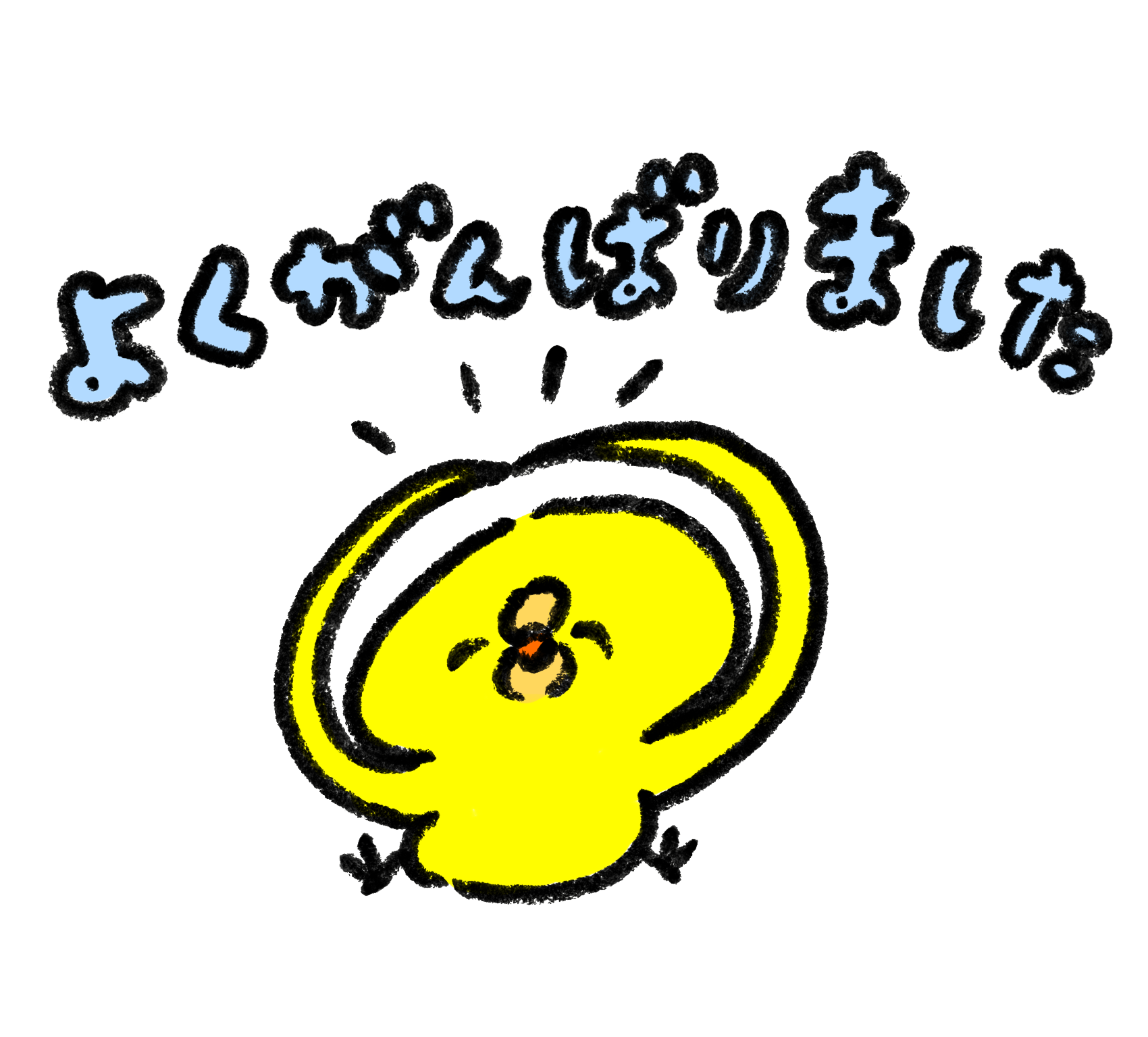
Specialized repositories like Irasutoya, Loose Drawing, and Shigureni Bento provide distinctive, low-ego visuals that capture daily micro-struggles with quiet charm. A sketch of an employee dozing against an office chair or an animal mascot wrapping itself in a blanket conveys solidarity without corporate jargon. When deploying these assets in internal team newsletters, asynchronous chat channels, or personal journals, tone matters enormously. Pairing a blunt deadline reminder with a hyper-caffeinated cartoon adds anxiety; pairing it with a hand-drawn overcoming failure drawing signals that the team respects human capacity.
How Workplace Dynamics Break When Effort Replaces Real Direction
The search for comforting artwork often points to deeper dysfunction in organizational operations. A workplace where everyone needs visual comfort is often one where systemic communication has broken down. As workplace analysts reported for Yahoo! News Japan, organizations frequently fall into a trap where entire teams burn out despite flawless attendance, endless meetings, and late nights, simply because their labor is unmoored from realistic strategic direction.
Toyo Keizai highlighted a related structural pathology: "impression management," where employees intentionally work longer hours to appear dedicated rather than to solve specific problems. When effort turns into theater, burnout rises rapidly. Meanwhile, Oricon News profiled how certain high performers maintain steady outputs with calm demeanor precisely because they decouple self-worth from visible suffering. The following breakdown maps how visual markers of effort reflect underlying cultural health across team environments:
| Visual Archetype | Dominant Emotional Cue | Workplace Cultural Risk |
|---|---|---|
| The 24/7 Neon Hustle Vector | Performative urgency, sleeplessness, caffeine glorification | Incentivizes theatrical presenteeism and rapid staff turnover |
| The Clinical Defeat Symbol | Total isolation, dark heavy shadows, head in hands | Pathologizes systemic workplace issues into individual flaws |
| The Gentle Effort Character | Quiet determination, messy desks, small intentional pauses | Maintains low operational friction while supporting recovery |
| The Lo-Fi Study Aesthetic | Rhythmic concentration, rainy windows, warm ambient light | Normalizes sustainable pacing over erratic creative sprints |
Designing Visual Prompts for Emotional Recovery and Imposter Syndrome
Creators building their own assets can turn to targeted mental health illustration prompts to bypass generic, clinical clichés. Traditional prompts asking for "hardworking employee" invariably generate stiff corporate figures staring at charts. Capturing the authentic feeling of perseverance graphic design requires prompting for physical, sensory detail: the weight of a heavy notebook, soft natural light cutting across an untidy desk, or steam drifting from an unfinished mug of tea.
Art exploring imposter syndrome works best when it visualizes scale and emotional pressure rather than abstract darkness. Illustrating a small, quiet figure working thoughtfully under a giant, shifting shadow captures internal uncertainty without making the scene bleak. The goal of these visuals is solidarity. When someone wrestling with self-doubt sees their private exhaustion reflected in an artwork's warm lines, the shame around struggling evaporates.
Deploying Visual Encouragement to Support Struggling Teammates
Visual assets should never substitute for structural support, but using them thoughtfully within digital communication builds safety. When a colleague misses a target or handles an unexpected crisis, sending an illustration of two figures sitting silently together carries more weight than empty corporate cheerleading. It acknowledges effort without demanding an immediate return to cheerfulness.
Managers should audit the visual cues in their standard decks, onboarding kits, and operational updates. Replacing aggressive productivity icons with royalty-free encouragement illustrations helps strip away toxic urgency. Visual metaphors showing trees surviving seasonal storms, hands carefully patching torn paper, or runners pausing to tie their shoes keep the human element front and center. These cues subtly remind everyone that real output is cyclical, and periods of rest are essential to the work itself.
Frequently Asked Questions (FAQ)
Q1: Where can I source authentic, non-corporate illustrations of people trying hard?
Platforms like Irasutoya, Undraw, Loose Drawing, and independent portfolios on Pixiv or Behance offer diverse, human-centered assets. Look for illustrators who focus on domestic slice-of-life scenes or minimalist line drawings rather than generic marketing graphics.
Q2: How can teams avoid toxic positivity when sharing motivational artwork?
Match the visual's emotional tone to the situation. Avoid imagery that demands immediate smiles or presents working through physical exhaustion as heroic. Choose art that validates fatigue, highlights quiet pauses, and honors the effort already given.
Q3: What makes a visual metaphor for burnout effective rather than demoralizing?
Effective burnout visual metaphors avoid showing individuals as completely broken. They focus instead on temporary states, a battery gently recharging, a plant resting under autumn mulch, or a desk left undisturbed for the evening. These cues affirm that capacity fluctuates and that recovery is part of life.
Rethinking Daily Effort in Modern Workspaces
The enduring popularity of gentle effort imagery signals an important shift in how digital workers measure self-worth. Labor cannot remain an unbroken sprint toward elusive milestones, nor can constant motion compensate for unclear collective purpose. Choosing artwork that honors patience over performative hustle gives teams permission to breathe. By swapping out harsh corporate graphics for visuals rooted in care, empathy, and emotional truth, communities build spaces where effort is valued for its humanity, not just its output.