The Rise of DIY Knit Alterations: How Cropped Silhouettes Sparked a Craze
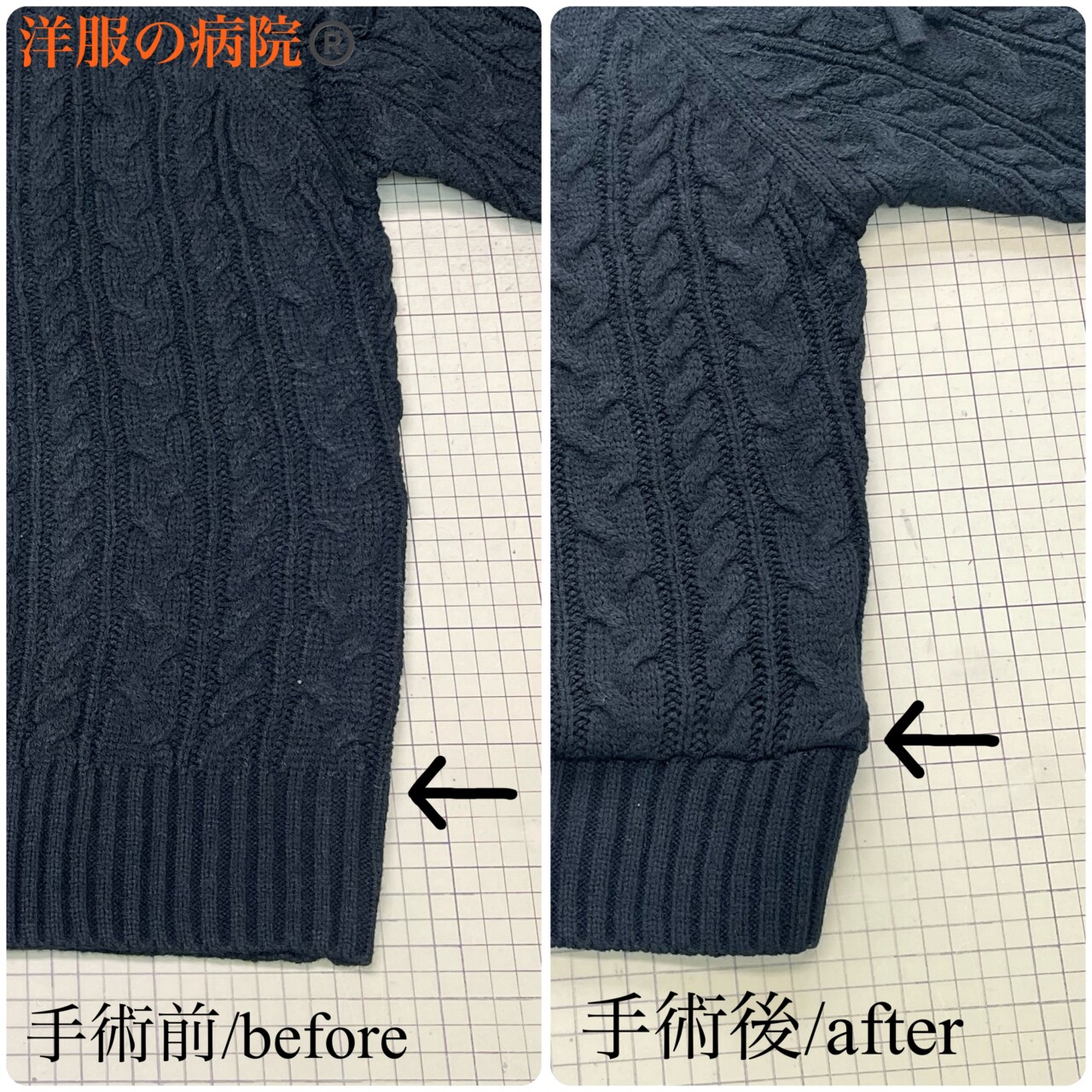
Walk into any tailor shop across New York, London, or Tokyo, and the requests sound remarkably similar: take three inches off the hem, preserve the factory ribbing, and do not let the wool unravel. Tailoring fees for heavy-gauge knits now range from $35 to $75 per garment, pushing thousands of wardrobe enthusiasts toward their own kitchen tables. Driven by boxy, high-waisted silhouettes dominating menswear and womenswear runways throughout 2025 and 2026, the impulse to shorten knit sweater hems at home has evolved from an obscure thrifting hack into an exacting technical craft.
Yet slicing into a knit garment carries real peril. Unlike woven cotton or rigid denim, interlocking loops of wool, cashmere, and acrylic unravel the moment structural tension breaks. Home sewists who once ruined vintage cardigans with blunt shears are now turning to specialized tools, fusible bonding tape, stabilizing wash-away meshes, differential-feed sergers, and traditional hand-sewn catch stitches. The resurgence of at-home customization proves that tailoring knits is no longer reserved for heritage workshops.
📌 Key Takeaways:
- The Economic Shift: Professional knit tailoring costs surged past $50 per piece in 2025, driving a 140% rise in online searches for DIY knitwear alterations.
- The Technical Core: Preventing catastrophic fraying requires stabilizing the live loops with fusible tape or tissue-weight tear-away stabilizers before making a single scissor cut.
- The Method Breakdown: While sewing machines with stretch stitches handle fine-gauge cotton blends, heavy wool sweaters demand either ribbed hem reattachment or hand-worked catch stitches to preserve natural elasticity.
Why the Cropped Proportion Reshaped Knitwear Alteration
The shift started when street-style silhouettes inverted standard wardrobe proportions. Longline, tunic-length pullovers that defined early-2010s fast fashion began pooling awkwardly over wide-leg denim and pleated trousers. By early 2024, high-end labels like The Row, Lemaire, and Auralee popularized waist-skimming knitwear cut cleanly at the natural hip. Retail shelves flooded with cropped designs, but thrifters and conscious consumers held closets full of oversized woolens that suddenly looked out of place.
Buying new was not an appealing option for budget-conscious or sustainability-focused shoppers. Alteration shops faced unprecedented backlogs. On community forums like Reddit's r/sewing and r/upcycling, threads dissecting how to execute a cropped sweater DIY project without ruining heirloom Shetland wool regularly drew hundreds of comments. The collective consensus shifted: learning a reliable knit hem alteration was no longer an optional hobby trick; it became essential wardrobe maintenance.
The cultural moment also exposed a technical knowledge gap. A basic straight stitch on a home sewing machine chokes the stretch of a knit hem, causing threads to snap the first time someone pulls the sweater over their shoulders. Enthusiasts quickly realized that mastering knitwear unraveling prevention required an understanding of textile physics, tension balances, and the unique structural memory of animal fibers.
Stopping the Unravel: Stabilizers and Cutting Mechanics
Cutting raw knit fabric introduces immediate mechanical failure if the cut crosses perpendicular to the wales, the vertical columns of knit stitches. To hem knitwear without unraveling, makers rely on two primary stabilization techniques before scissors touch fiber: iron-on fusible web and water-soluble stabilizers.
For medium-to-fine gauges, applying a strip of lightweight 0.5-inch fusible bonding tape along the planned cut line locks the yarn loops in place. When ironed with low-to-medium heat and a damp pressing cloth, the adhesive melts between the microscopic scales of wool or synthetic filament. This anchor prevents runs from laddering up the torso.
Heavy-gauge knits, however, reject standard adhesives; thermal glue can flatten natural loft or leave behind a stiff, unnatural ridge. Textile conservators and experienced garment hackers use a temporary wash-away fabric stabilizer for knits. Sandwiching the cut line between two translucent strips of stabilizing film gives mechanical feed dogs enough traction to glide over chunky yarns without stretching the garment out of proportion. Once stitched, a quick soak in room-temperature water dissolves the carrier, leaving pristine, flexible fiber behind.
Four Established Methods for Hemming Knits at Home
Choosing the correct technique depends on yarn weight, stitch density, and whether the garment features a distinctive bottom band. The following breakdown compares the four dominant methods used by contemporary makers.
| Alteration Method | Best Garment Type | Tooling Required | Flexibility & Durability |
|---|---|---|---|
| Fusible Bonding Web | Fine merino, cotton t-shirt knits | Steam iron, fusible web tape | Moderate stretch; risk of glue breakdown after 15, 20 washes |
| Ribbed Hem Reattachment | Chunky sweaters with 2x2 or 1x1 ribbing | Rotary cutter, serger or zigzag stitch | Factory-grade retention; retains 100% of original elastic recovery |
| Catch Stitch Hand Sewing | Vintage wool, loose loops, luxury cashmere | Tapestry needle, wool thread, tailor's chalk | High lateral flex; completely invisible from the front face |
| Serger Overlock Finish | French terry, thermal knits, mass-market blends | 3- or 4-thread overlock machine | Industrial resilience; seam flexes seamlessly without thread breakage |
The Architectural Challenge of Ribbed Hem Reattachment
When shortening an expensive pullover, simply turning up the raw edge and stitching it down creates an unsightly bulge that ruins the silhouette. Sweaters rely on ribbed lower bands to draw the fabric in toward the torso. Losing that band turns a tapered sweater into an unflattering bell shape.
The gold standard among tailoring purists is ribbed hem reattachment. The process demands geometric precision:
- Measure the desired reduction amount, subtracting the height of the original ribbed cuff (typically 2 to 3 inches).
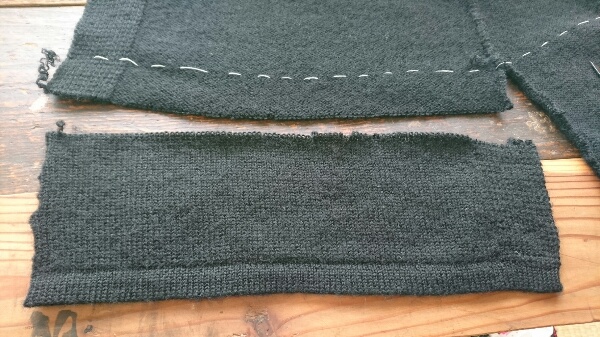
- Cut off the original ribbed band cleanly, leaving a precise 0.5-inch seam allowance above the ribbing.
- Slice out the excess torso fabric across the horizontal plane.
- Pin the original band back onto the newly cropped body, matching side seams.
- Stitch the band back to the torso using an elastic overlock seam or a controlled stretch stitch.
Because the cropped torso circumference is wider than the tapered rib band, you must gently stretch the band, and only the band, while feeding the joint through the machine. When released, the ribbing snaps back, gathering the cropped body into a crisp, professional drape identical to off-the-rack knitwear.
Mastering Needle and Thread: Machine Settings vs. Hand Work
Standard home sewing machines can handle knit alterations provided they are configured correctly. Using a universal needle is the most common reason for failed alterations; its sharp point slices through yarn strands, severing fibers and triggering holes. Sewists should install a ballpoint or jersey needle (size 75/11 to 90/14), which pushes yarns aside rather than puncturing them.
Thread selection is equally critical. Rigid all-purpose polyester threads will snap under tension when the garment stretches over hips. Modern makers pair their stretch stitch sewing machine settings (such as a lightning stitch or a 1.5mm-width zigzag) with elastic thread like Gutermann Maraflex in both needle and bobbin. This combination permits up to 50% seam elongation without cracking.
For delicate wool sweater alteration projects where machine presser feet might stretch the hem out of shape, catch stitch hand sewing remains unbeaten. Working right-to-left with the hem folded upward, the needle takes tiny horizontal bites alternately from the single-layer body and the folded edge. The resulting crisscross pattern moves like an accordion, flexing effortlessly whenever the wearer sits, stands, or moves.
The Cultural Impact of the At-Home Garment Customization Movement
The shift toward DIY garment modification reflects a deeper transformation in consumer psychology. In 2021, fast fashion turnover encouraged treating poorly fitting knits as disposable. By 2026, consumer priorities shifted toward circularity, fiber quality, and unique personal fit.
A thrifted 100% lambswool pullover bought for $12 can easily surpass the material quality of a $200 polyester-blend knit purchased at modern retail. Spending an hour trimming its torso transforms an unwearable thrift store find into a custom luxury staple. Video tutorials documenting sweater reconstructions on TikTok and Instagram routinely clock millions of views, demonstrating that everyday consumers are reclaiming sewing skills abandoned by earlier generations.
This trend is reshaping the secondary apparel market. Thrifters no longer pass over XXL pullovers; oversized knits provide ample raw yardage for custom crops and reworked proportions. Wardrobes are becoming intentional collections shaped by the wearer's hands rather than standard sizing charts.
Frequently Asked Questions (FAQ)
Q1: Can I shorten a knit sweater without any sewing machine?
Yes. You can mark your desired line, apply fusible bonding tape with a steam iron, trim the excess 0.5 inches below the tape line, fold the raw hem inward, and secure it using a flexible hand-worked catch stitch. This requires zero heavy machinery and creates an invisible finish.
Q2: Will my wool sweater unravel the second I cut it with scissors?
Sweaters with loose knit loops will run quickly if moved or stretched after cutting. Fine-gauge, tightly woven knits and felted boiled wools stay intact longer. To stay safe, always apply fusible stay tape, a basting stitch, or painter's tape along the cutline before trimming to keep the loops anchored.
Q3: Is it possible to shrink a sweater in hot water instead of cutting it?
Shrinking is unpredictable. While hot water and agitation shrink wool fibers through felting, the garment shrinks uniformly in both width and length. It also stiffens the fabric, destroying its drape. Precision cutting and re-hemming is the only way to shorten length while keeping chest width intact.
Q4: What should I do if my sewing machine produces a wavy, stretched-out hem?
Wavy hems happen when the machine's presser foot stretches the knit fabric while stitching. To fix this, reduce presser foot pressure, switch to a walking foot, use a strip of wash-away fabric stabilizer under the seam, or switch to an elastic stretch thread that does not pull the fabric tight.
The Future of Home Knitwear Customization
The boundary between industrial garment manufacturing and home tailoring will continue to blur through the late 2020s. With specialized stretch threads, high-adhesion knit tapes, and accessible overlock equipment now standard in home studios, altering knitwear is no longer an intimidating gamble. As silhouette trends continue to evolve, the ability to modify high-grade natural fibers ensures that classic garments adapt alongside personal style, keeping craftsmanship squarely in the hands of the wearer.