The Ultimate Tokyo Tart Guide: Top Specialty Shops, Must-Order Menus, and Tips
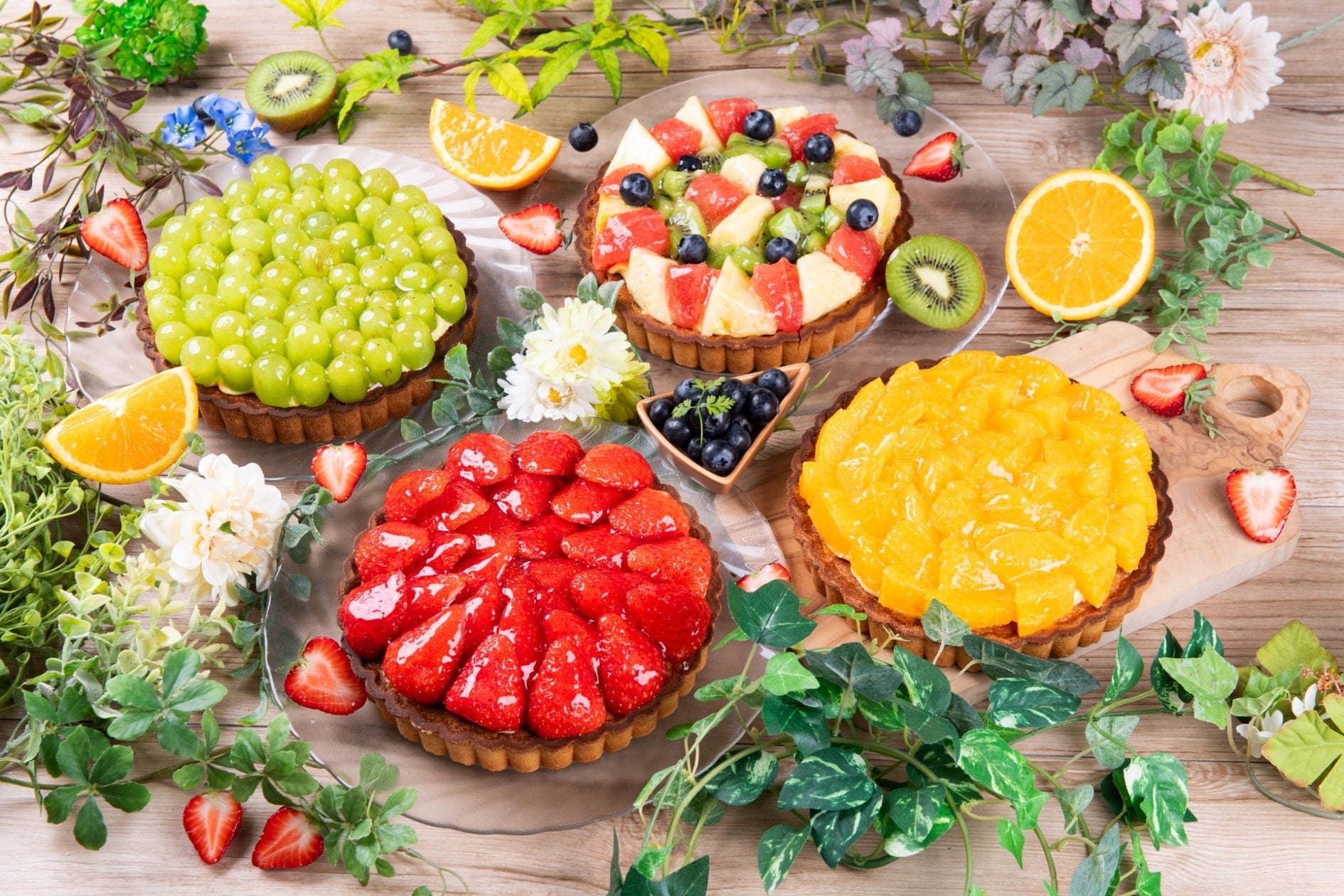
Tokyo's patisserie culture is undergoing an architectural evolution centered on butter-rich crusts, artisanal pastry creams, and precision-sliced regional produce. Nowhere is this culinary shift clearer than in the high-stakes retail expansions reshaping the capital's central transit hubs. As confirmed by a CNET Japan Report outlining major 2026 commercial rollouts, premier operator Qu'il Fait Bon, led by CEO Tomoya Ishikawa, is opening a massive flagship inside the newly completed Meiji Yasuda Shinjuku Building on November 28, 2026. This West Shinjuku site marks the brand's fifth outpost in Tokyo and thirteenth nationwide, matching the sheer square footage of its legendary Grand Maison Ginza venue.
From regional Kansai sensations expanding eastward to underground department store food halls bustling with commuters, Tokyo's specialty bakeries treat tarts not as ordinary pastries, but as calculated showcases of agricultural craft. Navigating this landscape requires understanding production schedules, seasonal fruit harvests, and line dynamics.
📌 Key Takeaways:
- Retail Expansions: Qu'il Fait Bon opens its expansive cafe inside the Meiji Yasuda Shinjuku Building on November 28, 2026, offering seated dining that rivals Grand Maison Ginza.
- Crust Engineering: Tokyo dessert cafes differentiate themselves through structural crust variations, balancing crisp pâte sablée against velvety Japanese custard cream.
- Logistics Strategy: Regional imports like Torutaishio and Hachi Cafe dominate depachika takeaway sweets, where timing morning lines prevents sellout disappointment.
Qu'il Fait Bon Shinjuku and the Western Terminal Push
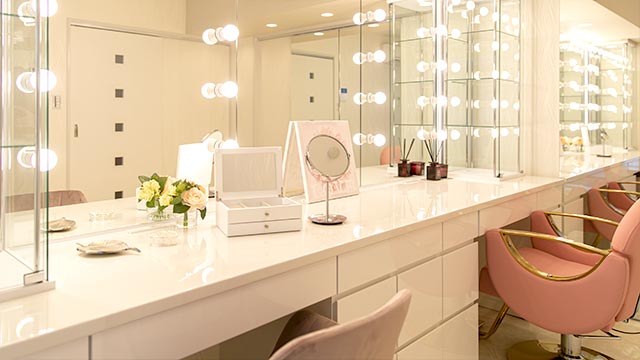
For decades, getting a table at Qu'il Fait Bon required navigating the narrow alleys of Ginza or queuing across the courtyard at Tokyo Dome City pastry shops. The announcement of the West Shinjuku location changes downtown access entirely. Situated right against Shinjuku Station's western transit arteries, the cafe occupies a major footprint in the Meiji Yasuda Shinjuku Building, offering both an expansive sit-down cafe and an isolated takeout concourse.
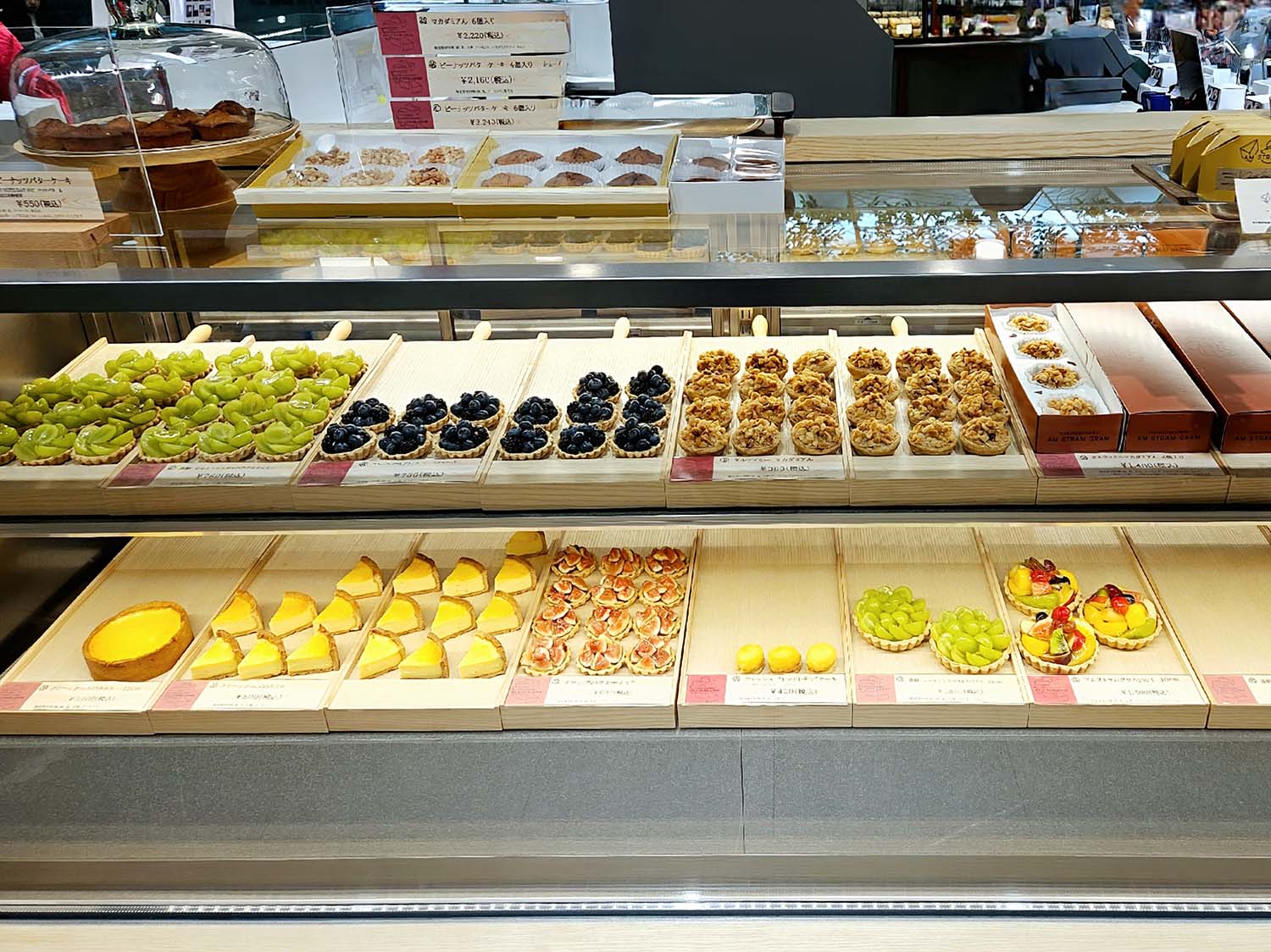
The design philosophy mirrors the scale of Grand Maison Ginza, which has long drawn two-hour weekend queues for its seasonal fruit tarts. By establishing equivalent seating capacity in Nishi-Shinjuku, the company addresses persistent crowd bottlenecks. Diners at Shinjuku can expect the signature tiered display cases lined with dozens of single-origin berry, fig, and citrus varieties flown in directly from contract farms across Shizuoka, Yamanashi, and Nagano.
Queue management here borrows lessons from the brand's Tokyo Dome City operation. A digital numbered ticketing system (seiriken) operates during high-traffic afternoon intervals between 1:00 PM and 4:30 PM. Grabbing a morning ticket allows visitors to browse nearby department stores rather than standing on concrete concourses, turning what was once an exhausting wait into an organized retail excursion.
The Architecture of Pâte Sablée and Japanese Custard Cream
The hallmark of Tokyo's tart boom is an obsession with crust stability. Pastry chefs across Tokyo dessert cafes generally split their base engineering into two categories: pâte brisée (a flakier, savory-leaning crust) and pâte sablée (a dense, sweet shortcrust with a distinct sand-like snap). Pâte sablée dominates the city's showcase fruit tarts because its tight crumb resists moisture migration from juicy stone fruits and melon slices.
Underneath the fruit lies Japanese custard cream, which differs markedly from Western pastry cream. It relies on richer egg yolks from breeds like Nagoya Cochin or Iwate red hens, paired with Hokkaido dairy that carries a fat content typically between 3.8% and 4.2%. The cream is whisked to a glossy, elastic consistency that holds structural rigidity when cut into narrow, elegant wedges.
Chefs apply an ultra-thin barrier layer of neutral glaze or melted white cocoa butter directly onto the baked crust before piping the cream. This step preserves the audible crunch of the base for up to eight hours post-assembly, a crucial technical detail for customers traveling home with delicate takeout boxes.
Comparing Tokyo’s Premier Tart Specialists
Navigating Tokyo's specialized pastry scene means weighing dining formats, wait times, and menu specialties across different metropolitan districts.
| Specialty Bakery | Key District | Signature Highlight | Typical Wait / Format |
|---|---|---|---|
| Qu'il Fait Bon Shinjuku | West Shinjuku | Seasonal fruit tarts & Shizuoka crown melon | 45, 90 min (Dine-in) / Fast-track takeaway |
| Grand Maison Ginza | Ginza 2-chome | Limited regional single-estate berry selections | 60, 120 min / Basement seating & takeout |
| Torutaishio | Rotating Kanto Pop-ups | Torutaishio melon tart & white grape wedges | 15, 30 min / Pure takeaway counter |
| Hachi Cafe | Daimaru Tokyo / Asagaya | Hachi Cafe baked tarts (yaki-komi crusts) | 20, 40 min / Depachika kiosk & cafe |
Torutaishio and the Rise of Fresh Melon Tarts
While traditional Tokyo institutions lean into French presentation, regional disruptor Torutaishio introduced an entirely different aesthetic centered on high-volume fruit density. Originally building deep fan loyalty through pop-ups in Kansai and Chugoku, the brand expanded directly into Kanto with its headlining green melon creation.
The Torutaishio melon tart stands out for its structural audacity. Instead of paper-thin melon slices layered in concentric rosettes, the kitchen mounds massive, ripe melon cubes across a firm pastry shell. This design preserves the juicy burst of the fruit, balanced by an understated whipped filling that avoids overpowering natural sweetness.
Demand at their Tokyo events reflects a broader shift: shoppers increasingly seek visually striking fruit towers over traditional glazed surfaces. Torutaishio's white grape and strawberry offerings follow the same formula, emphasizing fresh fruit volume that feels generous and immediately accessible compared to austere high-end boutiques.
Depachika Takeaway Tactics and Hachi Cafe’s Baked Tart Phenomenon
Not all tart journeys require long waits in tea salons. The basement floor of major train terminals, the depachika, serves as the primary distribution ground for commuters seeking depachika takeaway sweets. A prime example occurred at Daimaru Tokyo Hoppe Town, where Nagoya-born concept Hachi Cafe staged its Tokyo showcase on the first floor and basement concourse.
Hachi Cafe specializes in yaki-komi tarts, where the fruit is baked directly into almond cream (frangipane) inside the shell rather than arranged fresh on cold custard. This baking technique produces deep caramelization, drawing out concentrated flavors from apples, figs, and berries. Baked tarts also travel exceptionally well. They withstand transit without sliding, tipping, or leaking juice onto the paper board, making them ideal gifts for passengers catching the Shinkansen out of Tokyo Station.
To secure these limited bakes at Daimaru Tokyo Hoppe Town or during seasonal promotions, arrive right at store opening, typically 10:00 AM. Kiosks often sell through their daily batch of signature baked crusts by 2:30 PM, leaving late-afternoon commuters with secondary selections.
Queue Management and Takeout Logistics
Long queues can derail even the best culinary itinerary. Mitigating wait times requires matching your destination with the right buying strategy:
- Split Your Party for Qu'il Fait Bon: If visiting Qu'il Fait Bon Shinjuku or Grand Maison Ginza, separate the dine-in experience from your takeout needs. Takeout counters operate through an independent queue that moves roughly four times faster than the cafe seating line.
- Leverage Weekday Morning Windows: The optimal window across all central locations is Tuesday through Thursday between 11:00 AM and 12:15 PM. The post-lunch surge hits promptly at 1:30 PM and remains unbroken until evening.
- Ice Packs and Transit Limits: Japanese bakeries take packaging integrity seriously. Staff will ask your travel duration (mochikaeri jikan) to the exact minute. They provide dry ice packs rated for up to two hours free of charge. If traveling further, request insulated foil thermal pouches (ho-on bag) for a nominal fee of ¥200 to ¥400 to prevent custard softening.
Frequently Asked Questions (FAQ)
Q1: Can I make reservations for seating at Qu'il Fait Bon Shinjuku or Ginza?
A1: Qu'il Fait Bon does not accept advance table reservations for regular cafe dining. Seating runs strictly on a first-come, first-served basis or via digital numbered tickets (seiriken) distributed during peak afternoon rushes. Takeout whole cakes can be reserved online via their official portal several days in advance.
Q2: What is the primary difference between fresh fruit tarts and Hachi Cafe’s baked tarts?
A2: Fresh fruit tarts layer chilled, raw fruits over cold custard inside a pre-baked pâte sablée shell, prioritizing crisp texture and juicy fruit brightness. Hachi Cafe’s baked tarts bake the fruit directly into almond frangipane cream, producing a denser, nutty, caramelized pastry with a longer shelf life.
Q3: How long can fresh fruit tarts remain at room temperature after purchase?
A3: Chilled custard tarts should not sit at room temperature for more than 30 minutes without refrigeration. Most shops pack cold gel packs valid for up to two hours of transport inside an insulated box. They must be refrigerated immediately upon arrival to preserve crust crispness.
Navigating Tokyo’s Tart Scene in 2026 and Beyond
Tokyo's dedicated tart shops thrive because they respect the boundaries between pastry physics and agricultural freshness. The arrival of massive facilities like the West Shinjuku flagship proves that the appetite for precision-built crusts remains unsated. Whether you are tracking down a thick wedge of Torutaishio melon tart, lining up along Daimaru Tokyo Hoppe Town for baked almond bakes, or sampling citrus in Ginza, prioritizing morning hours and understanding packaging logistics guarantees the best pastry experience in the city.