Timeline of a Legend: Revisiting Yoshihiko Hakamada's 'No-Laughing' Legacy Today
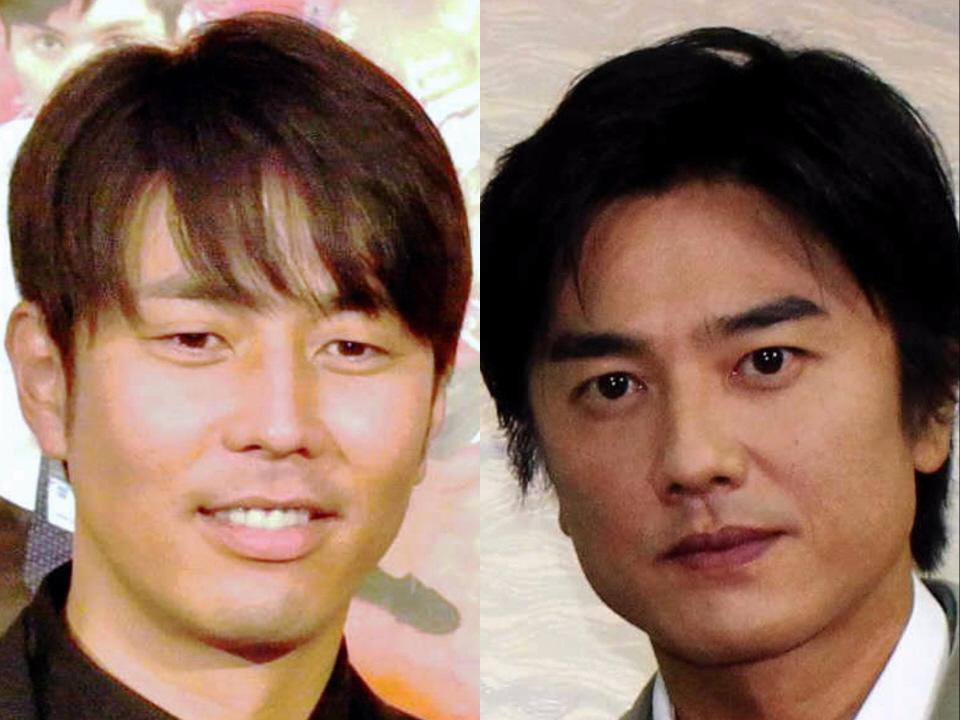
When comedian Kazutoyo Koyabu recently revisited behind-the-scenes memories from Nippon TV's legendary New Year's Eve franchise during a live broadcast on the DOWNTOWN+ platform, as detailed in an ORICON NEWS Report, it reignited intense fan retrospectives across Japanese social media. For fifteen years, Zettai ni Waratte wa Ikenai (No-Laughing Batsu Game) served as the undisputed cultural centerpiece of Japanese year-end television. While the marathon special subjected comedy titans Hitoshi Matsumoto and Masatoshi Hamada to foam-bat beatings whenever they cracked a smile, its secret weapon was an unsparing trial by fire for fallen celebrities looking for a way back into public life.
Chief among those redemptive moments stands dramatic actor Yoshihiko Hakamada. In 2017, caught in an embarrassing tabloid storm, his mainstream television career evaporated overnight. Within twelve months, he engineered one of the most astonishing career rescues in modern Japanese entertainment history. He did not achieve this through tearful press conferences or media litigation. He did it by stripping down to spandex on national television and ruthlessly mocking his own downfall.
📌 Key Takeaways:
- The Incident: Yoshihiko Hakamada's dramatic acting career collapsed in January 2017 following tabloid reports detailing an extramarital affair conducted at budget hotels to collect loyalty points.
- The Turning Point: On New Year's Eve 2017, Hakamada appeared unannounced on Downtown's No-Laughing American Police special, weaponizing his disgraced reputation in an absurd, self-deprecating parody segment.
- The Cultural Impact: Rather than ending his career, his total surrender to variety comedy mockery disarmed public anger, establishing a distinct blueprint for celebrity rehabilitation on Japanese television.
The Hotel Loyalty Scandal That Froze an Acting Career
In January 2017, Japanese weekly tabloid Shukan Shincho published a detailed exposé regarding Yoshihiko Hakamada. Until that point, Hakamada had enjoyed steady prestige as a handsome, reliable leading man who debuted in Ryosuke Hashiguchi's acclaimed 1992 film A Touch of Fever. The scandal did not merely highlight an extramarital affair. It revealed that Hakamada had repeatedly taken his partner to Apa Hotel locations specifically to accumulate corporate loyalty points on his membership card.
Public backlash was swift and merciless. Japanese television networks operate under extreme sensitivity to sponsor backlash, and the stingy nature of the revelations made Hakamada an immediate punchline. Corporate sponsors pulled out. Production houses canceled drama contracts. By spring 2017, Hakamada was divorced, financially strained, and functionally erased from prime-time broadcasting. Standard PR wisdom suggested going into hiding for years, waiting for public memory to fade.
Downtown's creative production team saw an entirely different opening.
American Police 2017: The Ambush That Stole New Year's Eve
On December 31, 2017, Nippon TV broadcast Zettai ni Waratte wa Ikenai American Police 24-ji. As usual, Downtown, Tsukitei Hosei, and the comedy duo Cocorico sat trapped in a conference room, terrified of triggering the merciless black-clad punishment crew. The door swung open, revealing an outrageous villain character parodying the cult manga Hentai Kamen. Underneath the mask stood Hakamada.
The studio fell into momentary disbelief before erupting. Hakamada did not dance around the elephant in the room. He leaned entirely into it. Dressed in provocative tights, he bellowed self-lacerating dialogue, proudly brandishing oversized hotel point cards and screaming about his relentless drive to earn free room vouchers. He danced. He posed aggressively. He delivered blistering punchlines targeting his own moral failure.
Matsumoto and Hamada collapsed in uncontrollable laughter, accepting immediate physical strikes from the batsu staff. The scene lasted roughly ten minutes, but it fundamentally altered Hakamada's professional trajectory. Viewers witnessed an actor who had abandoned every shred of vanity to entertain the country.
The Evolution of Hakamada's Variety Persona
| Year | Production / Milestone | Cultural & Industry Impact |
|---|---|---|
| Jan 2017 | Point Card Tabloid Exposé | Severe brand loss; commercial endorsements terminated; indefinite acting hiatus begins. |
| Dec 2017 | No-Laughing American Police | First surprise cameo; scores record ratings segment; instant viral sensation across Japanese web forums. |
| Dec 2018 | No-Laughing Treasure Hunter | Returns in recurring comedic bit, solidifying his role as the franchise's official self-parody ambassador. |
| Dec 2019 | No-Laughing Youth High School | Forms the satirical "Infidelity Alliance" alongside fellow disgraced actor Ryuji Harada. |
| 2020, 2026 | Mainstream Drama & Comedy Career | Secures ongoing roles in NHK Taiga dramas and commercial series, leveraging dual comedic-dramatic range. |
The Mechanics of Gaki no Tsukai's Absolution Machine
The Japanese variety television ecosystem possesses a unique cultural mechanism rarely matched in Western media. In Hollywood, public disgrace often triggers quiet banishment, public relations statements, and eventual, carefully staged interviews. In Japan, particularly under the reign of Downtown's New Year's Eve specials, television served as a court of ritual humiliation.
The logic is simple. If a disgraced public figure hides, the public assumes they retain their arrogance. When that individual steps onto a stage watched by over 15 million viewers, takes off their dignity, and invites comedy heavyweights to laugh directly at their worst mistakes, the balance of social power shifts. The audience no longer feels the urge to punish someone who is already gleefully punishing themselves.
Hakamada did not just accept the joke; he escalated it. In 2019, he doubled down on Youth High School 24-ji by teaming up with actor Ryuji Harada, who had faced his own vehicle-related infidelity scandal. The two performed an elaborate musical number satirizing their personal disasters. By transforming their missteps into high-camp physical comedy, they stripped the tabloids of their moral superiority.
Why Audiences Forgave Hakamada While Others Vanished
Japanese entertainment history is littered with celebrities who attempted variety comedy comebacks and failed miserably. Audiences are exceptionally sensitive to calculation. When a performer approaches a self-deprecating segment with visible hesitation, defensive body language, or an aura of begrudging compliance, the public reacts with irritation.
Hakamada avoided that trap through pure comedic commitment. His performance was not a strategic PR move disguised as comedy; it was an authentic surrender to slapstick absurdity. He matched veteran comedians in timing, intensity, and sheer shamelessness. Behind the scenes, staff members frequently remarked on his absolute professionalism during rehearsals, treating the ridiculous point-card skits with the same rigorous preparation he once brought to cinematic drama sets.
By transforming his greatest public shame into an enduring character bit, Hakamada accomplished the near-impossible. Within two years of his 2017 ambush, television producers no longer viewed him as an insurance liability. They viewed him as a versatile performer with an iron-clad sense of humor.
Frequently Asked Questions (FAQ)
Q1: What exactly was Yoshihiko Hakamada's "Point Card" scandal?
In January 2017, weekly magazines revealed that Hakamada had an extramarital affair, meeting his partner at Apa Hotel properties to systematically collect reward points on his loyalty card. The absurd detail turned an otherwise standard celebrity scandal into a viral punchline across Japan.
Q2: Why was Downtown's No-Laughing special the ideal platform for his return?
Nippon TV's Zettai ni Waratte wa Ikenai was the highest-rated commercial television broadcast on New Year's Eve. Surprise guests earned immense goodwill by completely breaking their serious public personas to make Downtown laugh, turning scandal into harmless entertainment.
Q3: Did Hakamada successfully return to serious dramatic acting?
Yes. Rather than permanently boxing him into variety television, his variety success rehabilitated his public image. He returned to commercial network dramas, theatrical stage plays, and prestige television, now enjoying steady employment across both comedy and dramatic genres.
The Enduring Blueprint of Japanese Variety Comedy
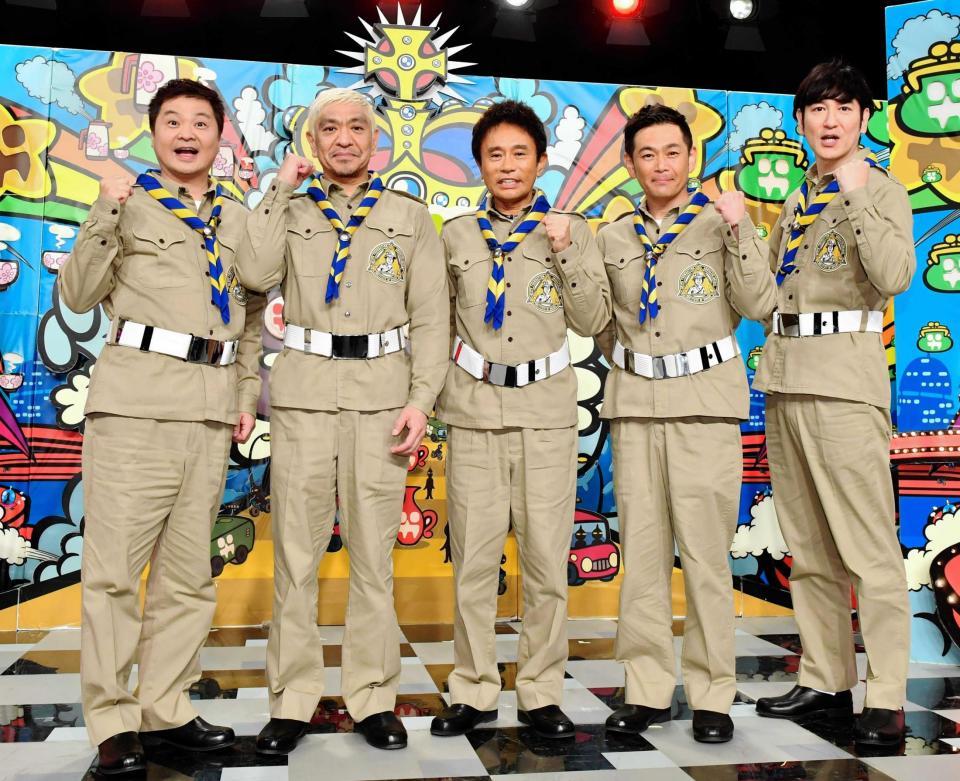
With Downtown's long-running New Year's Eve franchise paused, the industry has yet to find a substitute that balances raw comedy and cultural redemption quite like Waratte wa Ikenai. The specials were never just endurance tests for five exhausted comedians in silly outfits. They functioned as a massive communal release valve, defusing media outrage through laughter.
Yoshihiko Hakamada's transformation from disgraced tabloid target to beloved comedy legend remains the benchmark for surviving modern cancel culture. His trajectory proved that in entertainment, true redemption does not come from begging for forgiveness behind closed doors. It comes from stepping into the spotlight, embracing the joke, and taking the hit with the cameras rolling.