10 Custom Sauces and Sizzling Grills: Inside Sakae's Best All-You-Can-Eat Samgyeopsal
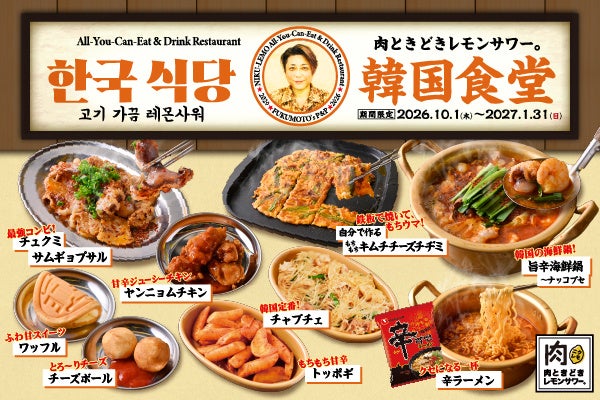
Nagoya’s downtown district of Sakae is experiencing an intense culinary shakeup driven by an insatiable appetite for interactive feasts. While the neighborhood has long maintained a steady circuit of traditional yakiniku joints, diners are now queueing along Hisaya-odori and throughout Sakae 3-chome for table-filling all-you-can-eat samgyeopsal. Restaurant operators have fundamentally overhauled the old, low-margin buffet playbook to capture younger crowds and late-night office workers looking for serious value.
The new wave pairs thick slabs of premium pork belly with modern Korean street-food staples and bespoke condiment stations. As regional hospitality groups lean heavily into upgraded formats detailed in a recent PR TIMES Report, operators across Aichi Prefecture are responding to shifting consumer demands by integrating full-fledged Korean izakaya bar menus, artisanal dipping bars, and seasonal specialty stews directly into their flat-rate lineups.
📌 Key Takeaways:
- The Flavor Evolution: sakae's new crop of all-you-can-eat establishments centers on customizable dining, replacing standard sesame-oil salt plates with 10 distinct artisan dipping sauces.
- Beyond the Pork Belly: Popular fall and winter menus now integrate spicy seafood pairings like jukkumi samgyeopsal and offal-packed nakkopse stews alongside double-fried chicken.
- The Budget Equation: Comprehensive 90- to 120-minute dining packages range from ¥2,980 to ¥4,500, delivering substantial purchasing value amid persistent dining-out price hikes.
How Central Nagoya Rekindled Its Love for Korean Tabletop Grills
Nagoya has always maintained a distinct, heavy-sauced culinary culture, famous for red miso and pepper-spiced chicken wings. That palate makes the local dining scene uniquely receptive to bold Korean seasoning profiles. Over the past two years, Sakae evolved into the testing ground for regional food service groups rolling out hybrid izakaya concepts.
The turning point arrived when independent kitchens abandoned the rigid, single-entree model. Operators noticed that downtown patrons did not simply want meat on a grill; they wanted the kinetic, communal energy of Seoul's pojangmacha tent stalls. By converting quiet basement storefronts into neon-drenched rooms complete with K-pop tracks and self-serve banchan carts, restaurateurs struck gold. Tabulated dinner bookings across Sakae’s entertainment alleys climbed sharply throughout 2024, 2026, propelled by customers eager to build multi-course meals without running up unpredictable bar tabs.
Cracking the 10-Sauce Blueprint: Inside the Thick-Cut Pork Belly Craze
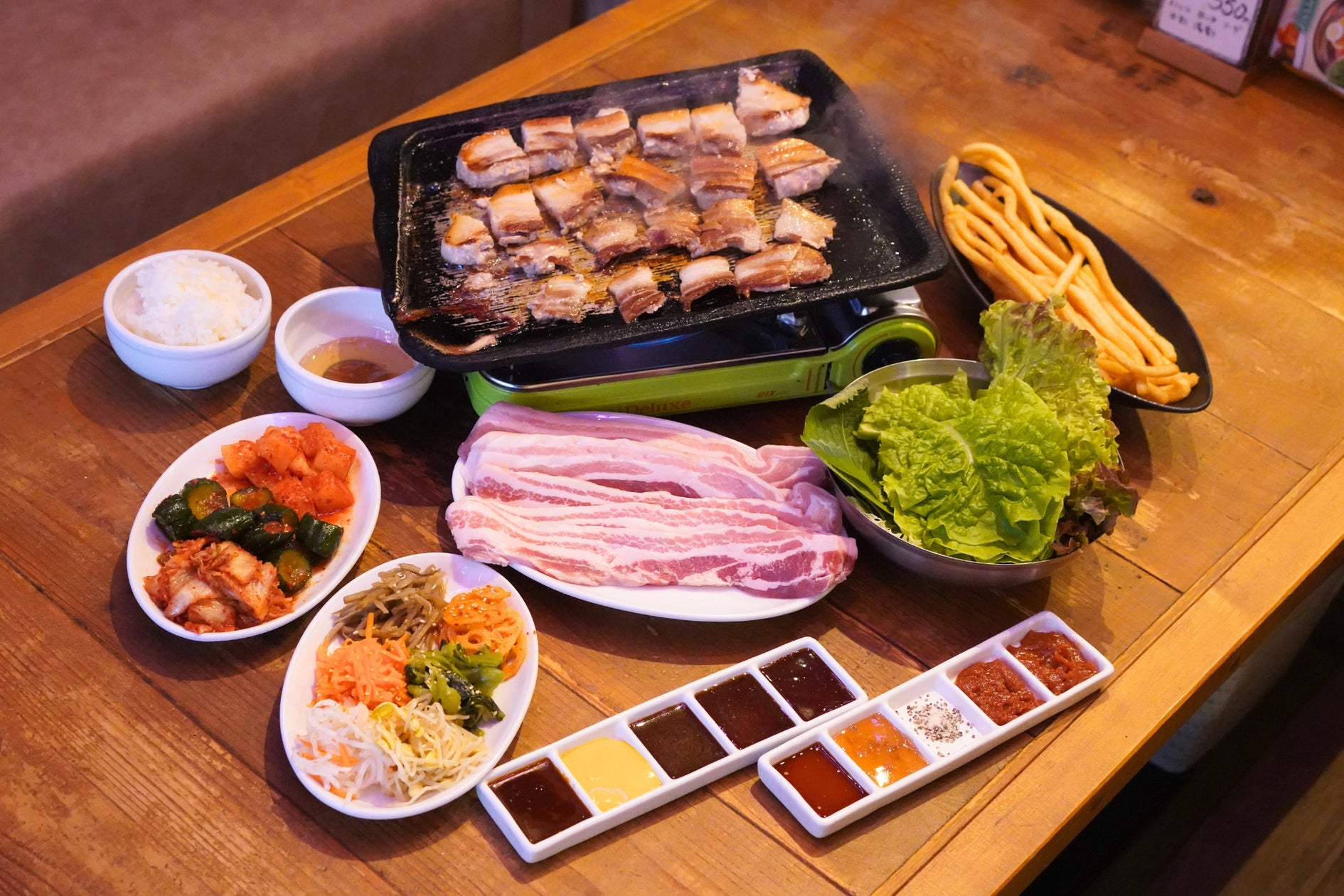
The centerpiece of this boom remains the tabletop pork belly grill, but the execution has changed dramatically. Paper-thin bacon rashers are gone. In their place sit chilled cuts measuring up to 15 millimeters thick, scored diagonally to render excess fat cleanly onto slanted tabletop hotplates. Searing these slabs until the edges crisp gives diners the textural crunch that makes samgyeopsal addictive.
The real hook, however, is flavor customization. Following successful pilot programs launched across Aichi, such as Yugen Kaisha Eyes introducing their 10-sauce samgyeopsal overhaul at renewed regional outposts, diner expectations shifted. Standard ssamjang is no longer the sole accompaniment. Diners in Sakae now assemble palettes featuring honey mustard, wasabi mayo, garlic soy, sweet red chili gochujang, grated daikon ponzu, and herb-infused salts. This modular approach prevents the palate fatigue that frequently derails pork-heavy meals, allowing guests to cycle through distinctly flavored bites over an entire two-hour seating.
Comparing Sakae's Dominant All-You-Can-Eat Formats
Navigating Sakae’s Korean dining scene requires understanding how different restaurants structure their courses. Entry-level tiers typically cover basic pork cuts and greens, while top-tier options unlock full culinary menus including fried sides and slow-simmered hot pots.
| Dining Tier | Price Range (Per Person) | Included Core Entrees | Sauce & Side Dish Access |
|---|---|---|---|
| Standard Samgyeopsal | ¥2,780, ¥3,200 | Classic pork belly, pork neck, white rice | Lettuce wraps, standard ssamjang, basic kimchi |
| Deluxe Izakaya Hybrid | ¥3,480, ¥3,980 | Thick-cut pork belly, spicy bulgogi, yangnyeom chicken | Full 10 custom dipping sauces, unlimited banchan bar |
| Premium Seafood & Hot Pot | ¥4,200, ¥4,800 | Pork belly, jukkumi octopus, nakkopse stew bowls | All sauces, banchan bar, cold noodles, dessert |
Diners booking on Friday or Saturday nights regularly face strict 90-minute time limits, with last meat orders called at the 70-minute mark. Weekday lunches often offer 120-minute allowances at lower entry costs, making midday visits practical for larger groups.
The Seafood Incursion: Nakkopse Stew and Jukkumi Take the Spotlight
While pork continues to drive kitchen volume, seasonal menus are leaning into spicy seafood combinations. Major restaurant operators like GOSSO Inc. demonstrated this shift through comprehensive autumn campaigns, folding specialized dishes like jukkumi samgyeopsal, spicy stir-fried baby octopus wrapped with pork belly, directly into all-you-can-eat structures.
Another major draw across Nagoya’s foodie circles is nakkopse, a boiling stew combining octopus (nakji), beef tripe (gopchang), and shrimp (saewoo). Simmered in a deep gochugaru broth right on the table, it offers a rich contrast to dry-grilled meat. Many Sakae kitchens now let patrons start with grilled pork belly and finish with a bubbling pan of nakkopse, using the remaining spicy gravy to pan-fry a serving of cheese-topped bokkeumbap rice before the timer expires.
Late-Night Izakaya Economics: Banchan Buffets and Chamisul Pairings
The modern Korean izakaya bar thrives on high-margin beverage packages paired with low-cost side dishes. Unlimited banchan side dishes, ranging from marinated bean sprouts (kongnamul) and pickled radishes to shredded green onion salads, cost kitchens very little to produce in bulk. Yet, they provide enormous perceived value to diners looking for a vibrant spread.
The profitability engine lies in drink add-ons, or nomihoudai. Diners frequently supplement their food bill with an all-you-can-drink pass priced around ¥1,500. Chamisul soju pairings dominate these orders, with flavors like muscat, grapefruit, and plum served alongside chilled makgeolli bowls and dry draft beer. The sharpness of cold soju cuts through the pork fat and balances sticky, sweet yangnyeom fried chicken, keeping group energy high throughout the evening.
Frequently Asked Questions (FAQ)
Q1: How much should a diner budget for an all-inclusive dinner in Sakae?
A1: Budget between ¥4,500 and ¥5,500 per person if you plan to combine a deluxe all-you-can-eat samgyeopsal menu with an all-you-can-drink alcohol package. Alcohol-free packages typically run between ¥3,000 and ¥3,800.
Q2: Can solo diners easily access all-you-can-eat tables in Sakae?
A2: Most traditional Korean BBQ spots enforce a minimum order of two people for tabletop grill buffets. However, an increasing number of casual izakaya-style bars near Sakae Station accommodate single guests during weekday lunch shifts or early dinner hours (5:00 PM to 6:30 PM).
Q3: Do these establishments require advance reservations?
A3: Prime weekend dinner slots (6:30 PM to 9:00 PM) fill up days in advance, especially at venues offering specialty sauces and seafood combinations. Walk-ins are common after 9:30 PM, but reserving online through major dining platforms avoids long outdoor waits.
Where Nagoya's Tabehoudai Culture Heads Next
The surge of Korean tabletop dining across Sakae illustrates how commercial districts reinvent themselves around customer experience. Rather than settling for uniform cuts of meat and basic condiments, diners now demand genuine variety: multiple dipping textures, authentic regional stews, and unpretentious izakaya warmth.
As restaurants continue testing fusion sauces, seafood integrations, and extended late-night hours, Sakae's status as Central Japan’s premier hub for casual Korean dining remains firmly cemented. For food lovers wandering through Nagoya with an appetite for crackling pork and spicy stew, the options have never been more generous.