10 Years of 'KimiSui': Yoru Sumino's Milestones and the Fukuoka Legacy
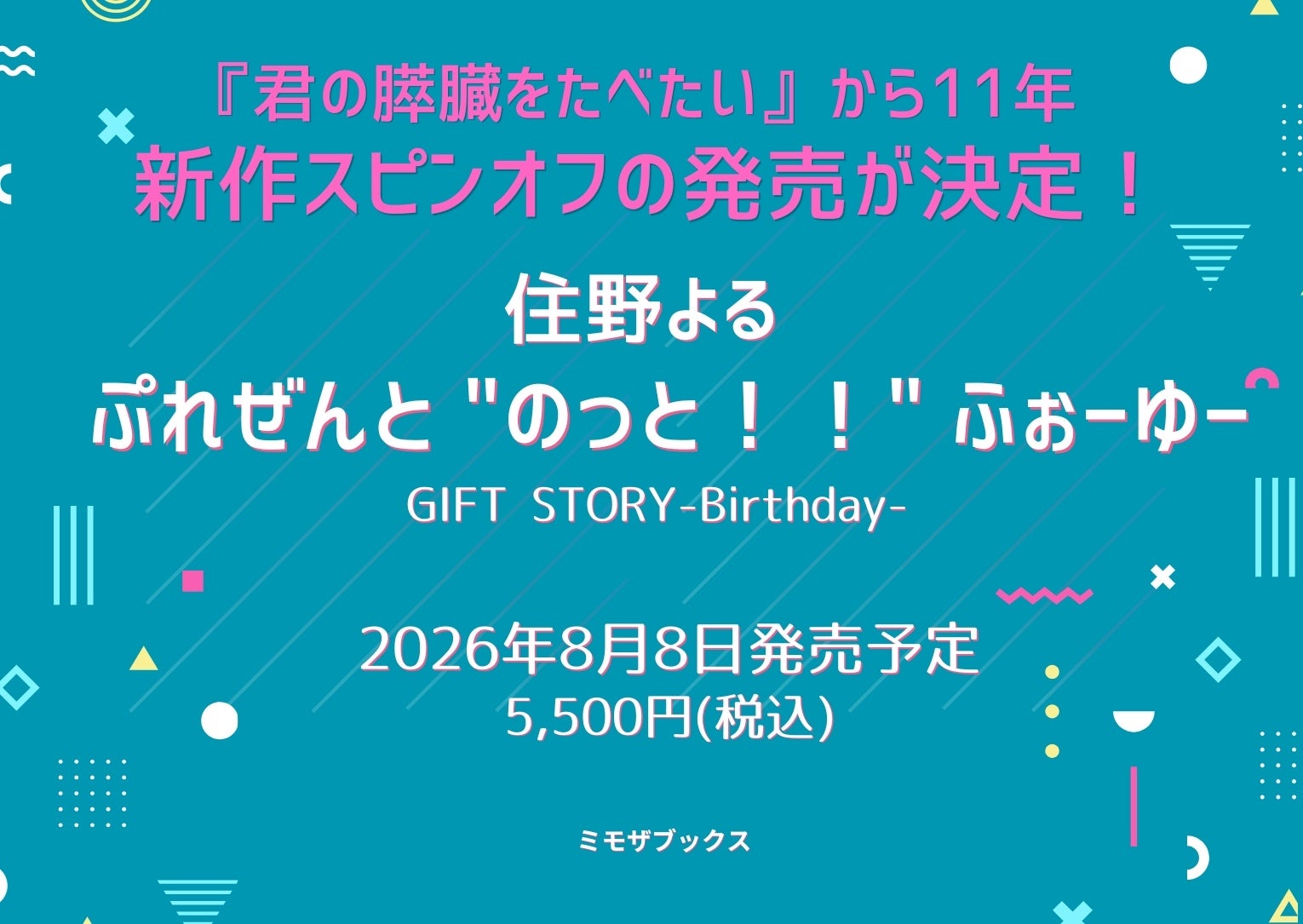
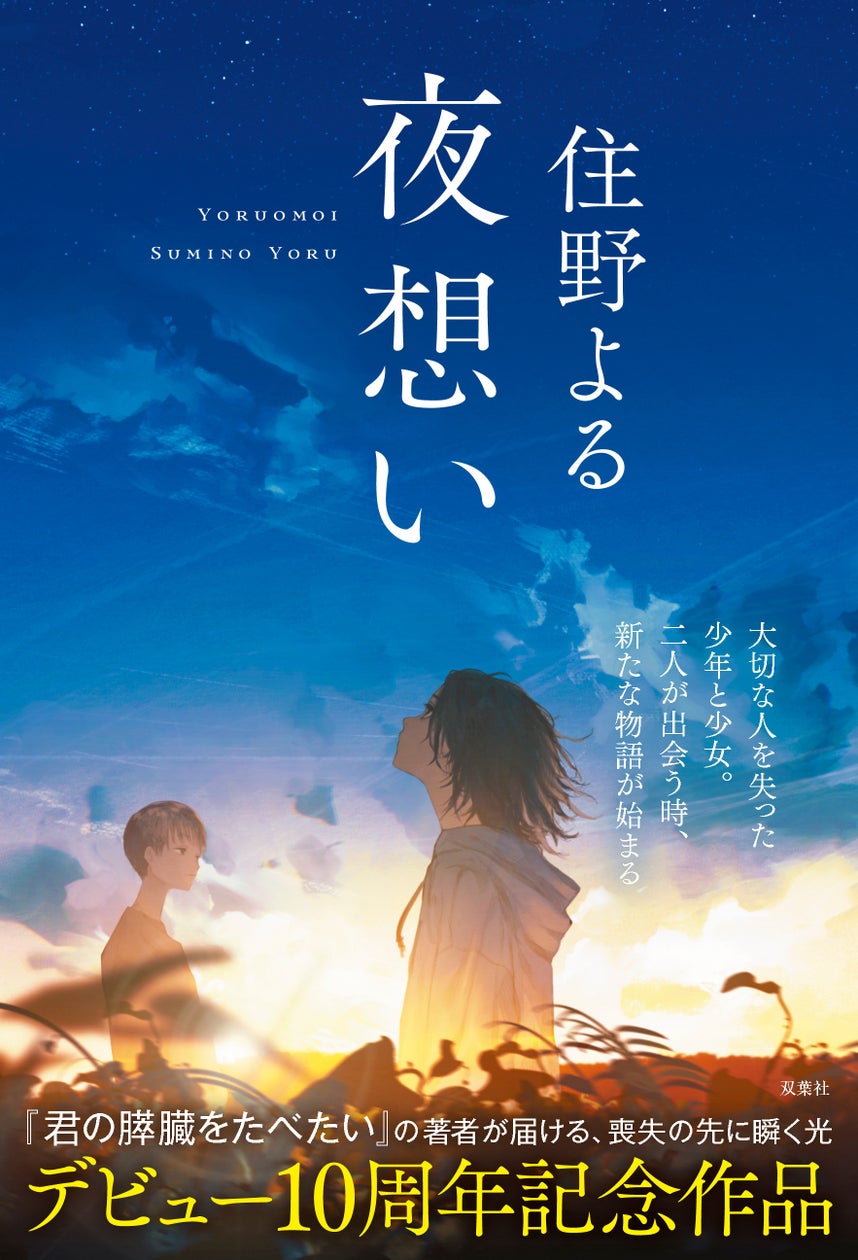
Ten years after Yoru Sumino’s breakout novel upended Japanese youth fiction, the literary landscape is still reckoning with its footprint. The anniversary arrived in mid-2026 alongside fresh publishing projects from Futabasha, including Sumino’s milestone novel Yoomoi and a boutique spinoff gift book titled Present "Not!!" For You, cataloged in an official PR TIMES Report. Yet for readers and travelers across East Asia, the story does not live solely on paper. Its heartbeat remains permanently tied to a specific 36-hour escape to the southern port city of Fukuoka.
That trip, tucked into the middle of I Want to Eat Your Pancreas (Kimi no Suizou wo Tabetai, colloquially KimiSui), turned what could have been a predictable terminal-illness melodrama into an enduring study of interpersonal collision. While modern media franchises rely on endless commercial tie-ins to sustain interest, Sumino’s story endures through physical geography. Fans still trace the steps of Sakura Yamauchi and Haruki Shiga through Hakata's neon-lit food stalls and centuries-old shrines, seeking the places where two mismatched classmates chose to share their most guarded truths.
📌 Key Takeaways:
- The 10-Year Mark: Yoru Sumino's milestone arrives alongside new releases, including the 2026 novel Yoomoi from Futabasha and the commemorative spinoff Present "Not!!" For You.
- The Narrative Pivot: The Fukuoka trip functions as the emotional engine of KimiSui, shifting the dynamic between Sakura and Haruki from reluctant obligation to reciprocal survival.
- The Living Map: Landmarks like Dazaifu Tenmangu, the Hakata ramen stalls, and the Hilton Fukuoka Sea Hawk have established Fukuoka as one of the most sustained literary anime pilgrimage destinations of the past decade.
From Web Novel Submissions to Mainstream Phenomenon
Sumino did not begin inside Tokyo's prestigious editorial houses. Kimi no Suizou wo Tabetai first appeared on the amateur web portal Shousetsuka ni Narou under a title deliberately constructed to throw off genre conventions. Readers expected body horror. Instead, they discovered a deceptively sharp character study about mortality, social performance, and mutual isolation. When Futabasha acquired the manuscript for commercial print publication in 2015, the book became an immediate word-of-mouth juggernaut, eventually moving millions of copies and claiming top honors across nationwide bookstore rankings.
The premise relies on two contrasting temperaments. Haruki Shiga, the nameless narrator for the vast majority of the text, views detachment as a protective shield. He reads voraciously and assumes his classmates hold zero interest in his interior life. Sakura Yamauchi occupies the opposite pole: radiant, socially dominant, and hiding a fatal pancreatic disease that only her family and Haruki know about. Rather than retreating into clinical despondency, Sakura drags Haruki into her orbit, using her terminal prognosis as an excuse to break his emotional quarantine.
Their interaction avoids standard tearjerker sentimentality. Sumino treats Sakura's illness not as a spiritual superpower, but as a ticking clock that heightens mundane decisions. Where typical romance fiction relies on mutual confession, KimiSui interrogates whether two people can profoundly alter each other's outlook without ever formalizing their bond into standard teenage labels.
Why the Fukuoka Overnight Trip Defines the Story's Emotional Weight
The turning point arrives abruptly when Sakura tricks Haruki into boarding a Shinkansen bullet train under the guise of a single-day excursion, only revealing midway that she has booked an overnight stay in Fukuoka. For Haruki, an overnight trip with an attractive classmate represents an operational panic. For Sakura, it represents an intentional defiance of the hospital beds and medical regimens waiting back home.
The narrative stakes shift inside Fukuoka's city limits. Up until this sequence, their encounters are bounded by school corridors and library aisles. In Fukuoka, the pair exist outside their social architecture. They share meals, run through railway platforms, and confront the physical reality of Sakura’s failing body when Haruki accidentally discovers the extensive pharmacological regimen hidden inside her overnight toiletries bag. The discovery shatters Haruki's intellectual detachment; the illness ceases to be an abstract secret and becomes an imminent, terrifying reality.
Later that evening inside their hotel room, a tense round of "Truth or Dare" strips away the remaining layers of ironic banter. The Fukuoka sequence shifts their relationship from an eccentric arrangement into an agonizing pact. Without this overnight sequence, the story's tragic climax would hit as cheap shock value. Because Fukuoka established their unvarnished reality, the third act lands with devastating force.
Tracing the Real-World Pilgrimage Across Hakata Bay
The phenomenon known as seichi junrei (sacred site pilgrimage) often centers on Tokyo school crossings or rural mountain towns. Fukuoka, however, offers a concentrated urban route that allows travelers to re-enact the characters' 36-hour sprint with striking precision.
The primary stops along the route include:
1. Dazaifu Tenmangu Shrine: Located southeast of central Fukuoka, this shrine is dedicated to Sugawara no Michizane, the deity of scholarship. In both the novel and its visual adaptations, Sakura drags Haruki across the arched drum bridges to pat the forehead of the sacred bronze ox (*Go-shin-gyu*). The legend claims that rubbing the ox's head heals illness in the corresponding part of the visitor's body. The scene is laced with bitter dramatic irony: Sakura jokingly rubs the ox's abdomen while Haruki watches in silence, fully aware of what lies inside her own.
2. The Hakata Ramen Stands and Food Stalls: Fukuoka’s food culture serves as an active narrative device. Sakura insists on diving into genuine Hakata tonkotsu ramen and trying local delicacies like mentaiko (spicy pollack roe) and motsunabe (beef offal stew). The characters’ evening excursion through the vibrant food culture of Hakata highlights Sakura's desperate appetite for raw, unpasteurized daily experience.
3. Hilton Fukuoka Sea Hawk: Perched on the waterfront near the baseball dome, this luxury hotel provided the backdrop for the fateful hotel mix-up where Sakura claims the reservation office mistakenly booked a single luxury suite with one double bed instead of separate twin rooms. The property’s soaring glass atrium and panoramic bay views gave both the 2017 live-action film and the 2018 theatrical anime a stunning sense of physical scale, framing their small, fragile intimacy against the vast neon backdrop of Hakata Bay.
A Decade of Sumino's Fiction: The Milestones
Sumino has maintained an unusually disciplined writing rhythm over the past decade, exploring themes of neurodivergence, quiet alienation, and parallel realities without ever carbon-copying the formula that made *KimiSui* famous.
| Year | Work / Milestone | Narrative & Cultural Significance |
|---|---|---|
| 2015, 2016 | Kimi no Suizou wo Tabetai Print Debut | Published by Futabasha after web success; sells over 2 million copies in initial retail runs. |
| 2016 | I Had That Same Dream Again | Sumino proves long-term staying power; explores happiness and self-worth through an elementary schooler's eyes. |
| 2017 | Live-Action Theatrical Adaptation | Directed by Sho Tsukikawa; stars Minami Hamabe and Takumi Kitamura; grosses over ¥3.5 billion. |
| 2018 | Theatrical Anime by Studio VOLN | Faithful recreation of the original novel, with Sumino directly supervising script revisions. |
| 2018, 2020 | Blue, Painful, and Brittle & New Works | Explores the toxicity of youthful idealism; adapted into a live-action feature in 2020. |
| 2026 | 10th Anniversary Releases: Yoomoi & Spinoff | Futabasha publishes Yoomoi on July 24, 2026; Mimosa Books issues special spinoff book on August 8, 2026. |
How Minami Hamabe and Takumi Kitamura Cemented the Story's Screen Legacy
When Toho mounted the 2017 live-action adaptation, director Sho Tsukikawa made a structural choice that diverged from the novel: he added a secondary timeline set twelve years after Sakura's death. In this framing device, Shun Oguri plays the adult Haruki, now a world-weary high school teacher returning to the school library where his life changed. The framing device proved controversial among book purists, but it paid off emotionally.
The film belongs entirely to the younger leads. Minami Hamabe's performance as Sakura achieved star-making status across Japan, balancing hyperactive optimism with quiet glimpses of genuine terror. Takumi Kitamura (frontman of the band DISH//) matched her beat-for-beat with a laconic, defensive performance that made Haruki’s eventual breakdown hit like an emotional detonation.
Their chemistry is sharpest during the Fukuoka getaway. Shot on location with natural light, the sequence stripped away the glossy filter often applied to Japanese studio teen dramas. When Hamabe and Kitamura walk through Dazaifu or sit opposite each other inside the hotel, their physical distance speaks louder than their dialogue. Their performances anchored the film to a massive ¥3.5 billion domestic box office haul and swept major newcomer honors at the 41st Japan Academy Film Prize.
The Continuing Appeal of Fukuoka's Pop-Culture Tourism
Most literary fads burn out within two years of theatrical release. KimiSui's presence in Fukuoka has survived because the city is a natural transport hub. Positioned as the gateway between mainland Japan and the rest of Asia, Hakata Station welcomes millions of visitors traveling by bullet train or via short flights from Seoul, Taipei, and Hong Kong.
For traveling fans, following Haruki and Sakura's itinerary requires zero artificial tour packages. You catch the subway to Tenjin, transfer to the Nishitetsu train down to Dazaifu, eat freshly grilled umegae mochi along the approach, and return to Hakata for late-night ramen along the riverfront. It is an unforced travel day that doubles as an authentic regional itinerary.
Local tourism operators report that the title still brings younger travelers to Dazaifu Tenmangu's precincts specifically looking for the bronze ox statue. While blockbuster fantasy anime draws crowds with life-sized statues and themed cafes, Sumino’s realistic urban drama creates a quieter, more personal connection. Travelers do not go to Fukuoka to see a fantasy realm; they go to stand in a real hotel lobby and remember an imaginary girl who lived on stolen time.
Frequently Asked Questions (FAQ)
Q1: Can visitors complete the entire KimiSui Fukuoka pilgrimage in one day?
A1: Yes. The primary locations, Hakata Station, Dazaifu Tenmangu Shrine, the Hilton Fukuoka Sea Hawk, and the central ramen districts, can easily be visited within an eight-hour window using Fukuoka’s subway and Nishitetsu rail networks.
Q2: How does the anime adaptation's Fukuoka trip differ from the live-action movie?
A2: The 2018 anime adaptation sticks strictly to the novel's singular teenage timeline, focusing heavily on Sakura's whimsical interior thoughts and dynamic visual metaphors. The 2017 live-action film uses the Fukuoka trip as a memory revisited by the adult Haruki (Shun Oguri), highlighting the lasting sting of grief twelve years later.
Q3: What are Yoru Sumino's confirmed 2026 releases?
A3: To commemorate a decade of professional work, Futabasha released the full-length novel Yoomoi (centering on a boy returning to school after a year of isolation) on July 24, 2026. Additionally, Mimosa Books published the special spin-off gift book Present "Not!!" For You on August 8, 2026.
The Cultural Permanence of Sakura and Haruki
Teen melodramas usually fade fast, swallowed up by the next high-concept romance novel. I Want to Eat Your Pancreas avoided that fate because its author refused to offer easy comfort. Sakura's life does not end with a gentle orchestral swell in a sterile white ward; it is severed with shocking, random violence on a sunny afternoon, rendering all her carefully organized plans meaningless and forcing Haruki to navigate a world where closure cannot be scripted.
That honesty is why people still buy the novel, why Sumino’s 2026 publications still command premier shelf space, and why tourists still pause on the red bridges of Dazaifu. By anchoring his characters' most vulnerable moments to the tangible brick, stone, and broth of Fukuoka, Sumino created something rare in modern commercial fiction: a fictional memory that feels entirely real.