7 Creative DIY Setsubun Demon Bean Boxes Transforming Early Childhood Classrooms
Every February, nursery schools across Japan prepare for Setsubun, the seasonal eve marking the transition into spring under the traditional lunar calendar. For decades, the celebration meant a costumed adult storming classrooms as a terrifying red ogre, sending toddlers into frantic tears before they hurled roasted soybeans to drive out misfortune. That script is changing rapidly. As educators reconsider traditional intimidation tactics in early childhood care, classroom craft projects have emerged as the centerpiece of an intentional shift toward emotional safety and hands-on cultural participation.
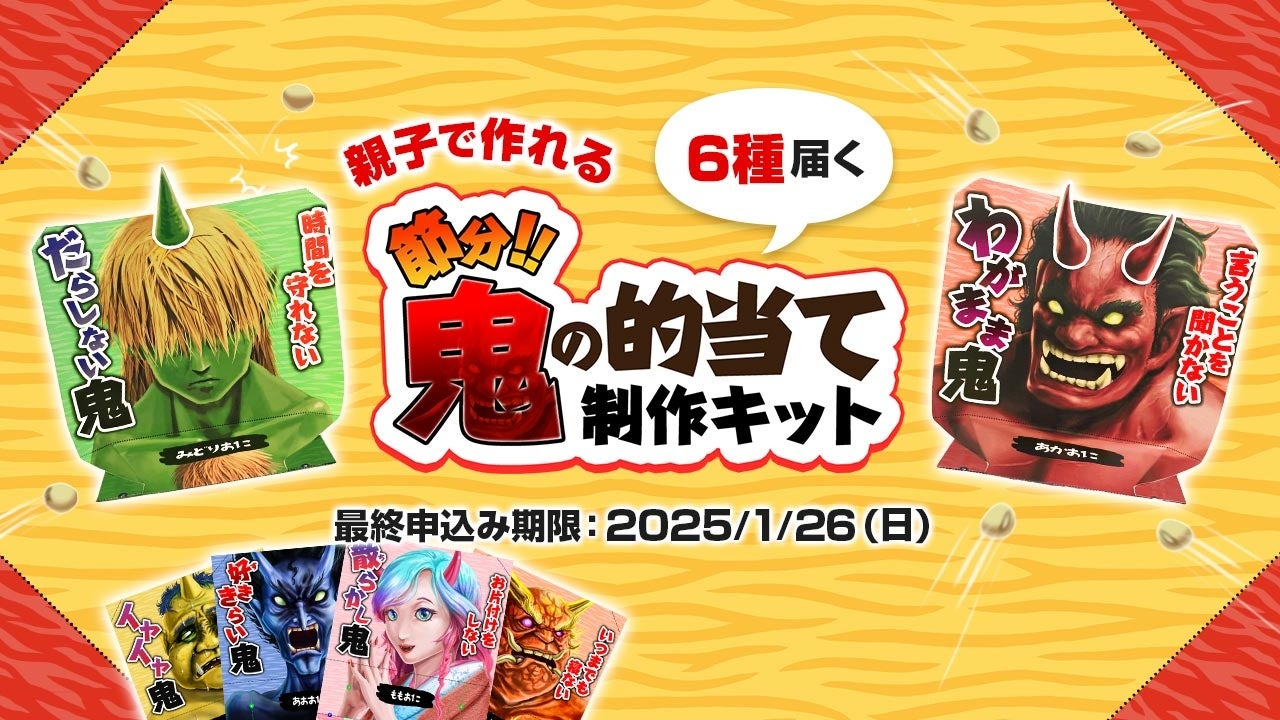
The core of this evolution is the oni no mameire craft, the handmade demon bean container. Rather than trembling before visiting monsters, young children now design, cut, and decorate their own miniature demons using everyday recycled goods. Commercial manufacturers have tracked this grassroots pedagogical movement; as detailed in a recent PR TIMES Report on early childhood craft releases, manufacturers are prioritizing scissors-and-glue DIY paper craft kits and interactive bean-tossing target boards that celebrate the Heian-era ritual of dispelling winter illness without relying on scare tactics.
📌 Key Takeaways:
- Pedagogical Pivot: Early childhood centers are trading distressing demon visits for child-friendly demon motifs that prioritize emotional security.
- Motor Skill Development: Constructing milk carton and paper cup containers targets bilateral coordination, scissor control, and spatial awareness across ages 1 to 5.
- Cultural Continuity: Repurposing discarded paper cups and juice cartons bridges the ancient Risshun seasonal celebration with modern environmental consciousness and zero-cost classroom budgets.
Rethinking the Oni: Emotional Safety in Early Childhood Settings
The traditional Setsubun demon visit has sparked intense debate among Japanese educators. Reports surfaced in early 2025 highlighting instances where severe scare tactics in daycare centers prompted children to refuse school outright. Child development specialists increasingly classify extreme fear-based reenactments as counterproductive to social development. When a three-year-old is pushed into fight-or-flight panic, the cultural intent, clearing away unseen domestic misfortunes and welcoming spring vitality, is entirely lost.
Educators now approach the demon figure through creative projection. When children create their own bean boxes, teachers guide them to personify mild behavioral frustrations rather than external terrors. A child might declare their box represents a "forgetful demon" (wasurenbo oni) or a "morning pout demon" (iyaiya oni). Giving the monster a bright pink nose, goofy googly eyes, or yarn curls transforms an intimidating creature into an approachable canvas for emotional regulation. The box becomes both an artistic vessel and an instrument of self-awareness.
Seven Classroom-Tested Milk Carton and Paper Cup Bean Containers
Classroom activities require structures that hold up against eager, uncoordinated toddler hands while utilizing cheap, readily available supplies. These seven proven designs span different developmental stages, turning standard milk cartons and paper cups into expressive seasonal containers.
1. The Dual-Tone Milk Carton Basket (Ages 3, 5): Cut a standard 1,000ml paper milk carton down to a 9-centimeter base. Wrap the perimeter with yellow construction paper printed with black zigzags to mimic tiger-skin loincloths (toranopantsu). Punch two holes near the rim, run a chenille pipe cleaner through for a carry handle, and let students glue construction-paper horns and yarn curls along the top edge.
2. The Paper Cup Wobble Monster (Ages 1, 2): Inverted standard 7-ounce paper cups serve as the body. Toddlers apply dot stickers for eyes and mouth while teachers cut two slits in the bottom to insert pre-cut cardboard horns. This design requires minimal adhesive drying time and eliminates sharp corners for young infants.
3. The Accordion-Fold Carton Hopper (Ages 4, 5): Using a rectangular 500ml milk container, children practice bilateral hand strength by scoring and folding the front flap inward to create an exaggerated mouth opening. When beans or soft paper pellets hit the rear interior wall, the box rocks backward on its angled base without tipping over.
4. The Rolled Tissue Paper Cup Sprite (Ages 2, 3): Cover the exterior of a plain white paper cup with nontoxic liquid paste. Children tear and crumple colored crepe paper or facial tissue, rolling them between their palms to build dimensional facial textures. This exercises tactile sensory tolerance and fine-motor pincher grasps.
5. The Clear Window Peek-a-Boo Cup (Ages 3, 4): Stack two translucent plastic or paper drinking cups. The inner cup features drawn demon expressions, while the outer cup features an open cut-out window. Rotating the exterior sleeve causes the monster's face to shift from grumpy to laughing as beans collect inside.
6. The Heavy-Duty Juice Box Sling (Ages 2, 4): Individual 200ml beverage cartons provide an ideal pocket for smaller portions of beans. Wrapped in felt scraps with punched eyelets, this variation adds an adjustable yarn strap worn across the chest, freeing both hands during group toss games.
7. The Interlocking Cardstock Carton Cap (Ages 4, 5): Utilizing the gable top of an uncut milk carton, students fold the roof panels into interlocking horns. This complex build challenges spatial geometry and requires precise scissor tracking along pre-drawn templates.
| Craft Design | Base Material | Target Age Group | Assembly Time | Fine Motor Focus |
|---|---|---|---|---|
| Wobble Monster | 7oz Paper Cup | Ages 1, 2 | 10, 15 min | Pincer grasp, sticker placement |
| Rolled Tissue Sprite | Paper Cup & Crepe | Ages 2, 3 | 15, 20 min | Paper tearing, palm rolling |
| Juice Box Sling | 200ml Drink Carton | Ages 2, 4 | 20, 25 min | Threading string, paste spreading |
| Dual-Tone Basket | 1,000ml Milk Carton | Ages 3, 5 | 25, 35 min | Scissor cutting, perimeter wrapping |
| Peek-a-Boo Cup | Stacked Double Cups | Ages 3, 4 | 20, 30 min | Curved line cutting, alignment |
| Accordion Hopper | 500ml Milk Carton | Ages 4, 5 | 30, 40 min | Cardstock scoring, lever folding |
| Interlocking Gable Cap | Uncut 1,000ml Carton | Ages 4, 5 | 35, 45 min | Complex tabs, symmetry control |
Balancing Ancient Rituals and Modern Safety Regulations
The customs anchoring Setsubun date back centuries. Historical accounts trace the tsuina ritual, a palace rite to drive out demons of pestilence, to the Heian period, while domestic mamemaki (bean scattering) became widespread during the Muromachi era. Modern supermarket surveys conducted in late January 2026 across 15 retail outlets revealed that consumer packages still overwhelmingly bundle thin plastic oni masks with hard-roasted soybeans (fukumame). Yet within licensed childcare centers, the physical bean has largely vanished.
The Consumer Affairs Agency of Japan and pediatric associations issue clear safety warnings: hard dried beans present severe aspiration and choking hazards for children under five. In response, modern classrooms have redesigned the mechanics of the ritual. Real soybeans are replaced with rolled newspaper balls wrapped in white masking tape, colorful felt pom-poms, or origami folded envelopes. Children load these soft projectiles into their handmade boxes, keeping the symbolic warding-off gesture intact while removing physical danger.
Sourcing Recycled Materials and Classroom Logistics
Managing raw materials for dozens of young students requires strict preparation. Milk cartons must undergo rigorous sanitation before entering the classroom. Facilities wash containers thoroughly with hot water, slice them open to dry in direct sunlight, and wipe interior wax surfaces with diluted alcohol. Because wax-coated poly-paper resists standard water-based glue, teachers use double-sided carpet tape, contact cement, or staples covered with cloth tape to prevent scratches.
Cost remains a significant driver of this recycling trend. Commercial craft kits sell between 300 and 800 yen per child, placing strain on operational budgets when applied across hundreds of enrolled toddlers. By relying on family-donated milk cartons and bulk packs of untreated paper drinking cups, supply expenses drop to less than 15 yen per student. This thriftiness reinforces the broader Japanese cultural concept of mottainai (avoiding waste), teaching children that festive artifacts can emerge directly from discarded packaging.
Frequently Asked Questions (FAQ)
Q1: Why are Japanese preschools phasing out roasted soybeans during Setsubun?
A1: Pediatric safety regulations strongly advise against offering whole, hard beans to children under five due to choking and pulmonary aspiration risks. Classrooms now substitute soft rolled newspaper balls, felt pom-poms, or origami parcels to maintain the tossing tradition safely.
Q2: What is the best adhesive to stick decorations onto waxy milk cartons?
A2: Standard school glue often peels off the polyethylene coating of milk cartons once dry. Heavy-duty double-sided tape, low-temperature glue guns operated by adults, or water-resistant vinyl craft paste provide reliable adhesion for yarn and construction paper.
Q3: How do educators support toddlers who are frightened by demon imagery?
A3: Teachers introduce the oni through whimsical picture books, employ pastel colors like mint and pink instead of dark reds, and emphasize goofy facial expressions. Children decide their monster's features, giving them psychological control over the character.
Classroom Creativity and the Modern Spring Festival
The transformation of Setsubun bean containers shows how cultural traditions survive through thoughtful adaptation. Removing terror from the classroom does not dilute historical heritage; it ensures that young children connect with community rituals through positive shared experiences. As early learners snip construction paper horns and loop yarn onto recycled milk cartons, they are not simply assembling paper boxes. They are acquiring fine motor skills, practicing emotional self-regulation, and stepping confidently into the coming spring.