A Complete Timeline of 'Ii Koto Warui Koto': How the Nippon TV Mystery Unfolded
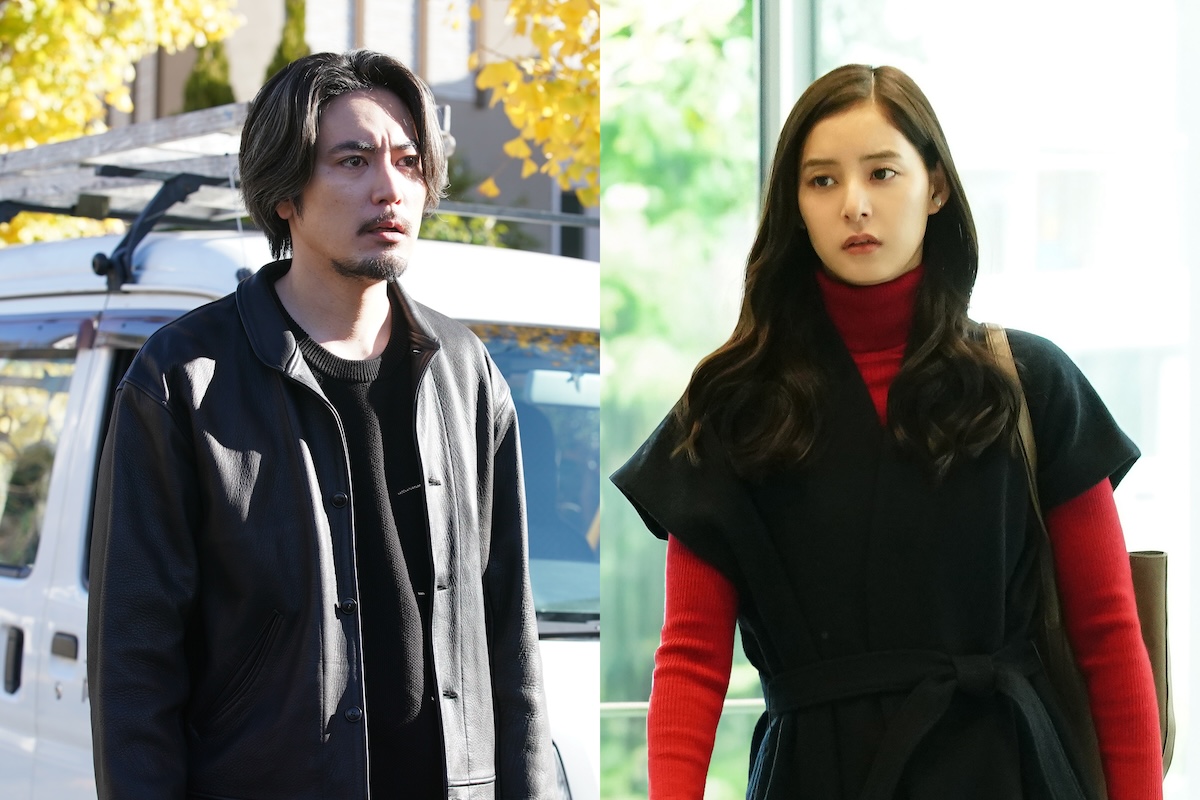
When Nippon TV announced its Saturday prime-time mystery Ii Koto Warui Koto (良いこと悪いこと), expectations ran high. By the time its December 20 finale broadcast concluded, the series had dominated online conversation across Japan, transforming weekly viewing into an obsessive, nationwide investigation. Double-billed stars Shotaro Mamiya and Yuko Araki anchored the production, steering viewers through an intricate maze designed by screenwriter Gaku Kawasaki. The drama's title, translating literally to "Good Things, Bad Things," draws on a deep cultural fixation with the inevitable dualities of life, a philosophical concept reflected in contemporary Japanese fine art, as cataloged in this Artsy Report on Takashi Murakami's work examining the inescapable ups and downs of human existence.
Kawasaki delivered a tightly wound psychological puzzle rather than a breezy Saturday procedural. For ten weeks, social media feeds filled with episode transcripts, background prop analyses, and competing diagrams tracking every glance exchanged between the leads. Tracking the narrative from its opening crime to the dramatic revelation of the true culprit exposes how modern television production actively harnesses audience skepticism to build suspense.
📌 Key Takeaways:
- Core Resolution: The December 20 finale directly unmasked the true culprit, settling weeks of feverish community debates surrounding the central crime.
- Creative Direction: Screenwriter Gaku Kawasaki structured the narrative around intentional red herrings and parallel timelines, moving beyond a standard whodunit into moral ambiguity.
- Audience Engagement: The production leaned heavily into the Japanese "kousatsu" (theory-crafting) trend, prompting dedicated YouTube breakdowns and viral frame-by-frame analysis.
Gaku Kawasaki's Script and the Saturday 9 P.M. Slot
Nippon TV's Saturday 9:00 p.m. programming block has long served as a launchpad for experimental genre television. Pairing Shotaro Mamiya and Yuko Araki signaled major ambition from the network. Both actors possess an ability to shift between outward warmth and unsettling coldness, an essential dynamic for a story where moral alignments shifted with every commercial break.
Screenwriter Gaku Kawasaki, previously recognized for clever subversions of genre expectations in productions like Konna Tokoro de Uragiri Meshi, constructed a narrative architecture devoid of obvious safety nets. The dialogue contained subtle discrepancies designed to reward observant viewers on repeat viewings. Rather than withholding critical facts until the final act, the script laid out primary clues early, daring the audience to correctly interpret them amidst deliberate misdirection.
The Sonoko Saruhashi Mystery and the Web of False Leads
The beating heart of the series centered on the disappearance and enigma of Sonoko Saruhashi. Her backstory became the central battleground for fan theorists. Why did she vanish, and whose protection was she seeking? As reported by Japanese entertainment outlets, including analysis featured on Livedoor News following dedicated breakdowns by channel Drama Kousatsu Tokeru orz, the Saruhashi plot thread was designed to disrupt typical mystery tropes.
Each episode introduced evidence that seemed to incriminate a new member of the immediate cast. A discarded commuter pass in Episode 3, an unrecorded financial transaction in Episode 5, and an unexplained twenty-minute gap in Mamiya's character's alibi all pointed toward divergent conclusions. Kawasaki kept the camera focused on mundane physical objects, keys, coffee receipts, split-second changes in eye contact, that caused online discussion boards to dissect every camera angle for hidden intent.
The Definitive Timeline of Clues and Narrative Beats
Understanding the architecture of Ii Koto Warui Koto requires tracking how narrative revelations systematically upended the audience's weekly consensus. The creative team structured each episode to offer an apparent breakthrough, only to invert that deduction seven days later.
| Episode Phase | Narrative Breakthrough | Online Consensus Shift |
|---|---|---|
| Episodes 1, 3 | Sonoko Saruhashi vanishes; initial circumstantial evidence implicates Araki's character. | Viewers treat Araki as an unreliable narrator hiding personal guilt. |
| Episodes 4, 6 | A secondary crime scene is exposed; Mamiya's alibi disintegrates under scrutiny. | The fanbase splits into competing camps backing dual-conspiracy theories. |
| Episodes 7, 8 | Saruhashi's pre-recorded messages surface, challenging the timeline of her disappearance. | Attention pivots away from the leads toward institutional cover-ups. |
| Episodes 9, 10 | The December 20 broadcast delivers the true culprit reveal and contextualizes all prior lies. | Widespread praise for airtight continuity and resolution of minor background clues. |
The tension peaked during the penultimate hour. By Episode 9, the production had stripped away external suspects, forcing Mamiya and Araki into an ideological standoff. The writing made clear that the resolution would not depend on an eleventh-hour outsider, but on resolving secrets buried inside the primary household.
Inside the December 20 Finale: Unmasking the True Culprit
Leading into the broadcast on December 20, both leads addressed viewers through official comments released via Real Sound and Oricon News. Mamiya noted the burden of carrying a storyline where his character's internal thoughts had to remain opaque to the camera. Araki emphasized that the final episode would resolve every lingering question without relying on cheap cliffhangers.
The finale delivered on that promise. The identity of the true culprit reframed the entire sequence of events established in the premiere. What originally looked like malicious hostility emerged as a desperate cover-up driven by institutional corruption and conflicting loyalties. The confrontation scenes abandoned theatrical melodrama in favor of quiet, devastating confessions. The show offered a rare sense of structural closure, answering the Sonoko Saruhashi question while forcing viewers to reconsider what constituted "good" and "bad" behavior under extreme duress.
The Mechanics of Modern Kousatsu Culture
Ii Koto Warui Koto succeeded largely because it understood the demands of modern mystery consumption. In contemporary Japanese broadcasting, linear viewing numbers tell only part of the story. The real engagement happens across social platforms and dedicated video channels where viewers analyze every individual frame.
Kousatsu culture transforms passive consumption into active community participation. Screenwriters can no longer rely on coincidences; modern audiences catalog continuity errors within minutes. Kawasaki anticipated this collective scrutiny. Background props contained actual hints rather than set dressing, and background calendar dates correlated precisely with off-screen character movements. By respecting the intelligence of its audience, the production ensured that the eventual answers felt earned rather than arbitrarily manufactured.
Frequently Asked Questions (FAQ)
Q1: Who starred as the dual leads in Nippon TV's mystery drama Ii Koto Warui Koto?
The production starred Shotaro Mamiya and Yuko Araki as co-leads, anchoring a psychological narrative that challenged each character's perceived motives across the ten-episode run.
Q2: When did the series finale air, and did it resolve the central mystery?
The finale aired on Nippon TV on Saturday, December 20, at 9:00 p.m. The episode resolved all primary story threads, definitively identifying the true culprit and detailing the circumstances behind Sonoko Saruhashi's disappearance.
Q3: Why was the show widely classified as a "kousatsu drama"?
In Japanese television culture, "kousatsu" refers to series built specifically to encourage weekly deduction and theory-crafting among viewers. Screenwriter Gaku Kawasaki incorporated deliberate background clues, timeline ambiguities, and psychological misdirection to fuel ongoing social media debate between episodes.
The Structural Standard Left Behind
The finale of Ii Koto Warui Koto resolved its central mystery while offering a masterclass in modern genre pacing. Screenwriter Gaku Kawasaki, supported by precise performances from Shotaro Mamiya and Yuko Araki, proved that serialized television can satisfy obsessive community analysis without compromising character depth. The series closed its run having established a formidable benchmark for future psychological mysteries navigating the demands of the interactive, theory-driven television landscape.